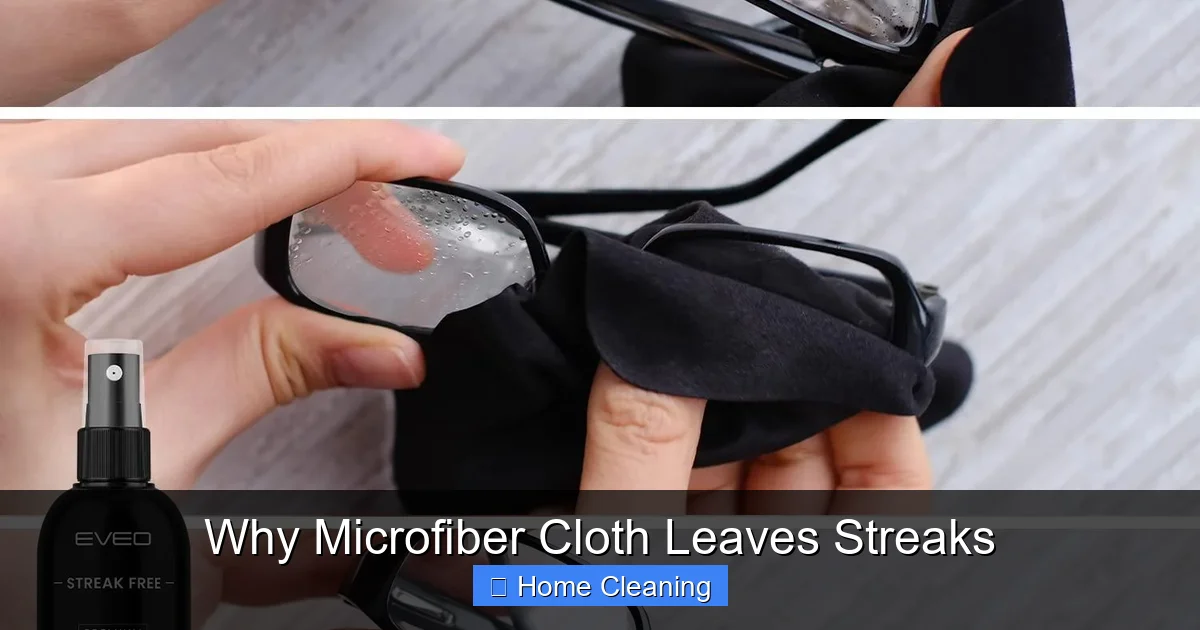
Why Microfiber Cloth Leaves Streaks
Microfiber cloths are powerful cleaning tools, but they often leave streaks instead of shine. The issue usually comes from improper use, contamination, or poor storage. Understanding the science and following simple tips ensures your microfiber works at its best.
Key Takeaways
- Microfiber’s effectiveness depends on fiber structure and electrostatic charge. When these properties are compromised, streaks appear.
- Contamination from dirt, oils, or chemicals builds up over time and causes streaks. Regular cleaning is essential.
- Improper washing—like using fabric softener or hot water—destroys microfiber’s cleaning power. Always wash with mild detergent and cold water.
- Storing wet or dirty cloths promotes bacterial growth and residue buildup. Always dry completely before storing.
- Using the wrong technique—like pressing instead of wiping—can spread residue. Use gentle, sweeping motions.
- Mixing microfiber with other fabrics during washing can cause lint transfer. Wash microfiber separately.
- Some surfaces react poorly with microfiber, especially glass treated with sealants. Always test on small areas first.
📑 Table of Contents
- Why Microfiber Cloth Leaves Streaks: The Science and Solutions
- The Science Behind Microfiber and Streak Formation
- Common Mistakes That Lead to Streaks
- Proper Care and Maintenance of Microfiber Cloths
- Technique Matters: How to Use Microfiber for Streak-Free Results
- When Microfiber Isn’t the Problem
- Advanced Tips for Streak-Free Cleaning
- Conclusion: Master Your Microfiber for Streak-Free Shine
Why Microfiber Cloth Leaves Streaks: The Science and Solutions
Have you ever cleaned a window with your microfiber cloth, only to step back and see ugly streaks? Or worse—you wipe a surface, think it’s clean, and then notice smudges and marks? You’re not alone. Millions of people trust microfiber cloths for their cleaning power, yet many end up with streaky, dirty results. The good news? Streaks aren’t a sign of failure—they’re often a sign that something’s off in how you’re using or maintaining your cloth.
Microfiber is one of the most effective cleaning tools available. Its tiny fibers—about 10 times thinner than a human hair—create a massive surface area that traps dust, dirt, and moisture. But when streaks appear, it’s usually not because microfiber is broken. It’s because the conditions for optimal performance aren’t being met. In this article, we’ll explore why microfiber cloth leaves streaks, what’s really happening under the surface, and how to fix it—so your next cleaning session ends with a spotless, streak-free shine.
The Science Behind Microfiber and Streak Formation
How Microfiber Actually Cleans
Microfiber isn’t magic—it’s physics. Most microfiber cloths are made from polyester and nylon fibers woven into a dense, soft fabric. These fibers are split into ultra-thin strands, giving the cloth a high surface area. When you use it to wipe a surface, the tiny fibers physically trap dust, grease, and water.
Visual guide about Why Microfiber Cloth Leaves Streaks
Image source: gosupps.com
But there’s more. Many microfiber cloths are treated with an electrostatic charge. This invisible force helps attract and hold onto particles—even tiny ones you can’t see. Think of it like a magnet for dirt. This dual action—physical trapping and electrostatic attraction—makes microfiber so effective at cleaning without needing harsh chemicals.
What Causes Streaks?
Streaks happen when residue—dirt, soap, oils, or chemicals—is left behind instead of being fully removed. Microfiber is great at picking up these substances, but if the cloth isn’t clean or used correctly, it can redistribute them. Imagine using a dirty sponge to wipe a clean table. You’re not cleaning—you’re just spreading the dirt around.
Other common causes include:
- Over-saturation: If the cloth is too wet, it can leave water spots or push moisture into porous surfaces.
- Incomplete drying: Drying in the sun or in a humid environment can leave mineral deposits or mildew.
- Chemical buildup: Harsh cleaners or fabric softener residue can coat the fibers, reducing their ability to attract and hold dirt.
Common Mistakes That Lead to Streaks
Using the Wrong Cleaner
One of the biggest culprits behind streaky microfiber is using the wrong cleaning product. Many people reach for all-purpose cleaners, glass sprays, or even household chemicals like bleach. But these can damage the microfiber’s electrostatic charge and leave behind oily residues.
Visual guide about Why Microfiber Cloth Leaves Streaks
Image source: assets.onegoodthingbyjillee.com
For example, ammonia-based glass cleaners may leave streaks on glass, but when combined with a microfiber cloth that’s already loaded with dust, they can create a film that’s hard to remove. Similarly, bleach can break down the synthetic fibers over time, reducing their effectiveness and making them more prone to leaving streaks.
Instead, use a pH-neutral, ammonia-free cleaner or just water for light cleaning. If you need a little extra power, a mix of vinegar and water (1:1) works well for glass and hard surfaces. Just make sure to rinse the cloth frequently to avoid buildup.
Not Rinsing the Cloth Enough
Microfiber cloths are reusable, but that means they collect everything—dust, oils, food residue, pet hair, and chemicals. If you don’t rinse them thoroughly between uses, you’re essentially using a dirty cloth to clean your home.
For example, if you use the same cloth to wipe a greasy stovetop and then immediately clean a mirror, the grease and oils will transfer to the glass, leaving streaks. Always rinse your microfiber cloth in clean water before switching tasks—especially when moving from one surface to another.
Washing with Fabric Softener
This is a common mistake. Fabric softener coats fibers in silicone, which sounds great for softness—but it’s terrible for cleaning. The coating blocks the microfiber’s ability to attract and trap dirt. Over time, your cloth becomes less effective and more likely to leave streaks.
If you’ve been using fabric softener on your microfiber, don’t panic. Try washing it multiple times with just water and mild detergent to remove the residue. In extreme cases, you may need to replace the cloth.
Using Hot Water
Hot water can melt the synthetic fibers in microfiber, causing them to clump together. This reduces the cloth’s surface area and makes it less effective. Always wash microfiber in cold or warm water—never hot.
Hot water also opens up the pores of the fibers, allowing dirt and oils to penetrate deeper. When the cloth dries, these substances can harden and become nearly impossible to remove, leading to permanent streaks.
Mixing with Other Fabrics
Washing microfiber with towels, cotton rags, or other fabrics can cause lint transfer. Cotton lint sticks to microfiber and can create a film on surfaces, leading to streaks. Always wash microfiber separately or in a mesh laundry bag.
Proper Care and Maintenance of Microfiber Cloths
How to Wash Microfiber Cloths
Washing microfiber correctly is the key to long-term performance. Follow these steps:

Visual guide about Why Microfiber Cloth Leaves Streaks
Image source: m.media-amazon.com
- Empty the cloth: Shake out any loose debris before washing.
- Use mild detergent: Choose a gentle, fragrance-free detergent. Avoid bleach and fabric softener.
- Wash in cold water: Hot water can damage fibers.
- Wash separately: Avoid mixing with towels or cotton fabrics.
- Air dry or tumble dry on low: High heat can melt fibers. If using a dryer, skip the fabric softener cycle.
For heavily soiled cloths, you can add a cup of white vinegar to the rinse cycle. Vinegar helps break down oils and odors without damaging the fibers.
How Often Should You Replace Microfiber Cloths?
Most microfiber cloths last 100–200 washes if cared for properly. But signs of wear include:
- Fuzzy or matted fibers
- Reduced absorbency
- Persistent streaks even after proper washing
- Odor that won’t go away
If your cloth shows these signs, it’s time to replace it. Don’t wait—worn-out microfiber is less effective and more likely to cause streaks.
Storage Tips
Store your microfiber cloths in a clean, dry place. Avoid damp cabinets or plastic bags, which can trap moisture and promote mildew. A breathable cotton bag or open basket is ideal.
Never fold wet cloths. Always ensure they’re completely dry before storing. If you notice a musty smell, rewash with vinegar and let them air dry in sunlight.
Technique Matters: How to Use Microfiber for Streak-Free Results
Use the Right Side of the Cloth
Microfiber cloths often have two sides—one slightly softer, one slightly more abrasive. The softer side is usually best for delicate surfaces like glass or electronics. The slightly rougher side can handle tougher grime on stovetops or countertops.
Using the wrong side can leave scratches or transfer oils. Always check the label or test on a small area first.
Don’t Press—Wipe with Light Pressure
Pressing down hard on a microfiber cloth can push dirt and moisture deeper into surfaces instead of lifting it away. Use light, sweeping motions to glide over the surface. Let the cloth do the work.
For example, when cleaning a window, start at the top and work downward in overlapping strips. This prevents drips and ensures full coverage.
Change the Cloth Often
Using the same cloth for too long means it’s full of dirt and oils. Replace it when it starts to feel gritty or when you see visible grime. For best results, use separate cloths for different tasks—one for glass, one for floors, one for electronics.
Test on a Small Area First
Some surfaces react poorly to microfiber, especially those treated with sealants or waxes. Always test your cloth on a small, hidden area first. If streaks or dullness appear, try a different cloth or cleaner.
When Microfiber Isn’t the Problem
Surface-Specific Issues
Sometimes, streaks aren’t from the cloth—they’re from the surface. For example, glass that’s been treated with a water-repellent coating (like Rain-X) can react unpredictably with microfiber. The cloth may lift the coating unevenly, creating streaks.
Similarly, polished stone or marble can react with acidic cleaners, leading to dull spots. Always use pH-neutral cleaners on sensitive surfaces.
Environmental Factors
Dust in the air, hard water, or high humidity can all contribute to streaks. In areas with hard water (high mineral content), even clean microfiber can leave spots if not rinsed well. Use distilled water for final rinses on glass if you notice persistent spots.
Cleaning in direct sunlight can also cause streaks. The sun heats surfaces unevenly, causing moisture to evaporate faster on some areas than others. Clean in the shade or early morning/late afternoon for best results.
Cloth Quality Matters
Not all microfiber is created equal. Cheap, low-density cloths may not have enough fibers to trap dirt effectively. They can also shed lint or break down quickly. Invest in high-quality microfiber from trusted brands—it pays off in performance and longevity.
Look for cloths labeled “split microfiber” or “ultra-fine.” These have finer fibers and better absorption. Check the GSM (grams per square meter)—higher GSM means denser, more durable cloths.
Advanced Tips for Streak-Free Cleaning
Use Microfiber for Specific Tasks
Microfiber excels in specific areas. Use one cloth for dusting, another for glass, and a third for electronics. This prevents cross-contamination and ensures each surface gets the right treatment.
For example, use a dry microfiber cloth to dust furniture—it captures 90% of dust. For electronics, use a static-free cloth to avoid static discharge.
Fold and Layer for Better Coverage
Folding your microfiber cloth into quarters or sixths increases its surface area and reduces the need to constantly rinse it. A layered cloth can handle more dirt before needing a change.
For windows, fold the cloth into a strip and use each side for a new section. This reduces the chance of dragging dirt across already-clean glass.
Use a Spray Bottle with Water
Lightly mist surfaces with water before wiping. This helps microfiber glide smoothly and prevents it from drying out mid-wipe. Just don’t overspray—too much water can lead to streaks.
Clean Your Cloth Immediately After Use
Don’t let dirt dry on your microfiber. Rinse it out right after use, especially if it’s greasy or dirty. Dried-on grime is much harder to remove and can permanently damage the fibers.
Conclusion: Master Your Microfiber for Streak-Free Shine
Microfiber cloths are powerful allies in home cleaning, but their effectiveness depends on how you use and care for them. Streaks aren’t a sign that microfiber is failing—they’re often a signal that something needs adjustment. Whether it’s improper washing, wrong technique, or contaminated cloths, the solution is usually simple.
By understanding the science behind microfiber, avoiding common mistakes, and following proper care routines, you can turn streaky cleaning sessions into spotless, streak-free victories. Remember: clean cloths, correct technique, and the right tools make all the difference.
Next time you reach for your microfiber cloth, think beyond the surface. Treat it like a precision instrument—it deserves respect, proper care, and the right conditions to perform at its best. With these tips, you’ll never look back at a streaky mess again.
Frequently Asked Questions
Why does my microfiber cloth leave streaks on glass?
Streaks on glass usually come from residue left by the cloth itself. This can be caused by dirty cloths, improper washing, or using the wrong cleaner. Always rinse the cloth well and use a pH-neutral solution for best results.
Can fabric softener damage microfiber cloths?
Yes. Fabric softener coats microfiber fibers with silicone, which blocks their ability to attract dirt. This reduces cleaning power and leads to streaks. Avoid fabric softener and wash microfiber with mild detergent only.
How often should I wash my microfiber cloths?
Wash microfiber after every 2–3 uses, especially if it’s visibly dirty or used on greasy surfaces. For regular cleaning, a weekly wash is usually sufficient. Always rinse between tasks.
Why does my microfiber cloth smell after washing?
Odor usually means bacteria or mold has grown. This happens when cloths are stored wet or in a damp environment. Rewash with vinegar and water, and always dry completely before storing.
Can I use bleach on microfiber cloths?
No. Bleach breaks down synthetic fibers and destroys their cleaning ability. It can also leave yellow stains and weaken the cloth over time. Use only mild, ammonia-free cleaners.
How do I know when to replace my microfiber cloth?
Replace microfiber when fibers become fuzzy, it loses absorbency, or streaks persist despite proper care. If it smells bad even after washing, it’s time for a new one.