Why Microfiber Cloth Smells
Microfiber cloths often smell because they trap sweat, bacteria, and cleaning residues without proper drying. These tiny fibers create a perfect breeding ground for odor-causing microbes if not cleaned regularly. With the right washing habits, you can keep your microfiber cloths fresh, long-lasting, and effective.
Key Takeaways
- Moisture retention: Microfiber absorbs and holds moisture, creating a damp environment where bacteria thrive.
- Organic residue buildup: Skin oils, cleaning products, and food particles left on cloths contribute to unpleasant smells.
- Improper drying: Not drying microfiber completely between uses allows mold and mildew to grow.
- Washing with fabric softener: Fabric softeners coat microfiber fibers, reducing absorbency and trapping odors.
- Storing damp cloths: Keeping used, wet cloths in sealed bins or bags promotes bacterial growth.
- Using vinegar or baking soda: Natural deodorizers like white vinegar and baking soda effectively neutralize odors without harsh chemicals.
- Regular cleaning routine: Washing microfiber every 1–2 weeks prevents long-term odor buildup.
📑 Table of Contents
- Why Microfiber Cloth Smells: The Hidden Culprit in Your Cleaning Routine
- The Science Behind Microfiber and Odor
- Common Causes of Smelly Microfiber
- How to Get Rid of Smelly Microfiber
- Preventing Future Odors
- When Smelly Microfiber Is a Health Concern
- Eco-Friendly and Cost-Effective Tips
- Final Thoughts
Why Microfiber Cloth Smells: The Hidden Culprit in Your Cleaning Routine
Have you ever opened your cleaning drawer to find a microfiber cloth that smells exactly like a gym sock? You’re not alone. That funky, sour, or musty odor is a common complaint among homeowners and cleaning enthusiasts alike. At first glance, microfiber cloths seem like the perfect cleaning tool—ultra-absorbent, lint-free, and great at trapping dirt and dust. But when they start smelling, it can ruin your cleaning experience and even affect the cleanliness of your home.
The good news? The smell isn’t a sign that your cloth is permanently ruined. It’s usually a sign that something’s out of balance—most often, moisture, bacteria, or residue buildup. Understanding why microfiber cloths smell is the first step toward fixing the problem and keeping your cleaning tools fresh and effective.
In this article, we’ll dive deep into the science behind smelly microfiber, explore the common causes, and share practical, easy-to-follow tips to eliminate odors and prevent them from returning. Whether you’re a cleaning pro or just trying to keep your kitchen counters spotless, this guide will help you breathe fresh air into your microfiber routine.
The Science Behind Microfiber and Odor
Before we tackle the “why,” let’s talk about what makes microfiber special—and why that same quality can lead to smelly situations.
Visual guide about Why Microfiber Cloth Smells
Image source: janitorssupplyco.com
What Is Microfiber?
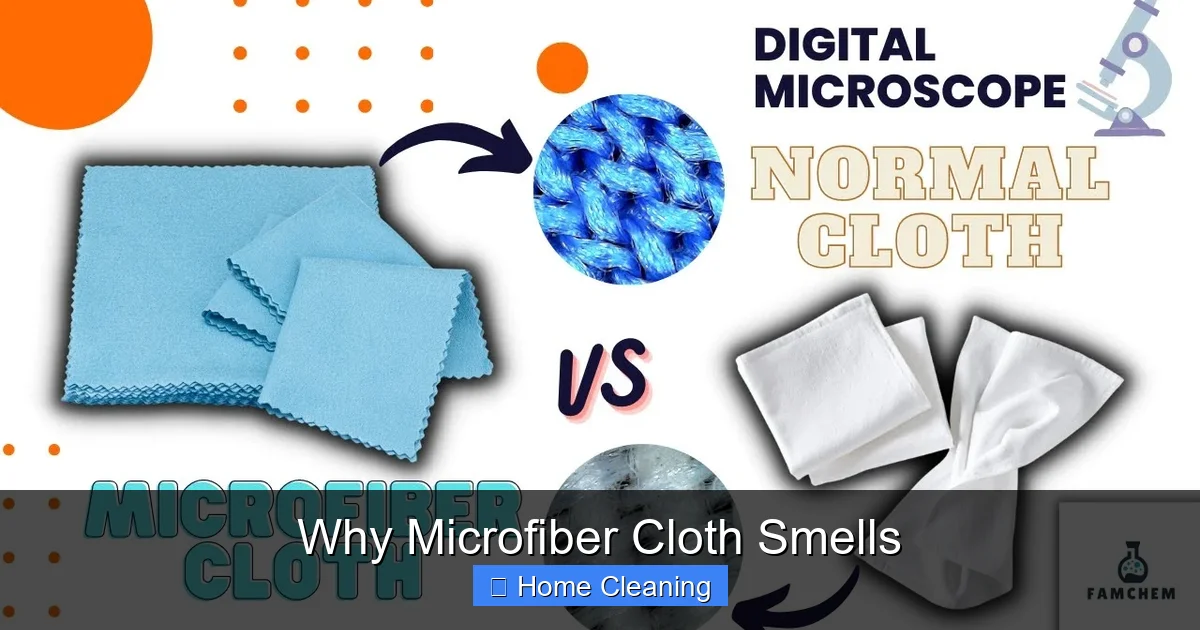
Microfiber is a synthetic fabric made from ultra-fine polyester and polyurethane fibers. These fibers are so small—typically less than 10 microns in diameter—that they’re invisible to the naked eye. This tiny size gives microfiber its incredible absorbent and trapping power. It can hold up to seven times its weight in water, making it ideal for cleaning windows, mirrors, countertops, and more.
But here’s the catch: because microfiber soaks up so much liquid, it also soaks up everything—including sweat, oils, cleaning solution residues, and even tiny food particles. If that liquid isn’t dried out properly, it becomes a breeding ground for bacteria, mold, and mildew.
Why Bacteria Love Microfiber
Bacteria thrive in warm, moist environments—exactly the conditions microfiber creates when left damp. Once bacteria start multiplying, they produce volatile organic compounds (VOCs), which are the main source of unpleasant odors. These compounds can smell sour, ammonia-like, or even rotten, depending on the type of bacteria and what they’ve been feeding on.
For example, if you use a microfiber cloth to clean up coffee spills or grease, organic matter from those spills can feed bacteria. If the cloth isn’t rinsed and dried quickly, those bacteria multiply and release smelly byproducts. The longer the cloth stays damp, the stronger the odor becomes.
Common Causes of Smelly Microfiber
Now that we understand the basics, let’s look at the most common reasons why microfiber cloths start to smell. Knowing the cause helps you target the problem effectively.

Visual guide about Why Microfiber Cloth Smells
Image source: clothdiapersforbeginners.com
1. Not Drying the Cloth Completely
This is the #1 cause of smelly microfiber. After cleaning, most people hang their cloths to dry—but if they’re still damp the next day, bacteria have already started growing.
Tip: Always squeeze out excess water after use and hang microfiber cloths in a well-ventilated area. A mesh drying rack works best—it allows air to circulate all around the fibers.
2. Using the Cloth for Multiple Tasks
It’s tempting to use one microfiber cloth for everything—windows, counters, mirrors, and even wiping hands. But when you use a cloth for multiple tasks, you’re mixing up different types of residues. For example, cleaning a greasy pan and then using the same cloth on a mirror can leave behind oils that attract bacteria and create odors.
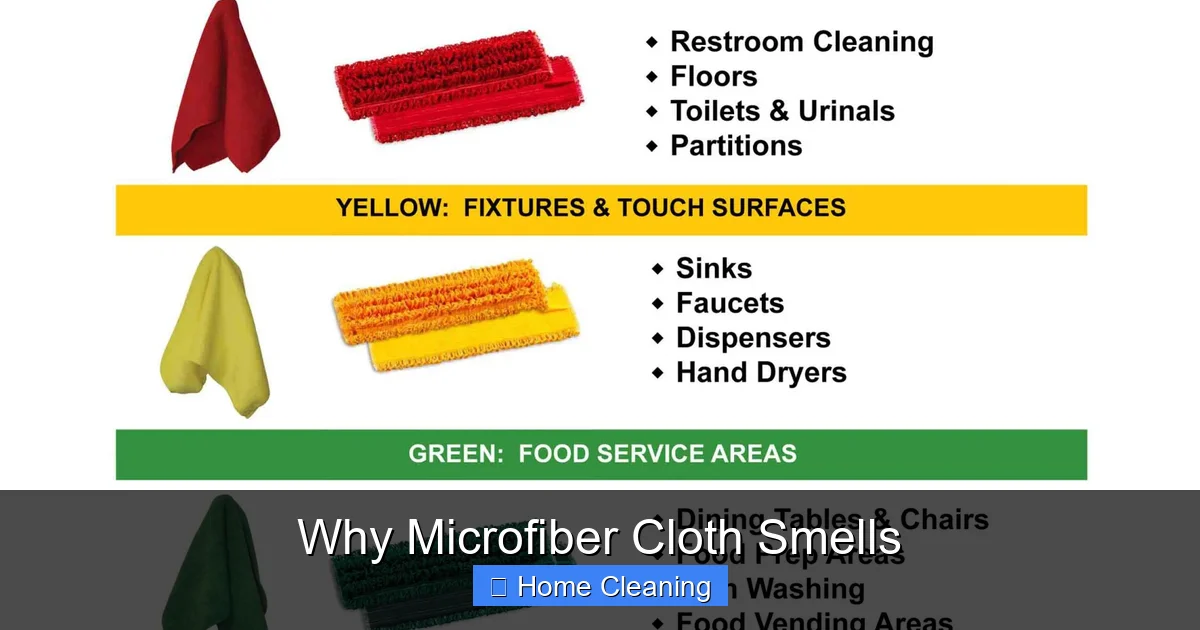
Tip: Designate separate cloths for different tasks. Use one for kitchen cleaning, another for bathrooms, and a third for dusting. This reduces cross-contamination and odor buildup.
3. Washing with Fabric Softener
Fabric softeners are great for keeping cotton sheets soft, but they’re terrible for microfiber. The chemicals in fabric softener coat the tiny microfiber strands, reducing their absorbency and trapping dirt and odors inside.
Tip: Never use fabric softener on microfiber. Instead, use a mild, dye-free detergent or a microfiber-specific cleaner.
4. Storing Cloths in Sealed Bags or Containers
After cleaning, many people toss their microfiber cloths into a drawer, laundry hamper, or sealed plastic bag. But if the cloths are still damp, this creates a closed, humid environment—perfect for mold and mildew.
Tip: Store microfiber cloths in open mesh bags or breathable cotton pouches. Avoid plastic bins unless they’re completely dry.
5. Not Washing Cloths Regularly
Microfiber cloths are designed to be reused, but they still need regular washing. If you use a cloth for a week without washing it, bacteria and residues build up to dangerous levels. Eventually, the cloth loses its effectiveness and starts smelling.
Tip: Wash microfiber cloths every 1–2 weeks, or more often if heavily used. Even if they look clean, they can still harbor bacteria.
6. Using Harsh Chemicals
Some cleaning products contain strong fragrances or preservatives that can linger on microfiber. Over time, these residues can attract bacteria and create a cycle of odor buildup.
Tip: Use pH-neutral cleaners and rinse microfiber cloths thoroughly after use to remove all traces of cleaning solution.
How to Get Rid of Smelly Microfiber
If your microfiber cloths are already smelling, don’t panic. There are several effective ways to revive them.
Visual guide about Why Microfiber Cloth Smells
Image source: i.ytimg.com
1. Wash with White Vinegar
White vinegar is a natural deodorizer and disinfectant. It kills bacteria and neutralizes odors without leaving a chemical smell.
How to use: Add ½ cup of white vinegar to the wash cycle with your microfiber cloths. Run a hot water rinse cycle afterward to remove any vinegar smell.
2. Use Baking Soda
Baking soda absorbs odors and breaks down organic residues. It’s especially effective for cloths that have been used on greasy or sweaty surfaces.
How to use: Add ½ cup of baking soda to the wash cycle. You can also sprinkle it directly on the cloth, let it sit for 15 minutes, then rinse and wash as usual.
3. Soak in Hot Water
Sometimes, a simple soak can revive a smelly cloth. Hot water helps dissolve trapped oils and kills bacteria.
How to use: Fill a basin with hot water and a few drops of mild detergent. Soak the cloth for 30 minutes, then wring it out and rinse thoroughly.
4. Avoid the Dryer
Heat can set in odors and damage microfiber over time. Always air-dry microfiber cloths in direct sunlight if possible—UV rays act as a natural disinfectant.
5. Replace When Necessary
Even with proper care, microfiber cloths wear out. If they’ve been used for over a year, have lost their absorbency, or can’t be deodorized, it’s time to replace them.
Preventing Future Odors
Prevention is always better than cleanup. Here’s how to keep your microfiber cloths smelling fresh.
1. Rinse Immediately After Use
After cleaning, rinse the cloth under warm water to remove loose dirt and residues. This reduces the chance of buildup.
2. Use a Drying Rack
A mesh drying rack allows air to flow freely, speeding up the drying process. Place cloths in a sunny spot for extra freshness.
3. Wash in Warm Water
Warm water (not hot) helps dissolve oils and kills bacteria. Use a gentle cycle and avoid bleach or harsh detergents.
4. Clean Your Washing Machine
Residue from previous washes can transfer to microfiber. Clean your washing machine monthly with vinegar or a cleaning tablet to prevent cross-contamination.
5. Rotate Your Cloths
Keep multiple cloths in rotation. This gives each cloth time to dry completely between uses and reduces wear.
When Smelly Microfiber Is a Health Concern
While most odors are just unpleasant, not dangerous, there are times when smelly microfiber could indicate a health risk.
Black Mold or Mildew
If your cloth smells musty and has a black or greenish discoloration, it may be covered in mold or mildew. These fungi release spores that can irritate the lungs and worsen allergies or asthma.
Action: Discard the cloth immediately and clean the area where it was stored. Wash your hands thoroughly.
Persistent Odor Despite Cleaning
If you’ve tried vinegar, baking soda, and hot water, but the cloth still smells, it may be too far gone. Microfiber can absorb odors deeply over time.
Action: Replace the cloth. Consider using odor-absorbing products like activated charcoal bags in your cleaning drawer to prevent future buildup.
Eco-Friendly and Cost-Effective Tips
Microfiber is reusable, so it’s already an eco-friendly choice. Here’s how to make the most of it.
Reuse Before Washing
You don’t need to wash microfiber after every single use. If it’s only lightly used, you can reuse it a few times before washing. Just rinse it and let it dry.
Repurpose Old Cloths
Even if a cloth is worn out, it can still be useful for dusting or wiping down appliances. When it’s truly beyond repair, cut it into small rags for polishing or cleaning baseboards.
Buy Quality Microfiber
Cheap microf fiber sheds fibers and loses effectiveness faster. Invest in high-quality cloths—they last longer and stay fresher.
Final Thoughts
Smelly microfiber isn’t a sign of failure—it’s a signal that your cleaning habits need a little tune-up. With the right care, your microfiber cloths can stay fresh, effective, and odor-free for months, even years.
Remember: the key is moisture control, regular cleaning, and smart storage. Avoid fabric softeners, dry cloths completely, and wash them before odors take hold. With these simple steps, you’ll never have to sniff a cleaning cloth again.
And if one cloth does develop a funky smell? Don’t toss it. Try vinegar, baking soda, or a hot soak. Often, it’s just a quick fix away from being restored.
Your home deserves clean, fresh-smelling surfaces—and so do your cleaning tools. By understanding why microfiber cloths smell and how to prevent it, you’re not just saving money on replacements; you’re creating a healthier, more pleasant living space.
Frequently Asked Questions
Why does my microfiber cloth smell after washing?
It could be due to fabric softener, mold from damp storage, or bacteria from organic residues. Always rinse thoroughly and avoid softeners.
Can vinegar damage microfiber?
No, white vinegar is safe for microfiber and helps kill bacteria. Just rinse well afterward to remove the vinegar smell.
How often should I wash microfiber cloths?
Every 1–2 weeks, or more frequently if used heavily. Even lightly used cloths should be washed periodically.
Can I use bleach on smelly microfiber?
No, bleach can damage microfiber fibers and reduce their effectiveness. Use vinegar or baking soda instead.
Why does my microfiber cloth smell worse after washing?
This can happen if residue from the wash (like softener or detergent) wasn’t rinsed out. Always use a rinse cycle or hand-rinse.
How can I store microfiber cloths to prevent smells?
Store them in a breathable mesh bag or open container, and ensure they’re completely dry before storing.