Why Microfiber Is Better Than Cotton
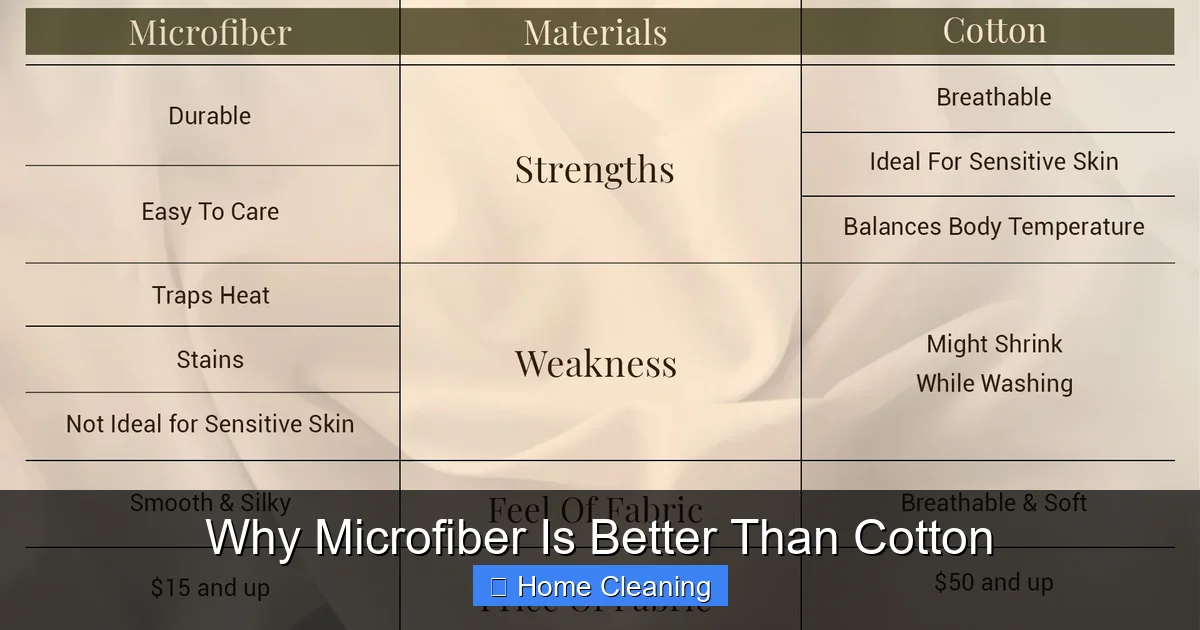
Microfiber outperforms cotton in every major cleaning category—it absorbs up to seven times its weight in liquid, resists bacteria growth, and lasts longer with less wear. For spotless, streak-free results and long-term savings, microfiber is the smart choice for every home.
Key Takeaways
- Superior Absorbency: Microfiber can absorb up to 7 times its weight in water, making it far more efficient than cotton for soaking up spills and messes.
- Longer Lifespan: With proper care, microfiber cloths can last over 500 wash cycles—significantly longer than cotton, which tends to fray and lose effectiveness faster.
- Streak-Free Cleaning: The fine fibers create static electricity that lifts dirt and dust, leaving surfaces spotless without needing extra sprays or chemicals.
- Eco-Friendly Choice: Microfiber reduces the need for paper towels and harsh chemicals, cutting down on waste and environmental impact.
- Versatile Applications: From glass to stainless steel to electronics, microfiber excels across multiple surfaces and cleaning tasks.
- Cost-Effective Over Time: Though slightly more expensive upfront, microfiber pays for itself through durability and reduced cleaning product use.
- Gentle on Surfaces: Unlike abrasive cotton, microfiber won’t scratch delicate finishes, making it ideal for fine furniture and screens.
📑 Table of Contents
- Why Microfiber Is Better Than Cotton
- The Science Behind Microfiber’s Superior Performance
- Durability and Longevity: Microfiber Outlasts Cotton
- Eco-Friendliness: Microfiber Reduces Waste
- Versatility: One Cloth for Every Job
- Proper Care: Maximizing Microfiber’s Lifespan
- Common Myths About Microfiber
- Final Thoughts: Why Microfiber Is the Better Choice
Why Microfiber Is Better Than Cotton
Let’s face it—cleaning the house is one of those chores that never really ends. Whether you’re wiping down the kitchen counter, mopping the floor, or polishing your favorite glassware, the tools you use make a big difference. For years, cotton cloths have been the go-to choice. But there’s a newer, smarter option gaining serious traction: microfiber. If you’ve ever wondered why so many professional cleaners and eco-conscious homeowners are making the switch, you’re in the right place. This article dives deep into why microfiber is better than cotton—and why it might just change the way you clean forever.
Microfiber isn’t just a buzzword; it’s a revolutionary material made from ultra-fine synthetic fibers, usually polyester and polyamide. These fibers are split into thousands of tiny filaments, giving them a surface area that’s exponentially larger than traditional cotton. That’s not just science jargon—it’s the secret behind microfiber’s incredible cleaning power. From absorbing spills to trapping dust, microfiber does more with less effort. And when you compare it to cotton, the differences are hard to ignore. So, if you’re tired of using multiple cloths, buying endless bottles of cleaner, or dealing with streaky messes, keep reading. We’re about to show you why microfiber is the future of home cleaning.
The Science Behind Microfiber’s Superior Performance
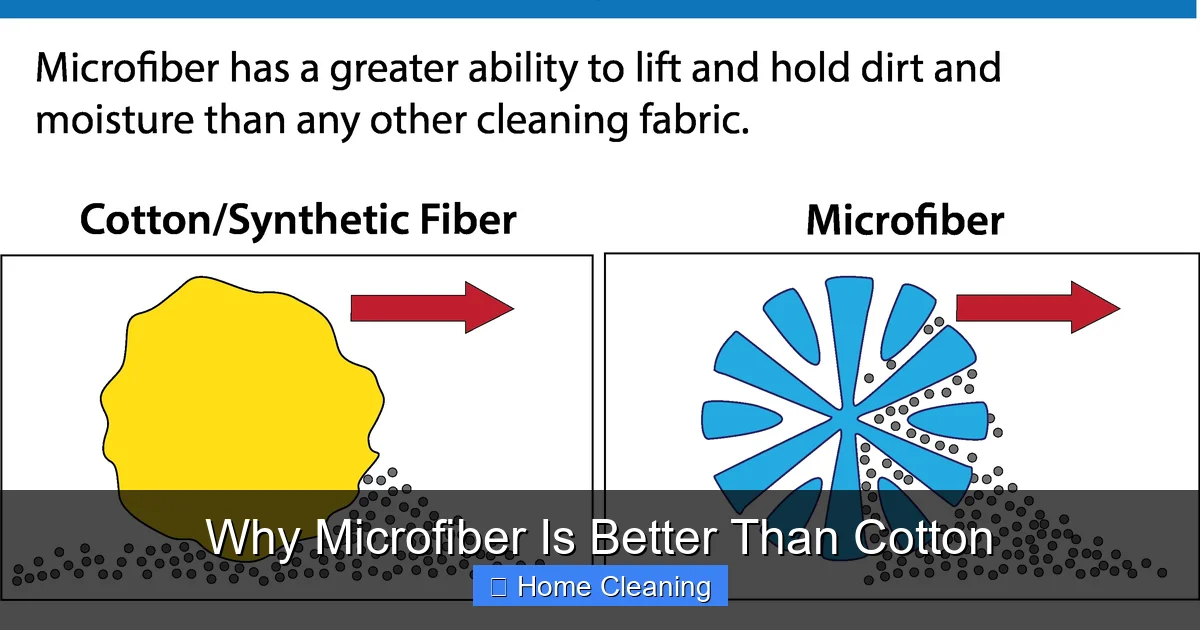
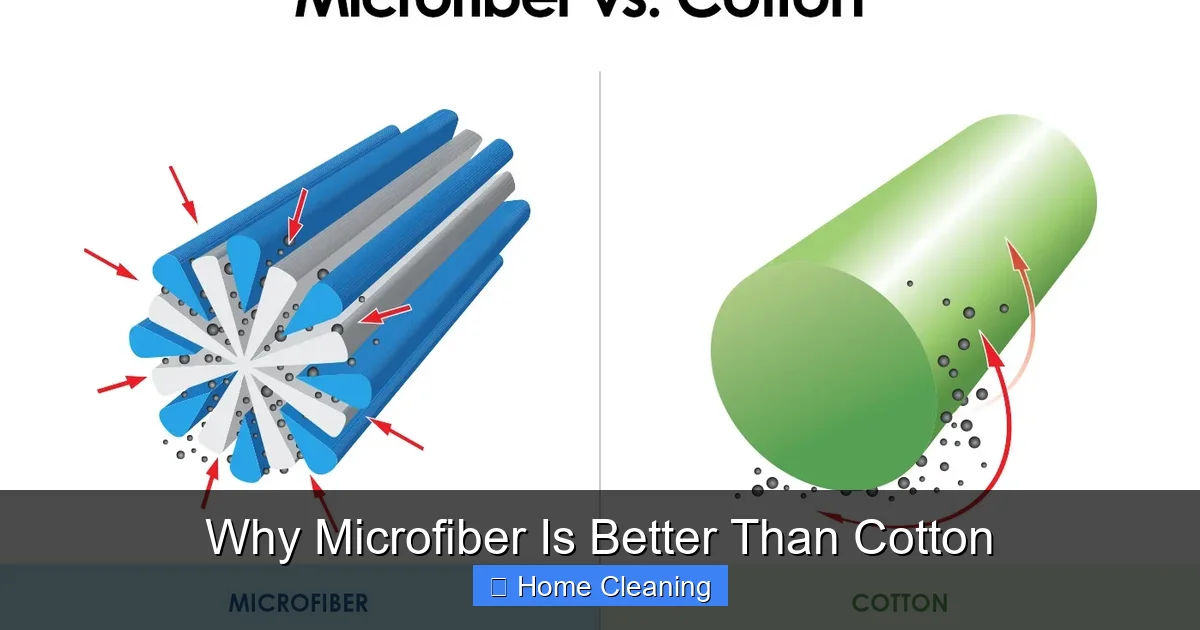
At its core, microfiber’s cleaning power comes down to physics. The fibers are so thin—often less than 10 microns in diameter—that they create a large surface area relative to their size. This means more contact points with dirt, dust, and moisture. But that’s only part of the story. Microfiber also generates static electricity when rubbed against a surface, which helps lift and trap microscopic particles that cotton simply can’t reach.
Visual guide about Why Microfiber Is Better Than Cotton
Image source: blog.tornadovac.com
The Fiber Structure Advantage
Unlike cotton, which is made from natural plant fibers, microfiber is engineered. Each strand is split into multiple sub-filaments during manufacturing. This creates a cloth that feels almost velvety to the touch but functions like a magnet for dirt. When you use a microfiber cloth on a dusty window, for example, the static charge pulls in tiny specks of dust that cotton would just smear across the glass.
Another key factor is the material composition. Most microfiber blends use polyester and polyamide (a type of nylon). These synthetic materials are hydrophobic—meaning they repel water—but still absorb liquids efficiently. This dual action makes microfiber ideal for both dry dusting and wet mopping without needing to switch tools.
How Absorbency Compares
Here’s where microfiber really pulls ahead. A single microfiber cloth can absorb up to seven times its weight in water. Compare that to cotton, which typically absorbs about 2.5 times its weight. That means one microfiber cloth can do the job of several cotton rags. For example, if you’re cleaning up a kitchen spill, a microfiber cloth will soak it up quickly and leave the surface dry—no dripping, no re-wiping needed.
This high absorbency also reduces cross-contamination. With cotton, you often end up spreading germs around as you wipe. Microfiber, on the other hand, traps bacteria and allergens inside the fibers, especially when damp. That’s why hospitals and labs rely on microfiber for sterile environments.
Durability and Longevity: Microfiber Outlasts Cotton
One of the biggest complaints about cotton cloths is that they wear out fast. After just a few uses, they start to fray, lose their absorbency, and leave lint everywhere. Microfiber, by contrast, is built to last. With proper care, a high-quality microfiber cloth can withstand over 500 wash cycles—that’s years of regular use.
Visual guide about Why Microfiber Is Better Than Cotton
Image source: cdnimg.webstaurantstore.com
Resistance to Wear and Tear
Synthetic fibers like polyester and polyamide are stronger than cotton at the molecular level. They don’t break down as easily when exposed to friction, heat, or detergent. Even after repeated washing, microfiber retains its structure and cleaning efficiency. Cotton, meanwhile, tends to pill and thin out, reducing its effectiveness over time.
Another advantage is that microfiber doesn’t require harsh scrubbing. Because it lifts dirt rather than smearing it, you don’t need to press hard—meaning less strain on the cloth. This gentle action also helps prevent damage to delicate surfaces like wood, marble, or smartphone screens.
Cost Per Use: A Smarter Investment
Yes, microfiber cloths are usually more expensive upfront. But when you calculate the cost per use, they come out ahead. A single microfiber cloth can replace dozens of cotton rags. Plus, you’ll use less cleaning solution because microfiber works more efficiently. Over time, that adds up to real savings—and less waste.
For families or busy households, this means fewer trips to the store for cleaning supplies. It’s also better for the planet. Fewer paper towels and plastic spray bottles mean less landfill waste and lower carbon emissions from production and transportation.
Eco-Friendliness: Microfiber Reduces Waste
If you care about the environment, microfiber is a game-changer. Cotton farming uses a lot of water, pesticides, and land. In fact, it takes about 20,000 liters of water to produce just one kilogram of cotton—enough for a single t-shirt and two pairs of jeans. And when cotton cloths wear out, they often end up in landfills, where they take years to decompose.
Visual guide about Why Microfiber Is Better Than Cotton
Image source: perryop.files.wordpress.com
Reusability and Longevity
Microfiber cloths are washable and reusable. A single cloth can last for months or even years with proper care. That means no more buying disposable wipes or single-use rags. Just toss it in the wash, hang it to dry, and it’s ready for the next cleaning task.
Additionally, because microfiber requires less cleaning product, you’re using fewer chemicals. Many conventional cleaners contain ammonia, chlorine, or phthalates—ingredients linked to respiratory issues and environmental harm. With microfiber, you can clean effectively with just water or a mild, eco-friendly spray.
Reducing Plastic Pollution
Disposable cleaning products come in plastic bottles and packaging. Over time, that adds up to millions of tons of plastic waste. Microfiber helps cut that down significantly. Instead of buying a new bottle every week, you use one cloth over and over again. It’s a small change, but it makes a big difference when adopted widely.
And let’s not forget microfiber’s role in reducing paper towel use. The average American uses about 400 pounds of paper towels per year. That’s equivalent to cutting down 12 trees annually. Switching to microfiber means fewer trees harvested, less water used in paper production, and less energy consumed in manufacturing.
Versatility: One Cloth for Every Job
One of the most underrated benefits of microfiber is its versatility. Unlike cotton, which works best for certain tasks, microfiber adapts to almost any cleaning need. Whether you’re dusting, mopping, polishing, or sanitizing, there’s a microfiber cloth for the job.
Dusting and Dry Cleaning
Microfiber excels at dry dusting. Its static charge grabs onto dust particles that cotton misses. Use a dry microfiber cloth on TV screens, computer monitors, or wooden furniture—no chemicals needed. The dust lifts away easily, leaving a streak-free finish.
Wet Mopping and Spill Control
For wet tasks, microfiber soaks up liquids quickly and dries surfaces fast. It’s perfect for mopping floors, wiping counters, or cleaning up pet accidents. Because it doesn’t drip, you avoid making a mess as you clean.
Glass and Mirror Cleaning
Streak-free glass cleaning is microfiber’s superpower. The fine fibers spread cleaning solution evenly without leaving residue. No more cloudy streaks or smudges—just crystal-clear windows and mirrors.
Stainless Steel and Polished Surfaces
Microfiber gently polishes without scratching. Use it on kitchen appliances, sinks, or silverware. Unlike abrasive cotton, it won’t leave micro-scratches that dull the finish over time.
Electronics and Sensitive Surfaces
Smartphones, tablets, and cameras are fragile. Cotton can leave lint or static that interferes with touchscreens. Microfiber is safe, lint-free, and effective. Just dampen it slightly and wipe gently.
Proper Care: Maximizing Microfiber’s Lifespan
To get the most out of your microfiber cloths, it’s important to care for them properly. Many people wash them like regular towels, but that can reduce their effectiveness. Here’s how to keep your microfiber in top shape.
Washing Tips
Always wash microfiber separately from other fabrics, especially cotton. Cotton lint can stick to microfiber and reduce its absorbency. Use cold or warm water—hot water can damage the fibers. Avoid fabric softeners and dryer sheets, which coat the fibers and reduce their cleaning power.
Drying and Storage
Tumble dry on low heat or air dry. High heat can melt or shrink the fibers. Once dry, store in a clean, dry place. Avoid folding tightly—this can crush the fibers and reduce their effectiveness.
When to Replace
Even with good care, microfiber loses efficiency over time. If your cloth no longer absorbs well or starts to fray, it’s time to replace it. Don’t wait until it’s completely worn out—replace it when performance drops.
Common Myths About Microfiber
Despite its many benefits, there are still some misconceptions about microfiber. Let’s clear them up.
Myth: Microfiber Is Just a Trend
Fact: Microfiber has been used in industrial and medical cleaning for decades. Its effectiveness is backed by science and real-world use. It’s not a fad—it’s a proven solution.
Myth: It’s Only for Professional Cleaners
Fact: While professionals love microfiber, it’s just as effective for home use. With the right tools, anyone can get spotless results.
Myth: You Can’t Clean with Just Water
Fact: Many tasks—like dusting or cleaning glass—require only water. Microfiber’s static and absorbency make it powerful without chemicals.
Final Thoughts: Why Microfiber Is the Better Choice
When you compare microfiber to cotton, the advantages are clear. It’s more absorbent, more durable, more versatile, and more eco-friendly. It saves time, money, and effort. And it delivers better results—every time.
Whether you’re cleaning your kitchen, bathroom, or electronics, microfiber is the smarter choice. It’s not just about doing a better job—it’s about doing it in a way that’s kinder to your home, your health, and the planet.
So the next time you reach for a cotton rag, pause and consider microfiber. You might be surprised how much easier—and cleaner—life can be.
Frequently Asked Questions
Is microfiber really better than cotton for cleaning?
Yes, microfiber outperforms cotton in absorbency, durability, and cleaning efficiency. It can absorb up to seven times its weight in liquid and lasts over 500 washes, making it a superior choice for home cleaning.
Can I use microfiber on delicate surfaces like screens or wood?
Absolutely. Microfiber is gentle and won’t scratch delicate finishes. Its fine fibers lift dirt without abrasion, making it safe for electronics, glass, and polished furniture.
How do I wash microfiber cloths without losing their effectiveness?
Wash microfiber separately from cotton, use cold or warm water, and avoid fabric softeners. Tumble dry on low or air dry. Never use bleach or high heat.
Do microfiber cloths really last longer than cotton?
Yes. With proper care, microfiber cloths can last over 500 wash cycles, while cotton tends to fray and lose absorbency after just a few uses.
Can I clean with just water using microfiber?
Yes. Microfiber’s static electricity and fine fibers allow it to lift dust and dirt effectively using only water—no harsh chemicals needed.
Are microfiber cloths environmentally friendly?
Yes. Microfiber reduces the need for disposable paper towels and chemical cleaners, cutting down on waste and pollution over time.