Why Use a Microfiber Cloth
Microfiber cloths are revolutionizing home cleaning. These tiny, ultra-fine fibers grab dirt, dust, and bacteria better than cotton and leave surfaces streak-free. Whether you’re cleaning windows, countertops, or electronics, microfiber delivers superior performance with less effort.
Key Takeaways
- Superior Cleaning Power: Microfiber’s split fibers create a static charge that traps dust, grease, and allergens more effectively than cotton.
- Gentle on Surfaces: Unlike abrasive materials, microfiber won’t scratch glass, stainless steel, or delicate finishes when used properly.
- Reusable & Eco-Friendly: One microfiber cloth can replace dozens of paper towels, reducing waste and saving money over time.
- Absorbs More Liquid: Microfiber can hold up to seven times its weight in water, making it ideal for spills and deep cleaning.
- Electrostatic Action: The tiny fibers generate an electrostatic charge that attracts and holds particles, even without cleaning agents.
- Versatile Uses: From kitchens to electronics, microfiber works on almost any surface—glass, wood, tile, and more.
- Easy to Clean: Most microfiber cloths can be washed and reused hundreds of times without losing effectiveness.
📑 Table of Contents
- Why Use a Microfiber Cloth?
- The Science Behind Microfiber
- Why Microfiber Beats Traditional Cleaning Cloths
- Microfiber for Every Room in the House
- How to Use Microfiber Cloths Effectively
- Microfiber vs. Other Cleaning Materials
- The Environmental and Health Benefits
- Common Misconceptions About Microfiber
- Tips for Maximizing Microfiber Performance
- Conclusion: The Future of Cleaning Is Micro
Why Use a Microfiber Cloth?
If you’ve ever reached for a clean cotton rag to wipe down your coffee table or tried to clean a streak-free window with a regular towel, you’ve likely felt the frustration. Damp spots, lint, and stubborn streaks are all too familiar. But what if there was a simple, affordable solution that made cleaning faster, more effective, and actually enjoyable? Enter the microfiber cloth—a tiny, fabric marvel that’s quietly taking over kitchens, bathrooms, and garages worldwide.
Microfiber isn’t just another cleaning trend. It’s backed by science. The fabric is made from ultra-fine synthetic fibers—typically polyester and polyamide—woven so tightly they create a surface area hundreds of times greater than traditional cloths. This gives microfiber cloths incredible cleaning power with minimal effort. Whether you’re tackling grease on a stovetop, dusting delicate electronics, or polishing glass, microfiber does the heavy lifting without harsh chemicals or excessive scrubbing.
In this article, we’ll explore why microfiber cloths are becoming the go-to tool for homeowners, professional cleaners, and eco-conscious consumers alike. From their superior cleaning performance to their environmental benefits, you’ll discover why switching to microfiber might be the best cleaning decision you’ve ever made.
The Science Behind Microfiber
How Microfiber Works Its Magic
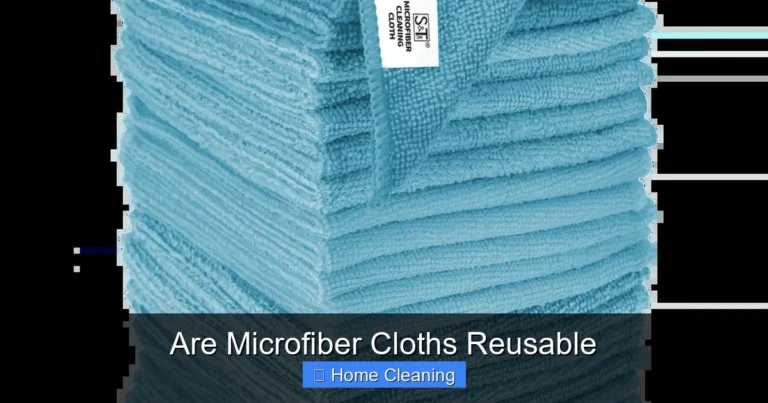
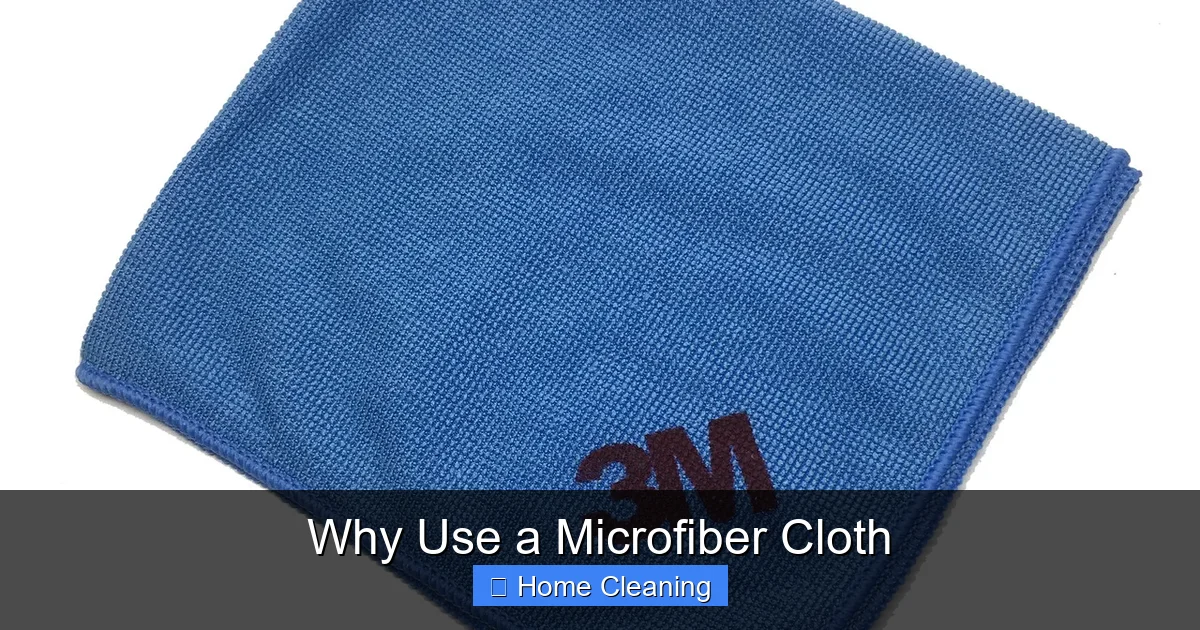
At first glance, microfiber cloths look like ordinary cloths—but that’s where the similarities end. Unlike cotton or paper towels, microfiber is engineered at the molecular level. The fibers are split into multiple strands during manufacturing, creating thousands of tiny edges and points that act like microscopic hooks.
Visual guide about Why Use a Microfiber Cloth
Image source: cdn11.bigcommerce.com
These split fibers increase the surface area dramatically. A single microfiber strand can have up to 100 times more surface area than a cotton fiber. This means that when you wipe a surface, microfiber doesn’t just push dirt around—it traps it. The fibers physically grab onto particles, holding them until you rinse or wash the cloth.
Electrostatic Attraction
But the real magic happens with static electricity. When you rub a microfiber cloth on a surface, the friction creates an electrostatic charge. This invisible force attracts dust, hair, and other lightweight particles—even in the absence of water or soap.
This is why dry microfiber cloths are so effective for dusting. They don’t just move dirt around; they pull it in. That’s why you’ll often see microfiber used in air purifiers and vacuum cleaners—it’s not just for cleaning surfaces.
Absorption vs. Repellence
Microfiber has a unique dual-layer structure: one side is absorbent, while the other is designed to repel liquids and oils. This makes it perfect for cleaning up spills—water and grease bead up and roll off, while the microfiber pulls moisture into its fibers.
In fact, microfiber can absorb up to 7 times its weight in water. That means a small 12×12 inch cloth can soak up a full cup of liquid without dripping. Compare that to a cotton towel, which might only hold a few tablespoons before becoming soggy and heavy.
Why Microfiber Beats Traditional Cleaning Cloths
1. Less Effort, Better Results
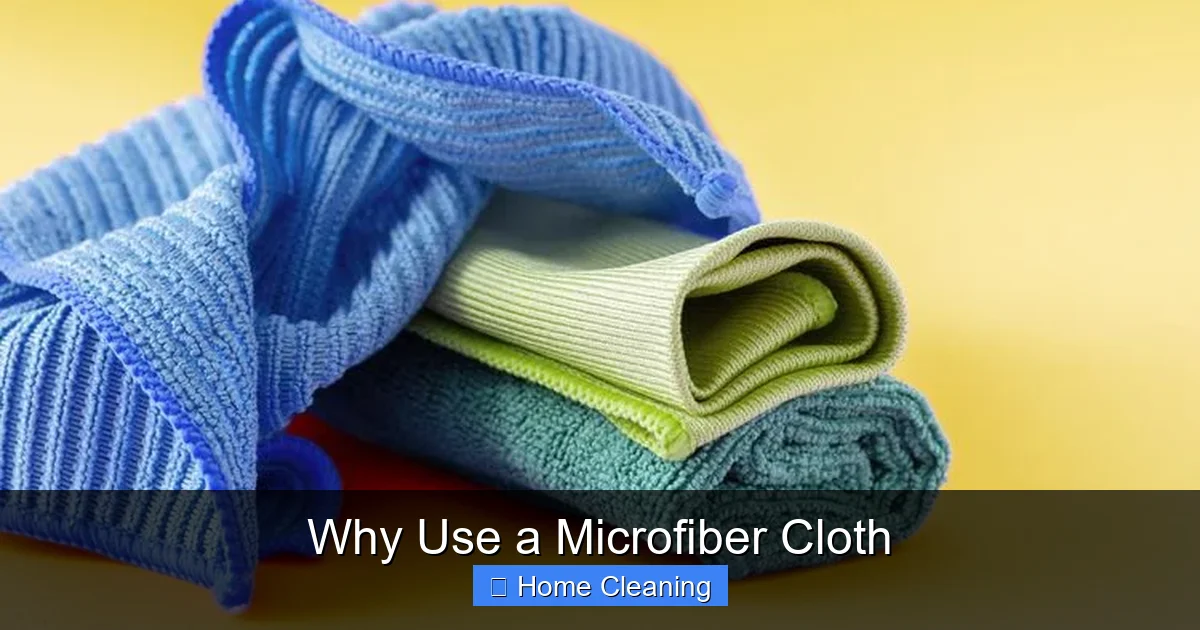
One of the biggest advantages of microfiber is how little effort it takes to get a spotless finish. Because the fibers grab dirt so effectively, you rarely need to scrub hard or use extra cleaning products.
Visual guide about Why Use a Microfiber Cloth
Image source: realsimple.com
For example, try cleaning a greasy stovetop with a microfiber cloth and just a few drops of dish soap. In most cases, a quick wipe will lift away years of built-up grime. With cotton rags, you’d need to scrub, re-wet, and often re-wipe multiple times—and still end up with streaks.
2. No Lint, No Streaks
Have you ever noticed tiny fibers left behind on your glasses after cleaning? That’s lint—and it’s a major problem with cotton towels and paper towels. Microfiber, on the other hand, is so fine that it doesn’t shed fibers. This means streak-free windows, spotless mirrors, and clean computer screens.
Electronics like smartphones, tablets, and TVs are especially sensitive to lint. A microfiber cloth is the safest choice for wiping down screens without risking scratches or residue.
3. Longer Lifespan
While a roll of paper towels might cost $2, a high-quality microfiber cloth can last for months—or even years—with proper care. Most microfiber cloths are designed to be washed hundreds of times without losing their cleaning power.
Compare that to disposable wipes or cotton rags, which you’ll need to replace constantly. Over time, microfiber pays for itself and then some.
4. Works with Less Cleaner
Because microfiber is so efficient at trapping dirt and bacteria, you don’t need to use as much cleaning solution. A little goes a long way. This is not only cost-effective but also reduces the amount of chemical residue left on surfaces.
For eco-conscious households, this means fewer harsh chemicals in your home and less runoff into the environment.
Microfiber for Every Room in the House
The Kitchen: A Microfiber Haven
The kitchen is one of the dirtiest and most frequently cleaned areas in the home. From greasy stovetops to sticky countertops, microfiber is a kitchen essential.
Visual guide about Why Use a Microfiber Cloth
Image source: sparklingpenny.com
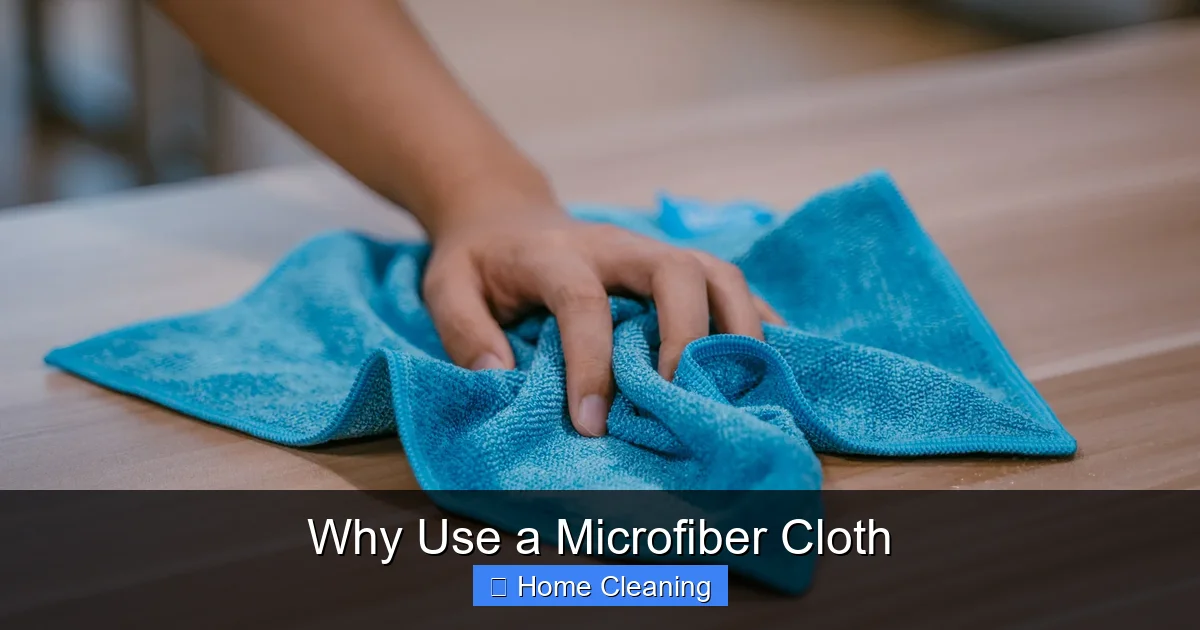
Use a microfiber cloth to wipe down appliances, clean splatters on the microwave, and polish stainless steel sinks. Because microfiber doesn’t scratch, you can even use it on delicate surfaces like glass cooktops without worry.
For cleaning up spills, microfiber absorbs liquids quickly and leaves no residue. And because it repels oils, you can clean cooking surfaces without leaving a greasy film.
The Bathroom: Sparkling Without Scrubbing
Bathrooms require frequent cleaning—especially around sinks, showers, and toilets. Microfiber makes this easier and more effective.
Use a microfiber cloth to wipe down shower doors and tiles, removing soap scum and hard water stains with minimal effort. Because microfiber doesn’t scratch glass, it’s ideal for bathroom mirrors and fixtures.
For toilets and sinks, microfiber picks up bacteria and grime more effectively than cotton. And because it dries quickly, you’re less likely to leave behind moisture that encourages mold and mildew.
The Living Room: Dusting and Polishing
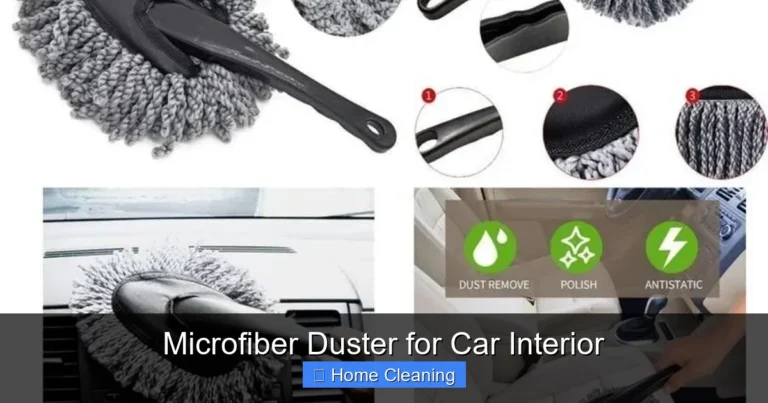
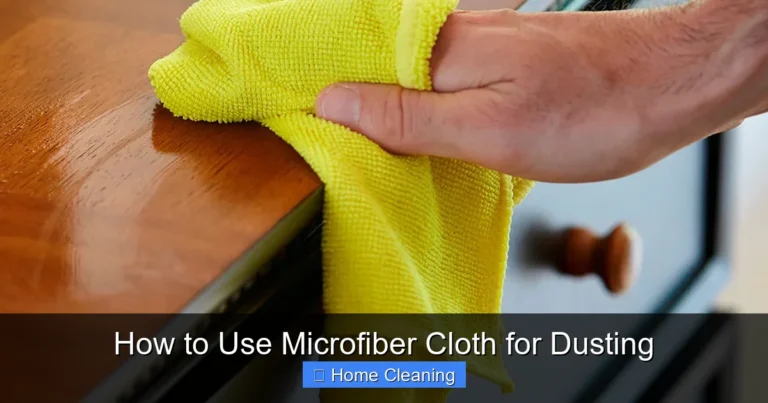
Dusting furniture, TV screens, and electronics is where microfiber truly shines. A dry microfiber cloth can remove dust from wooden surfaces, glass tabletops, and even delicate electronics without scratching or leaving streaks.
Unlike feather dusters, which just move dust around, microfiber traps it. And unlike cotton cloths, it won’t shed fibers onto your furniture.
The Garage and Workspace: Tough on Grime
Garages and workshops are full of oil, grease, and heavy dirt. Microfiber is tough enough to handle it—but gentle enough not to damage tools or surfaces.
Use a damp microfiber cloth to clean car parts, workbenches, and power tools. The cloth’s ability to absorb oils makes it perfect for wiping away stubborn grease.
And because microfiber doesn’t scratch metal, it’s safe for use on tools and machinery without risking damage.
How to Use Microfiber Cloths Effectively
Choose the Right Cloth
Not all microfiber cloths are created equal. Look for high-quality cloths made from 100% polyester and polyamide fibers. Lower-quality cloths may shed fibers or lose their cleaning power after just a few uses.
Different colors serve different purposes. For example, blue microfiber is often used for general cleaning, while green is better for scrubbing, and yellow is ideal for polishing.
Wet or Dry?
Microfiber works both wet and dry, but the method depends on the task.
For dusting and dry wiping, use a dry cloth. The electrostatic charge will attract dust and debris.
For greasy or sticky surfaces, dampen the cloth with water or a small amount of cleaner. Avoid soaking it—too much water can reduce the cloth’s effectiveness.
Fold and Use Multiple Sections
To avoid spreading dirt around, fold your microfiber cloth into quarters and use a clean section for each wipe. This extends the life of the cloth and prevents cross-contamination.
For example, use one section to clean a countertop, then rotate to a clean side for drying. This simple habit makes a big difference in cleaning efficiency.
Washing and Care Tips
To keep your microfiber cloths working at their best, wash them regularly—ideally after every 3–5 uses.
Use warm water and mild detergent. Avoid fabric softeners or bleach, as they can clog the fibers and reduce absorption.
Air dry or tumble dry on low heat. High heat can damage the fibers over time.
Never use fabric softener sheets—they leave a residue that prevents microfiber from absorbing properly.
Microfiber vs. Other Cleaning Materials
Microfiber vs. Cotton
Cotton cloths are soft and absorbent, but they’re also porous and prone to shedding fibers. Over time, cotton can harbor bacteria and lose its ability to absorb liquids.
Microfiber, by contrast, is non-porous and antimicrobial. It doesn’t absorb bacteria into the fibers—it traps them on the surface, where they can be washed away.
Microfiber vs. Paper Towels
Paper towels are convenient but wasteful. A single spill might require 3–5 sheets, and they can’t be reused.
Microfiber cloths are reusable, cost-effective, and more efficient. One cloth can replace dozens of paper towels over its lifetime.
Microfiber vs. Sponges
Sponges are great for scrubbing, but they’re also breeding grounds for bacteria. They absorb liquids and hold onto dirt, making them hard to clean.
Microfiber is easier to sanitize and doesn’t retain odors or bacteria like sponges do.
Microfiber vs. Disposable Wipes
Disposable wipes often contain harsh chemicals and plastic fibers that can’t be recycled. They also contribute to landfill waste.
Microfiber is reusable, chemical-free (when used with water), and eco-friendly.
The Environmental and Health Benefits
Reduced Chemical Use
Because microfiber is so effective at cleaning, you don’t need to rely on strong chemical cleaners. This reduces the amount of toxic substances released into your home and the environment.
For families with children or pets, this means a safer living space—free from harsh fumes and residues.
Less Waste
Switching to microfiber means saying goodbye to paper towels, disposable wipes, and single-use cleaning rags. One microfiber cloth can replace hundreds of disposable products.
This reduces landfill waste and your household’s carbon footprint.
Improved Indoor Air Quality
Traditional cleaning methods often stir up dust and allergens. Microfiber, especially when used dry, traps particles instead of spreading them into the air.
This makes it a great choice for people with allergies or asthma.
Antimicrobial Properties
Some microfiber cloths are treated with antimicrobial agents that inhibit the growth of bacteria, mold, and mildew. Even untreated microfiber has natural antimicrobial properties due to its non-porous structure.
This means your cleaning cloths stay cleaner longer and help maintain a healthier home environment.
Common Misconceptions About Microfiber
Myth: Microfiber Only Works When Wet
False. Dry microfiber cloths are incredibly effective at picking up dust and debris. The electrostatic charge allows them to attract particles without any liquid at all.
Myth: Microfiber Cloths Are Expensive
While high-quality microfiber can cost more upfront, they’re far more cost-effective in the long run. A single cloth can last for months, saving you money on paper towels and cleaning supplies.
Myth: You Can’t Wash Microfiber
You can—and should—wash microfiber regularly. Just avoid fabric softeners and high heat. With proper care, microfiber cloths can last for hundreds of washes.
Myth: Microfiber Scratches Surfaces
Only if it’s dirty or used incorrectly. A clean microfiber cloth is gentle on glass, stainless steel, and most finishes. The key is to use a clean section for each wipe and avoid abrasive scrubbing.
Tips for Maximizing Microfiber Performance
- Use separate cloths for different tasks: Keep one for dusting, one for glass, and one for cleaning spills to prevent cross-contamination.
- Store cloths properly: Keep them in a clean, dry place to prevent mold and mildew.
- Replace when needed: Even with care, microfiber cloths will eventually wear out. Replace them when they start to fray or lose absorption.
- Use with water only when possible: Many cleaning tasks don’t require chemicals. Water and microfiber are often all you need.
- Train family members: Teach everyone in the household how to use and care for microfiber cloths to get the best results.
Conclusion: The Future of Cleaning Is Micro
Microfiber cloths aren’t just a cleaning tool—they’re a smarter, cleaner, and more sustainable way to maintain your home. With their unmatched ability to trap dirt, absorb liquids, and resist bacteria, they outperform traditional cleaning materials in every way.
Whether you’re a busy parent, a clean freak, or someone who just wants a cleaner home with less effort, microfiber delivers. It’s gentle on surfaces, tough on grime, and kind to the planet.
So the next time you reach for a paper towel or a cotton rag, pause and consider microfiber. You might just discover the easiest, most effective cleaning solution you’ve ever used.
Frequently Asked Questions
How do microfiber cloths work so well?
Microfiber cloths are made of ultra-fine synthetic fibers that create a large surface area and generate an electrostatic charge. This allows them to trap dust, dirt, and moisture more effectively than traditional cloths, even without chemicals.
Can microfiber cloths be washed and reused?
Yes, most microfiber cloths can be washed hundreds of times with mild detergent and water. Avoid fabric softeners and high heat, which can damage the fibers and reduce their effectiveness.
Are microfiber cloths safe for electronics?
Absolutely. Microfiber is lint-free and non-abrasive, making it ideal for cleaning screens on phones, tablets, computers, and TVs without scratching or leaving streaks.
Do microfiber cloths need to be wet to work?
No. Dry microfiber cloths are excellent for dusting and picking up light debris due to their electrostatic charge. They work best when dampened for greasy or sticky surfaces.
Can microfiber cloths replace paper towels?
Yes, in most cases. One microfiber cloth can replace dozens of paper towels for cleaning spills, wiping surfaces, and polishing. They’re more efficient and reusable.
How often should I wash my microfiber cloths?
Wash microfiber cloths after every 3–5 uses, depending on how dirty they get. Regular washing prevents bacteria buildup and maintains their cleaning power.