Will Any Smart Bulb Work with Alexa
Not every smart bulb works with Alexa—but many do! The good news is that if a bulb uses Wi-Fi or Zigbee and is certified for Alexa, you can control it with your voice. Before buying, always check for Alexa compatibility to avoid frustration. This guide breaks down what to look for, how to set it up, and answers to your top questions.
Key Takeaways
- Understanding Will Any Smart Bulb Work With Alexa: Provides essential knowledge
📑 Table of Contents
- Will Any Smart Bulb Work with Alexa?
- Understanding Alexa Compatibility
- Types of Smart Bulbs That Work with Alexa
- How to Set Up Your Alexa-Compatible Smart Bulb
- Common Issues and How to Fix Them
- Advanced Alexa Features for Smart Bulbs
- Future-Proofing Your Smart Lighting
- Conclusion: Not All Bulbs Are Created Equal
Will Any Smart Bulb Work with Alexa?
You’ve probably seen those colorful, app-controlled smart bulbs lighting up social media—and maybe you’re wondering, “Can I just plug one into my lamp and start talking to Alexa?” The short answer is: not every smart bulb will work with Alexa, but plenty do. It all comes down to compatibility, connectivity, and how the bulb talks to your smart home system. In this guide, we’ll walk you through everything you need to know—from what to look for when shopping to how to set up your first Alexa-compatible bulb. Whether you’re a tech newbie or a smart home enthusiast, you’ll walk away with clear answers and practical tips.
Alexa, the voice assistant from Amazon, is one of the most popular platforms for controlling smart home devices. But just because a bulb is “smart” doesn’t mean it plays nice with Alexa. Many budget bulbs use proprietary apps or outdated protocols that don’t integrate smoothly. That’s why it’s crucial to check for official Alexa certification before you buy. In this article, we’ll explain the difference between Wi-Fi and Zigbee bulbs, show you how to set up your first bulb, and answer your burning questions—like whether you need a hub or how to fix connection issues. Let’s dive in.
Understanding Alexa Compatibility
Before you run to the store or click “add to cart,” let’s talk about what makes a smart bulb truly Alexa-ready. Alexa doesn’t speak directly to every smart bulb—it uses a standardized communication protocol called voice control through the Alexa app. That means the bulb must either support Alexa natively or be certified through Amazon’s Works with Alexa program.
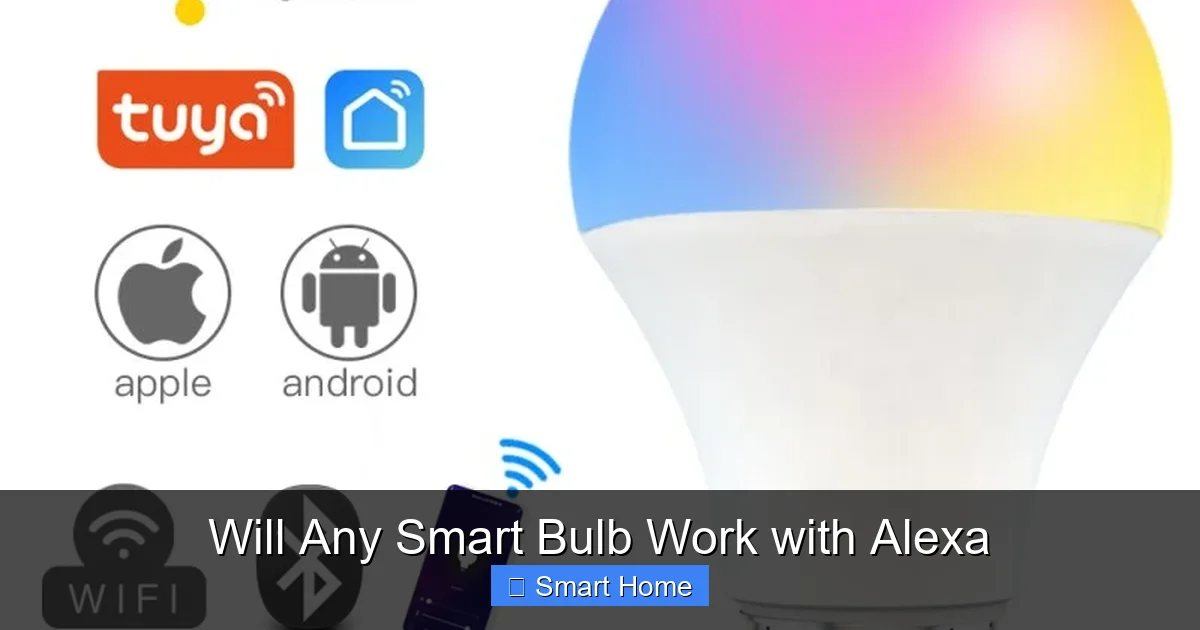
Visual guide about Will Any Smart Bulb Work with Alexa
Image source: images.nexusapp.co
What Does “Works with Alexa” Mean?
The Works with Alexa label is your golden ticket. It means the manufacturer has tested and certified their device to work reliably with Alexa. You’ll often see this logo on packaging, product listings, or the manufacturer’s website. It’s a promise that you can say, “Alexa, turn on the kitchen light,” and your bulb will respond—no hacks, no workarounds, just smooth voice control.
Not all smart bulbs have this certification. Some use their own app and expect you to control them through that—no Alexa support. Others rely on Bluetooth or infrared, which Alexa can’t access. So always look for that “Works with Alexa” badge—it’s your best guide.
How Alexa Communicates with Smart Bulbs
Alexa doesn’t connect directly to your light bulb. Instead, it talks to the bulb through your Wi-Fi router or a smart hub. There are two main ways this happens:
- Wi-Fi Bulbs: These connect directly to your home network. When you say, “Alexa, turn on the bedroom light,” your router sends the command to the bulb. Examples include Philips Hue White and Color Ambiance and LIFX Mini Day & Dusk.
- Zigbee Bulbs: These use a low-power wireless protocol called Zigbee. They don’t connect to Wi-Fi directly—they talk to a Zigbee hub, like the Amazon Echo Plus or Philips Hue Bridge. The hub then relays the command to Alexa. This is common with brands like Philips Hue and IKEA TRÅDFRI.
Both methods work great, but they have different pros and cons. Wi-Fi bulbs are easier to set up (no hub needed), while Zigbee bulbs use less data and offer more reliable connectivity over time.
Types of Smart Bulbs That Work with Alexa
Now that you know how Alexa connects to bulbs, let’s look at the actual products. Not all smart bulbs are created equal—some are better for beginners, others for advanced users. Here’s a breakdown of the most reliable Alexa-compatible bulbs across different categories.
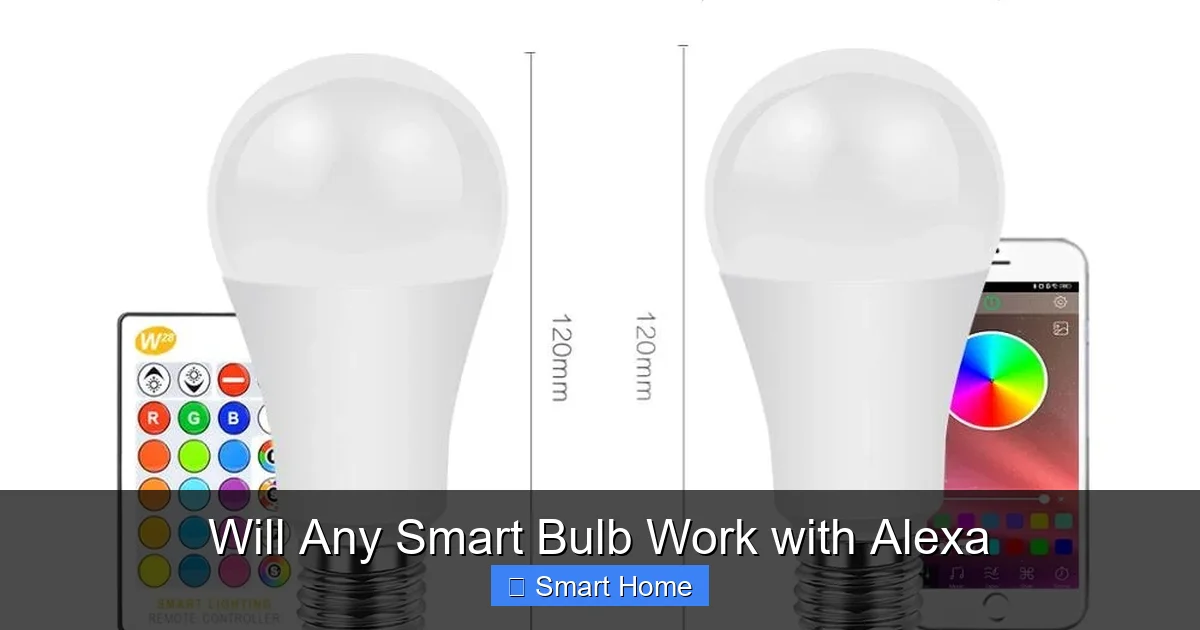
Visual guide about Will Any Smart Bulb Work with Alexa
Image source: images.nexusapp.co
Wi-Fi Smart Bulbs
Wi-Fi bulbs are the easiest to set up. You just screw them into a standard E26 or E27 socket, plug in your Echo device, and control them through the Alexa app. No extra hardware required.
Popular Examples:
- Philips Hue White and Color Ambiance: One of the most reliable and feature-rich bulbs. It supports millions of colors, dimming, and scheduling. Requires a Hue Bridge (sold separately) for full Alexa integration.
- LIFX Mini Day & Dusk: A Wi-Fi-only bulb that connects directly to your router. No hub needed. Offers warm to cool white light and works instantly with Alexa.
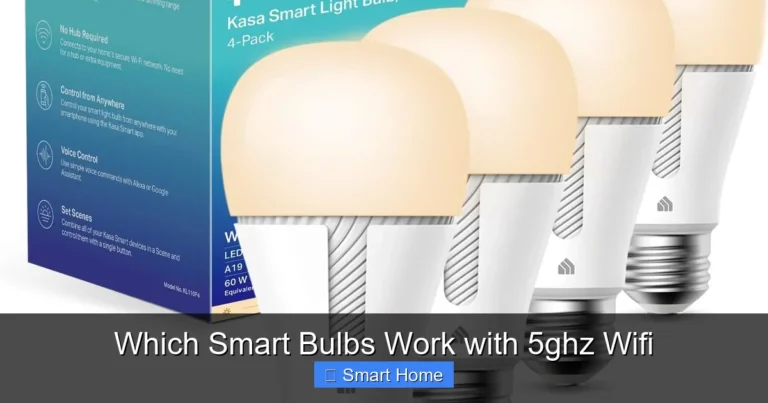
- TP-Link Kasa Smart Wi-Fi LED Bulb (KL110): Affordable and simple. Great for beginners. Supports dimming and color change (on some models). Works directly with Alexa.
Wi-Fi bulbs are ideal if you want instant control without buying extra hardware. Just keep in mind that they use more bandwidth than Zigbee bulbs, which can be a concern if you have many smart devices.
Zigbee Smart Bulbs
Zigbee bulbs use a mesh network, meaning they can talk to each other and extend the range of your smart home system. They’re more energy-efficient and stable than Wi-Fi bulbs, especially in larger homes.
Popular Examples:
- Philips Hue White and Color Ambiance (with Hue Bridge): The gold standard for smart lighting. Offers full color control, dimming, and integration with thousands of smart home routines.
- IKEA TRÅDFRI LED Bulb (with TRÅDFRI Gateway): Budget-friendly and easy to set up. Works with Alexa via the IKEA TRÅDFRI app and a compatible hub.
- OSRAM LIGHTIFY Color Smart Bulb: Another Zigbee option that pairs with a hub for Alexa control. Offers vibrant colors and smooth dimming.
If you already have an Amazon Echo device that supports Zigbee (like the Echo Plus or Echo Show 15), you might not need a separate hub—your Echo can act as the bridge.
Budget-Friendly Alexa-Compatible Bulbs
You don’t need to spend $50 on a smart bulb. There are plenty of affordable options that work well with Alexa.
Top Picks:
- Wyze Bulb Color: Priced under $15, this bulb offers color change, dimming, and Alexa compatibility. It connects via Wi-Fi and works right out of the box.
- Kasa Smart Light Strip (KS200): Not a bulb, but a great alternative for mood lighting. Works with Alexa and offers 16 million colors.
- GE Cync Color A19 Smart Bulb: A reliable budget option with Alexa support. Offers color and white modes, dimming, and scheduling.
These bulbs are perfect for testing smart lighting without a big investment. Just make sure they’re listed as “Works with Alexa” on the box or product page.
How to Set Up Your Alexa-Compatible Smart Bulb
Setting up a smart bulb with Alexa is surprisingly simple. Most brands use the Alexa app, so you won’t need to download another app—unless it’s a Zigbee bulb that requires a hub. Here’s a step-by-step guide.
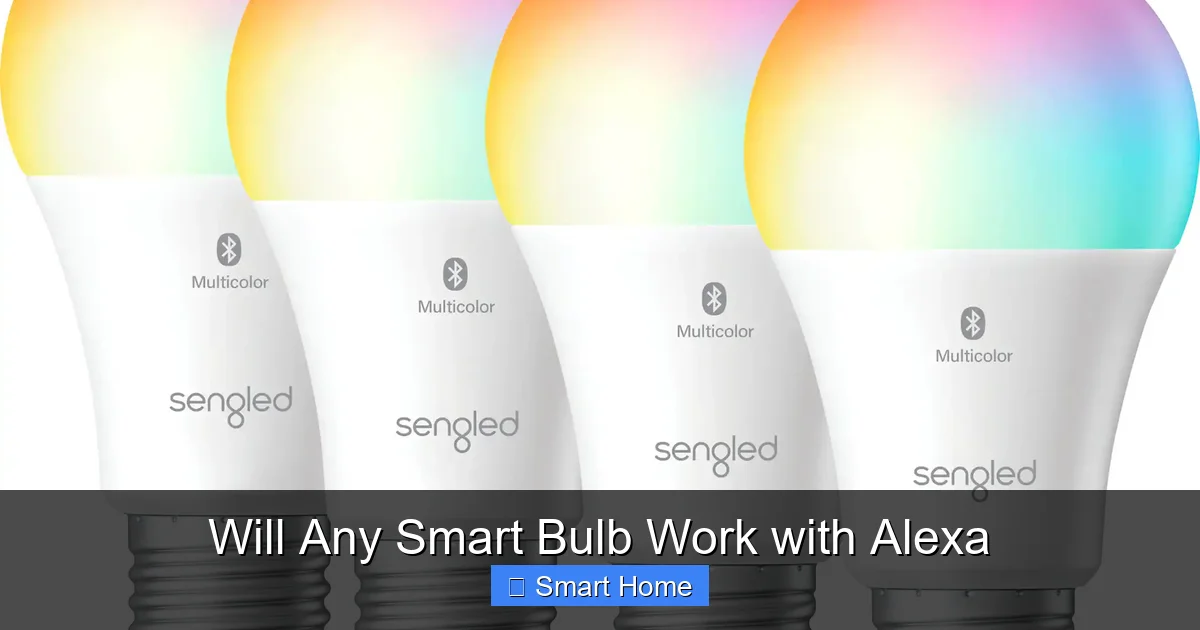
Visual guide about Will Any Smart Bulb Work with Alexa
Image source: pisces.bbystatic.com
Step 1: Plug in the Bulb
Turn off the light switch, screw in the smart bulb, and turn the switch back on. Make sure the bulb is receiving power and is not damaged.
Step 2: Open the Alexa App
Download the Alexa app on your smartphone (if you haven’t already). Log in with your Amazon account. The app will guide you through setup.
Step 3: Say “Alexa, Discover Devices”
Open the Alexa app and tap the “Devices” tab. Then tap the “+” icon and select “Add Device.” Choose “Smart Lights” and follow the prompts. Alexa will search for nearby bulbs.
Alternatively, say, “Alexa, discover devices” out loud. Alexa will scan for compatible bulbs and add them to your account.
Step 4: Name and Organize Your Bulb
Once Alexa finds the bulb, you’ll be prompted to give it a name (e.g., “Living Room Lamp”) and assign it to a room. You can also create groups (like “All Lights”) for easier control.
Step 5: Test Your Voice Commands
Try saying, “Alexa, turn on the living room lamp,” or “Alexa, set the bedroom light to blue.” If it responds, you’re all set!
Pro Tip: If Alexa doesn’t find your bulb, check that it’s plugged in and within range of your Echo device. Some bulbs need to be reset before pairing—usually by turning the light on and off five times quickly.
Common Issues and How to Fix Them
Even with Alexa-compatible bulbs, you might run into a few hiccups. Here’s how to troubleshoot the most common problems.
Alexa Doesn’t Find the Bulb
This usually means the bulb isn’t in pairing mode or isn’t connected to Wi-Fi. Try resetting the bulb (check the manual for instructions) and repeat the discovery process. Make sure your Echo device is close enough to the bulb during setup.
Bulb Turns On but Doesn’t Respond to Voice
This often happens with Zigbee bulbs that require a hub. If you’re using a standalone bulb (not connected to a hub), it won’t respond to Alexa. Double-check the product specs to confirm it supports direct Alexa control.
Bulb Keeps Disconnecting
Wi-Fi bulbs can lose connection if your router is overloaded or the bulb is too far from the router. Try moving the bulb closer or upgrading to a Zigbee bulb with a hub for more stable performance.
Voice Commands Are Inaccurate
Alexa sometimes mishears commands. Say the bulb’s exact name clearly, like “Alexa, turn on kitchen light,” not “Alexa, turn on the light.” You can also rename the bulb to something more specific, like “Bedroom Night Light.”
Bulb Doesn’t Change Color (on White-Only Models)
Some bulbs only support white light. Make sure you’re using a color-changing model. Check the product description for “color” or “RGB” features.
Advanced Alexa Features for Smart Bulbs
Once your bulb is set up, you can do more than just turn it on and off. Alexa supports routines, schedules, and integrations that make your smart lighting smarter.
Create Routines
Routines let you automate your lights based on time, location, or voice commands. For example:
- “Alexa, good morning” → Turns on bedroom light, adjusts brightness to 50%, and starts your morning playlist.
- “Alexa, I’m home” → Turns on living room lights when you arrive.
To set up a routine, go to the Alexa app > More > Routines > Create Routine. Add a trigger (like “When I arrive”) and an action (like “Turn on Living Room Light”).
Use Scenes and Groups
Group multiple bulbs into a “scene” for mood lighting. For example, create a “Movie Night” scene that dims all lights and sets them to a warm amber color. You can activate it with one voice command.
Integrate with Other Smart Devices
Pair your lights with motion sensors, doorbells, or security cameras. For example, you can set your porch light to turn on automatically when motion is detected.
Use Skills (Optional)
Some bulbs have Alexa Skills for advanced control. For example, the Philips Hue Skill lets you adjust brightness and color without saying “Alexa.” Just say, “Turn up the lights” or “Set the mood to romantic.”
Future-Proofing Your Smart Lighting
Smart home tech evolves fast. To avoid buying bulbs that become obsolete, choose options with open standards like Matter or Zigbee 3.0.
What Is Matter?
Matter is a new smart home protocol designed to make devices work together seamlessly. It’s supported by Apple, Google, Amazon, and major hardware brands. Look for bulbs labeled “Works with Matter” or “Matter over Thread.” These will work with Alexa, Google Assistant, and Apple HomeKit.
Why It Matters
Right now, a bulb that works with Alexa might not work with Google Home. But with Matter, one device can work across all platforms. It’s the future of interoperability.
Recommended Matter-Ready Bulbs
- Sengled Smart Bulb (Matter over Thread): Affordable and reliable. Works with Alexa, Google, and Apple.
- Philips Hue White and Color Ambiance (with Hue Bridge): Supports Matter in future firmware updates.
Investing in Matter-ready bulbs now means your smart home stays flexible as new devices hit the market.
Conclusion: Not All Bulbs Are Created Equal
So, will any smart bulb work with Alexa? The answer is no—but many do. To get the best experience, choose bulbs that are certified for Alexa, use reliable connectivity (Wi-Fi or Zigbee), and support advanced features like routines and Matter. Brands like Philips Hue, LIFX, TP-Link, and Wyze offer dependable options for every budget.
Setting up your first Alexa-compatible bulb is easier than you think. Just plug it in, open the Alexa app, and let your Echo device do the rest. With voice control, scheduling, and smart routines, you’ll transform your home into a responsive, comfortable space.
Whether you’re lighting up your living room or setting the mood for movie night, the right smart bulb makes life simpler and more enjoyable. And with the growing ecosystem of Alexa-compatible devices, the possibilities are endless.
Frequently Asked Questions
Can I use any smart bulb with Alexa?
No, only smart bulbs that are certified for Alexa or support Alexa voice control will work. Look for the “Works with Alexa” label before purchasing.
Do I need a hub to use Alexa with smart bulbs?
It depends on the bulb. Wi-Fi bulbs (like LIFX or TP-Link Kasa) connect directly to your router and don’t need a hub. Zigbee bulbs (like Philips Hue) usually require a hub, such as the Philips Hue Bridge or an Echo device with built-in Zigbee support.
How do I set up a smart bulb with Alexa?
Plug in the bulb, open the Alexa app, and say “Alexa, discover devices.” Alexa will find the bulb and guide you through naming and organizing it. Most setups take less than five minutes.
Can I control multiple smart bulbs at once with Alexa?
Yes! You can group bulbs by room or function (e.g., “All Bedroom Lights”) and control them together with voice commands like “Alexa, turn off all lights.”
Why isn’t my smart bulb responding to Alexa?
Common causes include poor Wi-Fi signal, the bulb not being in pairing mode, or lack of Alexa certification. Try resetting the bulb, moving it closer to your router, or checking the product specs.
Are Matter-compatible bulbs worth buying?
Yes, especially if you plan to expand your smart home. Matter ensures your bulbs work across Alexa, Google Assistant, and Apple HomeKit, making your system more flexible and future-proof.