35 Tint Everything You Need to Know Before You Buy
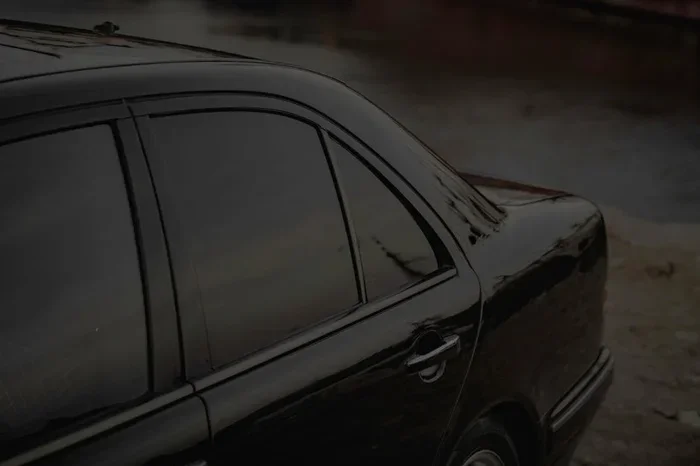
35 tint is a popular window film shade that blocks about 35% of visible light while still offering clear visibility. It provides excellent UV protection, heat rejection, and a sleek look for both cars and homes. This guide covers everything you need to know before purchasing and installing 35 tint.
Have you been looking into 35 tint for your car or home windows? You are not alone. This shade has become one of the most popular choices among car owners and homeowners who want a balance between style and function. Whether you want to reduce glare, protect your interior from sun damage, or just add a sleek look, 35 tint delivers on all fronts.
But before you rush out and buy a roll of film, there are a few things you should know. From understanding what the percentage actually means to navigating local regulations, this guide walks you through everything you need to make an informed decision. Let us break it all down in simple terms.
35 tint blocks about 35% of visible light, which means it lets 65% of light pass through your windows. This makes it a great middle-ground option. It is darker enough to reduce heat and glare significantly, but light enough to stay legal in most areas. If you have been wondering whether 35 tint is right for you, keep reading.
Key Takeaways
- 35 tint offers a balanced shade that blocks glare and UV rays while maintaining good visibility.
- It is one of the most versatile tint percentages for both automotive tint and residential use.
- Understanding local tint laws is essential before purchasing to avoid fines or removal.
- Professional installation ensures a bubble-free, long-lasting finish compared to DIY kits.
- Heat rejection and UV protection are two of the biggest benefits of 35 tint.
- The cost typically ranges from $100 to $400 depending on film quality and vehicle type.
- Choosing the right film type (dyed, carbon, ceramic) affects performance and longevity.
📑 Table of Contents
- What Is 35 Tint and Why Is It So Popular?
- The Top Benefits of Choosing 35 Tint
- 35 Tint Laws and Regulations You Must Know
- 35 Tint vs Other Darkness Levels: A Comparison
- How to Choose the Right 35 Tint Film
- Installation Tips and Common Mistakes to Avoid
- Common Mistakes to Avoid When Buying 35 Tint
- Final Thoughts on 35 Tint
What Is 35 Tint and Why Is It So Popular?
Understanding Tint Percentages
When you see the term “35 tint,” it refers to the visible light transmission, or VLT, of the film. VLT is simply the percentage of light that passes through the window. A lower number means a darker tint. A higher number means a lighter tint.
For example, a 5% tint, often called “limo tint,” lets in only 5% of light. That is very dark. On the other hand, a 70% tint is almost clear. 35 tint sits right in the middle. It offers a noticeable shade without making your windows too dark. This is why so many people choose it for daily driving and home use.
The visible light transmission of 35 tint makes it a versatile option. You get a good amount of privacy during the day, and you can still see through the windows clearly at night. That balance is hard to beat with other tint percentages. The tint percentage directly affects how much light enters your space, so choosing wisely matters.
How 35 Tint Compares to Other Shades
Not all tint shades are created equal. Here is a quick look at how 35 tint stacks up against other popular shade tint options:
- 5% tint (limo tint) – Very dark, maximum privacy, often illegal for front windows.
- 20% tint – Dark shade, popular for rear windows, limited visibility at night.
- 35% tint – Medium shade, great balance of privacy and visibility, widely legal.
- 50% tint – Lighter shade, good for glare reduction while staying very clear.
- 70% tint – Nearly clear, minimal privacy, but still blocks some UV rays.
As you can see, 35 tint hits a sweet spot. It is dark enough to make a real difference in heat and glare, but not so dark that it causes safety concerns or legal trouble. This is exactly why 35 tint has become a go-to choice in the world of window tinting.
The Top Benefits of Choosing 35 Tint
UV Protection and Health Benefits
One of the biggest reasons people invest in 35 tint is UV protection. The sun emits harmful ultraviolet rays that can damage your skin and fade your furniture, dashboards, and upholstery over time.
A quality 35 tint film can block up to 99% of UV rays. That is a huge benefit if you spend a lot of time driving. It helps protect your skin from long-term sun exposure, which is linked to premature aging and skin damage.
For homeowners, UV protection from window film means your carpets, curtains, and wooden floors last longer. The sun can be brutal on interior furnishings, and blocking those rays is a smart move no matter where you live. This is an often overlooked benefit of automotive tint and residential window tint alike.
Heat Rejection for a Cooler Interior
Another major advantage of 35 tint is heat rejection. When sunlight hits your windows, it turns your car or home into an oven. 35 tint film reflects a significant portion of solar energy, keeping the interior much cooler.
On a hot summer day, a car with 35 tint can be 10 to 15 degrees cooler than one with bare windows. That means less reliance on air conditioning, which can improve fuel efficiency in your vehicle. For homes, it translates to lower energy bills and a more comfortable living space.
The solar heat rejection capability of a good heat rejection film like 35 tint makes it a practical choice in warm climates. If you live somewhere hot, you will feel the difference almost immediately after installation. This is one of the top reasons people choose 35 tint for their car tint needs.
Privacy and Aesthetic Appeal
Let us talk about looks. 35 tint gives your vehicle or home a polished, finished appearance. It adds a touch of sophistication without going overboard. Many car enthusiasts love the way 35 tint enhances the overall look of their vehicle.
Privacy is another key benefit. During the day, 35 tint makes it harder for people outside to see into your car or home. This is especially useful for parked cars or ground-floor windows. You get that extra layer of privacy tint without sacrificing natural light.
The privacy window film aspect of 35 tint is one reason it is so popular among both car owners and homeowners. It looks great and works great. Plus, it adds a layer of interior protection by shielding your belongings from prying eyes.
35 Tint Laws and Regulations You Must Know
State-by-State Tint Regulations
Before you buy 35 tint, you need to know the laws in your area. Tint regulations vary widely from state to state, and even from country to country. What is legal in one place might get you a ticket in another.
In most U.S. states, 35 tint is legal for rear windows and rear windshield. However, front side windows often have stricter limits. Some states require front windows to have a VLT of 50% or higher. Other states allow 35% on front windows without any issues.
Here are some general guidelines to keep in mind:
- Front side windows – Many states require 50% VLT or higher for the driver and passenger side windows.
- Rear side windows – 35 tint is usually legal for rear side windows in most states.
- Rear windshield – Often allowed with 35 tint, but some states require a dual mirror setup.
- Reflectivity limits – Most states also regulate how reflective the tint darkness can be.
Always check your local tint laws before purchasing. Getting pulled over for illegal tint is not worth the hassle or the fine. A quick online search or a call to your local DMV can save you a lot of trouble. Remember, tint laws exist for safety reasons, so respecting them keeps everyone on the road safer.
Medical Exemptions and Special Permits
Some states offer darker tint exemptions for people with medical conditions. If you or a family member has a condition that makes you sensitive to sunlight, you may qualify for a special permit. This allows you to use darker tint darkness than the standard law allows.
However, 35 tint is generally already within legal limits for most applications, so a medical exemption is usually not needed. Still, it is worth knowing about if you ever want a darker shade tint in the future. Always keep any exemption documentation in your vehicle to show law enforcement if needed.
35 Tint vs Other Darkness Levels: A Comparison
Choosing the right tint shade depends on your priorities. Here is a detailed comparison to help you decide:
| Feature | 20% Tint | 35% Tint | 50% Tint |
|---|---|---|---|
| Light Transmission | 20% | 35% | 50% |
| Heat Rejection | Excellent | Very Good | Good |
| UV Protection | Excellent | Excellent | Very Good |
| Night Visibility | Poor | Good | Excellent |
| Privacy Level | High | Medium-High | Medium |
| Legal for Front Windows | Rarely | Sometimes | Usually Yes |
| Aesthetic Look | Bold and Dark | Subtle and Sleek | Very Light |
| Price Range | $150-$400 | $100-$350 | $80-$300 |
As the table shows, 35 tint offers a well-rounded package. It does not sacrifice too much visibility for heat rejection, and it looks great without being overly dramatic. For most people, 35 tint is the ideal choice. It strikes the perfect balance between the bold look of a 20% tint and the near-clear appearance of a 50% tint.
How to Choose the Right 35 Tint Film
Types of Tint Films Available
Not all 35 tint films are the same. There are several types to choose from, and each has its own advantages:
- Dyed film – The most affordable option. It uses a dye layer to absorb heat and reduce light. However, it can fade over time and offers less heat rejection than other types.
- Metalized film – Contains tiny metallic particles that reflect heat. It is more durable than dyed film and offers better glare reduction. The downside is it can interfere with cell phone and GPS signals.
- Carbon film – A premium option that does not fade and does not interfere with electronics. It offers excellent heat rejection and a matte finish.
- Ceramic film – The top-tier choice. It provides the best UV protection, heat rejection, and clarity. It is also the most expensive.
For most applications, carbon film or ceramic film in 35 tint is the best value. You get excellent performance without the drawbacks of dyed or metalized films. If you are investing in automotive tint, going with a higher-quality film pays off in the long run.
Quality Markers That Matter
When shopping for 35 tint, look for these quality markers:
- Warranty – A good film comes with a lifetime or at least a 10-year warranty against bubbling, peeling, or fading.
- UV rejection rate – Look for films that block at least 99% of UV rays.
- Heat rejection percentage – Higher is better. Quality 35 tint films reject 50% or more of solar heat.
- Brand reputation – Stick with well-known brands like 3M, Llumar, or SunTek for reliable performance.
- Installation included – Some kits come with professional installation, which is always worth the extra cost.
Do not just go for the cheapest option. A low-quality 35 tint film can bubble, peel, and fade within a year or two. Investing in a good film pays off in the long run. Your window film is a long-term investment in comfort and protection.
Installation Tips and Common Mistakes to Avoid
DIY vs Professional Installation
You can install 35 tint yourself or hire a professional. Both options have pros and cons.
DIY installation saves money. Tint film kits are widely available and cost between $50 and $150. However, DIY installation requires patience, skill, and the right tools. If you do not do it correctly, you can end up with bubbles, creases, or uneven edges.
Professional installation typically costs between $100 and $400 depending on the number of windows and the film quality. A pro has the experience, tools, and clean environment to get a perfect finish. Most professionals also offer warranties on their work.
For most people, professional installation is the better choice. The difference in quality is noticeable, and it saves you the frustration of a DIY gone wrong. If you are new to window tinting, a professional will make the process smooth and stress-free.
Maintaining Your Tint for Longevity
Once your 35 tint is installed, proper care will extend its lifespan significantly. Here are some simple tips:
- Wait 48 hours before rolling down your windows after installation. This allows the film to cure properly.
- Clean with a soft cloth and ammonia-free cleaner. Harsh chemicals can damage the film over time.
- Avoid sharp objects near your tinted windows. Scratches can ruin the appearance of your car tint.
- Park in shaded areas when possible. Less direct sun exposure means less stress on the film.
- Inspect annually for any signs of peeling or bubbling. Catching issues early makes repairs easier.
With proper care, a quality 35 tint film can last 10 years or more. It is a worthwhile investment that pays off in comfort and protection. Regular maintenance keeps your tint film looking fresh and performing at its best.
Common Mistakes to Avoid When Buying 35 Tint
Even with the best intentions, people make mistakes when buying and installing 35 tint. Here are the most common ones to avoid:
Mistake 1: Ignoring local tint laws. This is the number one mistake. Buying 35 tint without checking your local regulations can lead to fines, failed inspections, or even having the tint removed. Always verify the legal VLT limits for your area before purchasing.
Mistake 2: Choosing the wrong film type. Not all 35 tint films are equal. A cheap dyed film may look great at first but fade quickly. Do your research and invest in a quality film like carbon or ceramic for the best heat rejection and longevity.
Mistake 3: Skipping professional installation. While DIY is tempting, poor installation leads to bubbles, peeling, and an ugly finish. If you are not experienced, it is worth paying a professional to do the job right. A bad installation can ruin even the best window film.
Mistake 4: Forgetting about night visibility. 35 tint is generally good for night driving, but it is still darker than clear glass. If you frequently drive on dark, unlit roads, make sure you are comfortable with the reduced light transmission before committing.
Mistake 5: Not checking the warranty. A reputable 35 tint film should come with a solid warranty. If the seller cannot provide one, that is a red flag. A warranty protects you against defects and premature failure of your shade tint investment.
Final Thoughts on 35 Tint
35 tint is one of the best choices you can make for your car or home windows. It offers a perfect balance of UV protection, heat rejection, privacy, and style. Whether you are a daily commuter or a car enthusiast, this shade delivers real value.
The key is to do your homework before buying. Understand what 35 tint means in terms of light transmission, check your local laws, choose a quality film, and invest in proper installation. Follow these steps, and you will enjoy your 35 tint for years to come.
Take the time to compare options, read reviews, and ask questions. A well-chosen 35 tint installation is one of the smartest upgrades you can make. It protects your health, improves comfort, and enhances the look of your vehicle or home. Start your search today, and you will not regret it.
Frequently Asked Questions
Is 35 tint legal for front windows?
This depends on your local regulations. In some states, 35% VLT is allowed on front side windows, while others require a lighter shade. Always check your state’s tint laws before purchasing to avoid fines or removal.
How much does 35 tint cost?
The cost of 35 tint varies based on film quality and number of windows. A basic DIY kit ranges from $50 to $150, while professional installation typically costs $100 to $400 for a full vehicle. Ceramic films cost more but offer superior performance and longevity.
Can I install 35 tint myself?
Yes, you can install 35 tint yourself using a DIY kit, but it requires patience and the right tools. Professional installation is recommended for a bubble-free, long-lasting finish. If you are new to tinting, a professional will save you time and frustration.
How long does 35 tint last?
A quality 35 tint film can last 5 to 10 years or more with proper care. Dyed films may fade sooner, while carbon and ceramic films maintain their appearance much longer. Regular cleaning with ammonia-free products helps extend the lifespan.
Does 35 tint block UV rays?
Yes, a good 35 tint film blocks up to 99% of harmful UV rays. This protects your skin from sun damage and prevents your car interior or home furnishings from fading. UV protection is one of the biggest health benefits of window tinting.
Will 35 tint affect my night driving?
35 tint allows 65% of light to pass through, so night visibility is generally good. However, if you frequently drive on dark, unlit roads, you may notice a slight reduction compared to clear windows. Most drivers find 35 tint perfectly comfortable for nighttime driving.