How to Tow a Car Long Distance Without Getting Stressed
Learning how to tow a car long distance doesn’t have to be stressful. This guide walks you through every step, from choosing the right towing method to staying safe on the highway. You’ll discover practical tips, common mistakes to avoid, and expert advice that makes long distance towing simple and manageable for any driver.
There are few things more frustrating than a car breakdown hundreds of miles from home. Whether your vehicle stalled on a highway or you bought a car that needs to be transported, knowing how to tow a car long distance can save you time, money, and a lot of worry.
Towing a vehicle over a long distance is not something you should take lightly. It requires the right equipment, proper planning, and a solid understanding of safety basics. But here is the good news: with the right knowledge, you can handle this process like a pro. This guide gives you everything you need to know about long distance towing without the stress.
We will walk you through each step in plain language. From picking the best towing method to staying safe on the highway, you will find practical advice you can use right away. Whether you are dealing with a car recovery situation or planning a vehicle transport ahead of time, this towing guide has you covered.
Key Takeaways
- Know Your Towing Options: Understanding flatbed, dolly, and wheel-lift methods helps you choose the safest approach for your vehicle.
- Preparation Is Everything: Checking your towing capacity, insurance, and equipment before you leave prevents costly surprises.
- Safety Comes First: Proper secure load techniques and awareness of towing regulations keep you and others safe on the road.
- Stay Calm During the Tow: Following a few simple steps while your car is being towed reduces stress and prevents damage.
- Post-Tow Inspection Matters: Checking your vehicle after towing ensures everything is in working order before your next drive.
- Plan Your Route Carefully: Avoiding rough roads and knowing where to stop keeps your long-distance tow smooth and trouble-free.
📑 Table of Contents
- Understanding the Basics of Long Distance Towing
- How to Tow a Car Long Distance: Choosing the Right Method
- Preparing Your Vehicle and Equipment for the Tow
- Safety Tips for Towing on the Highway
- What to Do During and After the Tow
- Common Mistakes and Expert Advice for Stress-Free Towing
- Final Thoughts
Understanding the Basics of Long Distance Towing
Before you hook anything up, it helps to understand what you are dealing with. Long distance towing is different from a short roadside pull. The longer the distance, the more factors you need to consider. Let us break down the basics so you feel confident from the start.
What Does It Mean to Tow a Car Long Distance?
When you tow a car long distance, you are moving a vehicle from one location to another over a significant stretch of road. This could mean hauling a broken-down car across state lines or transporting a non-running vehicle to a new home. The key difference from short-distance towing is that you need reliable equipment and a well-thought-out plan.
Not all towing methods work for every situation. Your choice depends on the condition of the car, the distance involved, and your budget. Taking a few minutes to learn about your options can make the whole process much smoother.
Why Proper Planning Matters for Towing
Jumping into a long tow without a plan is a recipe for trouble. Proper planning means checking your towing capacity, understanding road regulations, and knowing what equipment you need. It also means having a backup plan in case something goes wrong.
Think of it like packing for a big trip. You would not leave home without essentials, and you should not start a tow without preparation either. A little planning goes a long way in keeping your car towing experience safe and stress-free.
Quick Tips for Towing Beginners
- Always check your vehicle’s towing capacity before attempting any tow.
- Keep a checklist of equipment and documents in your tow vehicle.
- Study the route ahead of time, noting rest stops and fuel stations.
- Contact roadside assistance services for professional guidance if needed.
How to Tow a Car Long Distance: Choosing the Right Method
Not all towing setups are created equal. The method you choose affects safety, cost, and how your vehicle handles on the road. Let us look at the most common options for distance towing.
Flatbed Towing: The Safest Option
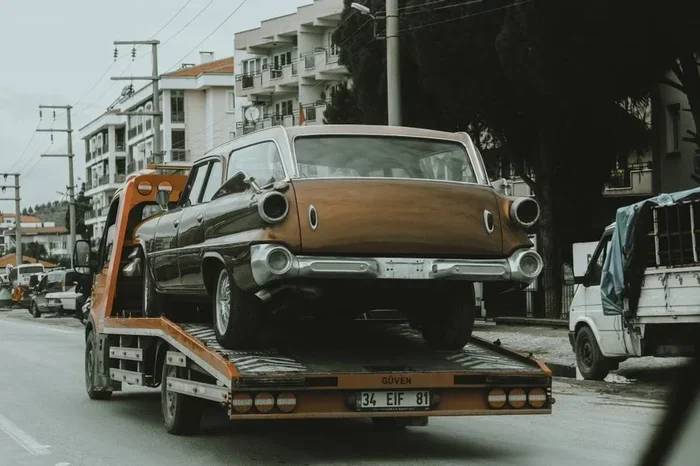
A flatbed tow is widely considered the safest method for long-distance hauls. The entire vehicle sits on a flat platform, which means all four wheels are off the ground. This removes wear and tear from the drivetrain, transmission, and wheels.
If you are towing a car recovery vehicle or transporting a car that is completely non-functional, a flatbed is your best bet. It also works well for all-wheel-drive vehicles, where dragging the car on a dolly could cause serious damage.
Dolly Towing: A Budget-Friendly Alternative
Dolly towing uses a small trailer that lifts the front wheels off the ground while the rear wheels remain on the road. This method is more affordable than a flatbed and works well for front-wheel-drive vehicles.
However, dolly towing has limitations. It is not ideal for very long distances or for vehicles with all-wheel drive. If you choose this route, make sure you understand the vehicle towing methods that match your car type.
Wheel-Lift Towing: When Speed Matters
Wheel-lift towing uses a metal yoke to lift either the front or rear wheels off the ground. This method is commonly used by tow truck operators for quick roadside car recovery. It is faster to set up than a flatbed but less stable for very long hauls.
For short to medium distances, wheel-lift towing can work fine. But for long distance towing spanning hundreds of miles, a flatbed is strongly recommended to avoid mechanical stress on the towed vehicle.
| Method | Best For | Distance Range | Cost Level |
|---|---|---|---|
| Flatbed Tow | All vehicle types, AWD/4WD | Any distance | Higher |
| Dolly Towing | FWD vehicles, medium distances | Up to 500 miles | Moderate |
| Wheel-Lift Towing | Quick recovery, short hauls | Under 100 miles | Lower |
As you can see, each method has its place. Choose based on your vehicle type, the distance, and your budget.
Preparing Your Vehicle and Equipment for the Tow
Preparation is the single most important step in how to tow a car long distance successfully. Skipping this step can lead to damage, delays, or even dangerous situations on the road.
Check Your Towing Capacity
Every vehicle has a maximum towing capacity listed in its owner manual. This number tells you how much weight your vehicle can safely pull. Exceeding this limit can damage your engine, transmission, or brakes.
Before you hit the road, confirm that your tow vehicle can handle the weight of the car being towed. If you are unsure, consult a mechanic or the vehicle manufacturer. Knowing your towing capacity is the foundation of safe secure load towing.
Gather the Right Equipment
You will need more than just a tow truck. Essential equipment includes a tow strap, safety chains, working lights, and a brake controller if required. Each piece of gear plays a role in keeping the tow stable and visible to other drivers.
Here is a quick checklist of what you should have before starting:
- A heavy-duty tow strap or chain rated for the vehicle weight
- Working taillights and turn signals on the towed vehicle
- Safety chains crossed under the trailer tongue
- A brake controller for vehicles over a certain weight
- Emergency flares or reflective triangles
- A first-aid kit and basic tool set
Review Your Towing Insurance Coverage
Many drivers forget to check whether their insurance covers towing. Standard policies may include roadside assistance, but long-distance vehicle transport might require additional coverage. Contact your insurance provider before the tow to understand what is and is not covered.
Having the right towing insurance in place gives you peace of mind. If something goes wrong during the tow, you will not be left paying for repairs out of pocket.
Safety Tips for Towing on the Highway
Driving while towing a car changes how your vehicle handles. The added weight affects braking, turning, and acceleration. Following towing safety guidelines is not optional, it is essential.
Drive Slower and Leave More Room
When you are towing, your stopping distance increases significantly. Leave at least a six-second gap between you and the vehicle ahead. Reduce your speed by 10 to 15 miles per hour below the posted limit, especially on highways.
Wind gusts, sharp turns, and sudden stops all become more dangerous when towing. Taking it slow gives you more time to react and keeps everyone on the road safer.
Monitor Your Mirrors and Lights Constantly
Your mirrors become your best friends during a long tow. Check them frequently to make sure the towed vehicle is tracking straight. If the car starts to sway or drift, pull over safely and adjust the load.
Also, make sure all lights on the towed vehicle are working. Other drivers need to see your brake lights and turn signals. A quick check before you start driving can prevent accidents and tickets.
Take Regular Breaks on Long Hauls
Towing for hours without a break is exhausting for both the driver and the vehicle. Stop every two hours to check your connections, inspect the towed car, and rest your eyes. These short breaks help you stay alert and catch potential problems early.
Use these stops to also review your distance towing tips and adjust your plan if road conditions change. A well-rested driver is a safe driver.
Watch for Weather and Road Conditions
Bad weather adds another layer of difficulty to long-distance towing. Rain, wind, and snow can make towing dangerous. Check the forecast before you leave and be prepared to adjust your schedule if needed.
If you encounter rough roads or construction zones, slow down and navigate carefully. Potholes and uneven surfaces can jostle the towed vehicle and loosen your connections. Smooth, steady driving is your best friend on the road.
What to Do During and After the Tow
Once your vehicle is on its way, your job is not done. There are several things you should do during the tow to ensure everything goes smoothly.
Stay in Contact with the Tow Operator
Keep a phone line open with the tow truck driver. Agree on check-in points along the route, especially for long hauls. This communication helps you track progress and address any issues that come up.
If you are waiting at the pickup location, you might find yourself with downtime. If you need to stay productive while waiting, remember that you can study without a desk using just your phone or laptop on your lap. This way, you make the most of unexpected wait time.
Keep Important Documents Handy
Have your towing agreement, insurance documents, and vehicle registration easily accessible. These documents protect you in case of disputes or accidents during the tow.
Also, keep a record of the tow truck company name, driver contact information, and license plate number. This information is invaluable if anything goes wrong during the transport.
Stay Calm and Patient
Long-distance towing takes time, and things do not always go according to plan. Traffic delays, mechanical issues with the tow truck, or route changes can all cause frustration. Staying calm and flexible helps you handle these situations without added stress.
Remember that rushing a tow is dangerous. It is better to arrive a few hours late than to risk an accident. Patience is one of the most underrated distance towing tips you can follow.
Inspect Your Vehicle After the Tow
Before you drive away, inspect the entire vehicle. Check the tires, brakes, lights, and fluid levels. Look for any new scratches, dents, or damage that may have occurred during transport.
If you notice any issues, document them with photos and contact the tow operator immediately. Having evidence protects your rights if you need to file a claim.
Reconnect and Reorganize Your Setup
Once your vehicle is back in working order, you will want to get back to your normal routine. If you use your car to commute to a workspace, you might want to organize your study desk and set up your workspace again. Having a clutter-free environment helps you feel back in control after a stressful event.
Consider adding a small desk plant to your workspace as a way to de-stress after the experience. You can buy desk plants online or at local garden centers to bring life back to your space.
Common Mistakes and Expert Advice for Stress-Free Towing
Even experienced drivers make mistakes when towing. Here are the most common errors and how to avoid them.
Skipping the Pre-Tow Inspection
The most common mistake is rushing into the tow without checking equipment, connections, and vehicle condition. Always do a full inspection before you start driving. This simple step prevents most towing problems.
Overloading the Tow Vehicle
Every vehicle has a limit. Exceeding the towing capacity strains the engine, brakes, and transmission. Check your owner manual and stay within the recommended weight limits.
Ignoring Local Towing Regulations
Different states and countries have different rules about towing. Some require specific safety equipment, while others have speed restrictions for towed vehicles. Research the regulations for your route before you depart.
Not Having a Backup Plan
Things can go wrong on a long tow. Your tow truck might break down, or you might encounter road closures. Having a backup plan, such as knowing alternative routes and having a secondary contact, keeps you prepared for the unexpected.
Expert Insights on Stress-Free Towing
Professional tow operators and automotive experts agree on a few key principles that make long-distance towing easier.
First, invest in quality equipment. Cheap tow straps and broken chains are not worth the risk. Invest in high-quality towing gear that is rated for your vehicle’s weight. Quality equipment fails less often and keeps everyone safer on the road.
Second, choose the right time of day. Start your tow early in the morning when traffic is light. This gives you more time to handle any issues that arise and reduces the stress of driving in heavy traffic. Avoid towing during peak rush hours whenever possible.
Third, know when to call the pros. If the distance is very long, the vehicle is in poor condition, or you feel unsure about any part of the process, do not hesitate to call for roadside assistance. Professional operators have the experience and equipment to handle complex tows safely.
If you ever wonder whether a desk setup matters for your productivity during these stressful times, remember that you do not always need a full desk. You can learn whether you need a desk to study and still stay productive from anywhere, including a tow waiting area.
Final Thoughts
How to tow a car long distance without stress comes down to preparation, the right method, and a calm mindset. You have learned about the different towing options, the importance of safety, and what to do before, during, and after the tow.
Remember that every successful tow starts with a plan. Check your equipment, know your limits, and stay patient on the road. Whether you are dealing with a car breakdown or planning a vehicle transport, the tips in this guide will help you navigate the process with confidence.
Towing does not have to be a nightmare. With the right knowledge and a little preparation, you can handle even the longest hauls like a seasoned professional. Stay safe, stay calm, and trust the process.
Frequently Asked Questions
What is the safest way to tow a car long distance?
A flatbed tow is the safest method for long-distance towing. It keeps all four wheels off the ground, preventing damage to the drivetrain and transmission. If your vehicle is all-wheel drive or in poor condition, a flatbed is strongly recommended over other methods.
How much does long-distance car towing cost?
The cost varies based on distance, vehicle type, and towing method. On average, long-distance towing can range from $1 to $5 per mile. Flatbed towing tends to cost more than dolly or wheel-lift towing, but it offers better protection for your vehicle.
Can I tow a car with an automatic transmission?
Yes, but you must follow the manufacturer’s guidelines. Many automatic transmission vehicles should be towed with all four wheels off the ground, which means a flatbed is required. Towing an automatic car with wheels on the ground can cause severe transmission damage.
Do I need special insurance for long-distance towing?
Standard auto insurance may cover roadside assistance but not long-distance vehicle transport. Check with your insurance provider to understand your coverage. You may need to purchase additional towing and transport coverage for peace of mind.
How long does it take to tow a car long distance?
The time depends on the distance and road conditions. A tow covering 200 to 300 miles typically takes 4 to 6 hours. Longer distances may require multiple days, especially if you need to stop for rest, fuel, or equipment checks along the way.
What should I check before towing my car?
Before towing, check your towing capacity, inspect all equipment including straps and chains, verify that lights and signals work on the towed vehicle, and review the route for any restrictions. A thorough pre-tow inspection prevents most common towing problems.