Portable Garages That Stand Up to Cold Winter Months
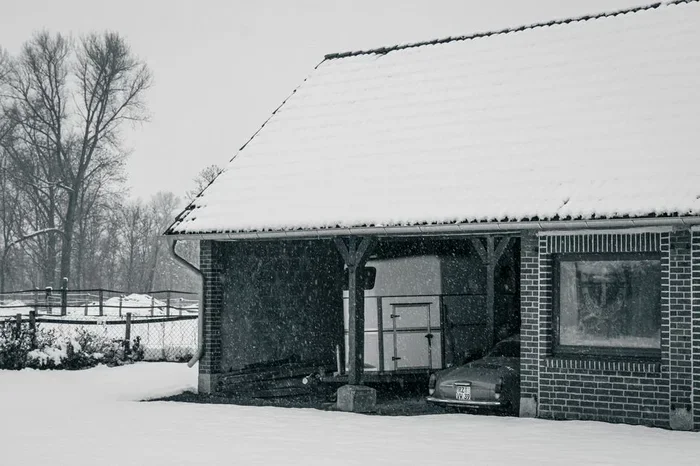
Portable garages that stand up to winter are essential for protecting your vehicles, equipment, and belongings from harsh cold weather. With the right materials, setup, and maintenance, a portable garage can handle heavy snow, strong winds, and freezing temperatures. This guide covers everything you need to choose a winter-ready portable shelter that lasts.
Winter is tough on everything left outside. Your car, your lawn mower, your garden tools — they all take a beating from snow, ice, and freezing wind. A portable garage that stands up to winter solves this problem without the cost of building a permanent structure.
Whether you need to park your vehicle or store seasonal equipment, a portable winter garage gives you flexibility and protection. These shelters come in many shapes and sizes. Some are simple carports. Others are full enclosures with walls and insulation. The key is finding one that handles the cold months without falling apart.
In this guide, we break down everything you need to know. From materials and setup to maintenance and placement, you will learn how to pick the right portable garage for winter storage. Let us get into it.
Key Takeaways
- Steel-frame portable garages offer the best durability and snow load resistance for winter use.
- Proper anchoring and insulation are critical to keeping your portable garage stable and warm during cold months.
- Double-layer or insulated covers help retain heat and prevent condensation buildup inside the shelter.
- Regular maintenance like clearing snow and checking seams keeps your portable garage in top shape all winter.
- Ventilation matters even in winter to prevent moisture damage and rust formation inside the garage.
- Size and placement of your portable garage affect how well it handles winter weather conditions.
- Investing in a quality winter-rated portable garage saves money by avoiding costly repairs to stored items.
- Why You Need a Portable Garage for Winter
- Best Materials for Winter-Ready Portable Garages
- How to Set Up a Portable Garage for Winter
- Winter Maintenance Tips for Portable Garages
- Using a Portable Garage as a Winter Workspace
- Common Mistakes to Avoid
- Expert Insights: What to Look for When Buying
- Quick Tips for Winterizing Your Portable Garage
- Final Thoughts
- Skipping the anchor kit. This is the number one mistake. An unanchored garage will not survive a strong winter storm.
- Choosing the wrong size. Measure your available space and stored items carefully before buying. Too small means overcrowding. Too big wastes money.
- Ignoring the snow load rating. Not all portable garages are rated for heavy snow. Check the specifications for your climate zone.
- Using a thin tarp instead of a proper cover. A cheap tarp tears easily and does not insulate. Invest in a cover designed for your specific model.
- Forgetting ventilation. Sealing the garage completely traps moisture inside. Always allow some airflow to prevent condensation and rust.
- Placing the garage in a low-lying area. Water and snow runoff collects in low spots. This can flood the interior and weaken the foundation.
- Apply a rust inhibitor spray to all metal frames before winter starts.
- Use a canvas or insulated cover instead of a basic tarp.
- Install gutter extensions to direct snowmelt away from the base.
- Keep a small broom inside the garage for quick snow removal.
- Store items off the floor on shelves or pallets to prevent moisture damage.
- Check all bolts and connections monthly during winter and tighten as needed.
- Use a portable heater with a tip-over safety switch if you work inside.
📑 Table of Contents
Why You Need a Portable Garage for Winter
Winter weather causes real damage. Ice, snow, and freezing rain can ruin vehicles, tools, and outdoor equipment. A portable garage acts as a shield against all of it.
Protect Your Vehicles and Equipment
Cars, trucks, ATVs, and motorcycles all suffer in cold weather. Battery life drops. Fluids thicken. Paint gets scratched from ice and salt. A portable shelter keeps these elements away from your vehicles and gear.
Even small items like lawnmowers, snow blowers, and garden tools benefit from winter storage. Moisture causes rust. Freezing temperatures crack plastic and rubber parts. A simple metal carport or enclosed garage keeps everything dry and safe.
Save Money Over Permanent Structures
Building a permanent garage costs thousands of dollars. Permits, contractors, and materials add up fast. A portable garage kit costs a fraction of that. You can set it up in a weekend and take it down when you no longer need it.
This makes portable winter garages a smart choice for renters, seasonal homeowners, and anyone who wants flexibility. You get the protection without the long-term commitment.
Best Materials for Winter-Ready Portable Garages
Not all portable garages are built the same. The material you choose determines how well it handles cold weather, snow, and wind. Here is a look at the top options.
| Material | Durability | Snow Resistance | Wind Resistance | Price Range |
|---|---|---|---|---|
| Steel Frame with Poly Cover | High | Excellent | Very Good | $300 – $1,500 |
| Aluminum Frame with Fabric Cover | Medium | Good | Good | $200 – $1,000 |
| Steel Frame with Insulated Panels | Very High | Excellent | Excellent | $1,000 – $3,000+ |
| Wood Frame with Tarp Cover | Low | Poor | Poor | $100 – $500 |
Steel frame portable garages are the clear winner for winter use. They handle heavy snow loads and strong winds much better than aluminum or wood. Look for frames with a galvanized or powder-coated finish to prevent rust.
The cover material also matters. Heavy-duty polyethylene or PVC-coated fabric resists moisture and UV damage. For extreme cold, consider a double-layer cover that traps air for insulation. This keeps the interior warmer and reduces condensation.
How to Set Up a Portable Garage for Winter
Proper setup makes all the difference. A portable garage that stands up to winter starts with how you install it. Follow these steps for the best results.
Choose the Right Location
Where you place your portable garage matters a lot. Pick a flat, level surface away from areas where snow piles up. Avoid low spots where water collects or where wind tunnels form between buildings.
Consider how much sunlight the area gets. A spot that receives some sun during the day helps keep the interior warmer naturally. This is a simple winterization tip that many people overlook.
Anchor It Securely
Wind is one of the biggest threats to portable garages in winter. Storms can pick up and tear an unanchored shelter apart. Use ground stakes, sandbags, or concrete blocks to hold the structure firmly in place.
For areas with heavy snow and high winds, consider additional tie-downs along the frame. Many manufacturers offer anchor kits specifically designed for their models. Always follow the setup instructions carefully.
Add Insulation and Weatherproofing
Once the frame is up, focus on insulation. You can add foam board insulation to the walls or use insulated tarps for the cover. This helps retain heat and keeps the interior temperature more stable.
Seal any gaps around the edges with weatherstripping or heavy-duty tape. This prevents cold drafts and keeps moisture out. If you plan to use the garage as a workspace, good weatherproofing also means a more comfortable environment.
Winter Maintenance Tips for Portable Garages
A portable garage for winter needs regular care to stay in good shape. Here is what you should do throughout the cold months.
Clear Snow Regularly
Heavy snow buildup puts stress on the roof and frame. Use a soft broom or a roof rake to sweep snow off the top. Never use sharp tools that could puncture the cover or frame.
Check the weight capacity of your specific model. Most heavy-duty portable garages handle several feet of snow. But if the snow gets too deep, it is safer to clear it before it becomes a problem.
Inspect for Damage After Storms
After every major storm, walk around the garage and check for tears, loose bolts, or damaged anchors. Fix small problems right away before they get worse. A torn cover lets in moisture, which leads to rust and mold.
Keep a repair kit on hand with patches, zip ties, and extra stakes. This makes quick fixes fast and easy, even on cold days.
Manage Moisture Inside
Condensation is a hidden enemy of portable garages in winter. Warm air inside meets cold surfaces and creates moisture. Over time, this causes rust on metal frames and mold on stored items.
Use a dehumidifier or moisture absorbers inside the garage. If possible, leave a small vent open to allow airflow. This simple step goes a long way toward preventing moisture damage.
Using a Portable Garage as a Winter Workspace
Many people use their portable garages as workshops or home offices during winter. This is a great way to get more value out of your shelter. With a little planning, you can create a comfortable and functional workspace inside.
Organize Your Space Effectively
When you use a portable garage for work or storage, organization becomes important. Keep similar items together and use shelving or hooks to maximize vertical space. A clutter-free space is safer and more productive.
If you are setting up a desk or workbench inside, think about how you organize your tools and supplies. Just like when you learn how to organize a study desk, the same principles apply — everything should have a place.
Add Proper Lighting
Winter days are short. Natural light is limited. Make sure your portable garage has enough artificial lighting. LED shop lights work great and use very little energy.
If you plan to work at a desk inside the garage, good lighting is essential. You can find affordable options when you shop for desk lamps that fit your workspace needs.
Set Up a Comfortable Work Area
Position your desk or workbench near a window if possible, or use a portable heater to stay warm. Think about where you place your workspace — you want a spot that feels functional and comfortable.
Just as you would carefully decide where to place a desk in a room, the same logic applies inside a portable garage. Choose a spot away from drafts and near a power source.
Common Mistakes to Avoid
Many people make avoidable mistakes when buying or using a portable garage for winter. Here are the most common ones and how to prevent them.
Expert Insights: What to Look for When Buying
Not all portable garages are created equal. When shopping for a winter-ready model, keep these expert tips in mind.
Look for a steel frame with a galvanized coating. This combination resists rust and handles heavy snow loads. The frame should have a minimum gauge of 25 for durability in harsh weather.
Check the cover material carefully. A 12-ounce or heavier polyethylene cover is ideal for winter use. Some premium models offer insulated covers with reflective linings that help trap heat inside.
Consider the door type. Roll-up doors seal better than flap-style doors. They keep cold air out and warm air in. If you need vehicle access, a wide roll-up door is the best choice for a portable garage that stands up to winter.
Read reviews from people in cold climates. Their real-world experience tells you more than any product description. Look for feedback about snow performance, wind resistance, and durability over multiple seasons.
Quick Tips for Winterizing Your Portable Garage
These simple steps make a big difference. They extend the life of your portable garage and keep your stored items safe all winter long.
Final Thoughts
A portable garage that stands up to cold winter months is one of the smartest investments you can make for your home. It protects your vehicles, tools, and equipment from the harshest weather. It also gives you a flexible workspace that you can move or store when the season ends.
Choose the right materials. Anchor it securely. Maintain it regularly. Follow these steps and your portable winter garage will serve you well for years to come. Do not wait until the first snowfall to prepare. Start planning now so you are ready when the cold weather arrives.
Whether you need a simple metal carport or a fully insulated enclosure, there is a portable garage out there that fits your needs and your budget. Pick the one that works best for your winter conditions and enjoy the peace of mind that comes with knowing your belongings are protected.
Frequently Asked Questions
What is the best material for a portable garage in winter?
Steel frame portable garages with heavy-duty polyethylene or PVC covers are the best choice for winter. Steel handles snow loads and wind better than aluminum or wood. For extreme cold, insulated panel models offer the most protection.
How do I anchor a portable garage for winter storms?
Use ground stakes, sandbags, or concrete blocks at each corner and along the frame. Many manufacturers sell anchor kits designed for specific models. For high-wind areas, add extra tie-downs and check them regularly throughout the season.
Can a portable garage handle heavy snow?
Yes, but only if it is rated for the snow load in your area. Check the manufacturer’s specifications for maximum snow capacity. Steel-frame models with proper anchors handle heavy snow much better than fabric-only structures.
Do I need to insulate my portable garage for winter?
Insulation is not always required but highly recommended. It keeps the interior warmer, reduces condensation, and protects temperature-sensitive items. Foam board insulation or insulated tarps are easy to add to most models.
How do I prevent condensation inside a portable garage in winter?
Use a dehumidifier or moisture absorbers inside the garage. Leave a small vent open for airflow. Seal gaps in the cover and walls to reduce cold drafts. Keeping stored items off the floor also helps reduce moisture buildup.
Can I use a portable garage as a winter workspace?
Absolutely. Many people use portable garages as workshops or home offices during the cold months. Add proper lighting, insulation, and a heater to make the space comfortable. Just make sure to organize your workspace well for maximum efficiency.