All Weather Tires The Smart Choice For Year Round Driving
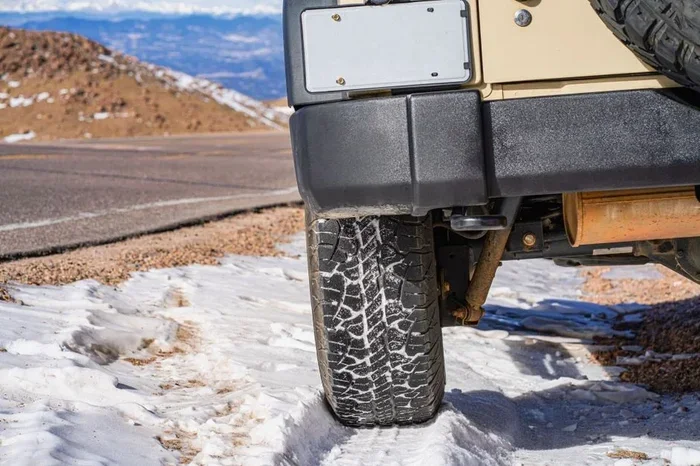
All weather tires are a versatile tire option designed to handle multiple seasons with ease. They offer solid tire performance in rain, snow, and dry conditions without needing seasonal swaps. This guide covers everything you need to know about choosing and using all weather tires for your vehicle.
If you live in a place where the weather changes a lot, you know how hard it can be to keep your car safe on the road. Rain in spring, heat in summer, leaves in fall, and snow in winter — each season brings its own challenges. That is where all weather tires come in. These tires are built to handle multiple seasons without needing a swap. In this guide, we will walk you through everything you need to know about all weather tires. You will learn what they are, how they compare to other tires, and why they might be the best choice for your daily drive.
Choosing the right tires is one of the most important decisions you can make for your vehicle. Tires are the only part of your car that touches the road. They affect your road safety, fuel use, and how well your car handles in different conditions. All weather tires have become very popular because they offer a practical solution for drivers who do not want to deal with seasonal tire changes. Whether you commute on the highway or drive through town, all weather tires can help you stay confident behind the wheel all year long.
Key Takeaways
- All weather tires work year round: They handle summer heat, winter cold, and wet roads without needing seasonal changes.
- They save time and money: No need to buy two sets of tires or pay for extra storage.
- Safety improves in mixed conditions: All weather tires offer reliable traction control on wet and snowy surfaces.
- Check the mountain/snowflake symbol: This tire rating confirms severe snow capability.
- Not all all weather tires are equal: Premium brands outperform budget options in braking distance and handling.
- Proper maintenance matters: Regular rotation and tread checks extend tire lifespan significantly.
📑 Table of Contents
- What Are All Weather Tires?
- All Weather Tires vs All Season Tires vs Winter Tires
- Benefits of All Weather Tires for Year Round Driving
- How to Choose the Right All Weather Tires
- Common Mistakes to Avoid When Using All Weather Tires
- Expert Tips for Getting the Most from All Weather Tires
- Are All Weather Tires Worth the Investment?
What Are All Weather Tires?
All weather tires are a type of tire made to perform well in a wide range of conditions. Unlike summer tires that struggle in cold weather, or winter tires that wear down fast in heat, all weather tires strike a balance. They use a special rubber compound that stays flexible in both hot and cold temperatures. This means you get reliable tire performance whether it is 90 degrees in July or 20 degrees in January.
The key to all weather tires is their design. The tire tread pattern is engineered to channel water away from the road surface, which helps prevent hydroplaning in the rain. At the same time, the tread blocks are shaped to bite into snow and ice. This makes all weather tires a great option for drivers who face unpredictable weather throughout the year.
How Do All Weather Tires Work in Different Temperatures?
One of the best things about all weather tires is their wide temperature range. Most summer tires start to lose grip when the temperature drops below 45 degrees Fahrenheit. Winter tires are the opposite — they are designed for cold weather but wear out quickly in heat. All weather tires work well in temperatures ranging from about 30 degrees to 80 degrees Fahrenheit. This wide range is why many drivers call them four season tires.
The rubber used in all weather tires is specially formulated to remain soft and grippy in cold weather while also resisting heat buildup during summer driving. This balance is what gives all weather tires their versatility. You do not need to worry about switching tires when the seasons change.
All Weather Tires vs All Season Tires vs Winter Tires
It is easy to confuse all weather tires with all season tires. While they sound the same, there is an important difference. All season tires are designed for mild weather and do not carry the mountain/snowflake symbol. All weather tires, on the other hand, are certified for severe snow driving. They carry the three-peak mountain snowflake symbol, which means they meet strict winter performance standards.
Here is a quick look at how these three types compare:
| Feature | All Weather Tires | All Season Tires | Winter Tires |
|---|---|---|---|
| Year Round Use | Yes | Yes (mild climates) | No |
| Severe Snow Rating | Yes | No | Yes |
| Wet Road Grip | Excellent | Good | Good |
| Dry Road Handling | Very Good | Very Good | Poor in heat |
| Fuel Efficiency | Good | Good | Lower |
| Tire Lifespan | Long | Long | Shorter |
| Best For | Variable climates | Mild, dry climates | Cold, snowy regions |
As you can see from the table, all weather tires offer the best of both worlds. They handle winter conditions better than all season tires and work year round without the drawbacks of dedicated winter tires. If you live in an area that gets occasional snow but also has hot summers, all weather tires are likely your best bet.
Benefits of All Weather Tires for Year Round Driving
There are many reasons why drivers are switching to all weather tires. Let us look at the biggest benefits.
Convenience and Time Savings
One of the top reasons people choose all weather tires is convenience. You do not need to schedule two tire changes every year. No more waiting in line at the shop in October and April. With all weather tires, you just drive all year. This saves you time, effort, and the hassle of storing a second set of wheels.
Cost Savings Over Time
Buying two sets of tires can add up fast. When you factor in the cost of summer tires, winter tires, mounting fees, and storage, the savings add up. All weather tires let you use one set all year. Over several years, this can save you hundreds of dollars. Plus, because all weather tires wear more evenly than dedicated winter tires, they tend to last longer, which means fewer replacements.
Improved Road Safety
Road safety is the most important reason to consider all weather tires. These tires provide strong traction control on wet, snowy, and icy roads. They also deliver reliable braking distance performance, which is critical when you need to stop quickly. Studies show that all weather tires with the mountain/snowflake symbol can significantly reduce stopping distances on snow compared to standard all season tires. This extra grip can make a real difference when conditions are tricky.
Better Vehicle Handling
Vehicle handling is another area where all weather tires shine. Because they maintain consistent grip across temperatures, you get more predictable steering and cornering. Whether you are navigating a rainy highway or driving through a light snowstorm, all weather tires help your car feel stable and responsive. This is especially important for highway driving at higher speeds.
Fuel Efficiency
Did you know your tires can affect your gas mileage? All weather tires are designed with low rolling resistance, which means your engine does not have to work as hard. This can lead to better fuel efficiency over time. While the savings per tank may be small, they add up over the life of the tires. It is a nice bonus that comes with choosing all weather tires.
How to Choose the Right All Weather Tires
Not all all weather tires are the same. Here is what you should look for when shopping.
Check for the Mountain/Snowflake Symbol
This is the most important step when choosing all weather tires. The three-peak mountain snowflake symbol tells you the tire has been tested and certified for severe snow conditions. Without this symbol, you are just buying all season tires with a different name. Always look for this mark to ensure your all weather tires can handle winter weather.
Consider Your Driving Conditions
Think about where and how you drive most often. Do you commute on icy highways? Do you live in a place with heavy snowfall? Or do you mostly drive in rain and mild cold? Your answers will help you pick the right all weather tires. Some models are better at handling deep snow, while others excel in wet conditions. Read reviews and check tire ratings from trusted sources before you buy.
Look at Tire Size and Load Rating
Make sure the all weather tires you choose match your vehicle specifications. Check your owner’s manual for the correct tire size, load index, and speed rating. Using the wrong size can affect your traction control and vehicle handling. It can also cause uneven wear, which shortens tire lifespan.
Budget vs Premium Options
All weather tires come in a wide price range. Budget options can cost as little as $80 per tire, while premium models may run $200 or more. Premium all weather tires usually offer better braking distance on wet and snowy roads, quieter ride quality, and longer tread life. If you drive a lot or face harsh winters, investing in a premium set is worth it. But even mid-range all weather tires can deliver solid performance for most drivers.
Quick Tips for Choosing All Weather Tires
- Always look for the mountain/snowflake symbol on the sidewall.
- Match the tire size to your vehicle’s specifications.
- Read at least three professional reviews before buying.
- Consider your local climate and driving habits.
- Check the warranty and treadwear warranty period.
Common Mistakes to Avoid When Using All Weather Tires
Even the best all weather tires will not perform well if you make these common mistakes.
Skipping Regular Tire Rotation
All weather tires need to be rotated every 5,000 to 7,500 miles. This ensures even wear across all four tires. Skipping rotation can cause uneven tread wear, which reduces traction control and shortens tire lifespan. Set a reminder on your phone or mark it on your calendar to stay on track.
Ignoring Tread Depth
Your tire tread is what grips the road. As it wears down, your ability to handle wet and snowy conditions decreases. A simple penny test can tell you if your all weather tires need replacing. Insert a penny into the tread with Lincoln’s head facing down. If you can see the top of his head, your tread is too worn. Replace your all weather tires at that point to maintain safe road safety.
Overinflating or Underinflating
Wrong tire pressure is one of the most common mistakes drivers make. Overinflated tires wear out faster in the center of the tread. Underinflated tires wear out on the edges and can overheat, which is dangerous. Check your tire pressure at least once a month. The correct PSI is listed on a sticker inside your driver’s door or in your owner’s manual.
Assuming All Weather Means All Conditions
While all weather tires are impressive, they are not magic. In extreme winter conditions — heavy snow, black ice, or temperatures well below freezing — dedicated winter tires will still outperform them. If you live in an area with severe winters, consider keeping winter tires for the worst months and using all weather tires for the rest of the year.
Expert Tips for Getting the Most from All Weather Tires
Expert Insights: Tire professionals agree that all weather tires are a smart choice for many drivers, but only if you take care of them properly. Here are some tips from the pros.
Tip 1: Keep Them Clean. Road salt, mud, and debris can damage your all weather tires over time. Rinse them off after driving in winter conditions. This simple habit can extend your tire lifespan by several months.
Tip 2: Monitor Tread Wear Closely. All weather tires work best when the tread is fresh. As the tread wears down, their ability to channel water and grip snow decreases. Replace them when the tread depth drops below 4/32 of an inch for optimal road safety.
Tip 3: Align Your Wheels Regularly. Poor alignment causes your all weather tires to wear unevenly and can affect vehicle handling. Get a wheel alignment checked at least once a year or whenever you notice your car pulling to one side.
Tip 4: Store Spare Tires Properly. If you keep a spare set of wheels, store them in a cool, dry place away from direct sunlight. UV rays and heat can degrade the rubber compound even when the tires are not in use.
Tip 5: Check for Recalls and Notices. Tire manufacturers sometimes issue recalls or safety notices. Register your all weather tires with the manufacturer so you get notified of any issues. This small step can keep you and your family safe on the road.
Are All Weather Tires Worth the Investment?
The short answer is yes. All weather tires offer a practical, safe, and cost-effective solution for drivers who face varied weather throughout the year. They give you the convenience of one set of tires, solid tire performance in multiple conditions, and peace of mind on the road.
Are they perfect for every situation? No. If you live in a place with brutal winters and very hot summers, dedicated winter tires and summer tires will still give you the absolute best performance in each season. But for most drivers, all weather tires hit the sweet spot between capability and convenience.
When you factor in the savings from not buying two sets of tires, the time you save skipping seasonal swaps, and the safety benefits of reliable year-round grip, all weather tires make a lot of sense. They are not just a compromise — they are a smart, practical choice for year round driving.
So the next time you need new tires, give all weather tires a serious look. Your wallet, your time, and your safety will thank you. Make the smart switch today and enjoy confident driving in every season.
Frequently Asked Questions
Can all weather tires replace winter tires entirely?
All weather tires with the mountain/snowflake symbol can handle light to moderate winter conditions well. However, in areas with heavy snowfall or extreme cold, dedicated winter tires still offer superior grip. Think of all weather tires as a versatile option that covers most winter needs without requiring a seasonal swap.
How long do all weather tires last?
With proper care, all weather tires can last between 40,000 and 70,000 miles. Regular rotation, proper inflation, and wheel alignment all help extend tire lifespan. Your driving habits and local climate also play a big role in how long they last.
Are all weather tires the same as all season tires?
No, they are not the same. All weather tires are certified for severe snow driving and carry the mountain/snowflake symbol. All season tires are designed for mild weather and do not meet the same winter performance standards. Always check for the snowflake symbol when shopping for all weather tires.
Do all weather tires improve fuel economy?
Yes, all weather tires are designed with low rolling resistance, which can improve fuel efficiency slightly. While the savings per tank are modest, they add up over time. Choosing a quality set of all weather tires can contribute to better gas mileage throughout the year.
What is the best way to maintain all weather tires?
Keep your all weather tires properly inflated, rotate them every 5,000 to 7,500 miles, and check tread depth regularly. Clean them after driving in salt or mud. Regular alignment checks also help ensure even wear and optimal vehicle handling. These simple steps keep your tires performing at their best.
Can I use all weather tires on a truck or SUV?
Absolutely. All weather tires are available in a wide range of sizes to fit sedans, SUVs, trucks, and crossovers. Just make sure you choose the correct size and load rating for your vehicle. Many manufacturers make all weather tires specifically designed for larger vehicles with heavier loads.