How to Keep Toilet Bowl Brush Clean
Keeping your toilet bowl brush clean is essential for maintaining a hygienic bathroom. A dirty brush spreads germs and creates unpleasant odors, undermining your cleaning efforts. With the right habits and tools, you can keep your brush fresh and effective for years.
Key Takeaways
- Clean your brush after every use: Rinse thoroughly and store properly to prevent bacterial buildup.
- Use disinfectants regularly: A weekly soak in bleach or vinegar solution kills germs and removes stains.
- Choose the right brush: Opt for brushes with easy-to-clean bristles and drip-free stands.
- Replace brushes every 6–12 months: Worn bristles harbor more bacteria and lose effectiveness.
- Store in a dry, ventilated area: Moist environments encourage mold and mildew growth.
- Wear gloves when cleaning: Protect your hands from harmful bacteria during scrubbing.
- Don’t skip the handle: The brush handle collects germs—clean it just like the bristles.
📑 Table of Contents
- How to Keep Toilet Bowl Brush Clean: A Complete Guide
- Why Cleaning the Toilet Bowl Brush Matters
- Daily Habits for a Clean Toilet Bowl Brush
- Weekly Deep Cleaning Routine
- Choosing the Right Toilet Bowl Brush
- Common Mistakes to Avoid
- Natural and Eco-Friendly Cleaning Options
- When to Replace Your Toilet Bowl Brush
- Bonus Tips for a Fresh-Smelling Bathroom
- Conclusion
How to Keep Toilet Bowl Brush Clean: A Complete Guide
Let’s be honest—no one looks forward to cleaning the toilet bowl. But that doesn’t mean we can skip the step that actually does the dirty work: the toilet bowl brush. Over time, this humble cleaning tool can become a breeding ground for bacteria, mold, and foul odors. And if you’ve ever noticed a strange smell coming from your brush holder or seen black spots on the bristles, you’re not alone.
The toilet bowl brush is one of the most misunderstood bathroom tools. Many people treat it like a disposable item, tossing it after a few months. But with the right care, a quality brush can last a long time and help keep your toilet sparkling clean. The key is understanding how to keep toilet bowl brush clean—not just once, but every single time you use it.
In this guide, we’ll walk you through everything you need to know about maintaining your toilet bowl brush. From daily habits to weekly deep cleans, we’ll cover practical tips that are easy to follow and backed by hygiene experts. Whether you’re dealing with stubborn stains, a wobbly brush stand, or just want to keep your bathroom smelling fresh, this article has you covered.
Why Cleaning the Toilet Bowl Brush Matters
You might be wondering: “Why should I care about how to keep toilet bowl brush clean?” After all, it’s just a brush. But think about it—every time you scrub your toilet, you’re dragging that brush through waste, urine, and bacteria. If you don’t clean the brush properly, you’re essentially spreading germs around your bathroom every time you use it.
Visual guide about How to Keep Toilet Bowl Brush Clean
Image source: elfinview.com
Studies show that bathroom surfaces, including toilet brushes, can harbor dangerous bacteria like E. coli, Salmonella, and even Norovirus. A 2020 study published in the American Journal of Infection Control found that improperly stored toilet brushes can become contaminated with fecal matter within hours of use. That’s why proper cleaning isn’t just about aesthetics—it’s about health.
When your brush is dirty, it can also make your toilet cleaning less effective. A grimy brush won’t pick up dirt or disinfect properly, leaving streaks and stains behind. And let’s not forget the smell—a musty, sour odor from your brush holder is a sure sign it’s time for a deep clean.
The Risks of a Dirty Toilet Bowl Brush
- Bacterial contamination: Bacteria can grow rapidly in warm, moist environments—like a brush left in a damp holder.
- Odor buildup: Organic matter trapped in bristles creates smelly compounds.
- Reduced cleaning power: Grime buildup makes bristles less effective at scrubbing.
- Cross-contamination: Dirty brushes can transfer germs to other bathroom surfaces.
So, how do we avoid these pitfalls? By following a simple routine that keeps your brush clean, dry, and ready for action.
Daily Habits for a Clean Toilet Bowl Brush
Keeping your toilet bowl brush clean doesn’t require a lot of time—just a few minutes a day. By building a few simple habits into your routine, you can prevent buildup and extend the life of your brush.

Visual guide about How to Keep Toilet Bowl Brush Clean
Image source: dealgenius.com
1. Rinse Immediately After Use
After scrubbing your toilet, don’t just put the brush back in its holder. Give it a quick rinse under hot water. This removes loose debris and prevents it from drying into hard-to-clean residue.
Pro tip: Use a handheld showerhead or a sink sprayer for a more thorough rinse.
2. Shake Off Excess Water
After rinsing, give the brush a firm shake to remove excess water. This helps prevent mold and mildew from forming in the bristles.
3. Store in a Drip-Free Stand
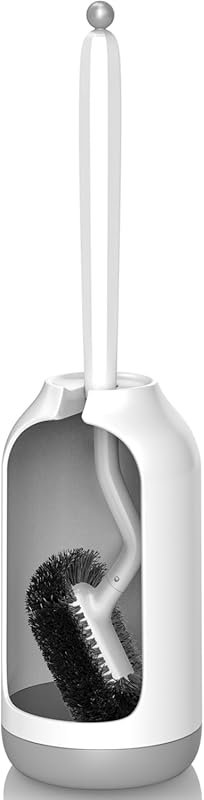
Choose a brush holder with drainage holes or a drip tray. This allows water to flow out instead of pooling at the base. Avoid wall-mounted holders without drainage—they trap moisture and promote bacterial growth.
4. Keep the Brush Away from Toilet Spray
When you flush, the toilet can spray water and germs into the air. Make sure your brush stand is positioned so it doesn’t get splashed. A simple fix is placing a small mat or tray underneath the holder to catch any drips.
5. Clean the Handle
Don’t forget the handle! It’s often overlooked, but the handle can collect germs from your hands and the bathroom air. Wipe it down with a disinfectant wipe or soapy water after each use.
Weekly Deep Cleaning Routine
Daily rinsing is great, but your brush needs a deeper clean once a week. This removes built-up grime, kills bacteria, and keeps your brush smelling fresh.
Visual guide about How to Keep Toilet Bowl Brush Clean
Image source: static.vecteezy.com
1. Soak in a Disinfectant Solution
Fill a bowl or bucket with warm water and add one of the following:
- 1 cup of bleach + 1 gallon of water (effective against most bacteria and viruses)
- 1 cup of white vinegar + 1 cup of water (natural and safe for most surfaces)
- Commercial bathroom disinfectant spray (look for EPA-approved formulas)
Soak the brush for 10–15 minutes, then scrub the bristles with a soft brush or old toothbrush to remove any stubborn residue.
2. Scrub with Baking Soda and Vinegar
For tough stains or mineral buildup, try this natural method:
- Sprinkle baking soda over the bristles.
- Spray or pour white vinegar over the baking soda—it will fizz.
- Let it sit for 5–10 minutes, then scrub and rinse.
This combo is especially useful for removing limescale or hard water stains.
3. Disinfect the Handle and Stand
Wipe down the brush handle and the inside of the holder with a disinfectant wipe or a cloth soaked in rubbing alcohol. This prevents cross-contamination.
4. Let Everything Dry Completely
After cleaning, place the brush in a well-ventilated area or upside down on a towel to dry. Never put a wet brush back in its holder immediately—it will recontaminate the bristles.
Choosing the Right Toilet Bowl Brush
You can’t keep your brush clean if it’s not designed for easy cleaning. The right brush makes maintenance effortless and keeps your bathroom hygienic.
Look for These Features:
- Replaceable heads: Some brushes allow you to swap out the bristles instead of replacing the whole thing.
- Ergonomic handle: A comfortable grip reduces hand fatigue during cleaning.
- Soft, durable bristles: Nylon bristles resist wear and are less likely to harbor bacteria than natural fibers.
- Non-slip base: Prevents the brush from tipping over and spilling water.
- Antimicrobial materials: Some modern brushes are treated with silver or copper to inhibit bacterial growth.
Recommended Brush Types:
- Traditional brush with stand: Best for daily use and easy cleaning.
- Wall-mounted brush: Saves space but must have drainage.
- Self-cleaning brush: Some models come with built-in sprays or UV light for automatic disinfection.
When shopping, read reviews and look for brands that emphasize hygiene and ease of cleaning. Avoid brushes with deep grooves or hard-to-reach areas where dirt can accumulate.
Common Mistakes to Avoid
Even with the best intentions, many people make simple mistakes that compromise brush hygiene. Here are the most common errors—and how to fix them.
1. Storing the Brush Upside Down
Putting the brush in its holder with the bristles facing down traps water and creates a perfect environment for mold. Always store it upright or on its side with drainage.
2. Using the Same Brush for Years
Most brushes should be replaced every 6 to 12 months. Worn bristles can’t clean effectively and are more likely to break down into tiny particles that harbor bacteria.
3. Skipping the Handle
You scrub the bristles—but what about the handle? It’s often the dirtiest part because it touches your hands and the bathroom air. Clean it regularly with soap and water or disinfectant.
4. Using Harsh Chemicals
While bleach is effective, using it too often can damage bristles and the handle. Limit bleach soaks to once a week and rinse thoroughly afterward.
5. Not Cleaning the Holder
The brush holder itself can become filthy. Empty and rinse it weekly, and deep clean it monthly with soap and water.
Natural and Eco-Friendly Cleaning Options
If you prefer to avoid harsh chemicals, there are plenty of natural ways to keep your toilet bowl brush clean.
1. White Vinegar Soak
Vinegar is a natural disinfectant that kills up to 99% of bacteria. Mix equal parts white vinegar and water, soak the brush for 15 minutes, then scrub and rinse.
2. Baking Soda Paste
Make a paste with baking soda and water, apply it to the bristles, and scrub gently. Rinse thoroughly. This works well for removing stains and odors.
3. Lemon Juice and Salt
Sprinkle salt over lemon juice and scrub the brush. The acidity of lemon kills germs, and salt acts as a gentle abrasive.
4. Essential Oils for Freshness
Add a few drops of tea tree oil or lavender oil to your cleaning solution. These oils have antimicrobial properties and leave a pleasant scent.
These methods are safe for most brush materials and are great for eco-conscious households.
When to Replace Your Toilet Bowl Brush
No matter how well you clean it, your brush will eventually wear out. Here’s how to know when it’s time for a new one.
Signs It’s Time to Replace:
- Bristles are frayed, broken, or no longer hold their shape.
- The brush has a persistent bad smell that doesn’t go away with cleaning.
- You’ve used it for over a year without deep cleaning.
- The handle is cracked or slippery.
- You notice visible mold or black spots on the bristles.
Replacing your brush regularly ensures better hygiene and more effective cleaning. Don’t wait until it’s too late—make it part of your monthly bathroom maintenance routine.
Bonus Tips for a Fresh-Smelling Bathroom
A clean toilet bowl brush contributes to a cleaner, fresher-smelling bathroom. Here are a few extra tips to keep things smelling nice.
- Use a bathroom air freshener: Plug-ins, sprays, or essential oil diffusers can mask odors.
- Ventilate the bathroom: Open a window or run the fan after cleaning.
- Clean the brush holder weekly: Wipe it down with soap and water.
- Use a toilet bowl cleaner with deodorizing agents: This helps prevent odor from returning.
Remember, a clean brush is the first step toward a cleaner bathroom—and a cleaner you.
Conclusion
Keeping your toilet bowl brush clean isn’t complicated, but it’s essential. By following a simple daily and weekly routine, you can prevent bacteria buildup, eliminate odors, and keep your bathroom smelling fresh. The key is consistency—rinsing after use, deep cleaning weekly, and replacing the brush when needed.
Remember, how to keep toilet bowl brush clean goes beyond just the bristles. It’s about choosing the right tools, storing them properly, and treating them like the important hygiene tool they are. With these tips, you’ll not only protect your health but also extend the life of your brush and improve your cleaning results.
So the next time you reach for your brush, take a moment to clean it properly. Your bathroom—and your health—will thank you.
Frequently Asked Questions
How often should I clean my toilet bowl brush?
Clean your brush after every use by rinsing it thoroughly. Perform a deep clean weekly using a disinfectant solution like bleach or vinegar. Replace the brush every 6 to 12 months.
Can I use bleach to clean my toilet bowl brush?
Yes, but use it sparingly. Mix 1 cup of bleach with 1 gallon of water and soak the brush for 10–15 minutes. Rinse well afterward to avoid damaging the bristles or handle.
How do I remove mold from my toilet bowl brush?
Soak the brush in a solution of white vinegar and water for 15 minutes, then scrub with a soft brush. For stubborn mold, use a baking soda paste or commercial mold remover.
Should I clean the brush handle?
Yes, the handle collects germs from your hands and the bathroom air. Wipe it down with soap and water or a disinfectant wipe after each use.
Can I put my toilet bowl brush in the dishwasher?
No, most dishwashers are too harsh and can damage the bristles and handle. Hand washing with soap and water or a disinfectant soak is recommended.
How do I prevent my toilet bowl brush from smelling?
Store it upright in a drip-free stand, rinse it after each use, and deep clean it weekly. Ensure it dries completely before storing to prevent mold and odor buildup.