
1 Best Direction For Study Desk of 2026 – Expert Quality Picks
Finding the right direction for your study desk can make a world of difference in your productivity and comfort. Whether you’re working from home, studying for exams, or simply need a dedicated space to focus, the placement and orientation of your desk play a crucial role in creating an effective learning or working environment. The best direction for study desk placement considers factors like natural light, room flow, and ergonomic positioning to minimize distractions and maximize efficiency.
Quick Product Comparison
| Product | Image | Check Price |
|---|---|---|
| 1. BestOffice Mid-Back Office Chair | |
Check Price |
Our Top 1 Best Direction For Study Desk Reviews – Expert Tested & Recommended
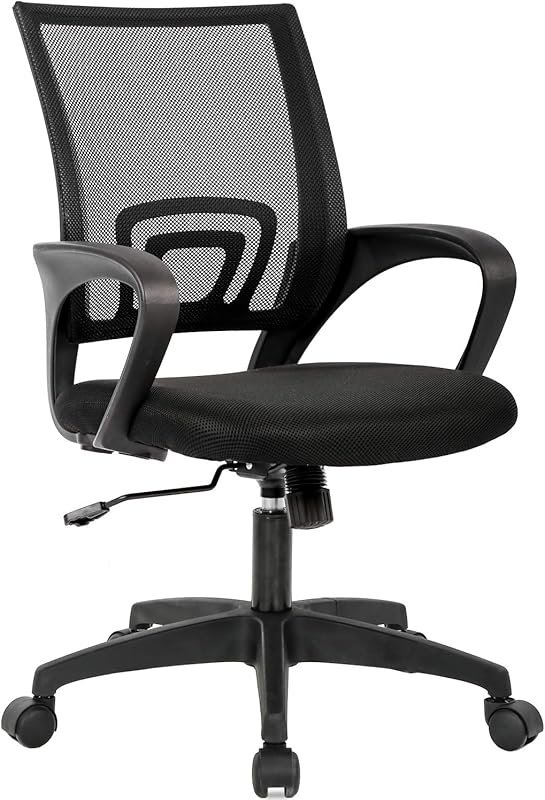
1. BestOffice Ergonomic Office Chair with Lumbar Support, Adjustable Height, Breathable Backrest & Rolling Wheels
★★★★☆ 4.5/5
The BestOffice ergonomic office chair is designed to provide exceptional comfort and support for long study or work sessions. With its breathable mesh back, adjustable height, and lumbar support, this chair helps maintain proper posture while reducing fatigue. The rolling wheels make it easy to reposition your study desk setup as needed.
Key Features That Stand Out
- ✓ Breathable mesh backrest promotes airflow and keeps you cool during extended use
- ✓ Adjustable seat height (17.1″–20.3″) fits various desk heights and user preferences
- ✓ Ergonomic lumbar support reduces back strain and promotes healthy posture
- ✓ High-density cushioning provides comfort without sacrificing support
- ✓ Smooth-rolling casters allow easy movement around your study space
Why We Recommend It
This BestOffice chair stands out for its excellent balance of comfort, adjustability, and durability. The ergonomic design supports your spine naturally, while the breathable materials prevent overheating during long study sessions. Its straightforward assembly and reliable construction make it a practical choice for any home office setup.
Best For
Perfect for students and professionals who spend extended hours at their desk, especially those looking to improve their study environment with proper ergonomic support.
Pros and Cons
Pros:
- Excellent lumbar support reduces back pain during long study sessions
- Breathable mesh material keeps you comfortable in warm environments
- Easy assembly with clear instructions and included tools
- Smooth-rolling casters allow flexible desk positioning
Cons:
- Mesh material may not appeal to those preferring solid backrests
- Limited weight capacity compared to premium ergonomic chairs
- Armrests are fixed and not height-adjustable
Customer Reviews
Customer Review: Great lightweight and comfortable desk chairs. Lumbar Support and great rollers. Very Easy light Assembly. Very Affordable.
Customer Review: A really good buy. For me the chair is comfortable and nice to use. The seat is soft enough to sit in and the reclining is good. Rolls easily and simple to put together. Nice product for me and the price is great.
Complete Buying Guide for Best Direction For Study Desk
Essential Factors We Consider
When determining the best direction for your study desk, several key factors influence your productivity and comfort. Natural light from windows should ideally illuminate your workspace without causing glare on screens. Positioning your desk perpendicular to windows provides the best lighting distribution, while facing away from direct sunlight reduces eye strain. Room flow and traffic patterns also matter—your desk should be placed where you won’t be interrupted frequently by household activities.
Budget Planning
Setting a realistic budget for your study desk setup helps you make informed decisions without overspending. Entry-level desks typically range from $100-$200 and offer basic functionality, while mid-range options ($200-$400) provide better materials and features. High-end desks ($400+) include premium materials, advanced ergonomic features, and customizable options. Remember to factor in the cost of a comfortable chair and any necessary accessories when planning your budget.
Final Thoughts
The best direction for study desk placement depends on your specific room layout, lighting conditions, and personal preferences. Prioritize natural light, minimize distractions, and ensure proper ergonomics to create an effective study environment. Consider starting with a simple setup and gradually optimizing your space as you identify what works best for your study habits and productivity needs.
Frequently Asked Questions
Q: Should my study desk face the wall or be open to the room?
A: For most people, having the desk face the wall creates a sense of privacy and reduces visual distractions, while still allowing you to see the room’s entrance. This positioning helps maintain focus while providing a feeling of security and structure to your study space.
Q: Is it better to have the desk near a window or away from it?
A: Ideally, position your desk to the side of a window rather than directly facing it. This allows natural light to illuminate your workspace without causing glare on computer screens. Direct window placement should be avoided as it can create harsh shadows and distracting light variations throughout the day.
Q: How much space should I leave around my study desk?
A: You should maintain at least 2-3 feet of clearance around your desk for comfortable movement. This includes space in front for chair movement, sides for reaching items, and behind for additional storage or walking space. Proper circulation around the desk prevents feeling cramped and allows for easy access to all study materials.
Q: Can I place my desk in a corner for better space utilization?
A: Corner desks can be excellent space-savers and often provide good lighting if positioned near windows. However, ensure the corner isn’t too cramped and that you have adequate lighting from other sources if natural light is limited. Corner placement can also help reduce distractions from high-traffic areas.
Q: Should I face north, south, east, or west with my study desk?
A: While some people believe certain directions have mystical properties, the practical considerations matter more. East-facing desks get morning light which many find energizing, while north-facing spaces provide consistent, shadow-free lighting. Choose based on your room’s actual light patterns and your personal preference for lighting intensity throughout the day.
Creating the best direction for your study desk is about finding the perfect balance between functionality, comfort, and your personal study habits. Whether you’re optimizing natural light, minimizing distractions, or creating an ergonomic workspace, thoughtful desk placement can significantly improve your focus and productivity. Remember that the ideal setup may change as your needs evolve, so don’t hesitate to adjust your study space over time. Start by assessing your current environment, identify areas for improvement, and gradually refine your setup until you find what works best for your unique learning style and schedule.