i-Stop Technology Explained Why It Matters For Cars
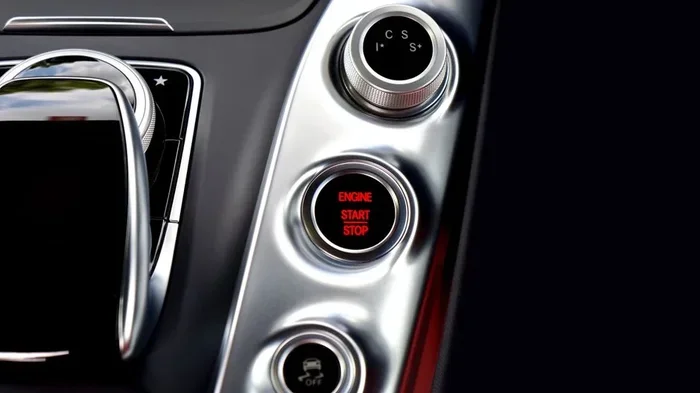
i-stop technology is an automatic engine shutoff system that turns off your car’s engine when you stop, then restarts it instantly when you are ready to go. It helps you save fuel, cut emissions, and drive more efficiently, especially in city traffic. Understanding how i-stop works can help you make smarter choices about your vehicle.
Key Takeaways
- Fuel Savings: i-stop can improve fuel economy by shutting off the engine during idle moments in traffic.
- Emissions Reduction: Less idling means fewer harmful pollutants released into the air.
- How It Works: The system uses sensors and a strong battery to restart the engine quickly and smoothly.
- Widely Available: Many modern cars from brands like Mazda, Honda, and Toyota come with i-stop or similar systems.
- Battery Dependency: i-stop relies on a healthy battery and charging system to function properly.
- City Driving Benefit: The technology shines most in stop-and-go traffic where idling is frequent.
📑 Table of Contents
What Is i-Stop Technology?
i-stop is a smart engine management system that automatically shuts off your car’s engine when you come to a complete stop. i-stop then restarts the engine the moment you take your foot off the brake pedal. This innovative feature helps drivers save fuel, reduce emissions, and enjoy a more efficient driving experience. Whether you are stuck in city traffic or waiting at a long intersection, i-stop handles the idle moments for you.
The technology was first popularized by Mazda, where it is known as i-stop. Other automakers use similar systems under different names, such as start-stop or idle stop-start. But the core idea is the same: do not let your engine idle when the car is not moving. Idle time wastes fuel. When your engine runs while the car is stationary, it burns gasoline or diesel without moving you forward. Over time, this adds up to a lot of wasted fuel and unnecessary emissions. i-stop eliminates this waste by turning the engine off during stops.
Many drivers are curious about automatic engine start-stop systems and how they fit into modern driving. The concept is simple, but the engineering behind it is impressive. Sensors, control modules, and specialized components all work together to make i-stop seamless. Most drivers barely notice when the system activates, which is exactly how it should be.
How i-Stop Differs from Traditional Idling
In a traditional car, the engine keeps running even when you are stopped at a traffic light. i-stop changes this behavior completely. The system uses sensors to detect when the car is fully stopped and the driver wants to remain in place. It then shuts down the engine automatically. When you are ready to go, you simply release the brake pedal. The i-stop system fires up the engine in less than half a second.
Here are some key differences between traditional idling and i-stop operation:
- Traditional Idling: Engine runs continuously, burning fuel even when the car is stationary.
- i-Stop Active: Engine shuts off at stops and restarts instantly when you are ready to move.
- Fuel Use: Traditional idling wastes fuel; i-stop conserves it by eliminating idle time.
- Emissions: i-stop reduces tailpipe emissions during idle periods significantly.
The difference becomes even more noticeable during long waits at railroad crossings or in heavy traffic congestion. Every minute your engine is off instead of idling is a minute of fuel saved and emissions reduced.
How Does i-Stop Work Under the Hood?
Understanding how i-stop works helps you appreciate the engineering behind it. The system relies on several components working together seamlessly. Let us break down the key parts of the i-stop mechanism.
The Role of the Battery and Starter Motor
Unlike a regular starter motor, the one used in i-stop systems is built for frequent, rapid cycling. It must start the engine hundreds or even thousands of times during a single drive. This requires a stronger, more durable starter motor and a robust battery. Most i-stop systems use either a traditional lead-acid battery or an enhanced battery design. Some vehicles use absorbed glass mat (AGM) batteries, which are better suited for the demands of frequent engine restarts. The battery must also maintain enough charge to power the car’s electrical systems while the engine is off.
Battery health is critical for i-stop performance. If your battery is weak or aging, the system may disable itself to prevent unexpected issues. Keeping your battery in good condition ensures that i-stop works reliably every time you drive.
Sensors and Control Logic
i-stop relies on a network of sensors to decide when to shut off and restart the engine. These sensors monitor several conditions:
- Whether the car is completely stopped
- Whether the brake pedal is pressed
- Whether the transmission is in gear
- Whether the battery has enough charge
- Whether the cabin temperature needs heating or cooling
If all conditions are met, i-stop shuts off the engine. If any condition is not met, the system keeps the engine running. This smart logic ensures that i-stop only activates when it is safe and practical to do so. The control module processes all this information in milliseconds, making the whole process feel effortless.
Quick Tip: If your i-stop system feels like it is not activating, check your battery health first. A weak battery is the most common reason i-stop disables itself.
The Benefits of i-Stop for Drivers and the Environment
The benefits of i-stop go beyond just saving a few drops of fuel. This technology impacts your wallet, your driving experience, and the environment in meaningful ways. Let us explore the biggest advantages of having i-stop on your vehicle.
Fuel Efficiency and Savings
One of the biggest advantages of i-stop is improved fuel efficiency. Studies show that idling can waste between 0.2 and 0.5 gallons of fuel per hour, depending on the engine size. In city driving with frequent stops, this waste adds up quickly. i-stop eliminates this waste by shutting off the engine during stops. By doing so, the system can improve fuel economy by 3 to 10 percent in city driving conditions. Over time, these savings can add up to real money at the pump.
Here is a simple comparison of fuel use with and without i-stop in city driving:
| Scenario | Fuel Use (City Driving) | Annual Fuel Cost (Est.) |
|---|---|---|
| Without i-stop | Higher idle time, more fuel burned | $1,200 – $1,500 |
| With i-stop | Reduced idle time, less fuel burned | $1,080 – $1,350 |
| Estimated Savings | 5-10% improvement | $120 – $150 per year |
These numbers vary based on driving habits, traffic conditions, and vehicle type. But even at the lower end, i-stop delivers noticeable savings over time. For drivers who spend a lot of time in urban areas, the fuel savings from i-stop can be especially meaningful.
Environmental Impact
Less idling means fewer emissions. When your engine runs while the car is stationary, it releases carbon dioxide, nitrogen oxides, and particulate matter into the air. These pollutants contribute to smog, climate change, and poor air quality in cities. i-stop reduces these emissions by eliminating unnecessary idle time. In heavy traffic, i-stop can cut idle emissions by up to 15 percent. This may seem small, but when millions of cars adopt the technology, the collective impact is significant.
For drivers who care about their environmental footprint, i-stop is an easy way to make a positive difference. You do not need to change your driving habits. The system works automatically in the background, supporting eco-friendly driving without any extra effort from you.
Engine Wear and Longevity
Some drivers worry that frequent engine restarts might wear out the starter motor or engine faster. Modern i-stop systems are engineered to handle this. The starter motors are designed for high durability, and the engine components are built to withstand frequent cycling. In fact, i-stop does not cause more wear than normal driving conditions. The system only activates when the engine is at operating temperature, which reduces stress on components. Manufacturers test i-stop systems extensively to ensure they last the lifetime of the vehicle.
Expert Insight: According to automotive engineers, i-stop systems are designed with the same durability standards as the rest of the vehicle. The starter motor and battery are specifically chosen to handle the extra demands of start-stop cycling.
i-Stop in Different Types of Vehicles
i-stop technology is not limited to one type of car. It appears in a wide range of vehicles, from compact city cars to larger SUVs. Let us look at how i-stop works across different vehicle categories and fuel types.
i-Stop in Hybrid and Electric Vehicles
Hybrid vehicles often use i-stop as one of many efficiency features. In a hybrid car, i-stop works alongside regenerative braking and electric motor assist to maximize fuel savings. The electric motor can even power accessories like air conditioning while the engine is off, keeping the cabin comfortable without idling the engine.
In fully electric vehicles, the concept of i-stop is less relevant since there is no combustion engine to shut off. However, the idle reduction principle still applies. Electric vehicles use regenerative braking to recover energy during stops, achieving similar efficiency gains. This green technology approach shows how different powertrains can achieve the same goal of reducing waste.
i-Stop in Gasoline and Diesel Cars
i-stop is most commonly found in gasoline and diesel vehicles. In gasoline cars, the system works by shutting off the spark plugs and fuel injection when the car stops. When you are ready to go, the starter motor cranks the engine back to life. In diesel engines, i-stop works similarly but must account for the higher compression ratios in diesel motors. Diesel i-stop systems use glow plugs and specialized starter motors to ensure reliable restarts, even in cold weather.
Here is a quick comparison of i-stop across fuel types:
| Fuel Type | How i-Stop Works | Best Suited For | Typical Fuel Savings |
|---|---|---|---|
| Gasoline | Shuts off fuel and spark; restarts via starter motor | City driving, light traffic | 3-8% |
| Diesel | Uses glow plugs and heavy-duty starter | Highway and city driving | 5-10% |
| Hybrid | Works with electric motor and battery | All driving conditions | 8-15% |
| Electric | Not applicable (no combustion engine) | Regenerative braking instead | N/A |
i-Stop in Manual vs Automatic Transmission Vehicles
i-stop works with both manual and automatic transmissions, but the activation conditions differ slightly. In manual transmission cars, i-stop typically activates when the car is stopped, the clutch is pressed, and the gear is in neutral. In automatic cars, the system activates when the brake pedal is pressed and the car is in drive or neutral. Some drivers of manual transmission cars prefer to disable i-stop because they like to keep the engine running in first gear at intersections. This is a personal preference and does not affect the system’s overall performance.
Common Myths and Misconceptions About i-Stop
Like any popular technology, i-stop has its share of myths. Let us clear up some of the most common misconceptions so you can make an informed decision about your vehicle.
Myth: i-Stop Damages the Engine
This is one of the most persistent myths about i-stop. The truth is that modern i-stop systems are engineered to handle thousands of engine restarts over the vehicle’s lifetime. The starter motor, battery, and engine components are all built to withstand the extra demands. i-stop only activates when the engine is warm, which reduces stress on cold-start components. Manufacturers have tested these systems rigorously, and they carry the same warranty coverage as the rest of the vehicle.
Myth: i-Stop Drains the Battery Quickly
Another common concern is that i-stop will drain the battery. In reality, i-stop systems are designed with battery health in mind. The system monitors battery charge constantly and will not activate if the battery is low. The battery in an i-stop-equipped car is typically larger or more advanced than a standard car battery. This ensures it can handle the extra demands of frequent restarts while still powering the car’s electrical systems.
Myth: i-Stop Is Only Useful in Heavy Traffic
While i-stop shines in stop-and-go traffic, it is not limited to that scenario. Any time your car comes to a complete stop, i-stop can activate. This includes railroad crossings, long drive-through lines, and even brief pauses at intersections. The more stops you encounter in your daily drive, the more benefit you get from i-stop. But even in moderate traffic, the system contributes to fuel savings and emissions reduction.
Common Mistakes:
- Ignoring battery maintenance, which can cause i-stop to disable itself.
- Assuming i-stop works the same in all vehicles, when activation conditions vary by manufacturer.
- Disabling i-stop permanently instead of letting it work when conditions allow.
Should You Choose a Car with i-Stop?
By now, you have a good understanding of what i-stop is and how it works. The big question remains: should you choose a car with i-stop? The answer depends on your driving habits and priorities.
If you spend a lot of time in city traffic, i-stop can deliver meaningful fuel savings and reduce your environmental impact. If you mostly drive on highways with few stops, the benefits are smaller but still present. Most car buyers today view i-stop as a standard or expected feature. It is no longer a luxury or novelty. Many automakers include it as part of their commitment to automotive innovation and environmental responsibility.
Here are a few things to keep in mind when considering i-stop:
- Fuel Savings: Expect 3 to 10 percent improvement in city fuel economy.
- Maintenance: Keep your battery healthy to ensure i-stop works properly.
- Comfort: Most drivers adapt to i-stop within a few days and barely notice it.
- Resale Value: Cars with i-stop may have a slight edge in resale value due to their efficiency credentials.
If you are in the market for a new car, i-stop is a feature worth considering. It is a practical, proven technology that delivers real benefits without requiring any extra effort from the driver. The driving efficiency gains are real, and the system works quietly in the background every time you hit a red light.
Conclusion
i-stop technology is more than just a clever engineering trick. It is a practical solution to one of the most common sources of fuel waste in driving: idling. By automatically shutting off the engine when the car is stopped and restarting it instantly when you are ready to go, i-stop helps you save fuel, reduce emissions, and drive more efficiently.
The technology has evolved significantly since its introduction, and modern i-stop systems are reliable, durable, and nearly seamless in operation. Whether you drive a compact city car or a larger SUV, i-stop can make a meaningful difference in your daily driving experience. As automakers continue to prioritize fuel efficiency and environmental responsibility, i-stop and similar start-stop systems will only become more widespread.
Understanding how this technology works empowers you to make informed decisions about your next vehicle and your driving habits. i-stop is a small feature with a big impact. The next time you notice your car engine shutting off at a red light, you will know exactly why, and you can appreciate the technology working silently to make your drive greener and more efficient.
Frequently Asked Questions
Does i-stop really save fuel?
Yes, i-stop can save fuel by eliminating idle time. In city driving, studies show fuel savings of 3 to 10 percent. The exact amount depends on your driving conditions, traffic patterns, and vehicle type. More stops mean more fuel saved, so city drivers benefit the most.
Can I turn off i-stop if I don’t like it?
Most cars with i-stop have a button to disable the system temporarily. However, the system usually reactivates when you start the engine again. Some drivers disable i-stop in very cold weather or when using accessories like air conditioning heavily. It is a personal choice, and the system is designed to be easily toggled.
Does i-stop wear out the starter motor faster?
No, modern i-stop systems use specially designed starter motors built for frequent cycling. These components are engineered to handle thousands of extra starts over the vehicle’s lifetime without premature wear. Manufacturers test them extensively for durability, so you should not worry about extra maintenance costs.
Will i-stop work in very cold weather?
i-stop may disable itself in very cold weather to protect the engine and ensure reliable restarts. The system monitors engine temperature and battery health before activating. Once the engine reaches operating temperature, i-stop typically resumes normal operation. This safety feature prevents any issues in freezing conditions.
Does i-stop work with automatic transmission?
Yes, i-stop works with both manual and automatic transmissions. In automatic cars, the system activates when the brake pedal is pressed and the car is stopped. The activation conditions may vary slightly between manufacturers and transmission types, but the core function remains the same across all vehicles.
Is i-stop the same as regenerative braking?
No, they are different technologies. i-stop shuts off the engine during stops to save fuel. Regenerative braking recovers energy during deceleration and stores it in the battery. They often work together in hybrid vehicles to maximize overall efficiency and driving efficiency.