Key Responsibilities of BMW Explained for New Owners
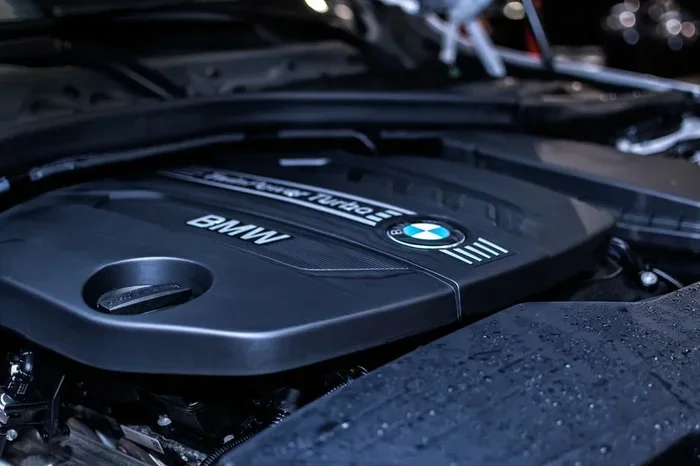
The key responsibilities of BMW ownership go far beyond just driving. New BMW owners must stay on top of regular maintenance, understand safety features, and follow service schedules to keep their luxury vehicle running at peak performance. This guide breaks down everything you need to know to take care of your BMW the right way.
Key Takeaways
- Regular Maintenance: Staying current with oil changes, fluid checks, and tire care keeps your BMW running smoothly and reliably.
- Warranty Awareness: Understanding your BMW warranty helps you avoid unnecessary repair costs and surprises.
- Safety First: BMW’s advanced safety features need regular checks to function properly and protect you on the road.
- Software Updates: Keeping your BMW’s software current ensures optimal performance, security, and access to new features.
- Seasonal Care: Adjusting your maintenance routine for weather changes protects your investment year-round.
- Driving Habits Matter: How you drive directly impacts your BMW’s longevity, fuel efficiency, and overall performance.
📑 Table of Contents
Understanding the Key Responsibilities of BMW Ownership
Buying a BMW is exciting. The sleek design, the powerful engine, the smooth ride. But with that excitement comes a big question: what does it really take to own one? The key responsibilities of BMW ownership go well beyond just turning the key and driving off. Your BMW is a premium machine, and it deserves premium care.
Every new BMW owner should understand what their vehicle needs to stay in top shape. From routine oil changes to understanding dashboard alerts, the key responsibilities of BMW ownership cover a wide range of tasks. This guide will walk you through each one in simple, easy-to-follow steps. By the end, you will feel confident and ready to take on the role of a responsible BMW owner.
Think of your BMW like a high-performance athlete. It needs fuel, rest, and regular checkups to perform at its best. Neglect any of these, and the results show fast. The good news? Taking care of a BMW is not as complicated as it might seem. A little knowledge and a consistent routine go a long way.
BMW Maintenance Essentials
Maintenance is the backbone of BMW ownership. Skipping it might save you time today, but it will cost you more tomorrow. Staying on top of basic upkeep keeps your car safe, efficient, and reliable for years to come.
Oil Changes and Fluid Checks
Your BMW engine needs clean oil to run smoothly. Most BMW models need an oil change every 10,000 to 15,000 miles. However, always check your owner’s manual for the exact BMW service schedule for your model. Fresh oil lubricates the engine parts and prevents overheating.
But oil is not the only fluid that matters. Here are the key fluids to monitor:
- Coolant: Keeps your engine from overheating during long drives.
- Brake Fluid: Ensures your brakes respond quickly and safely.
- Transmission Fluid: Helps your gears shift smoothly.
- Windshield Washer Fluid: Keeps your visibility clear in all conditions.
Making BMW fluid checks part of your monthly routine takes only a few minutes. Pop the hood, check the levels, and top off anything that is low. It is one of the simplest yet most impactful new BMW owner tips you can follow.
Tire Care and Brake Maintenance
Your tires are the only part of your BMW that touches the road. That makes them incredibly important. Check your tire pressure at least once a month. Proper pressure improves fuel efficiency and keeps you safe on the road.
Rotate your tires every 5,000 to 7,500 miles. This ensures even wear and extends their lifespan. BMW owners should also invest in quality tires that match their driving style. Whether you prefer touring tires or performance tires, the right fit matters.
Brake maintenance is equally critical. Listen for any grinding or squealing sounds. These are signs that your brake pads need attention. Catching brake issues early saves you from expensive repairs down the road. BMW brake maintenance should never be put off.
BMW Safety Features and Your Role
BMW builds some of the safest cars on the road. But safety is a two-way street. The car provides the systems, but you need to understand and maintain them.
Understanding Driver Assistance Systems
Modern BMW models come packed with BMW safety features like lane departure warnings, adaptive cruise control, and automatic emergency braking. These systems use sensors and cameras to keep you safe. But they only work when they are clean and functioning properly.
Keep your cameras and sensors free from dirt and snow. After a heavy rainstorm or a trip through a muddy road, take a moment to wipe down the exterior sensors. A quick check can make all the difference when you need these systems most.
Regular Safety Inspections
Schedule a safety inspection at least once a year. A certified BMW technician will check your brakes, lights, steering, and suspension. They can also run a diagnostic scan to catch any hidden issues. These inspections help you stay ahead of problems before they become serious.
Pay attention to your dashboard alerts too. Your BMW uses warning lights to communicate important information. If a light stays on, do not ignore it. Addressing BMW dashboard alerts quickly keeps you and your passengers safe.
Warranty and Service Schedule
Your BMW warranty is one of the most valuable parts of your purchase. Understanding what it covers saves you money and stress.
What Your BMW Warranty Covers
Most new BMW vehicles come with a 4-year or 50,000-mile warranty, whichever comes first. This covers defects in materials and workmanship. It also includes roadside assistance during the warranty period.
However, warranties do not cover everything. Wear and tear items like brake pads, windshield wipers, and tires are typically excluded. Understanding these limits helps you plan for costs that fall outside your BMW warranty coverage.
Following the Service Interval
BMW recommends following a specific BMW service schedule based on mileage intervals. Common service points include 10,000, 20,000, 30,000, and 60,000 miles. Each interval includes specific inspections and replacements.
Sticking to this schedule is one of the most important key responsibilities of BMW ownership. Skipping services can void your warranty and lead to bigger problems later. Keep a log of every service visit. This record also boosts your BMW resale value when it is time to sell or trade in.
Maximizing Your BMW Performance
You bought a BMW for the driving experience. Keeping that experience strong requires attention to how you drive and care for your vehicle.
Driving Habits That Protect Your Engine
How you drive has a direct impact on your BMW’s health. Aggressive acceleration and hard braking put extra strain on the engine and brakes. Smooth, steady driving extends the life of your components and improves fuel economy.
Here are some simple BMW driving tips to keep in mind:
- Warm up your engine gently before pushing it to high speeds.
- Avoid revving the engine to the red line during cold starts.
- Use the recommended fuel grade listed in your owner’s manual.
- Shift to neutral at long red lights to reduce engine strain.
These small habits add up over time. They keep your engine running strong and your BMW performance upkeep on track.
Seasonal Maintenance Tips
Weather changes affect your BMW in ways you might not expect. Cold winters can drain your battery and thicken your fluids. Hot summers can overheat your engine and wear down your tires faster.
Follow these seasonal BMW maintenance tips:
- Check your battery before winter arrives. Cold weather is tough on car batteries.
- Switch to winter tires if you live in areas with heavy snowfall.
- Inspect your air conditioning system before summer heat sets in.
- Wash your car regularly to remove salt and road grime that causes rust.
Adjusting your routine with the seasons is one of the smartest things you can do as a BMW owner. It protects your investment and keeps your car looking and running its best all year long.
Common Mistakes New BMW Owners Make
Every new BMW owner makes mistakes. The key is learning from them before they cause damage. Here are the most common errors to avoid.
First, skipping scheduled services. It might feel fine to drive 15,000 miles without an oil change, but your engine suffers silently over time. Second, ignoring warning lights. That yellow check engine light is not just decoration. Third, using cheaper parts. BMW engines are built with precision. Cheap aftermarket parts can compromise performance and safety.
Fourth, neglecting interior care. Your BMW’s cabin is a premium space. Regular cleaning and leather conditioning keep it looking and feeling luxurious. Fifth, forgetting about software updates. BMW releases updates that improve functionality and fix bugs. Keeping your software current is part of the key responsibilities of BMW ownership.
Think of proper care like tending to a prized possession. Just as you would learn how to take care of a desk plant with the right watering schedule and sunlight, your BMW needs consistent attention and the right maintenance routine to thrive. Similarly, just as the standard height of a study desk matters for ergonomics and comfort, the small details in BMW care matter for long-term performance and safety.
Another mistake is waiting too long to find a trusted mechanic. Not every repair shop knows BMWs inside and out. Look for a shop with certified BMW technicians. They understand the engineering and can diagnose issues faster and more accurately.
Building a Long-Term Care Routine
The best way to stay on top of your key responsibilities of BMW ownership is to build a routine. Make it a habit rather than a chore. Set reminders for oil changes, tire rotations, and fluid checks. Keep a folder with all your service records and warranty documents.
Join BMW owner communities online. Other owners share tips, recommend trusted mechanics, and warn about common issues. Being part of a community makes ownership more enjoyable and less overwhelming.
Remember, your BMW is an investment. The time and effort you put into care today pays off in reliability, safety, and resale value tomorrow. Treat it well, and it will reward you with years of excellent performance.
Conclusion
The key responsibilities of BMW ownership might seem like a lot at first. But once you break them down, they become manageable and even enjoyable. Regular maintenance, safety checks, warranty awareness, and smart driving habits form the foundation of great BMW ownership.
Stay consistent with your service schedule. Listen to your car when it talks to you through dashboard alerts and unusual sounds. Invest in quality care and quality parts. Your BMW is designed to deliver an extraordinary driving experience, and proper care is what keeps that experience alive.
Take ownership of your BMW with confidence. Follow the tips in this guide, and you will enjoy your luxury vehicle for many miles to come. The road ahead is yours to enjoy.
Frequently Asked Questions
How often should I change the oil in my BMW?
Most BMW models need an oil change every 10,000 to 15,000 miles. Always refer to your owner’s manual for the exact BMW service schedule for your specific model. Regular oil changes are one of the most important BMW maintenance tasks you can do.
What does a BMW warranty typically cover?
A standard BMW warranty covers defects in materials and workmanship for 4 years or 50,000 miles. It also includes roadside assistance. However, wear and tear items like brake pads and tires are usually not covered under the BMW warranty.
Can I use aftermarket parts on my BMW?
You can use aftermarket parts, but OEM (original equipment manufacturer) parts are always recommended. BMW engines are built with precision, and using quality parts helps maintain performance and safety. Cheap parts can lead to bigger problems over time.
How do I know if my BMW needs a software update?
Your BMW dealer or certified technician can check for available BMW software updates during a service visit. Some updates also come with notifications on your iDrive screen. Keeping your software current ensures optimal performance and access to the latest features.
What is the best way to care for my BMW tires?
Check your tire pressure monthly and rotate your tires every 5,000 to 7,500 miles. Proper tire care improves fuel efficiency and safety. Also, inspect your tires for uneven wear, which can signal alignment issues that need attention.
Does driving style really affect my BMW’s lifespan?
Yes, absolutely. Smooth and steady driving reduces strain on your engine, brakes, and transmission. Aggressive driving wears out components faster and lowers fuel efficiency. Good BMW driving tips like gentle acceleration and avoiding hard braking help your car last longer.