Beginners Guide to Car Detailing Tips for Getting Started
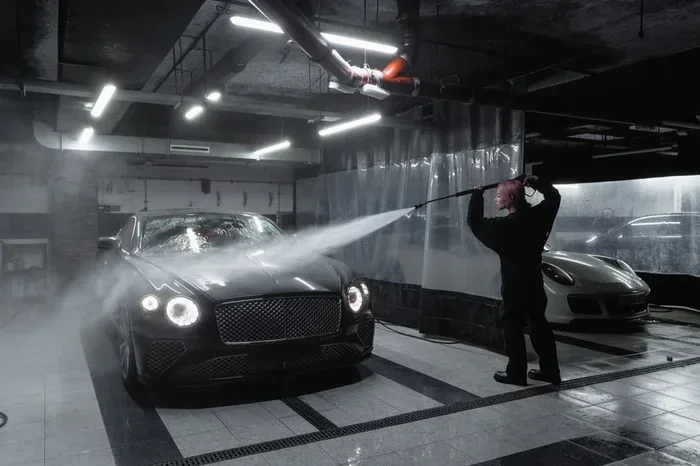
This beginners guide to car detailing covers everything you need to know to get started, from essential tools and products to step-by-step exterior and interior cleaning methods. You will learn how to wash, wax, and polish your vehicle like a pro, avoid common beginner mistakes, and build a routine that keeps your car looking its best. Whether you have a sedan or an SUV, these practical tips make car detailing simple and rewarding for first-timers.
Car detailing is more than just a regular wash. It is a full cleaning, polishing, and protecting process that brings your vehicle back to life. If you have never tried it before, this beginners guide to car detailing will walk you through every step with simple, easy-to-follow advice.
Many people think detailing is only for luxury cars or professional shops. That is not true at all. Anyone can learn how to detail a car at home with basic tools and a little patience. The results are amazing. Your car will look better than it has in years, and the process is surprisingly fun.
In this guide, we cover the tools you need, the right way to wash and wax, how to clean the inside, and the mistakes most beginners make. By the end, you will feel confident enough to detail your car on your own. Let us get started.
Key Takeaways
- Start with the basics: A few essential tools like a microfiber cloth, bucket, and quality soap are all you need to begin.
- Work top to bottom: Always clean the roof first and work your way down to avoid re-soiling already cleaned areas.
- Use the two-bucket method: This simple technique prevents swirl marks and keeps your paint safe during every wash.
- Interior matters too: Vacuuming, wiping surfaces, and conditioning leather make a huge difference in the overall look.
- Avoid common mistakes: Using household cleaners, skipping the clay bar, and drying with towels can damage your car.
- Build a routine: Regular quick washes and monthly deep cleans keep your vehicle in top shape year-round.
📑 Table of Contents
What Is Car Detailing and Why Does It Matter?
Car detailing means thoroughly cleaning and restoring a vehicle both inside and out. A basic car wash removes loose dirt, but detailing goes much deeper. It targets grime, stains, scratches, and buildup that a normal wash misses.
There are two main parts to detailing. The exterior focuses on the paint, wheels, and glass. The interior covers seats, dashboard, carpets, and trim. Both parts work together to make your car look and feel brand new.
Regular detailing protects your investment. Dirt and UV rays damage paint over time. Dust and spills wear down interior surfaces. A consistent detailing routine keeps your car looking great and helps maintain its value. This is especially important if you plan to sell or trade in your vehicle later.
Exterior Detailing Explained
Exterior detailing starts with a thorough wash. Next comes clay treatment to remove embedded contaminants. Then you polish the paint to restore shine. Finally, you apply wax or sealant to protect the clear coat. Each step builds on the last, creating a deep, lasting glow.
Interior Detailing Explained
Interior detailing involves vacuuming all surfaces, wiping down hard plastics and vinyl, and steam cleaning carpets and seats. Conditioning leather and cleaning glass complete the process. A clean interior not only looks better but also feels healthier to breathe inside.
Essential Tools and Products for Beginners
You do not need a huge collection of products to start. A few high-quality basics will get you surprisingly far. Here is what every beginner should have in their detailing kit.
First, invest in a good bucket with a grit guard. This keeps dirt at the bottom so you do not reapply it to your car. A microfiber wash mitt is gentle on paint and picks up dirt effectively. Use separate mitts for the upper body and the lower panels to avoid scratching.
You also need a quality car shampoo, a clay bar or clay mitt, a polish or compound, and a wax or sealant. For the interior, grab a vacuum, detailing brushes, all-purpose cleaner, and microfiber towels. A tire shine product and glass cleaner round out the basics.
When organizing your detailing supplies, think about where you keep them. A clean, organized workspace makes the whole process smoother. Just like how you would arrange items on a study desk for efficiency, keep your bottles, towels, and tools within easy reach. A small cart or shelf works great for this.
The Two-Bucket Method
The two-bucket method is a must for any beginner. Fill one bucket with soapy water and the other with clean rinse water. Wash one panel at a time, then rinse your mitt in the clean bucket before dipping it back into the soap. This simple habit prevents scratches and keeps your wash safe for your paint.
Step-by-Step Exterior Cleaning Process
Now let us walk through the exterior cleaning process step by step. Follow this order every time for the best results.
- Rinse the car thoroughly. Use a hose or pressure washer to remove loose dirt and debris. Start from the top and work down.
- Wash with the two-bucket method. Use your microfiber mitt and car shampoo. Clean one section at a time and rinse often.
- Rinse and dry. Rinse off all soap completely. Dry with a clean microfiber towel or a chamois. Never let your car air dry, as this leaves water spots.
- Use a clay bar. Spray clay lubricant on a small section and gently glide the clay bar over the paint. This removes bonded contaminants that washing alone cannot.
- Polish if needed. Apply a small amount of polish to a foam pad and work it into the paint in circular motions. This removes light swirl marks and restores depth.
- Apply wax or sealant. Use a foam applicator to spread a thin, even layer. Let it haze, then buff off with a clean microfiber towel. This creates a protective shield.
Quick Tips for a Better Exterior Wash
- Always wash in the shade to prevent soap from drying too quickly.
- Use separate buckets for wheels and the body to avoid cross-contamination.
- Replace your microfiber towels often. Dirty towels cause scratches.
- Do not use dish soap. It strips wax and dries out rubber seals.
Interior Cleaning Made Simple
The interior is where you spend most of your time, so it deserves attention too. A good interior clean makes every drive more enjoyable and keeps surfaces from deteriorating.
Start by removing all trash and personal items. Then vacuum the seats, carpets, and floor mats thoroughly. Use a crevice tool for tight spaces between seats and the center console.
Next, wipe down all hard surfaces with an appropriate cleaner. Use a soft brush for textured dashboards and vents. For leather seats, apply a leather cleaner first, then follow up with a conditioner to keep the leather soft and prevent cracking.
Do not forget the windows. Clean both the inside and outside for a streak-free finish. Use a glass-specific cleaner and a separate microfiber towel for each window.
Keeping your workspace tidy helps you stay focused during the process. Think of it like setting up your area before a project. You might even organize your detailing supplies on a desk, similar to how you would organize a study desk for maximum efficiency. When everything has a place, the job goes faster and feels less overwhelming.
Pro Tip: The Rule of Top to Bottom
Always clean from the top down, both inside and out. Gravity pulls dirt downward, so cleaning the roof first means you do not re-soil areas you have already cleaned. This one rule alone will save you time and effort.
Common Mistakes Beginners Should Avoid
Everyone makes mistakes when they start. The good news is that most of them are easy to avoid. Here are the most common ones to watch out for.
- Using household cleaners. Products like dish soap, window cleaner, or all-purpose sprays can damage your car’s paint and interior surfaces. Always use products designed for automotive use.
- Skipping the clay bar. Even after a good wash, contaminants remain bonded to the paint. Skipping clay means you miss a key step that prepares the surface for polish and wax.
- Drying with old towels. Bath towels and old rags contain grit that scratches paint. Only use dedicated microfiber towels or chamois for drying.
- Applying wax in direct sunlight. Heat causes wax to dry too fast, making it hard to buff off and leaving a hazy residue.
- Using too much product. More is not better. A thin, even layer of wax or polish works far better than a thick, heavy one.
- Neglecting the wheels. Brake dust builds up quickly on wheels and can cause corrosion. Clean them regularly with a dedicated wheel cleaner.
How to Avoid These Mistakes
The easiest way to avoid mistakes is to learn before you start. Read guides, watch tutorial videos, and take your time. Rushing through a detail job is the fastest way to make errors. Patience is your best tool in car detailing.
How Often Should You Detail Your Car?
How often you detail depends on how you use and store your vehicle. A car that sits outside in harsh weather needs more frequent care than one kept in a garage. Here is a general guideline.
- Quick wash: Every one to two weeks to remove surface dirt and bird droppings.
- Full exterior detail: Every three to four months to maintain paint protection and shine.
- Full interior detail: Every two to three months to keep surfaces clean and conditioned.
- Seasonal deep detail: At least twice a year, ideally before summer and winter, to address seasonal challenges like pollen, salt, and UV exposure.
Consistency matters more than perfection. Even a basic wash and wax every few weeks makes a big difference over time. The goal is to build a habit that keeps your car in great shape without feeling like a chore.
Just as you would not let clutter build up on your workspace, you should not let dirt and grime accumulate on your car. Regular small efforts save you from big jobs later. Think of detailing as vehicle maintenance rather than a one-time event.
Final Thoughts on Getting Started with Car Detailing
Car detailing is a skill that anyone can learn. You do not need expensive equipment or years of experience. Start with the basics, follow a simple process, and build from there. The satisfaction of seeing your clean, shiny car is worth every minute of effort.
Remember that practice makes perfect. Your first few attempts might not be flawless, and that is completely okay. Each time you detail, you will get faster and better. Soon, it will become a routine part of caring for your vehicle.
Grab your bucket, grab your microfiber mitt, and give your car the care it deserves. With this beginners guide to car detailing, you have everything you need to get started on the right foot. Happy detailing!
Frequently Asked Questions
What is the difference between a car wash and car detailing?
A car wash removes surface dirt and grime quickly. Car detailing is a much deeper process that includes cleaning, polishing, and protecting every surface inside and out. Detailing addresses issues like swirl marks, stains, and built-up contaminants that a regular wash cannot fix.
How much does it cost to detail a car at home?
Starting a home detailing kit costs between $50 and $150 for basic products and tools. This includes a bucket, microfiber mitt, car shampoo, clay bar, wax, and microfiber towels. The cost is much lower than paying a professional, and you can reuse the supplies many times.
Can I detail my car in my driveway?
Yes, driveway detailing works well as long as you have access to water and a shaded area. Wash in the shade to prevent soap and wax from drying too quickly. Make sure you have enough space to move around the car comfortably and access all sides easily.
Do I need a clay bar for car detailing?
A clay bar is one of the most important steps in a proper detail. It removes bonded contaminants like tar, overspray, and industrial fallout that regular washing leaves behind. Skipping clay means your polish and wax will not adhere properly, reducing their effectiveness.
How long does a full car detail take for a beginner?
A beginner should expect to spend about two to four hours on a full exterior and interior detail. As you gain experience and build a routine, you can cut this time significantly. The key is not to rush and to enjoy the process.
What should I do first when detailing my car?
Always start with the exterior wash before moving to the interior. This way, any dirt or runoff from the exterior does not get tracked onto clean interior surfaces. After the wash, move on to claying, polishing, and waxing the exterior, then tackle the interior cleaning.