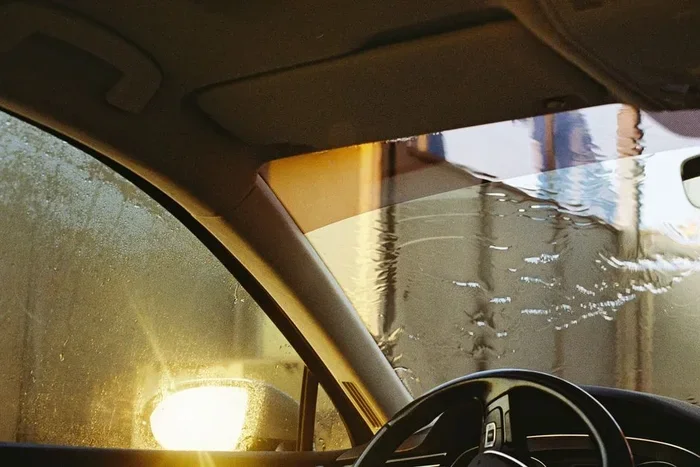
Advantages and Disadvantages of a Glass Roof on a Car
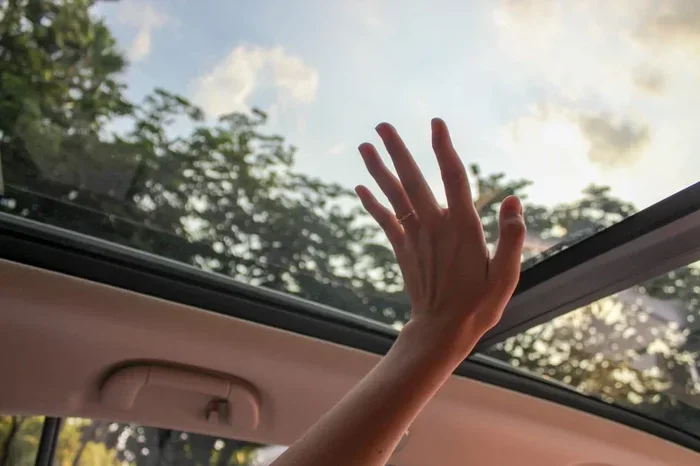
A glass roof on a car offers a stunning open-air feel and extra sunlight, but it also brings challenges like heat buildup, UV exposure, and higher costs. Whether you love the luxury look or worry about maintenance, understanding both sides helps you make a smart choice. This guide covers every major advantage and disadvantage so you can decide with confidence.
This is a comprehensive guide about what are the advantages or dissadvantages of a glass roof on a car.
Key Takeaways
- More Natural Light: A glass roof fills your car interior with sunlight, making every drive feel brighter and more spacious.
- Better Resale Value: Cars with glass roofs often attract more buyers and hold higher resale prices.
- Heat and UV Risks: Glass roofs can trap heat and expose passengers to harmful UV rays without proper tinting.
- Higher Cost and Maintenance: Glass roof repairs are expensive, and the added weight can affect fuel efficiency.
- Unique Driving Experience: An open panoramic view changes how you feel on every trip, adding a sense of freedom.
- Structural Trade-Offs: The roof design may reduce headroom and affect the car’s overall structural strength.
[FEATURED_IMAGE_PLACEHOLDER]
A glass roof on a car is one of the most eye-catching features you can add to any vehicle. It transforms the driving experience by flooding the cabin with natural light and giving everyone inside a panoramic view of the sky. But like any car feature, it comes with both perks and drawbacks that every buyer should understand before making a decision.
If you are shopping for a new car or thinking about upgrading your current one, the glass roof question is hard to ignore. Some people love the luxury and openness it brings, while others worry about heat, glare, and maintenance costs. In this article, we will break down every major advantage and disadvantage so you can decide with full confidence. We will also share practical tips and expert insights to help you get the most out of your choice.
Let us dive into the full picture of what a glass roof means for your daily driving.
What Is a Glass Roof on a Car?
A glass roof is a large panel made of tinted or laminated glass that replaces the traditional metal or fabric roof of a car. It can cover the entire top of the cabin or just a portion of it. Some glass roofs are fixed, meaning they do not open, while others are panoramic and can tilt or slide to let in fresh air.
The concept has been around for decades, but it has become much more popular in recent years. Automakers now use advanced materials like solar-control glass and laminated panels to address some of the common complaints. Think of it as a study desk for your car interior, it sets the tone for the entire experience inside the vehicle.
Glass roofs come in different styles. A full panoramic roof covers the entire length of the roof, giving rear passengers the same open view as the driver. A partial glass roof covers only the front section. Each style has its own set of benefits and trade-offs, which we will explore below.
Advantages of a Glass Roof on a Car
1. Extra Natural Light Inside the Cabin
The biggest draw of a glass roof is the amount of natural light it lets in. Unlike a standard metal roof, a glass panel allows sunlight to flood the entire cabin. This makes the interior feel more open, airy, and welcoming.
People who spend a lot of time driving often report feeling less claustrophobic with a glass roof. The bright interior also reduces the need for artificial lighting during daytime drives. If you enjoy a cheerful atmosphere inside your car, this is a major benefit.
2. Panoramic Views and a Premium Feel
A glass roof gives you a 180-degree view of the sky and surroundings. Watching the stars at night or driving through a tunnel with light streaming in creates a sense of freedom that a standard roof simply cannot match.
Many car buyers choose a glass roof purely for the aesthetic appeal. It adds a premium, luxury feel to any vehicle. Even compact cars can look sleek and high-end with a glass roof installed. Think of it like adding beautiful desk plants to a workspace, it elevates the entire environment.
3. Improved Resale Value
Cars with glass roofs tend to hold their value better than those without. Many used car buyers specifically look for this feature because it is considered a premium upgrade. If you plan to sell or trade in your car in the future, a glass roof can be a smart financial move.
The demand for glass-roof vehicles remains strong in most markets. This means you are likely to recover a good portion of the extra cost you paid upfront.
4. Better Mood and Well-Being While Driving
Natural light has a well-known positive effect on mood and alertness. Studies show that exposure to sunlight helps regulate serotonin levels, which can reduce stress and improve focus. A glass roof lets you enjoy these benefits every time you get behind the wheel.
For people who drive long commutes or travel frequently, this mood boost can make a real difference. It turns an ordinary drive into a more enjoyable experience.
5. Open-Air Driving Options
Panoramic glass roofs that can open or tilt give you the option of fresh-air driving without fully removing the roof. You can enjoy a breeze on a sunny day while still having the protection of a roof when you need it.
This flexibility is a huge advantage over traditional cloth or metal sunrofs. You get the best of both worlds, sunshine and shelter, with just the push of a button.
Disadvantages of a Glass Roof on a Car
1. Heat Buildup Inside the Car
Glass naturally absorbs and traps heat, especially during summer months. A glass roof can turn your car into a greenhouse, making the interior uncomfortably hot even with the air conditioning on full blast.
Modern glass roofs come with UV-filtering and heat-reflective coatings, but they are not perfect. On a 90-degree day, the temperature inside a car with a glass roof can still rise significantly faster than in a car with a standard roof. This means your AC has to work harder, which leads to higher fuel consumption.
2. UV Exposure and Skin Damage
Even with tinted glass, harmful UV rays can penetrate the roof panel over time. Prolonged exposure while driving can contribute to skin aging and increase the risk of sun damage. Drivers who spend hours on the road should be especially mindful of this risk.
Most glass roofs block UVB rays but may allow some UVA rays through. Applying sunscreen before long drives is a simple but effective precaution.
3. Higher Cost and Repair Expenses
A glass roof adds significant cost to the vehicle, both at purchase and during ownership. Replacement glass panels are expensive, and repairs require specialized labor. A cracked or shattered glass roof can cost several thousand dollars to fix, far more than repairing a standard metal roof.
Insurance premiums may also be higher for cars with glass roofs. It is important to factor in these long-term costs before deciding to buy.
4. Reduced Headroom and Interior Space
The glass panel and its framing take up space above the cabin. This can reduce headroom, especially for taller passengers. Some drivers find that a glass roof makes the interior feel slightly more cramped, even though it looks more open from the outside.
If you are tall or prefer spacious seating, test drive a car with a glass roof before purchasing. Make sure everyone in the family feels comfortable with the available headroom.
5. Added Weight and Fuel Efficiency Impact
A glass roof is heavier than a standard metal or fabric roof. The extra weight can slightly reduce fuel efficiency, meaning you may spend a bit more on gas over time. While the difference is usually small, it adds up over thousands of miles.
For eco-conscious drivers, this is a factor worth considering. The environmental impact of slightly higher fuel consumption should not be overlooked.
6. Noise and Insulation Issues
Glass does not insulate as well as a solid metal roof. This means more road noise, wind noise, and outside sounds can enter the cabin. Some drivers find this distracting, especially at highway speeds.
Manufacturers use acoustic laminated glass to reduce noise, but it does not completely eliminate the problem. If you prefer a quiet, serene cabin, a glass roof might not be the best choice.
Comparing Glass Roof vs. Standard Roof
To help you visualize the differences, here is a quick comparison of a glass roof versus a standard metal roof across key categories.
Key Comparison Points
- Natural Light: Glass roof wins easily, offering full sunlight vs. limited light with a metal roof.
- Heat Management: Standard roof keeps the cabin cooler, while a glass roof traps more heat.
- Cost: Glass roofs add $1,000 to $3,000 to the vehicle price, and repairs cost significantly more.
- Resale Value: Glass roofs generally boost resale value, making them a worthwhile investment.
- Weight: Glass roofs add weight, which slightly reduces fuel efficiency compared to standard roofs.
- Driving Experience: Glass roofs offer a more open, premium feel that standard roofs cannot match.
If you love the look and feel of a glass roof but worry about heat, you might also consider how lighting affects your car interior. Just as the brightest desk lamp can transform a workspace, the right glass tint can transform your driving experience.
Tips for Living with a Glass Roof
If you decide a glass roof is right for you, these practical tips will help you get the most out of the feature while minimizing the downsides.
1. Invest in Quality Tinting
Professional ceramic tinting can significantly reduce heat and UV exposure. Look for tints with a high infrared rejection rating. This keeps your cabin cooler and protects your skin without darkening the view too much.
2. Use a Sunshade When Parked
A foldable sunshade placed on the windshield and rear window can reduce interior temperature dramatically. This simple habit protects your dashboard and seats from sun damage while keeping the cabin cooler when you return.
3. Schedule Regular Inspections
Have a mechanic check the glass roof seals and drainage system at least once a year. Leaks are one of the most common complaints with glass roofs, and catching them early prevents costly water damage to the interior.
4. Clean with the Right Products
Use a gentle, ammonia-free cleaner for the glass panels. Harsh chemicals can damage the tint coating and reduce UV protection over time. A microfiber cloth works best to avoid scratches.
5. Be Mindful of Headroom
If you are tall, measure your head clearance before committing to a glass-roof vehicle. Sit in the car with the roof fully closed and make sure you have at least an inch of comfortable space above your head.
Common Mistakes People Make with Glass Roofs
Many car owners overlook simple maintenance steps that lead to bigger problems down the road. Here are the most common mistakes to avoid.
- Skipping seal inspections: Worn seals are the number one cause of glass roof leaks. Check them regularly, especially after heavy rain.
- Using abrasive cleaners: Scrubbing the glass with harsh materials scratches the surface and degrades the tint coating.
- Ignoring drainage channels: Clogged drainage tubes can cause water to pool inside the roof frame, leading to mold and mildew.
- Overlooking UV protection: Even with tinted glass, applying sunscreen on long drives is a smart habit many people skip.
- Assuming all glass roofs are the same: Fixed panels, panoramic sliding roofs, and sunroof-style glass panels all behave differently. Understand your specific model before making assumptions.
Expert Insights on Glass Roofs
Automotive experts generally agree that glass roofs are a luxury feature that enhances the driving experience but requires extra care. According to car reviewers, the biggest advantage is the psychological boost of driving in a bright, open cabin. The biggest drawback is the long-term maintenance cost.
Experts recommend choosing a glass roof only if you plan to keep the car for several years. This gives you time to enjoy the benefits and spread out the cost of any repairs. They also suggest buying from a reputable brand with a strong warranty on the glass roof component.
One automotive engineer noted that newer models with solar-control glass have dramatically improved heat management compared to older designs. If you are considering a used car with a glass roof, check the year and model to see if it has the latest glass technology.
Is a Glass Roof Right for You?
The right choice depends on your lifestyle, driving habits, and budget. If you value natural light, scenic views, and a premium feel, a glass roof is hard to beat. But if you live in a hot climate, prioritize fuel efficiency, or want to minimize maintenance costs, a standard roof might be the smarter option.
Consider how you use your car most days. A daily commuter in a hot city might suffer more from heat buildup than someone who drives occasionally on weekends. Think about your budget for repairs and whether the resale value boost justifies the upfront cost.
Ultimately, a glass roof is a personal choice. Test drive cars with and without glass roofs to see how you feel inside each cabin. Trust your instincts and choose the option that makes you happiest every time you get in the driver seat.
Conclusion
A glass roof on a car brings a unique blend of style, comfort, and driving pleasure that few other features can match. The extra natural light, panoramic views, and premium feel make every drive more enjoyable. At the same time, the heat buildup, higher costs, and maintenance demands are real drawbacks that deserve careful consideration.
By understanding both the advantages and disadvantages, you can make an informed decision that fits your needs and budget. Whether you choose a glass roof or stick with a traditional roof, the most important thing is that your car feels right for you. Take your time, do your research, and enjoy the ride no matter what you choose.
Frequently Asked Questions
Does a glass roof make a car hotter inside?
Yes, a glass roof can trap more heat than a standard metal roof, especially in direct sunlight. However, modern cars with solar-control glass and good tinting manage heat much better than older models. Using a sunshade when parked also helps significantly.
Are glass roofs safe in a rollover accident?
Most modern glass roofs use laminated or tempered glass that is designed to hold up under impact. They undergo the same safety testing as standard roofs. However, a shattered glass roof can be more expensive to repair than a dented metal roof after an accident.
Can a glass roof leak water?
Yes, glass roofs can leak if the seals wear out or the drainage channels become clogged. Regular maintenance, including cleaning the drainage tubes and checking the rubber seals, helps prevent leaks. Most manufacturers offer warranties that cover leak-related repairs.
Does a glass roof reduce fuel efficiency?
Slightly, yes. A glass roof adds weight to the vehicle, which can reduce miles per gallon by a small amount. The difference is usually minimal, around 1 to 2 percent, but it can add up over many years of driving.
How much does it cost to replace a glass roof?
Replacement costs vary widely depending on the car model and the type of glass used. On average, you can expect to pay between $1,500 and $5,000 for a full glass roof replacement. Insurance may cover part of the cost if the damage is caused by a covered event like a collision or falling debris.
Do glass roofs block UV rays completely?
Most glass roofs block a large portion of UVB rays but may allow some UVA rays to pass through. Applying sunscreen and using UV-protective window tinting are good practices for drivers who spend a lot of time on the road. Newer glass technologies are improving UV blocking capabilities every year.
Frequently Asked Questions
What is what are the advantages or dissadvantages of a glass roof on a car?
what are the advantages or dissadvantages of a glass roof on a car is an important topic with many practical applications.