How to Cool Down a Car Engine Quickly When Overheating
When your car engine starts overheating, acting fast can save you from costly repairs and dangerous breakdowns. You can cool down a car engine quickly by pulling over safely, turning off the AC, and using simple tricks like opening the hood to release heat. Knowing the right steps to take — and what to avoid — keeps your engine running smoothly and your family safe on the road.
There is nothing quite like the sinking feeling you get when the temperature gauge on your dashboard starts climbing into the red zone. Your engine is overheating, and you need to act fast. Whether you are stuck in traffic on a hot summer day or cruising down a rural highway, knowing how to cool down a car engine quickly can make all the difference. This guide walks you through every step you need to take when your engine starts running too hot. You will learn immediate fixes, long-term prevention tips, and common mistakes to avoid. Let us dive in and keep your engine running cool and safe.
An overheating engine is more than just an inconvenience. It can lead to serious damage like a blown head gasket, warped engine blocks, or even a complete engine failure. The good news is that most overheating situations can be handled if you know what to do. You do not need to be a mechanic to take the right steps in the moment. A little knowledge and a calm approach will take you a long way. So let us break down exactly what to do when your engine starts throwing a heat fit.
Key Takeaways
- Pull over immediately and turn off the engine: Continuing to drive while overheating can cause permanent engine damage.
- Let the heat escape by opening the hood carefully: Releasing built-up pressure and hot air is one of the fastest ways to lower engine temperature.
- Check coolant levels and the radiator: Low coolant is the most common reason engines overheat, and topping it off can help fast.
- Avoid slamming the brakes or revving the engine: These actions generate more heat and make the problem worse.
- Prevent overheating with regular maintenance: Flushing coolant, checking hoses, and monitoring your temperature gauge go a long way.
- Know when to call a professional: If the engine keeps overheating despite your efforts, a mechanic can diagnose hidden issues like a faulty thermostat or head gasket.
📑 Table of Contents
Why Do Car Engines Overheat?
Before we jump into the fixes, it helps to understand why engines overheat in the first place. Your engine generates a tremendous amount of heat during normal operation. The cooling system is designed to manage that heat and keep temperatures in a safe range. When something goes wrong with that system, heat builds up fast. Here are the most common reasons your engine might be running hot.
Low Coolant Levels
Coolant, also called antifreeze, is the lifeblood of your engine’s cooling system. It flows through the engine block and radiator to absorb and release heat. When coolant levels drop too low, there is not enough fluid to carry heat away. This is the number one cause of engine overheating. A leak in the radiator hose, water pump, or radiator itself can cause coolant to drain out slowly over time.
Broken Thermostat
The thermostat regulates the flow of coolant through the engine. When it gets stuck closed, coolant cannot circulate properly. Heat builds up with nowhere to go. A stuck thermostat is a common issue, especially in older vehicles, and it is an easy fix for a mechanic.
Faulty Radiator Fan
The radiator fan kicks on when your car is idling or moving slowly. It pulls air through the radiator to help cool the coolant. If the fan motor fails or the fan relay goes bad, your engine can overheat quickly, especially in stop-and-go traffic or on hot days.
Clogged Radiator or Hoses
Over time, rust, sediment, and debris can build up inside the radiator and hoses. This restricts coolant flow and reduces the system’s ability to dissipate heat. A clogged radiator is a sneaky problem that creeps up gradually but can cause sudden overheating if left unchecked.
Water Pump Failure
The water pump is responsible for circulating coolant throughout the engine. If the pump fails — whether from a broken impeller, worn bearings, or a leak — coolant stops moving and heat accumulates rapidly. Water pump failure often happens without warning, which is why regular maintenance matters so much.
Immediate Steps to Cool Down a Car Engine Quickly
If you notice steam coming from under the hood or the temperature gauge climbing into the red, you need to act right away. Here is exactly what to do, step by step.
Step 1: Pull Over Safely and Turn Off the Engine
This is the single most important thing you can do. Do not keep driving. Pull over to a safe spot as soon as possible — a parking lot, a side street, or a rest area. Turn off the engine completely. Letting the engine keep running while it is overheating will only make the damage worse. Once you are stopped, put the car in park and engage the parking brake.
Just like you would organize your workspace to work efficiently, keeping your engine bay clean and uncluttered helps you spot problems like this faster and respond more effectively.
Step 2: Turn Off the Air Conditioning
Your AC puts extra load on the engine, which generates more heat. Turn the AC off immediately. If that is not enough, you can even turn the heater to full blast. It sounds counterintuitive, but the heater acts as a secondary radiator. It pulls heat from the engine coolant and blows it into the cabin. It is not comfortable, but it can buy you precious minutes to get to safety.
Step 3: Open the Hood Carefully
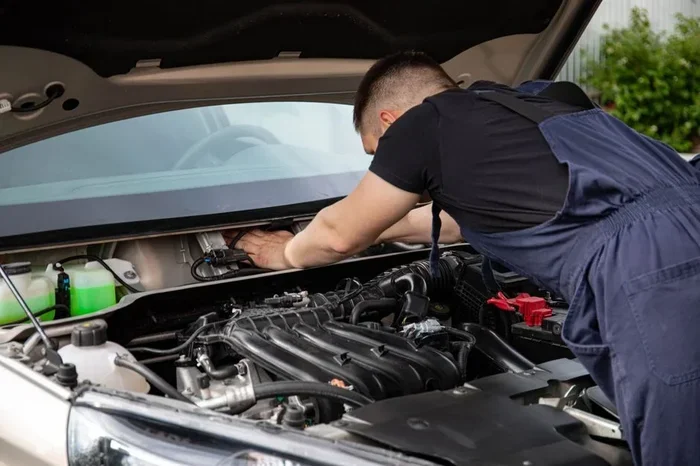
Once the engine has been off for a minute or two, carefully pop the hood. This allows the hot air trapped under the hood to escape. The temperature inside the engine bay can reach extreme levels, and releasing that trapped heat helps the engine cool faster.
Important safety note: Do not open the radiator cap while the engine is hot. The cooling system is pressurized, and opening the cap can cause hot coolant to spray out and cause serious burns. Wait at least 15 to 20 minutes before touching anything under the hood.
Step 4: Check the Coolant Reservoir
After the engine has cooled down a bit, pop the coolant reservoir tank and check the level. If it is low, you can add a mix of coolant and water or just plain distilled water as a temporary fix. This will not solve the underlying problem, but it can help bring the temperature down enough to get you to a mechanic or a safe location.
Think of it like keeping the right essential items on your desk — having the right supplies ready in your car, like extra coolant, can save you in a pinch when an overheating emergency hits.
Step 5: Monitor the Temperature Gauge
Once you have taken these steps, watch the temperature gauge closely. If the needle starts dropping back to the normal range, you may be able to drive slowly to the nearest mechanic. Keep an eye on it the whole way. If the needle starts climbing again, pull over immediately and call for help.
What to Do After the Engine Has Cooled Down
Once your engine temperature has returned to normal, you need to figure out what caused the overheating in the first place. Simply adding coolant and driving on is not a long-term solution. Here is what you should do next.
Inspect for Leaks
Get under the car and look for any signs of coolant leaks. You might see a green, orange, or pink puddle under the vehicle. Check the radiator hoses, the water pump, and the radiator itself for cracks or wet spots. Even a small leak can cause coolant levels to drop over time and lead to overheating.
Check the Radiator Cap
A faulty radiator cap can prevent the cooling system from maintaining proper pressure. Without the right pressure, coolant boils at a lower temperature and the system cannot work efficiently. Radiator caps are cheap and easy to replace, so this is a good first check.
Test the Thermostat
If your thermostat is stuck closed, it will need to be replaced. A mechanic can test this quickly, or you can do it yourself with a basic thermometer. Start the engine cold and watch the temperature gauge. The thermostat should open and allow coolant to flow once the engine reaches about 195 to 220 degrees Fahrenheit. If it does not, it needs to be replaced.
Flush and Refill the Cooling System
Old or contaminated coolant loses its effectiveness over time. Flushing the entire cooling system and refilling it with fresh coolant is a great preventive measure. Most manufacturers recommend a coolant flush every 30,000 to 50,000 miles, but check your owner’s manual for the specific interval for your vehicle.
Setting up your car for hot weather driving is a lot like setting up a proper workspace — you need the right tools, the right setup, and regular maintenance to keep everything running at its best.
Preventive Measures to Keep Your Engine from Overheating
The best way to handle an overheating engine is to prevent it from happening in the first place. Here are some simple steps you can take to keep your engine running cool all year long.
Monitor Your Temperature Gauge Regularly
Get in the habit of glancing at your temperature gauge while driving. If you notice it creeping higher than normal, take action early. Pull over, check the coolant, and investigate before the problem gets worse. Catching an overheating issue early can save you from a major repair bill.
Keep Coolant at the Right Level
Check your coolant level at least once a month, especially during the summer months. Make sure the coolant mixture is correct — most vehicles use a 50/50 mix of coolant and water. Using the wrong ratio can reduce the boiling point and make overheating more likely.
Replace Old Hoses and Belts
Rubber hoses and belts wear out over time. Cracked, brittle, or swollen hoses can fail without warning, causing sudden coolant loss. Inspect your hoses regularly and replace any that show signs of wear. Serpentine belts that are loose or worn can also affect the water pump and fan operation.
Keep the Radiator Clean
Debris like leaves, bugs, and dirt can accumulate on the front of the radiator and block airflow. Use a soft brush or compressed air to gently clean the radiator fins. A clean radiator allows more air to pass through, which improves cooling efficiency.
Drive Smart in Hot Weather
On extremely hot days, take it easy on the engine. Avoid heavy acceleration and long periods of idling. If you are stuck in traffic, shift into neutral and give the engine a light rev every few minutes to keep the water pump and fan circulating. These small habits can make a big difference.
Common Mistakes People Make When Their Engine Overheats
When panic sets in, people often make mistakes that make the situation worse. Here are the most common errors to avoid.
Do Not Keep Driving
The biggest mistake is ignoring the warning signs and continuing to drive. Even a few more minutes of driving on an overheating engine can cause the head gasket to blow, the engine block to warp, or the pistons to seize. The cost of a tow truck is nothing compared to a new engine.
Do Not Open the Radiator Cap Immediately
We mentioned this before, but it is worth repeating. The cooling system is under high pressure, and opening the cap too soon can result in a burst of scalding steam and coolant. Always wait for the engine to cool down significantly first.
Do Not Pour Cold Water Directly onto a Hot Engine
Pouring cold water onto a hot engine block can cause the metal to contract rapidly and crack. Always use room temperature or slightly warm water if you need to add anything. Better yet, use proper coolant.
Do Not Ignore the Warning Signs
Steam, a rising temperature gauge, or a sweet smell from under the hood are all signs that something is wrong. Ignoring these signals will only lead to more damage and a bigger repair bill. Trust your instincts and take action immediately.
When to Call a Professional Mechanic
There are times when DIY fixes are not enough. You should call a professional mechanic if you notice any of the following signs:
- The engine keeps overheating even after you add coolant.
- You see steam or smoke coming from under the hood that does not go away.
- There is a loud knocking or grinding sound coming from the engine.
- The temperature gauge fluctuates wildly between hot and cold.
- You notice a puddle of coolant under your car that keeps getting bigger.
- The check engine light comes on along with the temperature warning.
A professional mechanic has the tools and expertise to diagnose issues like a failed water pump, a blown head gasket, or a cracked engine block. These are serious problems that require professional attention. Do not try to fix them on the side of the road.
Taking care of your car is a lot like taking care of any workspace — keeping everything organized and well-maintained helps you avoid problems before they start and respond quickly when something goes wrong.
Final Thoughts
Knowing how to cool down a car engine quickly is a skill every driver should have. Overheating can happen to anyone, at any time, and being prepared makes all the difference. Remember the key steps: pull over safely, turn off the engine, release the heat by opening the hood, check the coolant, and monitor the temperature gauge. Avoid common mistakes like continuing to drive or opening the radiator cap too soon. And most importantly, take preventive measures to keep your cooling system in top shape all year long.
A little preparation and quick thinking can save you from a roadside nightmare. Keep your coolant topped off, your hoses in good shape, and your eyes on the temperature gauge. Your engine will thank you, and you will have peace of mind every time you hit the road.
Frequently Asked Questions
How long does it take for a car engine to cool down?
It typically takes about 30 minutes for a car engine to cool down enough to be safe to touch. The hood may still be warm after an hour, but the engine temperature should drop to a safe range within 30 minutes if you have turned off the AC and opened the hood.
Can I drive my car after it overheats?
You should only drive again once the engine has completely cooled down and the temperature gauge is back in the normal range. If the overheating was caused by low coolant, add coolant first and drive slowly to the nearest mechanic. Continuing to drive on an overheated engine can cause serious and expensive damage.
What should I do if steam is coming from under my hood?
Pull over immediately and turn off the engine. Do not open the hood right away — wait a few minutes for the pressure to release. Once the steam subsides, carefully open the hood and check the coolant level. Do not attempt to drive until the engine has cooled down and the issue is addressed.
Is it safe to add coolant to a hot engine?
It is not safe to add coolant to a hot engine because the system is under pressure and the coolant is extremely hot. Wait at least 15 to 20 minutes for the engine to cool before opening the radiator cap or coolant reservoir. Use a cloth to protect your hand when opening the cap.
Can low oil cause an engine to overheat?
Yes, low oil can contribute to overheating. Engine oil lubricates moving parts and helps absorb heat. When oil levels are too low, friction increases and heat builds up faster. Always keep your oil at the proper level and change it according to your manufacturer’s recommended schedule.
How can I prevent my car from overheating in the summer?
To prevent summer overheating, check your coolant level monthly, inspect hoses and belts for wear, keep the radiator clean of debris, and make sure your radiator fan is working properly. Also, avoid heavy idling in hot weather and keep an eye on your temperature gauge while driving. Regular cooling system flushes go a long way in preventing issues.