Oil Level Dropping Quickly With No Visible Leak Signs
Your car’s oil level can drop fast even when you see no external leak. This puzzling problem often points to hidden internal issues like worn piston rings, faulty valve seals, or a malfunctioning PCV valve. Ignoring this symptom can lead to severe engine damage, so understanding the root cause is essential for every car owner who wants to protect their vehicle.
You check your car’s oil level one morning and notice it has dropped significantly. You look under the vehicle. Nothing. No puddle. No oil spots on the garage floor. You are confused and worried. This is a situation many car owners face, and it can be quite unsettling.
The truth is, a car’s oil level dropping quickly with no visible leak signs is more common than you might think. In fact, this exact scenario is one of the most puzzling problems drivers encounter. The oil seems to vanish into thin air, leaving no trace behind. But it does not actually disappear. Something inside your engine is consuming or redirecting the oil.
Understanding why this happens is the first step toward fixing it. In this article, we will explore every possible cause, from simple fixes to serious engine problems. We will also cover how to diagnose the issue and what you can do to prevent it from getting worse. Whether you are a seasoned car owner or a complete beginner, this guide will give you the knowledge you need to take action.
Key Takeaways
- Internal leaks are the main culprit: Worn piston rings, valve seals, and gaskets can burn oil without any visible drip.
- PCV valve failure is common and cheap to fix: A stuck PCV valve pushes oil into the combustion chamber.
- Oil consumption varies by vehicle: Some engines naturally use more oil than others, especially older or high-mileage cars.
- Early detection prevents costly repairs: Catching the problem early saves you from engine rebuilds or replacements.
- Regular monitoring is key: Checking your dipstick weekly helps you spot drops before they become serious.
- Driving habits matter: Short trips and stop-and-go driving increase oil consumption significantly.
- Professional diagnosis is recommended: A mechanic can perform a compression test to pinpoint the exact cause.
📑 Table of Contents
- Understanding Oil Consumption in Your Engine
- Worn Piston Rings: The Silent Oil Thief
- Faulty Valve Seals and Their Role in Oil Loss
- The PCV Valve: A Small Part with Big Consequences
- Head Gasket Failure: A Serious but Common Culprit
- Oil Pan Gasket and Timing Cover Leaks
- Other Causes of Rapid Oil Level Drops
- When to See a Mechanic
- Prevention Tips to Reduce Oil Consumption
- Final Thoughts on Oil Level Drops Without Leaks
Understanding Oil Consumption in Your Engine
Before we dive into the causes, it helps to understand how your engine uses oil. Engine oil serves several critical roles. It lubricates moving parts, reduces friction, cools the engine, and prevents corrosion. Over time, every vehicle burns a small amount of oil during normal operation. This is called oil consumption.
Most manufacturers consider burning up to one quart of oil per 1,000 miles as normal. However, if your car is using oil much faster than that, something is wrong. The challenge is that internal oil loss does not always leave external signs. The oil burns inside the combustion chamber and exits through the exhaust as exhaust smoke or vapor.
When you notice your oil level dropping quickly with no visible leak signs, the problem is almost certainly internal. External leaks produce visible oil spots, drips, or stains. Internal leaks, on the other hand, burn the oil before it ever reaches the ground. This makes diagnosis trickier but not impossible.
How to Check for Internal Oil Burning
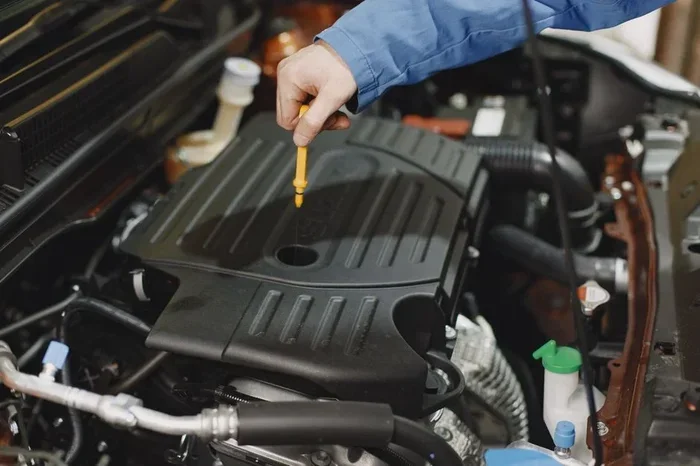
There are a few simple ways to tell if your engine is burning oil internally. First, look at your exhaust. Blue or gray smoke, especially when you accelerate, is a strong indicator. Second, check your oil dipstick regularly and note the level every week. Third, pay attention to any changes in engine performance, such as reduced power or rough idling.
Another sign is a burning oil smell inside the cabin. This happens when oil leaks onto hot engine components and evaporates. If you notice any of these symptoms alongside a dropping oil level, internal burning is likely the cause.
Worn Piston Rings: The Silent Oil Thief
Piston rings are small metal rings that sit around the pistons inside your engine cylinders. They seal the combustion chamber and control oil distribution. When piston rings wear out, they lose their ability to seal properly. This allows oil to seep past the rings and into the combustion chamber, where it burns along with fuel.
Worn piston rings are one of the most common causes of oil level dropping quickly with no visible leak signs. The oil simply gets burned during the combustion process and exits through the exhaust. You may never see a single drop on your driveway, yet your oil level drops steadily.
Signs of Worn Piston Rings
- Blue or gray exhaust smoke, especially under acceleration
- Excessive oil consumption requiring frequent top-ups
- Reduced engine power and performance
- Oil fouling on spark plugs
- Sluggish engine response during acceleration
Diagnosing worn piston rings typically requires a compression test or a leak-down test performed by a mechanic. These tests measure the seal integrity of each cylinder. If one or more cylinders show low compression, worn piston rings are likely the culprit. Replacing piston rings is a major repair that involves removing the engine block, so early detection is crucial.
Faulty Valve Seals and Their Role in Oil Loss
Valve seals sit on top of the engine’s valve stems and prevent oil from leaking into the combustion chamber. Over time, these seals can harden, crack, or wear out. When they fail, oil seeps past the valves and gets burned in the cylinders.
Unlike piston ring issues, faulty valve seals often cause oil consumption that is most noticeable after the engine has been sitting idle. You might see a puff of blue smoke when you first start the car in the morning. This happens because oil pools around the valve stems overnight and slowly drips into the combustion chamber.
Valve Seal vs. Piston Ring: How to Tell the Difference
Both problems cause similar symptoms, but there are subtle differences. Worn piston rings cause blue smoke during acceleration under load. Faulty valve seals cause blue smoke primarily at startup or after the engine has been idle for a while. A mechanic can perform a specific test called a “cold start test” to differentiate between the two.
Replacing valve seals is generally less expensive than replacing piston rings. However, it still requires significant engine disassembly. The cost varies depending on the vehicle model and the extent of the damage. On some engines, valve seals can be replaced without removing the cylinder head, which reduces both cost and labor time significantly.
The PCV Valve: A Small Part with Big Consequences
The Positive Crankcase Ventilation (PCV) valve is a small but important component of your engine’s ventilation system. It regulates the flow of crankcase gases back into the intake manifold, where they are re-burned in the combustion process. When the PCV valve works properly, it helps maintain proper oil pressure and prevents excessive oil consumption.
However, when the PCV valve becomes stuck, clogged, or faulty, it can push too much oil vapor into the intake system. This excess oil then gets pulled into the cylinders and burned. A malfunctioning PCV valve is one of the most overlooked causes of oil level dropping quickly with no visible leak signs.
Why PCV Valve Failure Happens
PCV valves fail for several reasons. Oil sludge buildup is the most common cause. When oil changes are skipped or delayed, sludge accumulates inside the valve and restricts its movement. Moisture contamination from short trips can also cause the valve to stick. In some cases, the valve simply wears out over time and needs replacement.
The good news is that replacing a PCV valve is one of the cheapest and easiest repairs on this list. The part itself usually costs between $10 and $50, and labor is minimal. If you have noticed your oil level dropping and you have not replaced your PCV valve recently, this should be your first check. Many mechanics will inspect the PCV valve during routine engine maintenance visits.
Quick Tip: Check Your PCV Valve Regularly
Make it a habit to inspect your PCV valve during every oil change. A simple shake test can tell you a lot. Remove the valve and shake it. You should hear a rattle inside, which indicates the valve is moving freely. If it does not rattle, it is likely stuck and needs replacement. This small check can save you from bigger problems down the road.
Head Gasket Failure: A Serious but Common Culprit
The head gasket sits between the engine block and the cylinder head. It seals the combustion chambers and prevents coolant and oil from mixing. When a head gasket fails, it can allow oil to seep into areas it should not be, including the combustion chamber or cooling system.
A blown head gasket is a serious condition that requires immediate attention. Unlike worn piston rings or faulty valve seals, a head gasket failure can cause coolant and oil to mix together. This creates a milky, frothy substance on your dipstick or under the oil cap. If you notice this, stop driving immediately and seek professional help.
Signs of a Blown Head Gasket
- Milky or frothy oil on the dipstick or oil cap
- Coolant loss without any visible external leak
- White exhaust smoke that smells sweet
- Engine overheating that comes and goes
- Bubbles in the coolant reservoir
- Oil level dropping without any visible external leak
Head gasket failure can be caused by engine overheating, age, or manufacturing defects. Driving with a blown head gasket can cause catastrophic engine damage, including warped cylinder heads and cracked engine blocks. If you suspect a head gasket issue, have your vehicle towed to a repair shop rather than driving it yourself.
Oil Pan Gasket and Timing Cover Leaks
While we are focusing on oil level dropping quickly with no visible leak signs, it is worth mentioning that some internal leaks can still leave subtle external traces. The oil pan gasket and timing cover gasket are two areas where oil can seep slowly without forming obvious drips.
These gaskets deteriorate over time due to heat exposure and engine vibration. When they fail, oil may leak onto hot engine components and evaporate before it ever reaches the ground. This creates the illusion of no visible leak, when in fact there is a very slow, hard-to-detect seepage.
How to Detect Slow Gasket Leaks
To detect slow gasket leaks, park your car on a clean surface overnight. Check the area underneath in the morning for even the faintest oil residue. Also, look for oil streaks or discoloration around the oil pan and timing cover. Using UV dye in your oil and scanning with a UV light can reveal leaks that are invisible to the naked eye.
Replacing an oil pan gasket or timing cover gasket is generally more affordable than major internal repairs. However, the cost varies depending on the vehicle and the accessibility of the gasket. In some engines, the timing cover is difficult to reach, which increases labor costs significantly.
Other Causes of Rapid Oil Level Drops
Beyond the major causes we have discussed, several other factors can contribute to rapid oil level drops. Understanding these can help you rule out simpler explanations before diving into major repairs.
Oil Additives and Viscosity Changes
Some oil additives can cause the oil to thin out over time, leading to increased consumption. Similarly, using the wrong oil viscosity for your engine can result in excessive oil burn. Always use the oil weight recommended by your vehicle manufacturer. Check your owner’s manual or consult with a trusted mechanic to confirm the correct specification.
Driving Habits and Conditions
Your driving style and conditions play a significant role in oil consumption. Short trips, stop-and-go traffic, and towing heavy loads all increase engine temperature and oil degradation. Engines that frequently operate under heavy stress tend to consume oil faster than those driven at steady speeds on highways.
If you do a lot of short trips around town, your engine may not reach full operating temperature often. This causes moisture and fuel to contaminate the oil, reducing its effectiveness and increasing consumption. Consider taking longer drives periodically to allow the engine to fully warm up and burn off contaminants.
The Role of Oil Quality and Change Intervals
Old or degraded oil loses its ability to lubricate and protect engine components effectively. As oil breaks down, it becomes thinner and more prone to burning. Sticking to your manufacturer’s recommended oil change interval is one of the simplest ways to prevent excessive oil consumption. Using high-quality synthetic oil can also help reduce consumption and extend engine life.
When to See a Mechanic
While some causes of rapid oil loss are simple and inexpensive to fix, others signal serious engine problems. Knowing when to seek professional help can save you time, money, and prevent further damage.
If your oil level drops by more than one quart between changes and you see no external leak, it is time for a professional diagnosis. Similarly, if you notice blue exhaust smoke, coolant loss, or a milky substance on your dipstick, do not delay. These are clear signs of internal problems that will only worsen with time.
A good mechanic will perform several tests to diagnose the issue. A compression test checks the health of your cylinders. A leak-down test identifies where the seal failure is occurring. A bore scope inspection allows the mechanic to look inside the cylinders without disassembly. These diagnostic tools can pinpoint the exact cause of your oil level dropping quickly with no visible leak signs.
Before you visit the mechanic, it helps to do a little desk study on your vehicle’s specific model and common issues. Understanding what problems are known to affect your car can help you ask the right questions and avoid unnecessary repairs. Similarly, reviewing your vehicle’s maintenance history, much like a desk study in research of existing data, can reveal patterns that point to the root cause.
In some cases, a mechanic might recommend a more comprehensive inspection similar to a desk study in construction approach, where they review all available information about the vehicle before recommending repairs. This systematic approach ensures nothing is overlooked and helps you make informed decisions about your repair options.
Prevention Tips to Reduce Oil Consumption
Preventing rapid oil loss starts with consistent maintenance and smart driving habits. Here are some practical tips to keep your engine healthy and your oil level stable.
- Stick to regular oil changes: Do not extend your oil change intervals beyond what the manufacturer recommends. Fresh oil protects better and lasts longer.
- Use the correct oil: Always use the oil viscosity and type specified in your owner’s manual. Using the wrong oil can increase consumption significantly.
- Check your oil weekly: Make it a habit to check your dipstick every week. Catching a slow drop early gives you time to address the problem before it escalates.
- Monitor your coolant level: A dropping coolant level combined with a dropping oil level could indicate a head gasket issue. Check both regularly.
- Avoid short trips when possible: Longer drives allow the engine to reach full operating temperature and burn off contaminants that degrade oil quality.
- Replace your PCV valve on schedule: Even if it seems to be working fine, replacing the PCV valve at recommended intervals prevents unexpected failures.
- Watch for early warning signs: Blue smoke, unusual smells, or changes in engine performance should never be ignored. Address them promptly.
Final Thoughts on Oil Level Drops Without Leaks
Dealing with oil level dropping quickly with no visible leak signs can be frustrating and confusing. The lack of an obvious external leak makes the problem feel invisible, but it is very real and very serious. Whether the cause is worn piston rings, faulty valve seals, a bad PCV valve, or a blown head gasket, ignoring the problem will only lead to more expensive repairs down the road.
The good news is that many of these causes are diagnosable and fixable, especially when caught early. Regular maintenance, careful monitoring, and prompt attention to warning signs are your best defenses against internal oil loss. Your engine is a complex machine, but understanding its basic needs puts you in a much better position to keep it running smoothly for years to come.
Do not wait until the damage is done. If you notice your oil level dropping without any visible leak, take action today. Check your PCV valve, inspect for subtle gasket seepage, and schedule a professional diagnosis if the problem persists. A little attention now can save you from a major engine rebuild later.
Remember, your vehicle depends on clean, properly leveled oil to function. Treat it with the care it deserves, and it will reward you with reliable performance for many miles ahead. Stay proactive, stay informed, and never ignore the signs your car is trying to tell you.
Frequently Asked Questions
Can I keep driving if my oil level is dropping fast but there is no leak?
You should avoid driving long distances until you diagnose the problem. Rapid oil loss, even without a visible leak, can lead to low oil pressure and engine damage. Top up your oil immediately and get the vehicle inspected by a mechanic as soon as possible.
How much oil consumption is considered normal for a car?
Most manufacturers consider consuming up to one quart of oil per 1,000 miles as normal. If your car is using oil faster than this rate, it is time to investigate the cause. High-mileage vehicles naturally consume more oil, but excessive consumption always warrants attention.
Is a PCV valve replacement expensive?
No, a PCV valve replacement is one of the least expensive repairs on this list. The part typically costs between $10 and $50, and labor is minimal. Many mechanics will inspect the PCV valve during an oil change at no additional cost.
Can wrong oil cause rapid oil level drops?
Yes, using the wrong oil viscosity or low-quality oil can increase oil consumption. Thinner oils are more prone to burning, and degraded oil loses its protective properties faster. Always use the oil specification recommended by your vehicle manufacturer.
Does a head gasket failure always cause coolant loss?
Not always. In some cases, a head gasket failure allows oil to enter the combustion chamber without affecting the cooling system. However, most head gasket failures cause symptoms in both the oil and coolant systems. A milky substance on the dipstick or oil cap is a strong indicator of head gasket problems.
How can I tell if my piston rings are worn?
Worn piston rings typically cause blue exhaust smoke during acceleration, reduced engine power, and excessive oil consumption. A compression test performed by a mechanic is the most reliable way to diagnose worn piston rings. If your cylinders show low compression, the piston rings are likely the problem.