Why Target Motor Oil Is a Smart Choice for Your Engine
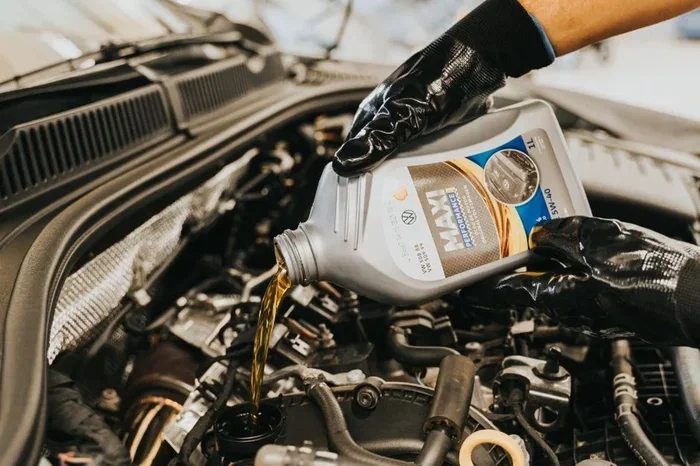
Target motor oil is a reliable and affordable choice for keeping your car engine running smooth. This guide covers the types, benefits, and tips you need to know. You will learn why many drivers trust target motor oil for their engine oil needs.
Your car engine works hard every single day. It needs the right target motor oil to stay healthy and run smooth. Just like your body needs food and water, your car engine needs clean oil to keep all the moving parts working right.
Choosing the best engine oil can feel confusing at first. There are so many brands, grades, and types on the shelf. But the good news is that picking the right target motor oil does not have to be hard. In this guide, we will walk you through everything you need to know.
We will cover the different types of target motor oil available. We will talk about why oil changes matter and how to pick the right viscosity rating for your car. By the end, you will feel confident about your vehicle maintenance choices. Let us get started.
Key Takeaways
- Target motor oil offers quality protection at an affordable price for all car owners.
- Choosing the right viscosity rating and oil type is essential for engine protection.
- Regular oil changes and oil filter replacements keep your car engine running strong.
- Synthetic blend and full synthetic options provide better performance in extreme conditions.
- Avoiding common mistakes like skipping changes or using the wrong grade saves you money long term.
- Target motor oil is easy to find at Target stores with helpful tools to match your car.
- Staying on top of vehicle maintenance extends engine life and improves fuel efficiency.
📑 Table of Contents
What Is Target Motor Oil and Why Does It Matter
Every car engine has many moving parts that rub against each other. Without proper motor lubricant, those parts would grind together and cause serious damage. Target motor oil is designed to reduce friction and protect your car engine from wear and tear.
Think of target motor oil as the lifeblood of your engine. It flows through the engine block, picks up heat, and carries away dirt and debris. Over time, oil breaks down and loses its ability to protect your engine. That is why regular oil changes are so important.
Understanding Your Engine’s Needs
Every engine is different. Some engines need conventional oil, while others work best with a synthetic blend or full synthetic formula. The right choice depends on your car model, driving habits, and climate. Always check your owner’s manual for the OEM specification your engine requires.
Older cars with high mileage often benefit from high mileage oil. These formulas contain extra additives that help seal gaps and reduce oil burn-off. Newer engines may need a thinner viscosity rating to flow quickly in cold weather.
The Role of Motor Oil in Engine Health
Motor oil does more than just lubricate. It also helps cool your engine, prevents rust, and keeps harmful deposits from building up. A good target motor oil will maintain its oil pressure even under heavy use. This means better engine protection during long drives or tough conditions.
When oil gets old, it loses its ability to clean and protect. Sludge can form inside the engine, which leads to costly repairs. Using quality target motor oil and changing it on time keeps your engine running like new for years.
Types of Target Motor Oil Available
Target carries several types of motor oil to fit different needs and budgets. Understanding the differences helps you make the best choice for your car. Here is a simple breakdown of what you will find on the shelf.
Conventional Oil
Conventional oil is the most basic type of engine oil. It works well for older engines and normal driving conditions. This type of oil is affordable and easy to find. Many drivers use it for daily commuting and light-duty driving.
However, conventional oil breaks down faster than synthetic options. It may need to be changed more often, especially if you drive in hot or dusty conditions. For most drivers, conventional target motor oil is a solid and budget-friendly choice.
Synthetic Blend and Full Synthetic
A synthetic blend mixes conventional oil with synthetic chemicals. This gives you better protection than conventional oil alone. It also lasts a bit longer between oil changes. Many modern cars do well with a synthetic blend.
Full synthetic oil is the top tier. It offers the best engine protection and performs well across a wide temperature range. It flows smoothly in cold weather and stays stable under high heat. If you want the best performance, go with full synthetic target motor oil.
High Mileage Oil Options
If your car has more than 75,000 miles, consider high mileage oil. This type of motor lubricant contains seal conditioners that help reduce leaks. It also has extra detergents to clean out old sludge buildup.
Target motor oil offers high mileage formulas that are easy to find at your local store. These oils are designed to extend the life of older engines. They can help you avoid expensive repairs and keep your car running strong.
Benefits of Using Target Motor Oil
There are many reasons to choose target motor oil for your next oil change. Let us look at the top benefits that make it a smart pick for your car.
Better Engine Protection
Your engine has hundreds of moving parts that spin, slide, and rotate every second. Quality target motor oil creates a thin film between these parts. This film reduces friction and prevents metal-on-metal contact. The result is less engine wear and a longer engine life.
Good oil also contains additives that fight oxidation and sludge. These additives keep your engine clean inside. Over time, this adds up to fewer breakdowns and lower repair costs. With the right target motor oil, your engine stays protected mile after mile.
Improved Fuel Efficiency
Did you know that the right oil can help you save gas? Modern target motor oil is designed to reduce internal engine friction. Less friction means your engine does not have to work as hard. This leads to better fuel efficiency over time.
Even a small improvement in fuel economy adds up. If you drive 12,000 miles a year, better oil could save you dozens of dollars at the pump. Pairing quality engine oil with regular oil changes is one of the easiest ways to save money.
Easy to Find and Affordable
One of the best things about target motor oil is how easy it is to buy. Target stores carry a wide range of engine oil brands and grades. You can find what you need without driving to a specialty shop. And the prices are very competitive.
Many target motor oil products also come with helpful tools. You can scan a QR code on the bottle to find the right oil for your car. This makes shopping quick and simple, even if you are not a car expert.
How to Choose the Right Target Motor Oil
Picking the right target motor oil does not have to be guesswork. A few simple steps will guide you to the right choice every time.
Check Your Viscosity Rating
The viscosity rating tells you how thick or thin the oil is at different temperatures. You will see it printed on the oil bottle as a number like 5W-30 or 10W-40. The first number with the W shows how the oil flows in cold weather. The second number shows the thickness at normal operating temperature.
Always match your oil to what your car manual recommends. Using the wrong viscosity rating can reduce oil pressure and harm your engine. If you are not sure, ask a store associate or check the label on your old oil bottle.
Match Oil to Your Driving Style
How you drive matters when choosing target motor oil. If you drive short trips in cold weather, you need oil that flows fast when the engine is cold. If you tow heavy loads or drive in hot climates, you need oil that stays stable under heat.
Stop-and-go city driving puts more stress on your engine than highway cruising. If your driving style is tough, consider a synthetic blend or full synthetic target motor oil. These options handle extreme conditions better and last longer between changes.
Quick Tips for Oil Changes and Maintenance
Changing your oil is one of the easiest ways to care for your car. But there are a few things to keep in mind to do it right.
When to Change Your Oil
Most cars need an oil change every 5,000 to 7,500 miles. Some newer models with oil life systems can go longer. Your dashboard will alert you when it is time. Do not ignore these warnings. Old oil loses its ability to protect your engine.
If you drive in harsh conditions, you may need to change your oil more often. Stop-and-go traffic, extreme heat, and dusty roads all shorten oil life. Check your oil change interval in the owner’s manual and adjust as needed.
Do Not Forget the Oil Filter
The oil filter catches dirt and metal particles as oil flows through the engine. A clogged filter can reduce oil pressure and let dirty oil circulate. Always replace the filter when you change your oil. This is a small step that makes a big difference.
You can buy quality oil filters at most Target stores. Look for filters that match your car model and oil type. A clean filter helps your target motor oil do its job better.
Common Mistakes People Make With Motor Oil
Even careful car owners sometimes make mistakes with their oil. Here are the most common ones to avoid.
Overlooking Oil Life Indicators
Many modern cars have an oil life system that tracks driving conditions. This system tells you when it is time for an oil change. Some drivers ignore this light or reset it without actually changing the oil. This can lead to worn-out oil and engine damage.
Always get a real oil change when the system prompts you. Do not just reset the light and keep driving. Your car engine will thank you for staying on top of it.
Using the Wrong Oil Grade
Using the wrong viscosity rating is a common and costly mistake. Thicker oil does not always mean better protection. In fact, using oil that is too thick can reduce fuel efficiency and strain your oil pump.
On the other hand, oil that is too thin may not protect your engine under heavy load. Stick to the grade recommended by your car manufacturer. When in doubt, ask a mechanic or check the OEM specification in your owner’s manual.
Skipping Oil Changes to Save Money
Some drivers try to stretch their oil change interval way past the recommended point. They think they are saving money, but they are actually risking engine damage. Old oil loses its additives and becomes less effective. Over time, this leads to more friction, more heat, and more engine wear.
Regular oil changes are one of the cheapest forms of vehicle maintenance. Skipping them can lead to engine failure, which costs thousands of dollars to fix. Stay on schedule and save money in the long run.
Conclusion
Choosing the right target motor oil is one of the simplest and most important things you can do for your car. It protects your car engine, improves fuel efficiency, and helps you avoid costly repairs. Whether you pick conventional, synthetic blend, or full synthetic, the key is to stay consistent with your oil changes.
Target motor oil offers a great balance of quality, price, and availability. It is easy to find, simple to choose, and trusted by millions of drivers. Take a few minutes to check your viscosity rating and pick the right engine oil for your car. Your engine will run smoother, last longer, and perform better with the right target motor oil.
Do not wait until something goes wrong. Make vehicle maintenance a habit. Change your oil on time, check your oil pressure regularly, and always use the right grade. Your car will reward you with years of reliable service. Start today with target motor oil and give your engine the care it deserves.
Frequently Asked Questions
Can I Use Target Motor Oil in Any Car?
Most cars can use target motor oil as long as you pick the right viscosity rating and OEM specification. Always check your owner’s manual to confirm what your engine needs. If you are unsure, ask a store associate for help.
How Often Should I Change My Target Motor Oil?
The standard oil change interval is every 5,000 to 7,500 miles for most vehicles. However, this can vary based on your driving habits and climate. Check your car manual or the oil life system on your dashboard for the best guidance.
Is Synthetic Target Motor Oil Worth the Extra Cost?
Yes, full synthetic target motor oil offers superior protection and lasts longer than conventional oil. It performs well in extreme temperatures and reduces engine friction. If you want the best engine protection and fuel efficiency, the extra cost is worth it.
What Is the Difference Between Synthetic Blend and Full Synthetic?
A synthetic blend mixes conventional and synthetic oils for better protection at a lower price. Full synthetic oil is made entirely from synthetic chemicals and offers the highest level of performance. Both are great choices, but full synthetic provides the best temperature range protection.
Can I Switch Between Conventional and Synthetic Oil?
Yes, you can switch between conventional oil and synthetic target motor oil without harming your engine. Modern oils are compatible with each other. Just make sure to match the viscosity rating and OEM specification your car requires.
How Do I Know If My Target Motor Oil Needs Changing?
Signs that your engine oil needs changing include dark or dirty oil on the dipstick, a burning oil smell, or reduced oil pressure. Your car’s oil life system will also alert you when it is time. Do not wait for these warning signs to get worse.