How to Check Transmission Fluid Level on Nissan Micra

Checking the transmission fluid level on your Nissan Micra is a simple yet vital maintenance task that helps keep your car running smoothly. Whether you drive a manual or automatic Micra, learning how to check and change your transmission fluid can prevent costly repairs and extend the life of your gearbox. This guide walks you through every step, from locating the dipstick to knowing when the fluid needs replacing, so you can handle this job at home with confidence.
Your Nissan Micra is a reliable little car that has earned a loyal following over the years. But even the best vehicles need regular care to keep running their best. One of the most overlooked yet important maintenance tasks is checking the transmission fluid level on Nissan Micra. Many car owners skip this simple check until something goes wrong. By that point, the damage can be costly.
Transmission fluid keeps all the moving parts inside your gearbox lubricated and cooled. Without enough fluid or with dirty fluid, your transmission can overheat, slip, or even fail. The good news? Checking and topping up your fluid is something you can do at home with just a few basic tools. In this guide, we walk you through every single step so you can tackle this job with confidence.
Key Takeaways
- Regular fluid checks prevent expensive transmission repairs and keep your Nissan Micra shifting smoothly.
- You need basic tools like a wrench, drain pan, and the correct type of transmission fluid for your Micra model.
- Checking the fluid when the engine is warm gives the most accurate reading for both manual and automatic transmissions.
- Dirty or burnt-smelling fluid is a clear sign that it is time for a change or a professional inspection.
- Following the Nissan service schedule ensures you never miss a critical transmission maintenance window.
- Safety first — always let the car cool slightly and use jack stands when working underneath.
📑 Table of Contents
- Why Transmission Fluid Matters for Your Nissan Micra
- Understanding Your Nissan Micra Transmission
- Tools You Will Need
- Step-by-Step Guide to Checking Transmission Fluid Level on Nissan Micra
- How Often Should You Check the Fluid?
- Common Mistakes to Avoid When Checking Transmission Fluid
- When to Seek Professional Help
- Final Thoughts on Nissan Micra Transmission Care
- Conclusion
Why Transmission Fluid Matters for Your Nissan Micra
Transmission fluid does more than just lubricate. It also helps cool the internal components, cleans the system, and ensures smooth gear shifts. Over time, this fluid breaks down from heat and use. Old fluid loses its ability to protect your transmission, which can lead to serious problems.
For Nissan Micra owners, staying on top of transmission fluid maintenance is especially important. The Micra is known for being fuel-efficient and affordable to run. But neglecting the gearbox can undo all those benefits. A simple fluid check every few months can save you from a transmission rebuild that costs hundreds of dollars.
Think of it this way. You would not skip oil changes, right? Transmission fluid deserves the same attention. It keeps your car shifting through gears like butter, whether you are cruising on the highway or navigating city traffic.
Understanding Your Nissan Micra Transmission
Before you check the fluid, it helps to know what type of transmission your Micra has. Different model years came with different gearbox options, and each one has its own way of checking fluid levels.
Manual Transmission
A manual transmission gives you more control over gear changes. Many older Nissan Micra models came with a manual gearbox. To check the fluid level on a manual Micra, you typically need to locate the fill plug on the side of the transmission casing. This is different from an automatic, and it requires a slightly different approach.
For manual Micra models, the fluid used is often a specific gear oil rather than standard automatic transmission fluid. Always check your owner manual to confirm the right type. Using the wrong fluid can cause grinding gears and premature wear.
Automatic Transmission
Automatic transmissions are more common in later Micra models. These use a dipstick similar to the one for engine oil. The automatic transmission fluid, often called ATF, is usually a bright red or green color when new. As it ages, it darkens and may develop a burnt smell.
Nissan Micra automatic models from the 2000s and 2010s generally use a standard ATF, but always double-check your specific model year. Nissan has used different fluid specifications over the years, and using the wrong one can affect shifting performance.
Tools You Will Need
Gathering your tools before you start makes the whole process much smoother. Here is what you need:
- Socket wrench set — for drain plugs and fill plugs
- Transmission fluid — the correct type for your Micra model
- Drain pan — to catch old fluid
- Funnel — for adding new fluid without spills
- Clean rags or paper towels — for wiping the dipstick and surrounding area
- Jack and jack stands — if you need to access the drain plug underneath
- Gloves and safety glasses — to protect your hands and eyes
Having everything ready means you will not need to stop halfway through the job. Pro tip: lay down some cardboard or a tarp under the car to catch any drips and keep your workspace clean. A tidy workspace also makes it easier to spot any leaks or issues during the process.
Step-by-Step Guide to Checking Transmission Fluid Level on Nissan Micra
Now for the main event. Here is a clear, detailed walkthrough for checking your transmission fluid on a Nissan Micra. Follow these steps carefully and you will have an accurate reading every time.
Step 1: Park on a Level Surface
First, find a flat, level surface to park on. This is critical because fluid readings can be inaccurate if the car is tilted. Engage the parking brake and make sure the car is completely still before you start.
Step 2: Warm Up the Engine
Start the engine and let it idle for a few minutes. The fluid needs to be warm to flow properly and give you an accurate level reading. For automatic transmissions, shift through all the gears while the car is stationary, then return to park. This circulates the fluid throughout the system.
Be careful not to let the engine overheat. A few minutes of idling is enough. If the engine is too hot, wait a few minutes for it to cool slightly before you work around it.
Step 3: Locate the Dipstick or Fill Plug
For automatic Micra models, look for the transmission dipstick. It is usually located near the back of the engine bay and has a colored handle. For manual models, you will need to find the fill plug on the side of the transmission housing.
Refer to your owner manual if you are unsure where to look. Every Micra model year has a slightly different engine bay layout, so knowing exactly where your components are saves time and frustration.
Step 4: Check the Fluid Level
For automatic models, pull out the dipstick, wipe it clean with a rag, reinsert it fully, then pull it out again. Look at the fluid markings on the dipstick. The fluid should fall between the “full” and “add” marks.
For manual models, you will need to remove the fill plug and check if the fluid reaches the bottom of the plug hole. If fluid is dripping out slowly, the level is good. If it is dry inside, you need to add more.
Step 5: Inspect the Fluid Condition
While you have the dipstick out, take a moment to examine the fluid. Fresh transmission fluid is usually clear red or green. If the fluid looks dark brown or black, it is time for a change. A burnt smell is another warning sign that the fluid has broken down and is no longer protecting your transmission.
Also look for any metal particles or debris in the fluid. These can indicate internal wear inside the transmission. If you see anything unusual, it is worth having a mechanic inspect the gearbox before the problem gets worse.
Step 6: Top Up or Change the Fluid
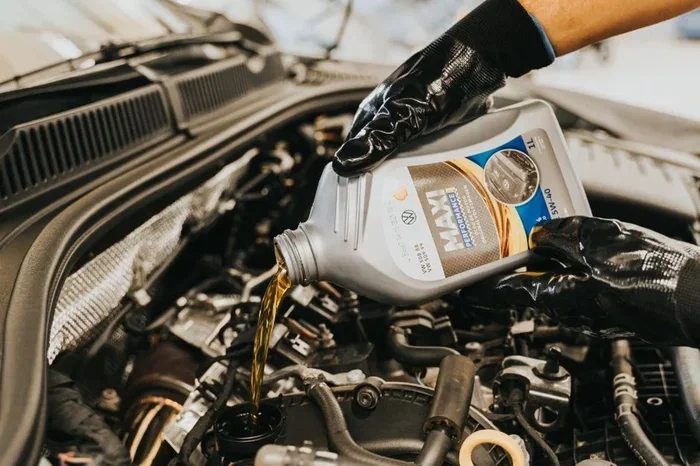
If the fluid level is low, use a funnel to add the correct transmission fluid slowly. Add a little at a time and recheck the level to avoid overfilling. Overfilling can cause foaming and pressure problems inside the transmission.
If the fluid is dirty or burnt, a full fluid change is recommended. Drain the old fluid completely, replace the drain plug, and refill with fresh fluid to the proper level. Always dispose of old transmission fluid responsibly at a recycling center.
How Often Should You Check the Fluid?
Most Nissan experts recommend checking your transmission fluid every 3,000 to 5,000 miles. However, if you drive in heavy traffic or tow heavy loads, you may need to check it more often. Hot weather and stop-and-go driving put extra stress on the transmission and can break down fluid faster.
For Nissan Micra owners, the owner manual is your best resource. It will list the recommended service intervals specific to your model year. Following the factory schedule ensures your transmission stays healthy for the long haul.
Some drivers wait until they notice a problem before checking the fluid. This is a mistake. By the time you feel slipping gears or rough shifting, the damage may already be done. Regular checks help you catch issues early when they are still cheap and easy to fix.
Common Mistakes to Avoid When Checking Transmission Fluid
Even a simple task like checking fluid can go wrong if you are not careful. Here are some common mistakes Nissan Micra owners make:
- Checking the fluid with a cold engine — this gives an inaccurate reading. Always warm the engine up first.
- Overfilling the transmission — too much fluid can cause foaming, leaks, and pressure issues.
- Using the wrong fluid type — always use the fluid specification listed in your owner manual.
- Ignoring fluid color and smell — these are important indicators of fluid health.
- Skipping regular checks — prevention is always cheaper than repair.
Another mistake people make is not tightening the drain plug properly after a fluid change. A loose plug leads to leaks, which means you lose fluid and risk damaging the transmission. Always double-check that all plugs and bolts are snug before you start the car.
When to Seek Professional Help
While checking and changing transmission fluid is a manageable DIY job, some situations call for a professional. If you notice persistent slipping gears, strange noises, or fluid leaks that keep coming back, it is time to see a mechanic. These symptoms can indicate deeper problems inside the transmission that fluid changes alone cannot fix.
A qualified technician has the tools and expertise to diagnose issues that go beyond simple fluid maintenance. They can perform a transmission flush, inspect internal components, and advise on whether a rebuild or replacement is needed.
For Nissan Micra owners who are unsure about any step, a quick visit to a trusted mechanic can provide peace of mind. Many shops offer free fluid level checks and can spot potential problems before they become expensive repairs.
Final Thoughts on Nissan Micra Transmission Care
Taking care of your Nissan Micra transmission does not have to be complicated. A regular fluid check keeps everything running smoothly and helps you avoid expensive repairs down the road. Whether you drive a manual or automatic Micra, the steps are straightforward and well worth the effort.
Make checking transmission fluid level on Nissan Micra part of your regular car maintenance routine. Set a reminder every few months, and your transmission will thank you for years to come. A little prevention goes a long way toward keeping your Micra reliable and road-ready.
After you finish working on your car, you might want to freshen up your workspace. If you have a desk nearby, consider adding a small plant to keep your area pleasant — check out this guide on where to put a plant on your desk for some great ideas. A clean, organized space helps you stay focused and productive.
Similarly, if you are setting up a study area or home office, knowing what to put on a study desk can help you create an efficient workspace. And if you are thinking about adding a money plant to your office desk for good luck and a touch of green, this guide on where to keep a money plant on your office desk has helpful tips to get you started.
Conclusion
Checking the transmission fluid level on your Nissan Micra is one of the simplest yet most impactful maintenance tasks you can do. It takes just a few minutes, requires minimal tools, and can save you from costly transmission repairs. Whether you are a seasoned DIYer or a first-time car owner, this guide gives you everything you need to get the job done right.
Remember to check your fluid regularly, use the correct type, and never ignore warning signs like dark color or a burnt smell. Your Nissan Micra deserves the best care, and a well-maintained transmission keeps your car running smoothly for miles and miles to come.
Frequently Asked Questions
What type of transmission fluid does a Nissan Micra use?
Most Nissan Micra models use a standard automatic transmission fluid (ATF) or gear oil for manual transmissions. Always check your owner manual for the exact fluid specification recommended for your specific model year. Using the wrong fluid can damage your transmission and void your warranty.
How often should I check my Nissan Micra transmission fluid?
It is recommended to check your transmission fluid every 3,000 to 5,000 miles. However, if you drive in heavy traffic, hot weather, or tow heavy loads, you should check it more frequently. Regular checks help you catch low fluid levels before they cause serious damage.
Can I check the transmission fluid on a Nissan Micra with the engine off?
For the most accurate reading, you should check the fluid with the engine warm and running. This allows the fluid to circulate and settle at the proper level. Checking with a cold engine can give you a false low reading, leading you to add fluid you do not actually need.
What are the signs that my Nissan Micra transmission fluid needs changing?
Dark brown or black fluid color, a burnt smell, and rough or slipping gear shifts are clear signs that your fluid needs changing. You may also notice delayed engagement when shifting into drive or reverse. If you observe any of these symptoms, check the fluid level and condition right away.
Is it safe to change transmission fluid myself on a Nissan Micra?
Yes, changing transmission fluid on a Nissan Micra is a safe and manageable DIY task if you follow the proper steps. Make sure you use the correct fluid type, have the right tools, and work on a level surface. Always wear gloves and safety glasses, and dispose of old fluid responsibly at a recycling center.
What happens if I overfill the transmission fluid on my Nissan Micra?
Overfilling can cause the fluid to foam, which reduces its lubricating ability and creates excess pressure inside the transmission. This can lead to leaks, erratic shifting, and potential damage to internal components. Always add fluid gradually and recheck the level to avoid overfilling.