What Smart Bulbs Work with Apple Homekit
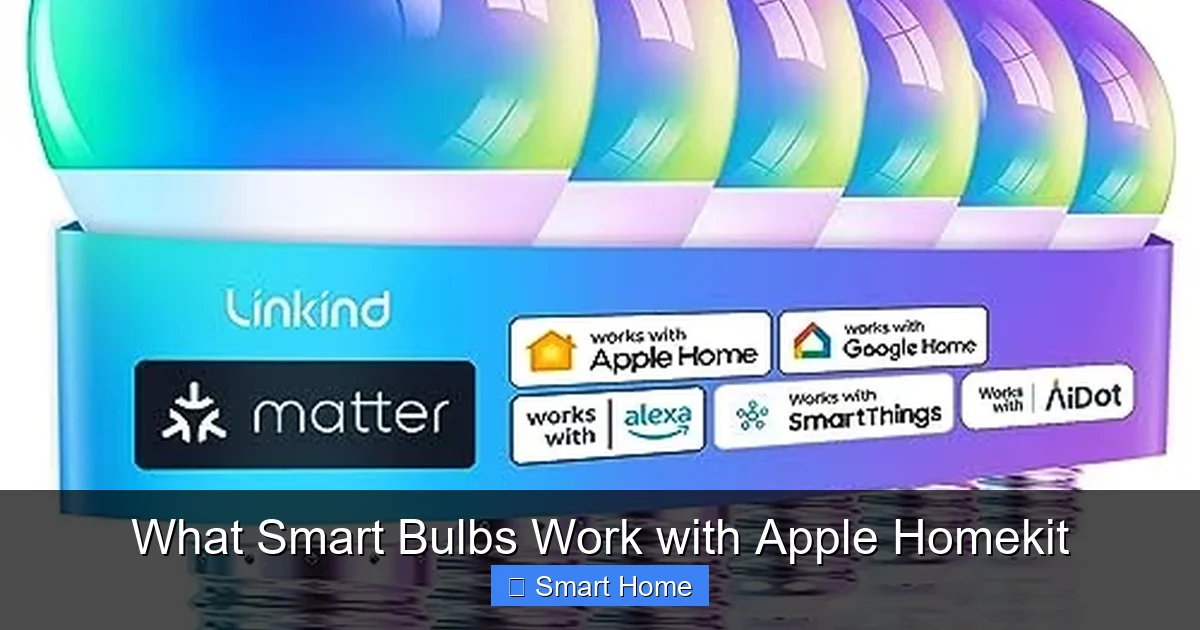
Apple HomeKit lets you control smart lighting with Siri, automate scenes, and integrate bulbs into your smart home ecosystem. But not all smart bulbs are compatible—only those with the HomeKit certification will work reliably. In this guide, we’ll walk you through the top HomeKit-compatible bulbs, how to set them up, and tips to get the most out of your lighting experience.
Key Takeaways
- Understanding What Smart Bulbs Work With Apple Homekit: Provides essential knowledge
📑 Table of Contents
- What Smart Bulbs Work with Apple HomeKit?
- Understanding Apple HomeKit and Its Ecosystem
- Top Smart Bulbs That Work with Apple HomeKit
- How to Set Up Smart Bulbs with Apple HomeKit
- Benefits of Using HomeKit-Compatible Smart Bulbs
- Tips for Maximizing Your Smart Lighting Experience
- Common Myths About HomeKit Bulbs
- Conclusion: Light Up Your Home with Apple HomeKit
What Smart Bulbs Work with Apple HomeKit?
Imagine walking into your home after a long day, and your smart bulbs automatically turn on, set to a warm, relaxing glow. Or picture this: you’re watching a movie, and you simply say, “Hey Siri, dim the lights,” and the room instantly transforms into a cinematic ambiance. That’s the power of Apple HomeKit—and it starts with the right smart bulbs.
But here’s the catch: not every smart bulb plays nice with Apple’s ecosystem. To work with HomeKit, bulbs must be certified by Apple, which means they meet strict standards for privacy, security, and performance. This certification ensures seamless integration with the Home app, Siri voice commands, and automation features.
In this guide, we’ll explore exactly what smart bulbs work with Apple HomeKit, how to choose the best ones, and how to set them up for a truly intelligent lighting experience. Whether you’re a beginner or a seasoned smart home enthusiast, this article will help you make the most of your HomeKit-compatible bulbs.
Understanding Apple HomeKit and Its Ecosystem
Before diving into specific bulbs, it’s important to understand what Apple HomeKit is and how it functions. HomeKit is Apple’s smart home platform, designed to connect and control compatible devices through a single, secure app—the Home app on your iPhone, iPad, or Mac.
Visual guide about What Smart Bulbs Work with Apple Homekit
Image source: m.media-amazon.com
How HomeKit Works
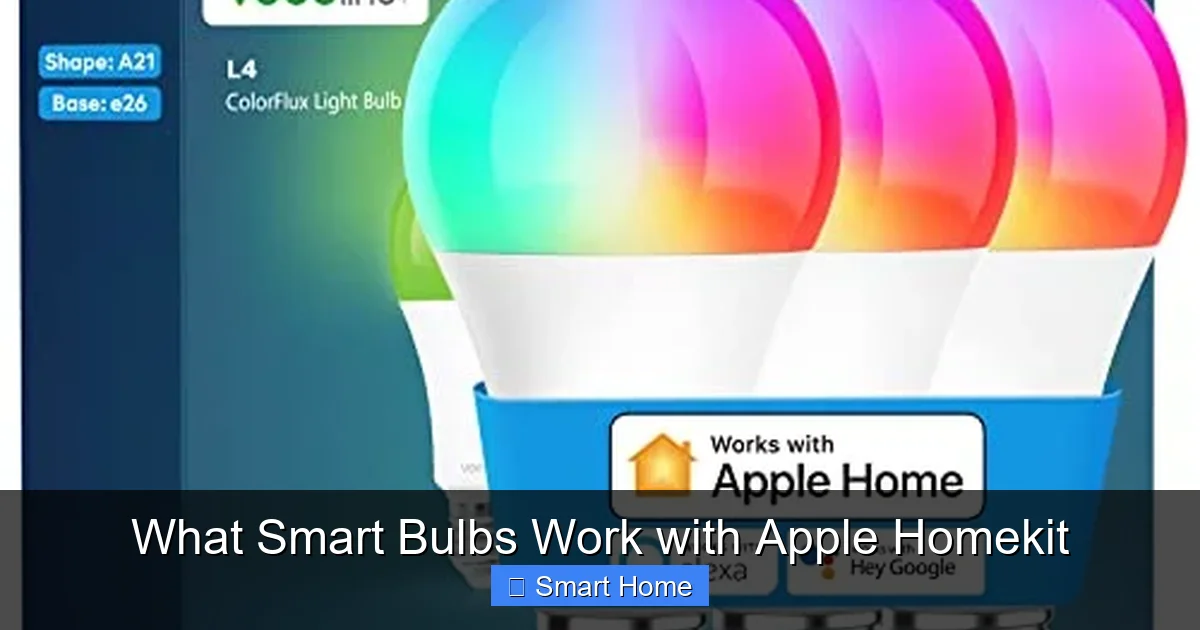
HomeKit devices communicate using end-to-end encryption, meaning your data stays private and secure. Each device must be authenticated by Apple, ensuring only trusted products can join your network. This is why you’ll often see a “Works with Apple HomeKit” badge on packaging or product listings.
When you add a HomeKit bulb, you can control it via the Home app, Siri voice commands, or automation rules. For example, you can set your bedroom light to turn on at 7 a.m. every day, or adjust the color based on the time of day.
Why HomeKit Certification Matters
Not all smart bulbs are created equal. Some use proprietary apps or require separate hubs, while others rely on cloud-based servers that may compromise privacy. HomeKit certification ensures that bulbs:
- Work without needing a separate hub (most use Wi-Fi or Thread)
- Support secure, local control when possible
- Integrate smoothly with other HomeKit devices
- Allow voice control via Siri
This certification is what separates HomeKit-compatible bulbs from the rest. So when shopping, look for the official HomeKit logo.
Top Smart Bulbs That Work with Apple HomeKit
Now that you understand what makes a bulb HomeKit-compatible, let’s look at some of the best options available today. These bulbs offer reliable performance, easy setup, and full integration with Apple’s ecosystem.
Visual guide about What Smart Bulbs Work with Apple Homekit
Image source: cf.shopee.ph
Philips Hue White and Color Ambiance
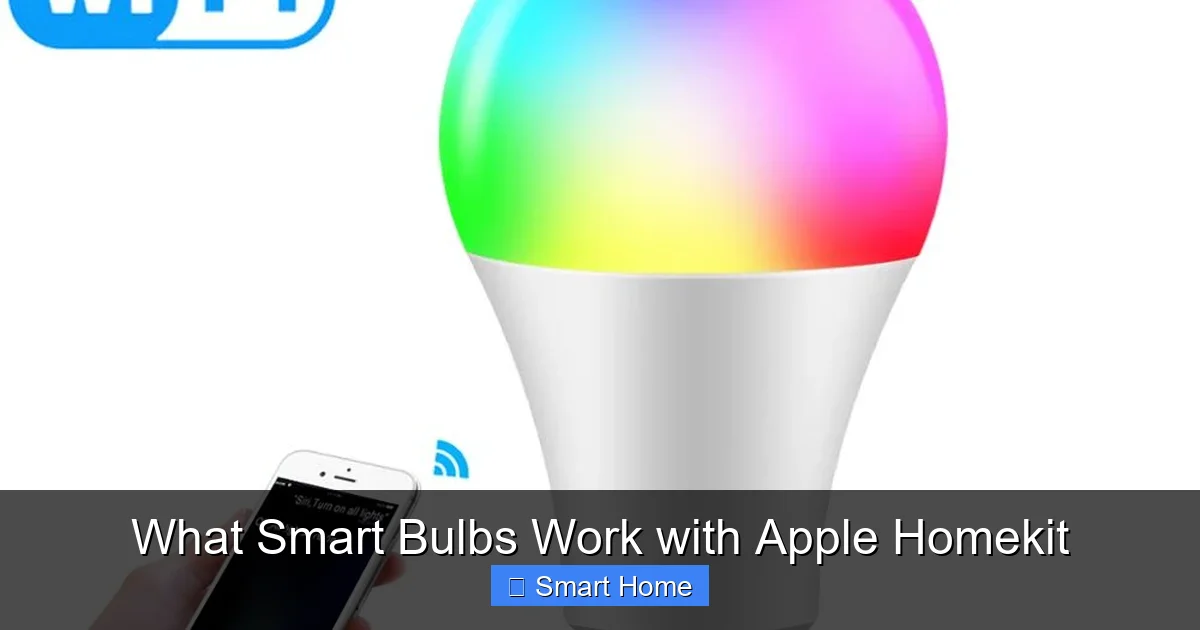
Philips Hue is arguably the most popular smart lighting brand, and their bulbs are fully compatible with Apple HomeKit. The Hue White and Color Ambiance line includes bulbs that support billions of colors, dimming, and scheduling.
To use Hue bulbs with HomeKit, you’ll need the Philips Hue Bridge (a small hub), but once connected, you can control them directly through the Home app. You can create scenes like “Movie Night” or “Reading Mode” and trigger them with Siri.
One of the best features of Hue bulbs is their support for geofencing—automatically turning lights on when you arrive home and off when you leave.
Lutron Caséta Smart Bulbs
Lutron’s Caséta smart bulbs are another excellent choice for HomeKit users. Unlike Hue, Lutron bulbs connect directly to Wi-Fi and don’t require a separate hub, making them easier to set up.
These bulbs are ideal for people who want simple on/off, dimming, and scheduling without extra hardware. They also work well with Lutron’s Pico remotes, adding physical control options.
While Lutron bulbs don’t support full color changing, they do offer tunable white light—perfect for adjusting brightness and warmth to match your mood or time of day.
TP-Link Kasa Smart LED Bulbs
TP-Link’s Kasa bulbs are budget-friendly and still fully compatible with Apple HomeKit. These bulbs connect via Wi-Fi and support dimming, scheduling, and color changing (in select models).
One standout feature is their support for energy monitoring in the Kasa app, allowing you to track how much power your lights use. This is great for reducing electricity bills.
Setup is straightforward—just scan the QR code on the bulb or tap the HomeKit button in the Kasa app. Once added, you can control them through the Home app or Siri.
Nanoleaf Essential Bulbs
Nanoleaf is known for its modular lighting panels, but their Essential bulbs are a sleek, HomeKit-compatible alternative. These bulbs offer color changing, dimming, and music sync (in some models).
What sets Nanoleaf apart is their design—slim, modern, and available in multiple finishes. They’re perfect for minimalist interiors and work well with HomeKit scenes.
Like most HomeKit bulbs, Nanoleaf bulbs connect directly to Wi-Fi and don’t require a hub. You can group them with other lights for synchronized effects or control them individually.
GE C by GE Smart Bulbs
GE’s C by GE bulbs are affordable and easy to use. They support full color changing, dimming, and scheduling, and are fully compatible with Apple HomeKit.
One unique feature is their integration with Apple Watch—you can control your lights directly from your wrist. This makes it easy to turn off lights when you leave the house without pulling out your phone.
GE bulbs also support voice control with Siri and can be added to HomeKit using the Home app or the C by GE app.
Signify (Formerly Philips) Hue White Ambiance
If you prefer a simpler version of Hue bulbs, the White Ambiance line offers tunable white light—no colors, just brightness and warmth. These are ideal for bedrooms, offices, or anywhere you want soft, adjustable lighting.
They still require the Hue Bridge for HomeKit integration, but they’re more affordable than the full-color version. You can set them to mimic sunrise or dim them when you fall asleep.
How to Set Up Smart Bulbs with Apple HomeKit
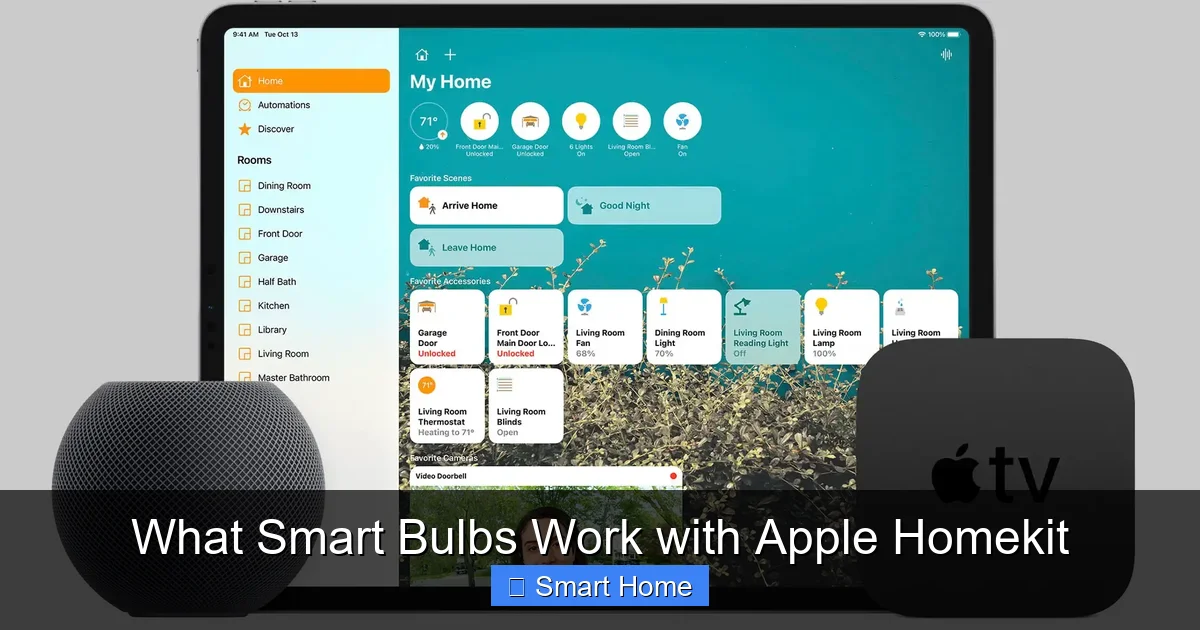
Setting up HomeKit-compatible bulbs is easier than you might think. Most bulbs use one of two methods: QR code scanning or NFC tap. Here’s a step-by-step guide to get you started.
Visual guide about What Smart Bulbs Work with Apple Homekit
Image source: macworld.com
Step 1: Check Compatibility
Before buying, confirm the bulb is labeled “Works with Apple HomeKit.” You can also check the manufacturer’s website or the product listing on Apple’s official compatibility page.
Step 2: Install the Bulb
Turn off the power, screw in the bulb, and turn the power back on. Make sure the bulb is powered and ready for pairing.
Step 3: Open the Home App
On your iPhone or iPad, open the Home app. Tap the “+” icon in the top-right corner and select “Add Accessory.”
Step 4: Scan the QR Code
Most bulbs come with a QR code on the packaging or bulb itself. Point your camera at the code and tap the notification that appears. If you can’t scan it, you can manually enter the setup code.
Step 5: Name and Assign the Bulb
Give your bulb a name (e.g., “Bedroom Light”) and assign it to a room. You can also create a new room if needed.
Step 6: Test with Siri
Say, “Hey Siri, turn on the bedroom light,” and see if it responds. If it does, you’re all set!
Troubleshooting Tips
- If the bulb doesn’t appear, make sure it’s powered and in pairing mode.
- Ensure your iPhone is on the same Wi-Fi network.
- Restart the Home app or your device if pairing fails.
- Check for firmware updates in the manufacturer’s app.
Benefits of Using HomeKit-Compatible Smart Bulbs
Choosing HomeKit-compatible bulbs isn’t just about convenience—it offers real advantages for your home and daily life.
Voice Control with Siri
One of the biggest perks is hands-free control. Whether you’re cooking, relaxing, or multitasking, you can simply say, “Hey Siri, dim the living room lights,” and the change happens instantly.
Siri also supports natural language. Try saying, “Make it cozy,” and if your bulbs support scenes, Siri can activate the right lighting mood.
Automation and Scenes
With HomeKit, you can create automation rules based on time, location, or device status. For example:
- Turn on porch lights at sunset
- Dim bedroom lights when you go to bed
- Turn off all lights when you leave home
You can also create custom scenes like “Good Morning” (gradually brighten lights) or “Movie Night” (dim lights to 20% with a blue tint).
Energy Efficiency
Smart bulbs use less energy than traditional incandescents. With dimming and scheduling, you can reduce electricity use and lower your bills. Some bulbs even report energy usage in the Home app.
Privacy and Security
HomeKit uses end-to-end encryption, so your data stays private. Unlike cloud-based systems, many HomeKit devices can operate locally, reducing reliance on external servers.
Integration with Other Devices
HomeKit bulbs work seamlessly with other smart devices. Pair them with motion sensors, doorbells, or thermostats for a fully automated home. For example, lights can turn on when motion is detected after dark.
Tips for Maximizing Your Smart Lighting Experience
To get the most out of your HomeKit bulbs, follow these practical tips.
Group Lights for Easier Control
Instead of controlling each bulb individually, group them by room or activity. For example, create a “Living Room” group and control all lights at once with one command.
Use Geofencing for Automation
Enable location-based automation so lights turn on when you arrive home. This saves energy and adds convenience.
Experiment with Schedules
Set lights to turn on/off at specific times. This is great for simulating occupancy when you’re away or waking up gently with a sunrise simulation.
Take Advantage of Scenes
Create multiple lighting scenes for different times of day. Use warm light in the evening and brighter light in the morning to support your circadian rhythm.
Keep Firmware Updated
Regular updates improve performance and add new features. Check the manufacturer’s app periodically for updates.
Use Apple Watch for Quick Control
Many HomeKit bulbs support Apple Watch control. Add the Home app to your watch and turn lights on/off with a tap.
Common Myths About HomeKit Bulbs
Let’s clear up some misconceptions about smart bulbs and Apple HomeKit.
Myth 1: HomeKit Bulbs Are Too Expensive
While high-end bulbs like Hue can be pricey, there are affordable options like TP-Link Kasa and GE C by GE that still offer full HomeKit compatibility.
Myth 2: You Always Need a Hub
Most HomeKit bulbs connect directly to Wi-Fi. Only a few (like Hue) require a hub, but even then, the hub can be added later.
Myth 3: HomeKit Is Only for iPhones
While optimized for Apple devices, HomeKit bulbs can also work with Android phones via third-party apps, though full features may be limited.
Myth 4: All Smart Bulbs Are the Same
Not all smart bulbs support dimming, color changing, or scheduling. Always check features before buying.
Myth 5: HomeKit Is Hard to Set Up
With QR code scanning and the Home app, setup is simple—even for beginners.
Conclusion: Light Up Your Home with Apple HomeKit
Smart bulbs that work with Apple HomeKit offer a simple, secure, and powerful way to transform your lighting. Whether you want voice control, automation, or energy savings, HomeKit-compatible bulbs deliver on all fronts.
From Philips Hue’s vibrant colors to Lutron’s hub-free setup, there’s a bulb for every need and budget. And with Siri, the Home app, and Apple Watch, controlling your lights has never been easier.
So why wait? Start building your smart lighting system today and enjoy the convenience, comfort, and energy efficiency that HomeKit brings. Your home will thank you—and so will your energy bill.
Frequently Asked Questions
Which smart bulbs are compatible with Apple HomeKit?
Smart bulbs that work with Apple HomeKit include Philips Hue, Lutron Caséta, TP-Link Kasa, Nanoleaf Essential, GE C by GE, and Signify Hue White Ambiance. Look for the “Works with Apple HomeKit” badge.
Do I need a hub for HomeKit smart bulbs?
Most HomeKit bulbs connect directly to Wi-Fi and don’t require a hub. However, some like Philips Hue need the Hue Bridge for full HomeKit functionality.
Can I control HomeKit bulbs with Siri?
Yes, you can use voice commands like “Hey Siri, turn on the living room light” or “Dim the kitchen lights to 50%.”
Are HomeKit bulbs secure?
Yes, HomeKit uses end-to-end encryption and secure authentication, ensuring your data and devices remain private.
Can I use HomeKit bulbs with Android devices?
Some HomeKit bulbs can be controlled via third-party apps on Android, but full integration with Siri and automation features are limited to Apple devices.
How do I set up a HomeKit smart bulb?
Install the bulb, open the Home app, tap “Add Accessory,” scan the QR code on the bulb, and follow the on-screen instructions to name and assign it.