How to Restore Microfiber Cloth Softness
Microfiber cloths can lose their softness and effectiveness over time due to detergent buildup, fabric compaction, or wear and tear. With the right techniques, you can restore microfiber cloth softness and extend their life significantly. This article walks you through proven methods to revive your cloths using common household items and simple care routines.
Key Takeaways
- Wash microfiber with the right detergent: Avoid fabric softeners and harsh detergents—use gentle, pH-neutral cleaners to preserve fiber integrity.
- Skip the dryer or use low heat: High heat damages microfiber’s tiny fibers. Air-dry or use low-heat settings to maintain softness.
- Use white vinegar in the rinse cycle: Vinegar helps break down detergent residue and restores natural softness without chemicals.
- Wash in cold water: Cold water prevents fiber damage and helps preserve the cloth’s texture and absorbency.
- Store properly between uses: Keep microfiber dry and loosely folded to prevent compaction and maintain plushness.
- Replace when worn out: Even with restoration, microfiber has a lifespan. Know when it’s time to recycle or replace.
📑 Table of Contents
- How to Restore Microfiber Cloth Softness
- Understanding Why Microfiber Loses Softness
- Step-by-Step Guide to Restoring Microfiber Softness
- Advanced Tips for Maximum Softness
- Common Mistakes to Avoid
- Maintaining Softness Between Washes
- When to Replace Microfiber Cloths
- Conclusion: Keep Your Microfiber Feeling Like New
How to Restore Microfiber Cloth Softness
Have you ever grabbed your favorite microfiber cloth only to find it stiff, rough, or barely absorbent? It’s a common frustration—especially when you rely on these versatile cleaning tools for everything from wiping down countertops to polishing glass. Over time, microfiber cloths lose their signature softness and effectiveness, often due to improper washing, harsh detergents, or repeated use without proper care.
But here’s the good news: restoring microfiber cloth softness is not only possible—it’s easier than you might think. With the right techniques and a little patience, you can bring your worn-out cloths back to life, making them feel and perform like new. This guide will walk you through practical, science-backed methods to revive your microfiber, extend its lifespan, and keep your cleaning routine efficient and effective.
Whether you’re dealing with a single dishcloth or an entire set of cleaning rags, understanding how to care for microfiber properly makes a big difference. From choosing the right detergent to mastering the rinse cycle, we’ll cover everything you need to know. Let’s dive in and get your microfiber feeling soft and supple again!
Understanding Why Microfiber Loses Softness
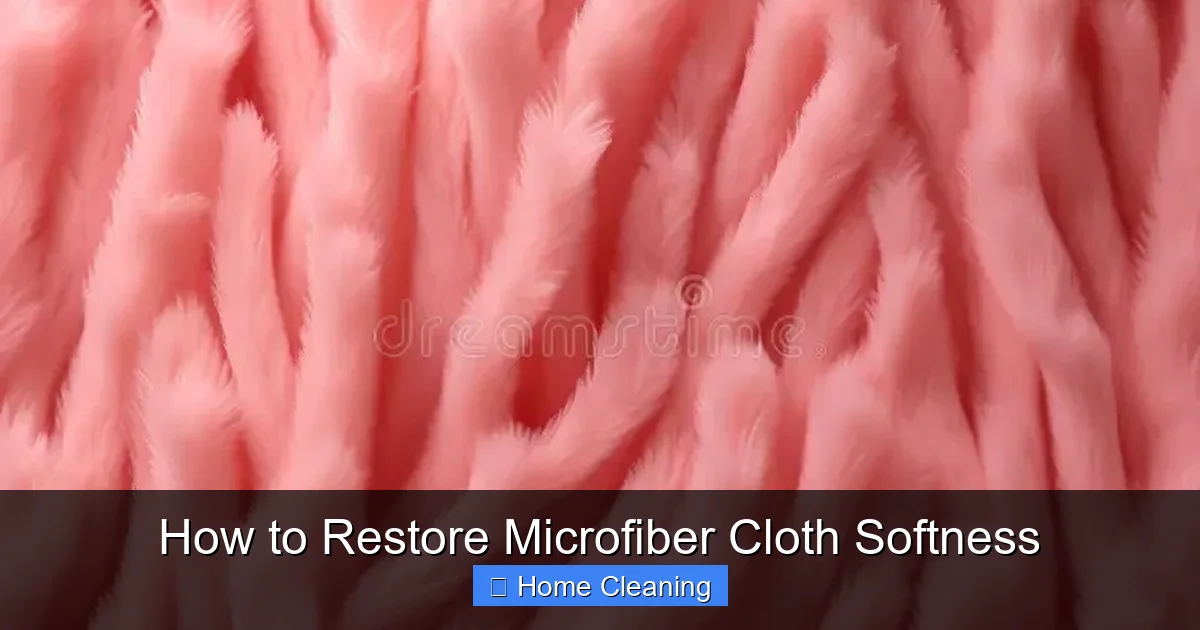
Before we jump into restoration methods, it’s helpful to understand what’s happening at the fiber level. Microfiber is made from ultra-fine synthetic fibers—typically polyester and polyamide—that are split into even finer strands during manufacturing. These tiny fibers create a dense, plush surface that traps dust, dirt, and moisture effectively.
Visual guide about How to Restore Microfiber Cloth Softness
Image source: thumbs.dreamstime.com
The Science of Microfiber Degradation
Over time, microfiber can lose its softness due to several factors:
- Detergent buildup: Harsh or scented detergents leave behind residue that clogs the tiny pores in the fibers, reducing absorbency and softness.
- Fabric compaction: Repeated washing and drying can flatten the fibers, making the cloth feel stiff and less plush.
- Heat damage: High dryer temperatures melt or fuse the synthetic fibers, permanently damaging their structure.
- Lack of rinsing: Incomplete rinsing leaves detergent behind, which continues to degrade the fabric over time.
Understanding these causes helps you prevent future softness loss and choose the best restoration approach. The key is gentle care and avoiding common pitfalls that accelerate wear.
Signs Your Microfiber Needs a Revival
How do you know when it’s time to restore your microfiber? Look for these red flags:
- The cloth feels rough or scratchy instead of soft and smooth.
- It doesn’t absorb water as well as it used to.
- It leaves streaks or lint when used for cleaning.
- The color has faded or looks dull.
- It feels stiff even after washing.
- For light stains, a small amount of mild dish soap or enzymatic cleaner can help.
- Avoid rubbing too hard—gentle blotting is best to prevent fiber damage.
- Never use bleach or chlorine-based cleaners, as they break down the synthetic fibers.
- Avoid fabric softeners: These leave a waxy residue that coats microfiber and reduces absorbency.
- Skip harsh detergents: Detergents with brighteners, perfumes, or enzymes can be too abrasive.
- Use a gentle, pH-neutral cleaner: Look for cleaners labeled safe for microfiber or sensitive fabrics.
- Try castile soap or Woolite: These are mild, effective, and safe for synthetic fibers.
- Set your washing machine to cold (below 30°C or 86°F).
- Use a gentle cycle to minimize agitation and friction.
- For hand washing, fill a basin with cold water and add a small amount of detergent.
- Add ½ cup of white vinegar to the final rinse cycle.
- Vinegar also neutralizes odors and softens the fabric naturally.
- For hand washing, add ¼ cup of vinegar to the rinse water.
- Air-dry: Lay cloths flat or hang them to dry in a well-ventilated area.
- Machine dry on low heat: If using a dryer, choose the lowest heat setting and remove immediately when dry.
- Avoid fabric dryer sheets—they mimic softeners and leave behind residue.
- Add ½ cup of baking soda to the wash cycle along with your detergent.
- It also helps brighten colors and improve absorbency.
- Mix 1 part white vinegar with 3 parts cold water.
- Soak the cloths for 1–2 hours, then rinse thoroughly.
- This helps loosen embedded dirt and residue.
- Examples include ECOS Microfiber Wash or Tide Free & Gentle.
- These detergents are free of dyes, fragrances, and softeners.
- Keep a dedicated set for different tasks (e.g., one for dishes, one for glass).
- This reduces wear and tear on individual cloths.
- If you must use a softener, look for “microfiber-safe” versions—but even then, use sparingly.
- Always use low heat or air-dry.
- Store cloths loosely, ideally in a breathable mesh bag or open container.
- Stick to soft cloths or non-abrasive pads.
- The cloth no longer absorbs water or leaves streaks.
- It’s frayed, torn, or has large sections of loose fibers.
- It’s lost its color and looks faded beyond recognition.
- It’s developed a persistent odor that won’t go away.
- Some companies offer mail-back recycling programs.
- Donate gently used cloths to schools, shelters, or cleaning services.
If you’ve noticed any of these signs, don’t toss the cloth just yet. With the right restoration steps, many microfiber cloths can be brought back to near-new condition.
Step-by-Step Guide to Restoring Microfiber Softness
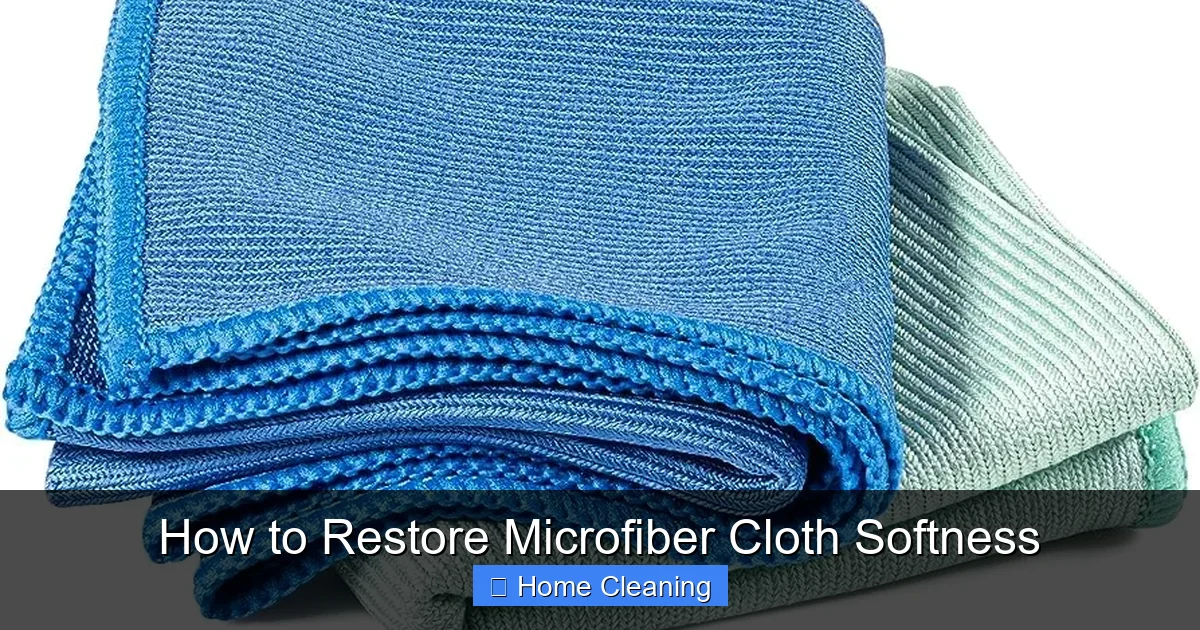
Restoring microfiber doesn’t require expensive products or special equipment. Most of the time, you only need a few common household items and a little know-how. Follow these steps to revive your cloths effectively.
Visual guide about How to Restore Microfiber Cloth Softness
Image source: cleanrestoreconnect.com
1. Sort and Pre-Treat Stains
Before washing, sort your microfiber cloths by color and level of soiling. Darker or heavily used cloths may need a pre-treatment.
2. Choose the Right Detergent
The type of detergent you use makes a huge difference in restoring and maintaining softness.
3. Wash in Cold Water
Hot water can damage microfiber by fusing the fibers together. Cold water is gentler and helps preserve the cloth’s texture.
4. Add White Vinegar to the Rinse Cycle
White vinegar is a miracle worker for restoring microfiber softness. It breaks down detergent residue and helps reactivate the fibers.
5. Air-Dry or Use Low Heat
Drying is one of the most critical steps. High heat can permanently damage microfiber.
6. Fluff and Shake Between Uses
Once dry, gently fluff the cloths by shaking them or running them through a low-spin cycle. This helps separate the fibers and restore plushness.
Advanced Tips for Maximum Softness
If your microfiber still feels stiff after the standard wash, try these advanced techniques to boost softness.
Visual guide about How to Restore Microfiber Cloth Softness
Image source: down-ph.img.susercontent.com
Use Baking Soda for Odor and Residue
Baking soda is excellent for neutralizing odors and breaking down stubborn detergent buildup.
Try a Deep Clean Soak
For heavily soiled or compacted cloths, a deep soak can work wonders.
Use a Microfiber-Safe Detergent
Invest in a detergent specifically designed for microfiber. These are formulated to clean without damaging the delicate fibers.
Rotate and Rotate Again
Don’t overuse a single cloth. Rotating between multiple microfiber cloths allows each one to recover and maintain softness.
Common Mistakes to Avoid
Even with the best intentions, it’s easy to make mistakes that reduce the lifespan of your microfiber. Here are the most common errors and how to avoid them.
Using Fabric Softeners
Fabric softeners are a no-go for microfiber. They coat the fibers in a waxy residue that clogs the pores and reduces absorbency.
Drying on High Heat
High heat melts the synthetic fibers, causing them to fuse together. This permanently damages the cloth’s structure.
Packing Cloths Tightly
Storing microfiber in a cramped drawer or tightly packed bag can flatten the fibers over time.
Using Abrasive Scrubbers
Metal scrubbers, steel wool, or rough sponges can shred microfiber fibers, reducing their effectiveness.
Ignoring the First Wash
New microfiber cloths may release loose fibers during the first wash. Always wash new cloths before use to remove lint and debris.
Maintaining Softness Between Washes
Once you’ve restored your microfiber, keeping it soft is easier than you think. Here’s how to maintain its plushness between cleanings.
Wipe Down Surfaces Immediately
Microfiber works best when used promptly. Don’t let dirt dry on the cloth, as it can become embedded and harder to clean later.
Store Properly
Keep microfiber in a dry, cool place. Moisture promotes mold and mildew, which can degrade the fabric.
Air Out Between Uses
After use, hang cloths or lay them flat to air out. This prevents odors and keeps fibers loose.
Spot Clean When Possible
For minor spills or smudges, spot clean instead of full washing. This reduces wear and tear.
When to Replace Microfiber Cloths
Despite your best efforts, microfiber cloths do have a lifespan. Knowing when to replace them saves you from ineffective cleaning and potential cross-contamination.
Signs It’s Time to Replace
Recycling and Disposal
Most microfiber cloths are not biodegradable, but they can often be recycled. Check with local recycling programs or textile recycling centers.
Conclusion: Keep Your Microfiber Feeling Like New
Restoring microfiber cloth softness is a simple yet powerful way to improve your cleaning routine and save money. With the right care—gentle detergents, cold water, white vinegar, and air-drying—you can bring even the stiffest cloths back to life. Avoid common mistakes like using softeners or high heat, and you’ll maintain that plush, absorbent feel for longer.
Remember, microfiber is an investment in your home’s cleanliness and your peace of mind. By treating it with care, you’re not just restoring softness—you’re preserving performance. So the next time your cloth feels rough, don’t toss it. Give it a proper wash with vinegar, air it out, and watch it transform.
With these tips, your microfiber will stay soft, effective, and ready for any cleaning task—from kitchen counters to car dashboards. Happy cleaning!
Frequently Asked Questions
Can I use fabric softener on microfiber?
No, fabric softeners leave a waxy residue that coats microfiber fibers and reduces their absorbency and softness. It’s best to avoid them entirely.
How often should I wash microfiber cloths?
Wash microfiber after each use, especially if used for food or glass cleaning. For general dusting, you can use multiple times before washing, but always rinse or air out between uses.
Does vinegar damage microfiber?
No, white vinegar is safe for microfiber and actually helps restore softness by removing detergent residue. Use it in the rinse cycle for best results.
Can I use bleach on microfiber?
Never use bleach or chlorine-based cleaners on microfiber. They break down the synthetic fibers and can cause permanent damage.
Why is my microfiber still stiff after washing?
Stiffness may be due to detergent buildup, lack of rinsing, or high heat drying. Try washing with cold water, adding vinegar to the rinse, and air-drying.
How long do microfiber cloths last?
With proper care, microfiber cloths can last 6 to 12 months or longer. Replace them when they lose absorbency, become rough, or show signs of wear.