Can Smart Bulbs Be Used Outside
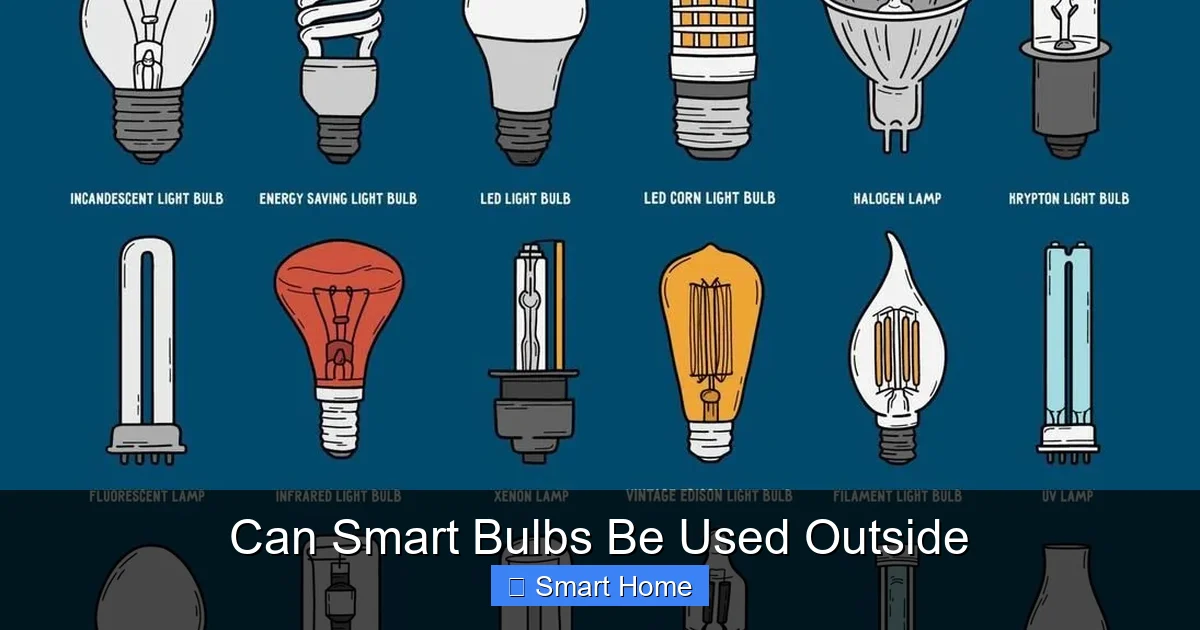
Yes, smart bulbs can be used outside—but only if they’re rated for outdoor use. Not all smart bulbs are built to handle rain, snow, or extreme temperatures. To protect your investment and ensure safety, choose bulbs with proper IP ratings and install them in weatherproof fixtures. With the right setup, outdoor smart lighting adds convenience, security, and ambiance to patios, walkways, and gardens.
Key Takeaways
- Outdoor smart bulbs must have an IP65 or higher rating to resist dust and water ingress. This ensures they can withstand rain and outdoor conditions.
- Heat and cold affect performance—extreme temperatures can shorten bulb life or cause malfunctions. Choose bulbs rated for your climate.
- Use weatherproof fixtures and enclosures to protect connections and sockets. Never install smart bulbs directly in exposed, unprotected outlets.
- Wi-Fi and connectivity may weaken outdoors due to signal interference. A reliable Wi-Fi extender or mesh network helps maintain control.
- Smart outdoor lighting adds security and ambiance—motion-activated lights deter intruders, while color-changing bulbs enhance outdoor spaces.
- Always follow manufacturer guidelines for installation and usage. Deviating from instructions voids warranties and risks damage.
- Consider solar-powered smart lights for eco-friendly, low-maintenance outdoor setups without relying on home Wi-Fi.
📑 Table of Contents
Can Smart Bulbs Be Used Outside?
Imagine walking up to your front door after sunset, your smartphone already adjusting the porch lights to a warm, welcoming glow. You’ve set a schedule so the garden path lights turn on at dusk, and motion sensors make sure nothing sneaks up on you. That’s the magic of smart home lighting—and it’s not just for inside your house.
But can smart bulbs be used outside? The short answer is yes—but with important caveats. Not every smart bulb is built to survive Mother Nature’s mood swings. If you’re dreaming of transforming your backyard into a smart-lit retreat or adding security lighting to your driveway, you need to know what to look for and how to install it safely. Let’s dive into everything you need to know about using smart bulbs outdoors.
Understanding Outdoor Smart Bulbs
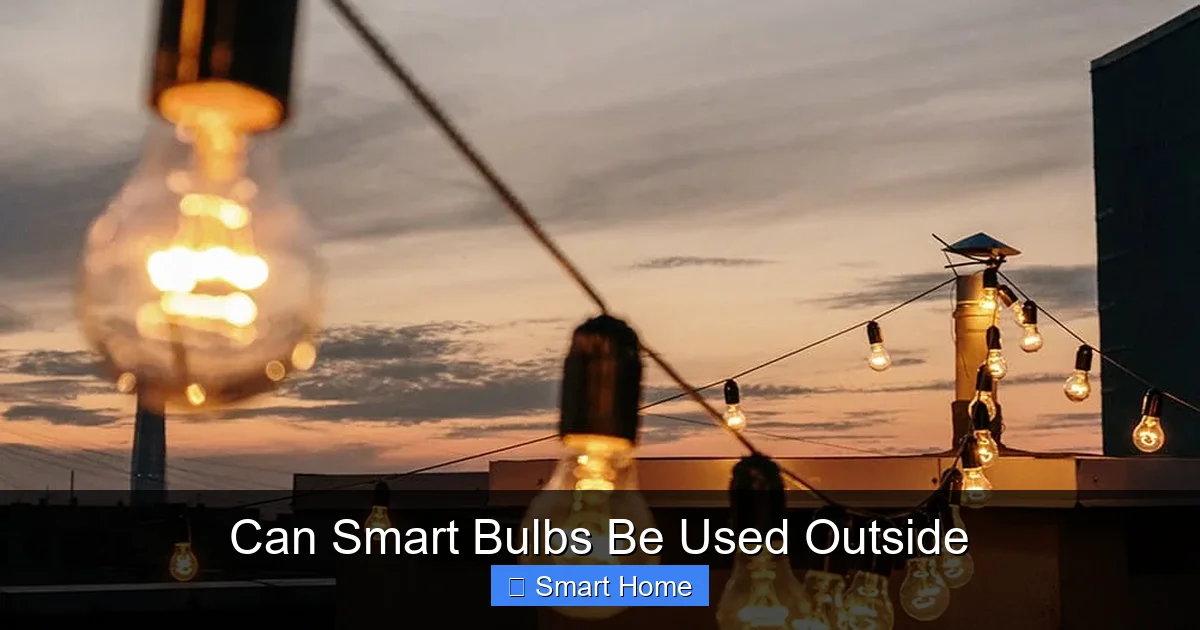
Not all smart bulbs are created equal—especially when it comes to outdoor use. While indoor smart bulbs are designed to stay cool and dry, outdoor environments bring a whole new set of challenges: rain, snow, humidity, UV exposure, and temperature swings. That’s why outdoor smart bulbs are engineered with special features to handle these conditions.
Visual guide about Can Smart Bulbs Be Used Outside
Image source: lamphq.com
What Makes a Smart Bulb “Outdoor-Ready”?
To be considered safe and functional outdoors, a smart bulb must meet certain standards. The most important of these is the IP (Ingress Protection) rating, which measures how well a device resists dust and water. For outdoor use, you’ll want at least an IP65 rating. Here’s what the numbers mean:
- IP6X: Dust-tight (completely sealed against dust)
- IPX5: Protected against water jets from any direction
- IP65: Dust-tight and protected against low-pressure water jets—ideal for outdoor use
Some premium models even have IP67 or IP68 ratings, meaning they can be submerged in water temporarily or even underwater. That’s overkill for most homes, but good to know if you live near a pool or in a rainy climate.
Temperature Resistance
Another key factor is temperature tolerance. Indoor bulbs are fine in a cozy living room, but they’re not meant for sub-zero winters or scorching summer afternoons. Outdoor smart bulbs should be rated to handle a wide temperature range—typically from -4°F to 104°F (-20°C to 40°C). If your bulb can’t handle the cold, it might not turn on in winter. If it can’t handle the heat, the electronics could fail or the bulb could burn out.
UV Protection
Sunlight contains ultraviolet (UV) rays that can degrade plastics and electronics over time. Outdoor smart bulbs often include UV-resistant coatings to prevent yellowing or cracking. This is especially important for bulbs mounted in direct sunlight, like under eaves or in garden planters.
Popular Outdoor Smart Bulb Models
If you’re ready to upgrade your outdoor lighting, here are some top-rated smart bulbs designed for outdoor use:
Visual guide about Can Smart Bulbs Be Used Outside
Image source: myintelligenthouse.com
- Philips Hue Outdoor A19 Smart Bulb (with Hue Outdoor Fixture) – Offers full color control and works with Alexa, Google Assistant, and Apple HomeKit. Requires the Hue Outdoor Fixture for safe installation.
- LIFX A19 Outdoor Smart Bulb – No hub needed, works with Wi-Fi, and has a 25,000-hour lifespan. Comes in a waterproof casing.
- Kasa Smart Outdoor LED Bulb (KL430) – Affordable, Wi-Fi enabled, and rated IP65. Includes scheduling, dimming, and remote control via the Kasa app.
- Nanoleaf Essential A19 Outdoor Smart Bulb – Compact design with warm-to-cool color temperature. Works with smart assistants and has a 15,000-hour lifespan.
Each of these bulbs includes features like weatherproof housing, long lifespans, and compatibility with major smart home platforms. Be sure to check the packaging or product description for IP rating and temperature range before buying.
How to Safely Install Smart Bulbs Outdoors
Even the best smart bulb won’t last long if installed incorrectly. Safety and durability start with proper installation. Here’s how to do it right:
Visual guide about Can Smart Bulbs Be Used Outside
Image source: a-z-animals.com
Use Weatherproof Fixtures
Never screw a smart bulb directly into an outdoor outlet or socket that isn’t designed for wet or damp conditions. Instead, use weatherproof light fixtures that are rated for outdoor use. These fixtures have sealed enclosures that protect the bulb and electrical connections from rain and dust.
Look for fixtures labeled “wet location” or “outdoor rated.” Examples include:
- Post lights
- Wall-mounted lanterns
- Pathway lights
- Under-eave floodlights
Install in a Protected Area
If possible, mount your smart bulbs in areas that offer some shelter, like under a covered porch, beneath a roof overhang, or in a recessed fixture. This reduces exposure to heavy rain and direct sunlight, extending the bulb’s life.
Seal Electrical Connections
Even with a weatherproof fixture, it’s a good idea to use outdoor-rated electrical tape or conduit sealants on any exposed wires. This adds an extra layer of protection against moisture.
Avoid Overheating
Smart bulbs generate heat, especially when running at full brightness. Make sure they’re installed in fixtures with adequate ventilation. Avoid covering bulbs with fabric, plastic, or foliage, which can trap heat and cause premature failure.
Use a Surge Protector
Outdoor environments are prone to power surges during storms. Plug your outdoor smart lighting system into a surge protector to protect your bulbs and connected devices.
Benefits of Outdoor Smart Lighting
Beyond the technical specs, there are real-world advantages to using smart bulbs outside. Let’s explore why so many homeowners are making the switch.
Enhanced Security
Motion-activated smart outdoor lights are a game-changer for home security. When someone approaches your property, the lights automatically turn on, illuminating the area and scaring off intruders. You can even set them to flash or change colors as an alert.
Imagine coming home late at night—your driveway lights turn on the second you get out of the car. Or your front porch glows red when your security camera detects movement. These features give you peace of mind and make your home feel safer.
Energy Efficiency
Smart bulbs use up to 80% less energy than traditional incandescent bulbs. With features like scheduling and dimming, you can avoid leaving lights on all night. For example, set your garden path lights to turn on at dusk and off at 11 PM, even if you’re not home.
Some models also include adaptive brightness, which dims lights when there’s no motion and brightens them when someone walks by. This saves energy and reduces wear on the bulb.
Customizable Ambiance
Who says outdoor lighting has to be boring? With color-changing smart bulbs, you can create the perfect mood for any occasion.
- Set a romantic red glow for a backyard dinner.
- Use cool white for a clean, modern look on your patio.
- Switch to blue or purple for a festive holiday display.
You can even sync your outdoor lights with music or TV shows for a party atmosphere. Some systems allow you to create custom scenes—like “Movie Night” or “BBQ Mode”—with one tap on your phone.
Remote Control and Scheduling
With a smart bulb, you’re not tied to a physical switch. Use your smartphone to turn lights on or off from anywhere in the world. This is great for checking if you left the porch light on or turning on the backyard lights before guests arrive.
Scheduling is another powerful feature. Set lights to turn on at sunset, off at 11 PM, or blink during a holiday. You can also sync them with sunrise and sunset times automatically.
Integration with Smart Home Systems
Outdoor smart bulbs can be part of a larger smart home ecosystem. For example:
- Say “Goodnight” to Alexa, and your outdoor lights turn off along with your bedroom lights.
- When your security system arms, the front porch lights turn on.
- On a rainy day, your smart lights dim automatically to save energy.
This level of automation makes life more convenient and reduces the chance of human error—like forgetting to turn off the lights.
Common Misconceptions About Outdoor Smart Bulbs
Even though smart bulbs can be used outside, there are plenty of myths floating around. Let’s clear them up.
Myth: All Smart Bulbs Are Outdoor-Ready
False. Most smart bulbs sold as “indoor only” are not rated for moisture or temperature extremes. Using them outside voids the warranty and can cause damage or safety hazards.
Myth: Wi-Fi Works the Same Outdoors as Indoors
Not exactly. Wi-Fi signals can weaken outdoors due to walls, trees, and weather. If your smart bulbs are far from your router, consider using a mesh network or Wi-Fi extender to maintain a strong connection.
Myth: You Don’t Need Special Fixtures
Incorrect. Even if the bulb is waterproof, the fixture matters. A regular outdoor socket without a cover can let water in and short-circuit the bulb. Always use approved, sealed fixtures.
Myth: Solar-Powered Lights Don’t Need Wi-Fi
True—but not all solar smart lights are created equal. Some have Bluetooth or Zigbee, which have shorter ranges than Wi-Fi. Make sure your solar smart lights can connect to your home network reliably.
Maintenance Tips for Outdoor Smart Bulbs
To keep your outdoor smart bulbs working smoothly for years, follow these simple maintenance tips:
- Clean fixtures regularly—Remove dirt, leaves, and cobwebs from light covers and housings.
- Check seals and gaskets—Over time, weatherproof seals can wear out. Replace them if you notice moisture inside the fixture.
- Update firmware—Manufacturers often release updates to improve performance and fix bugs. Check the app for updates.
- Monitor usage patterns—If a bulb suddenly dims or flickers, it could be a sign of overheating or electrical issues.
- Replace bulbs as needed—Even the best bulbs have a lifespan (typically 15,000–25,000 hours). Don’t wait for them to fail.
Final Thoughts: Is It Worth It?
So, can smart bulbs be used outside? Absolutely—but only if you choose the right ones and install them properly. With the growing popularity of smart homes, outdoor lighting has evolved from simple motion-sensor floodlights to fully customizable, energy-efficient systems that enhance security, ambiance, and convenience.
The key is to invest in weather-resistant, outdoor-rated smart bulbs and pair them with proper fixtures and protection. Once you do, you’ll enjoy the benefits of remote control, scheduling, color customization, and integration with your smart home ecosystem—all while keeping your outdoor spaces safe and beautiful.
If you’re ready to upgrade your outdoor lighting, start by assessing your needs: Are you looking for security? Ambiance? Energy savings? Then choose bulbs that match those goals and follow the installation tips above. Your smart home journey—both inside and out—will shine brighter for it.
Frequently Asked Questions
Can any smart bulb be used outside?
No, only smart bulbs specifically rated for outdoor use—like those with IP65 or higher—should be used outside. Indoor smart bulbs lack the necessary protection against moisture and temperature extremes.
What does IP65 mean for smart bulbs?
IP65 means the bulb is dust-tight and protected against low-pressure water jets. This makes it safe for outdoor use in rainy or dusty conditions, but not for submersion.
Do outdoor smart bulbs need a hub?
It depends on the brand. Some, like Philips Hue, require a hub, while others, like LIFX or Kasa, work directly over Wi-Fi. Check the product specs before purchasing.
Can smart bulbs get wet?
Yes, but only if they’re rated for it. A properly rated outdoor smart bulb can handle splashes or light rain, but prolonged exposure to standing water can damage it.
Are solar-powered smart lights a good option outdoors?
Yes, solar-powered smart lights are great for remote areas or eco-conscious users. Just make sure they connect reliably to your home network via Wi-Fi, Bluetooth, or Zigbee.
How do I protect smart bulbs from the elements?
Use weatherproof fixtures, install bulbs in sheltered areas, seal electrical connections, and avoid covering bulbs with fabric or plants. Regular maintenance also helps extend their life.