How to Clean Toilet Bowl Without Brush
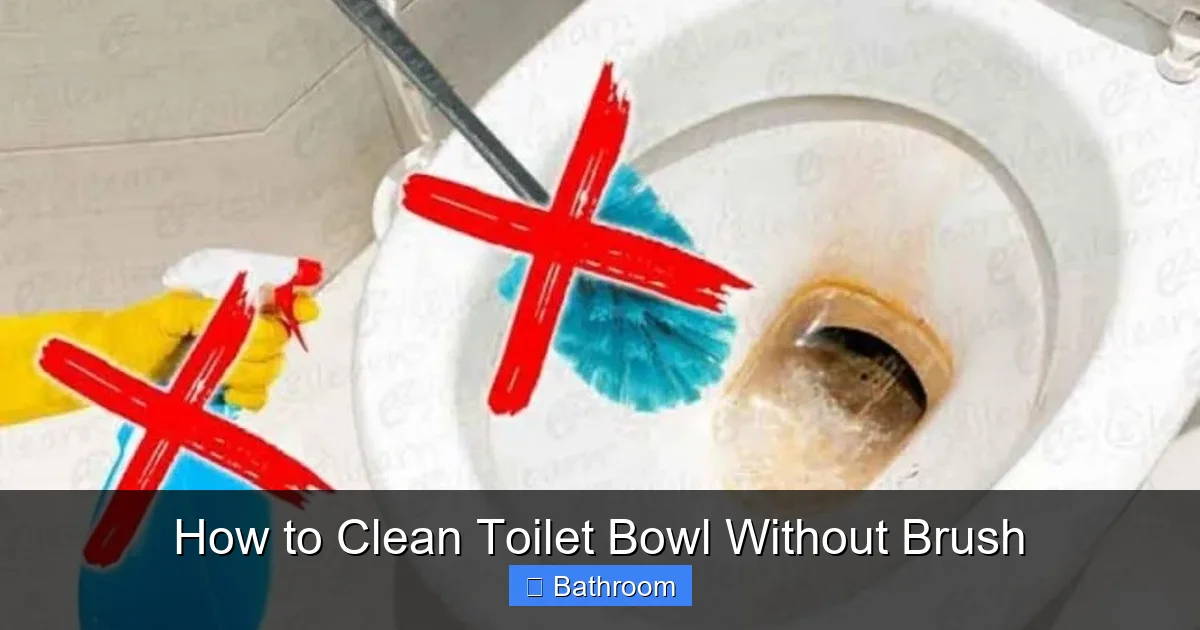
You don’t need a toilet brush to get a sparkling clean bathroom. This guide shows you how to clean your toilet bowl effectively using everyday household items like vinegar, baking soda, and even a plunger. These simple, chemical-free methods are safe for your family and the environment. Whether you’re avoiding plastic brushes or just want a more sustainable routine, you’ll find practical, step-by-step solutions that work fast.
Key Takeaways
- No brush? No problem. You can clean your toilet bowl effectively using common household ingredients like vinegar, baking soda, and hydrogen peroxide—no scrubbing tool required.
- Vinegar is a powerful cleaner. Its acidity breaks down mineral deposits and kills germs, making it ideal for descaling and disinfecting your toilet without harsh chemicals.
- Baking soda adds scrubbing power. When combined with vinegar, it creates a fizzing reaction that helps lift stains and deodorize your toilet bowl.
- Hydrogen peroxide is a natural disinfectant. It’s safe, non-toxic, and effective at killing bacteria and whitening surfaces—perfect for sensitive users.
- DIY tools can replace the brush. Use a spray bottle, sponge, or even a microfiber cloth with the right solution to clean without touching bristles.
- Prevention is key. Regular cleaning with natural solutions reduces buildup and makes future cleanings easier and faster.
- Eco-friendly choices benefit your home and planet. Avoid plastic brushes and chemical cleaners by switching to sustainable, reusable methods.
📑 Table of Contents
- How to Clean Toilet Bowl Without Brush: A Fresh, Chemical-Free Approach
- The Problem With Traditional Toilet Brushes
- Natural Ingredients That Clean Without a Brush
- Step-by-Step Guide: How to Clean Toilet Bowl Without Brush
- Advanced Tips for Stubborn Stains and Odors
- Eco-Friendly Alternatives to Brushes
- When You Might Still Need a Brush (And How to Use It Safely)
- Benefits of Cleaning Without a Brush
- Conclusion: A Cleaner, Healthier Bathroom Awaits
How to Clean Toilet Bowl Without Brush: A Fresh, Chemical-Free Approach
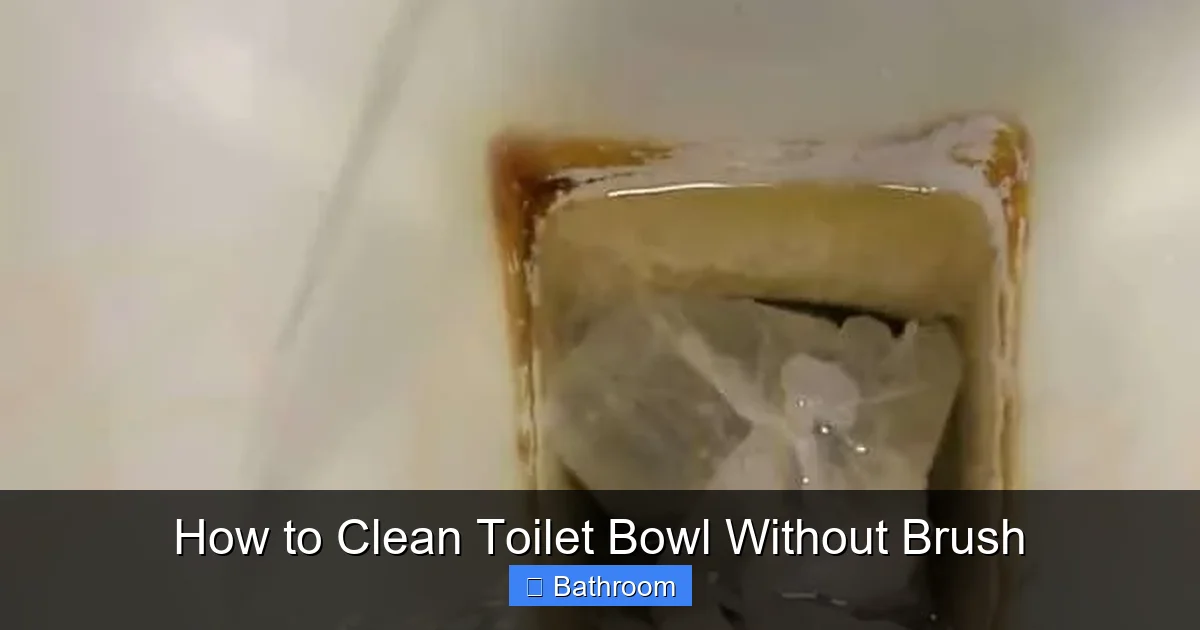
Have you ever walked into your bathroom and noticed that faint, stubborn ring around the inside of your toilet bowl? Or maybe you’ve seen a film of grime that won’t budge no matter how hard you scrub? You’re not alone. Over time, mineral deposits, urine residue, and bacteria build up—especially in the areas that a toilet brush just can’t reach. But here’s the good news: you don’t need a brush to get a sparkling clean toilet.
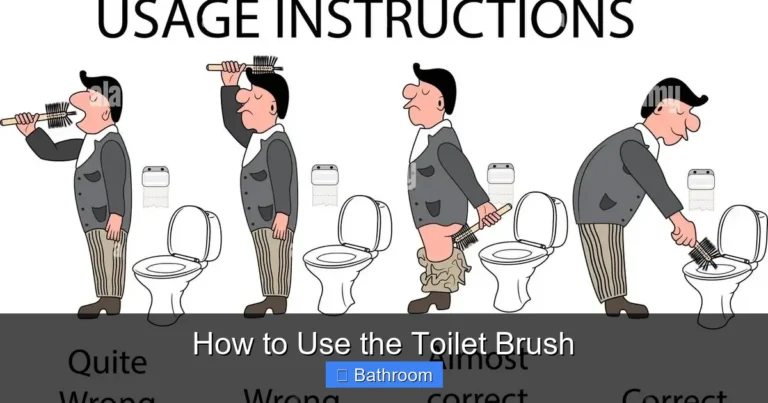
Many people assume that a toilet brush is essential for cleaning, but it’s actually one of the germiest tools in the bathroom. Bristles trap bacteria, mold, and even fecal matter, which can spread when you use the brush or flush. Instead of relying on a plastic tool that harbors germs, you can use simple, natural ingredients and a few clever techniques to clean your toilet bowl thoroughly—without ever touching a brush. In this guide, we’ll walk you through how to clean toilet bowl without brush using eco-friendly, safe, and surprisingly effective methods. Whether you’re looking to reduce plastic waste, avoid harsh chemicals, or just want a deeper clean, these solutions will leave your toilet looking brand new.
The Problem With Traditional Toilet Brushes
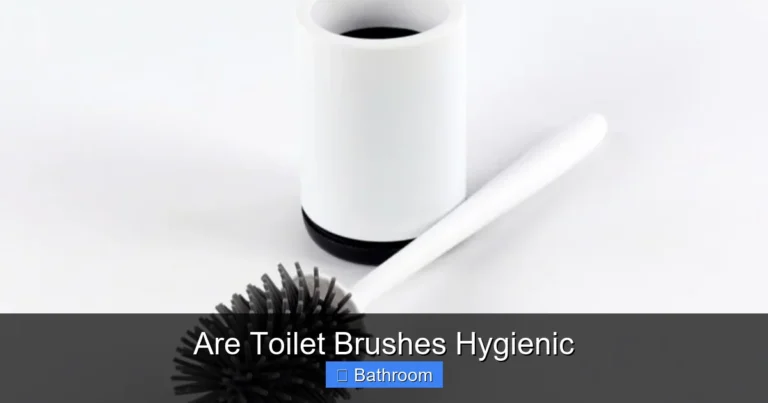
Let’s start with the truth: toilet brushes are not the cleanest tools in your bathroom. Every time you flush, tiny droplets of water—and potentially harmful bacteria—can splash back onto the bristles. Over time, these bristles become a breeding ground for germs. Studies have shown that toilet brushes can harbor coliform bacteria, E. coli, and even viruses. When you use the brush, you’re not just cleaning your toilet—you might be spreading contamination around your bathroom.
Visual guide about How to Clean Toilet Bowl Without Brush
Image source: diyjoy.com
But even worse, many toilet brushes are made from plastic bristles that don’t last long and can shed microplastics into your water. They also require regular cleaning with harsh disinfectants, which adds to your chemical use. If you’re trying to live a more sustainable, chemical-free lifestyle, relying on a brush might be the last thing you want in your bathroom.
That’s where brush-free cleaning methods come in. By using the right solutions and tools, you can clean your toilet effectively—without ever needing a brush. The key is understanding how to use natural acids, abrasives, and disinfectants to break down grime and sanitize surfaces.
Natural Ingredients That Clean Without a Brush
You don’t need expensive cleaners or specialized tools to get your toilet sparkling. In fact, many of the best ingredients are already in your kitchen. These natural cleaners are not only effective but also safe for your family, pets, and the environment.
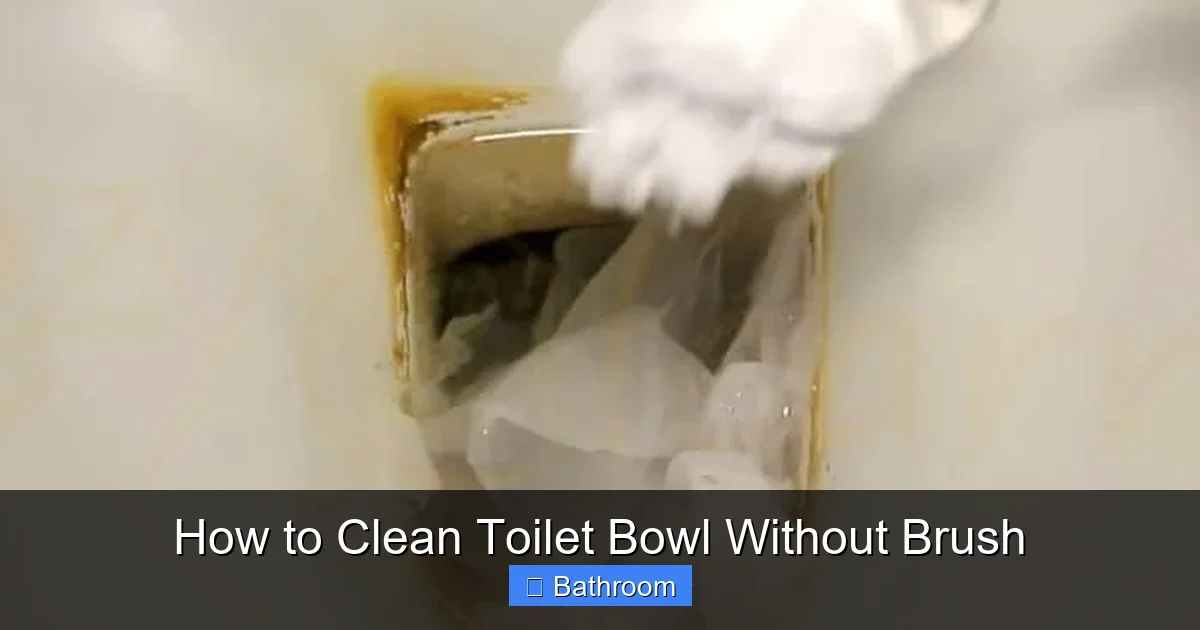
Visual guide about How to Clean Toilet Bowl Without Brush
Image source: diyjoy.com
White Vinegar
White vinegar is one of the most versatile cleaning agents you can use. It’s a mild acid that dissolves mineral deposits, soap scum, and hard water stains. When poured directly into the toilet bowl, vinegar helps break down the buildup that causes rings and discoloration.
How it works: Vinegar’s acetic acid reacts with alkaline residues in your toilet, neutralizing them and lifting away grime. It also has antimicrobial properties, helping to kill bacteria and reduce odors.
Baking Soda
Baking soda is a gentle abrasive that adds scrubbing power without scratching surfaces. It’s excellent for deodorizing and lifting stains. When combined with vinegar, it creates a fizzing reaction that helps dislodge dirt and grime.
How it works: The alkaline nature of baking soda neutralizes acids, while its granular texture helps scrub away buildup. It’s especially effective on yellowing stains and odors.
Hydrogen Peroxide
Hydrogen peroxide is a natural disinfectant that kills bacteria, viruses, and mold. It’s colorless, non-toxic, and breaks down into water and oxygen—making it safe for septic systems and the environment.
How it works: When applied to surfaces, hydrogen peroxide releases oxygen radicals that destroy organic matter and germs. It’s especially useful for whitening and sanitizing.
Lemon Juice
Lemon juice is another natural acid that helps cut through grease and mineral buildup. It also leaves a fresh, clean scent that masks odors.
How it works: Like vinegar, lemon juice breaks down alkaline residues. Its citric acid is effective at descaling and disinfecting.
Step-by-Step Guide: How to Clean Toilet Bowl Without Brush
Now that you know the ingredients, let’s get into the actual process. Here’s a simple, effective method to clean your toilet bowl without using a brush.
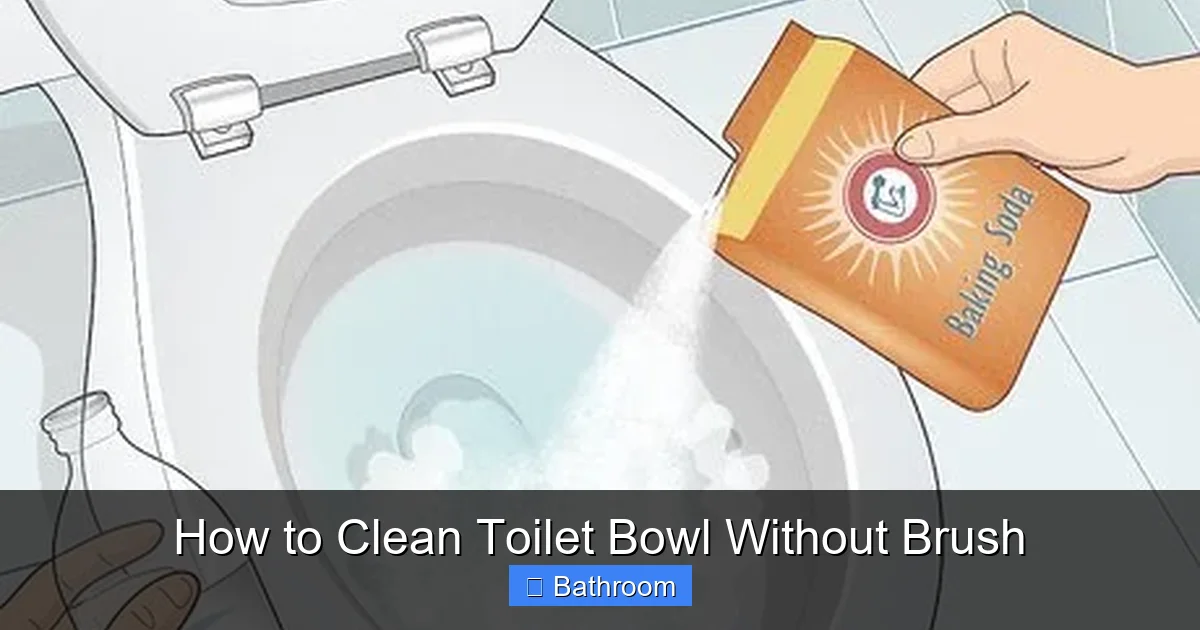
Visual guide about How to Clean Toilet Bowl Without Brush
Image source: wikihow.com
Gather Your Supplies
Before you start, make sure you have:
- White vinegar or lemon juice
- Baking soda
- Hydrogen peroxide (3%)
- A spray bottle
- A microfiber cloth or sponge
- Optional: Rubber gloves and an old toothbrush (for hard-to-reach areas)
Step 1: Apply Baking Soda
Pour about ½ cup of baking soda directly into the toilet bowl, focusing on areas with stains or discoloration. The baking soda will start to fizz and lift grime.
Step 2: Add Vinegar
Pour 1–2 cups of white vinegar into the bowl. You’ll see the fizzing reaction intensify. Let it sit for 10–15 minutes to allow the solution to break down buildup.
Step 3: Scrub with a Sponge or Cloth
Use a microfiber cloth or sponge to gently scrub the inside of the bowl, especially around the rim and under the water line. No brush needed—just a little elbow grease and the natural power of the ingredients.
Step 4: Rinse and Disinfect
Flush the toilet to rinse away the solution. For extra disinfection, spray the inside of the bowl with hydrogen peroxide and let it sit for 5 minutes before flushing.
Step 5: Wipe the Exterior
Use a damp microfiber cloth with a bit of vinegar or soapy water to wipe down the toilet seat, lid, and base. This keeps the whole unit looking clean.
Advanced Tips for Stubborn Stains and Odors
Some toilets are tougher than others. If you’ve got deep yellow stains or persistent odors, you might need a little extra help. Here are some advanced techniques to tackle those tough spots.
Soak with Vinegar and Baking Soda Overnight
For really stubborn buildup, pour a mixture of 1 cup vinegar and ½ cup baking soda into the bowl. Let it sit overnight. The prolonged exposure will soften even the most hardened stains. In the morning, use a sponge to wipe away the residue.
Use a Squeegee or Rubber Glove
If you’re squeamish about getting your hands dirty, try using a squeegee or even a rubber glove with a bit of vinegar on the inside. Grip the inside of the bowl and pull the solution toward you—this works surprisingly well without a brush.
Try a DIY Toilet Cleaning Paste
Mix baking soda and hydrogen peroxide into a thick paste. Apply it to stained areas and let it sit for 15 minutes. The paste will act like a gentle scrubber, lifting stains without abrasion.
Prevent Future Buildup
To keep your toilet clean longer, flush with vinegar once a week. This helps dissolve mineral deposits before they harden. You can also add a few drops of essential oil (like tea tree or lavender) to vinegar for a fresh scent and added antibacterial properties.
Eco-Friendly Alternatives to Brushes
If you’re ready to ditch the brush for good, here are some sustainable alternatives that work just as well—or better.
Microfiber Cloths
A high-quality microfiber cloth can absorb and trap dirt, grime, and bacteria. Use it with vinegar or soapy water to wipe the inside of the bowl. It’s reusable, washable, and effective.
Squeegees
A bathroom squeegee is a simple tool that glides over surfaces, removing water and residue. Use it with a vinegar solution to clean the inside of the bowl without scrubbing.
Reusable Cleaning Pads
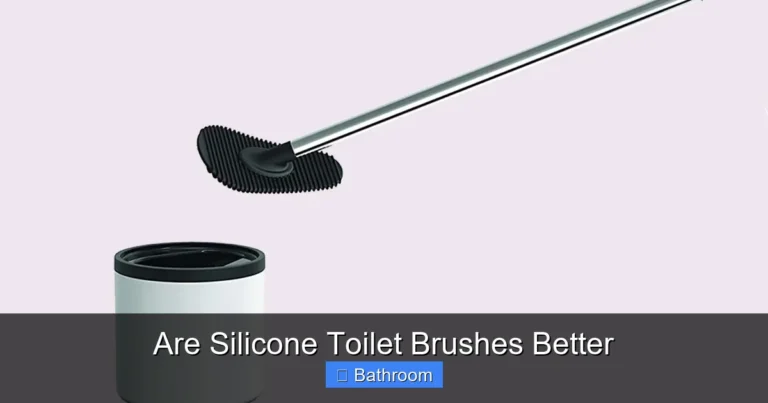
Look for washable, reusable cleaning pads made from natural fibers. These are gentler on surfaces and don’t shed microplastics like plastic brushes.
DIY Toilet Cleaning Sponge
You can even make your own cleaning sponge by stuffing a washcloth with baking soda or vinegar-soaked cotton balls. Just rinse and reuse it.
When You Might Still Need a Brush (And How to Use It Safely)
While we’re all about going brush-free, there are times when a brush might be helpful—especially for gunk that’s stuck under the rim or in hard-to-reach corners. But if you do use a brush, make sure you clean it properly afterward.
How to Clean Your Toilet Brush
After use, rinse the brush thoroughly and soak it in a mixture of 1 part vinegar and 2 parts water for 15 minutes. Then, rinse again and let it air dry upside down to prevent mold.
Use a Brush Only When Necessary
If you must use a brush, limit it to occasional touch-ups. Otherwise, stick to brush-free methods for regular cleaning.
Benefits of Cleaning Without a Brush
Switching to brush-free cleaning isn’t just about avoiding germs—it’s about making your bathroom cleaner, healthier, and more sustainable. Here’s why it’s worth trying.
- Reduces Germ Spread: No more spreading bacteria from brush to hands to surfaces.
- Eco-Friendly: Less plastic waste and fewer harsh chemicals in your home.
- Cost-Effective: Use ingredients you already have instead of buying cleaners.
- Gentle on Surfaces: Natural ingredients won’t damage porcelain or seals.
- Fresh Smell: Lemon and vinegar leave a clean, natural scent.
Conclusion: A Cleaner, Healthier Bathroom Awaits
Cleaning your toilet doesn’t have to involve a plastic brush or harsh chemicals. With the right natural ingredients and a few simple tools, you can achieve a spotless, sanitized toilet bowl—without ever needing to scrub with bristles. How to clean toilet bowl without brush is not only possible, it’s easier and safer than you might think.
By using vinegar, baking soda, and hydrogen peroxide, you can break down stains, kill germs, and leave your bathroom smelling fresh—all while reducing your environmental footprint. Try this method once, and you might never go back to traditional cleaning routines.
So the next time your toilet needs a deep clean, skip the brush. Grab a spray bottle, a microfiber cloth, and some vinegar. Your bathroom (and your conscience) will thank you.
Frequently Asked Questions
Can I really clean my toilet without using a brush?
Yes, absolutely. You can clean your toilet bowl effectively using natural ingredients like vinegar, baking soda, and hydrogen peroxide. These solutions break down grime and kill bacteria without the need for a brush. Just use a sponge or cloth to wipe the inside of the bowl.
How often should I clean my toilet bowl without a brush?
For best results, clean your toilet bowl once a week using a vinegar and baking soda mixture. Weekly maintenance prevents buildup and keeps odors at bay. For heavy use or mineral-heavy water, you may need to clean more frequently.
Is vinegar safe for septic systems?
Yes, white vinegar is safe for septic systems. It’s biodegradable and won’t harm the beneficial bacteria in your tank. In fact, it can help maintain a healthy balance by reducing mineral buildup.
Can I use lemon juice instead of vinegar?
Yes, lemon juice works well as a natural cleaner. It’s slightly less acidic than vinegar but still effective at cutting through grease and mineral deposits. It also leaves a fresh citrus scent.
Do I need special tools to clean without a brush?
No special tools are needed. A microfiber cloth, spray bottle, and sponge are all you need. These are reusable, washable, and effective for cleaning the toilet bowl without a brush.
Will hydrogen peroxide bleach my toilet?
No, hydrogen peroxide won’t bleach your toilet. It’s a gentle disinfectant that breaks down into water and oxygen. It’s safe for porcelain and helps whiten by removing organic stains without damaging surfaces.