Can I Take My Jeep And Soft Top Through A Touchless Car Wash
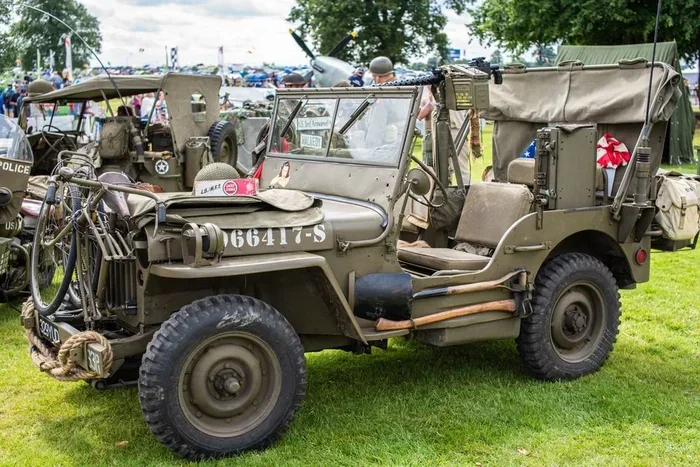
Yes, you can take your Jeep and soft top through a touchless car wash in most cases. Touchless washes use high-pressure water and gentle soap instead of brushes, making them safer for soft top fabric and seams. However, you should always check your Jeep manufacturer guidelines, secure all latches, and inspect your soft top afterward for any damage.
Every Jeep owner loves the feeling of cruising with the top down. But when your vehicle gets dirty, you need to clean it. The question is simple yet surprisingly tricky: can you take your Jeep and soft top through a touchless car wash?
The short answer is yes, in most situations. Touchless car washes use water jets and soap spray instead of rotating brushes or physical scrubbing pads. This makes them much gentler on your Jeep’s soft top compared to traditional automatic washes. But there are still things you need to know before pulling up to the nozzle.
Let’s dive into everything you need to consider. Whether you own a Jeep Wrangler, Jeep Gladiator, or another model with a folding soft top, this guide covers the risks, the rewards, and the best practices.
Key Takeaways
- Touchless car washes are generally safe: They avoid harsh brushes and physical contact that can scratch or tear soft top material.
- Always secure your soft top: Make sure all latches, buckles, and zippers are fully closed before entering the wash.
- Check manufacturer guidelines: Some Jeep models may have specific recommendations or warnings about automated car washes.
- Inspect your soft top afterward: Look for loose seams, fraying, or water pooling that could signal damage over time.
- Apply protective treatments: Using a UV protectant and water-repellent spray helps keep your soft top in great shape between washes.
- Avoid touchless washes with high-pressure settings: Excessive water pressure near seams or windows can cause leaks or material stress.
- Regular care extends soft top life: Cleaning and conditioning your soft top after every wash prevents long-term wear.
📑 Table of Contents
- What Is a Touchless Car Wash?
- Can You Safely Take a Jeep Soft Top Through a Touchless Wash?
- How to Prepare Your Jeep for a Touchless Car Wash
- What to Do After the Wash
- Touchless vs. Other Car Wash Types for Jeep Soft Tops
- Common Mistakes Jeep Owners Make at Touchless Car Washes
- Expert Tips for Long-Lasting Soft Top Care
- Final Thoughts
What Is a Touchless Car Wash?
A touchless car wash cleans your vehicle using high-pressure water jets, specially formulated soap, and sometimes a pre-soak cycle. There are no rotating brushes, no cloth strips, and no physical contact with your car’s surface. The entire process happens through automated spray systems.
Most touchless washes follow a simple sequence. First, a pre-rinse removes loose dirt. Then a soap application covers the exterior. Finally, a high-pressure rinse washes everything away. Some facilities also include a wax or protective coating step at the end.
Why Touchless Washes Are Popular
Touchless car washes have grown in popularity for several reasons. They are faster than hand washing. They are more convenient than finding a wash bay with equipment. And they reduce the risk of swirl marks and scratches that come from brush-based systems.
For Jeep owners, this is especially appealing. Soft tops are made from vinyl, canvas, or a blend of synthetic fabrics. These materials are more delicate than a hard metal or paint surface. Any harsh contact can cause tears, seam separation, or discoloration. A touchless wash eliminates that risk almost entirely.
Can You Safely Take a Jeep Soft Top Through a Touchless Wash?
The good news is that a touchless car wash is one of the safest automated options for your Jeep soft top. Because there is no physical abrasion, the fabric, stitching, and seams face far less stress than they would in a brush wash.
However, “safe” does not mean “risk-free.” There are still a few factors to keep in mind.
Water Pressure Concerns
Touchless washes use powerful water jets to blast away dirt. The pressure is usually between 1,000 and 2,000 PSI. That is strong enough to push water into small gaps around your soft top windows, latches, or seams.
If your soft top has any existing wear, loose stitching, or small tears, high-pressure water can worsen those issues. Water getting trapped inside the roof lining can lead to mold, mildew, or unpleasant odors over time.
Soap and Chemical Exposure
The soaps used in touchless washes are designed to be safe for automotive paint and glass. But soft top fabric is a different material. Some harsh chemicals can dry out vinyl or canvas, causing it to crack or fade over repeated washes.
Most modern touchless washes use pH-neutral soaps. These are generally safe for soft tops. But if you notice any discoloration or stiffness after a wash, the soap may be too aggressive for your specific material.
Heat and Drying
Some touchless washes include a heated drying cycle. Hot air blowing across soft top fabric can cause it to shrink slightly or lose its shape over many cycles. If the wash uses excessive heat, it can also weaken the adhesive used in seam bonding.
This is not a common problem with single visits. But if you use a touchless wash frequently, the cumulative heat exposure can add up.
How to Prepare Your Jeep for a Touchless Car Wash
Taking a few simple steps before you drive in can make a big difference. Preparation protects your soft top and ensures a thorough clean.
Step 1: Fully Lower and Secure the Soft Top
Make sure your soft top is completely lowered and fastened. All latches, buckles, and Velcro strips should be secured in their proper positions. This prevents the top from flapping or shifting during the wash.
If your Jeep has a rear window that folds down, make sure it is fully rolled up. Water pressure can push against a partially lowered rear window and cause it to shift or allow water to leak into the cabin.
Step 2: Close All Windows and Sunroof
Every window on your Jeep should be fully closed. This includes the front windshield, side windows, and any removable panels. Even a small gap can let soapy water seep into the interior.
If your Jeep has a power sunroof or a panoramic roof, keep it sealed. Water intrusion through an open sunroof can damage the headliner and interior electronics.
Step 3: Remove Loose Items from the Exterior
Take off any roof-mounted accessories before entering the wash. This includes roof racks, cargo carriers, or bike mounts. These items can block water spray and create uneven cleaning. They can also get damaged by the high-pressure jets.
Check your side mirrors as well. If they are removable or adjustable, make sure they are folded in to avoid hitting the wash equipment.
Step 4: Choose the Right Wash Cycle
Most touchless washes offer multiple settings. Look for a gentle or standard cycle. Avoid any “heavy duty” or “high-pressure” options, as these increase the risk of water intrusion through seams and window channels.
If the wash offers a wax or sealant option, consider adding it. A protective coat on the soft top fabric helps repel water and dirt between washes. Just make sure the product is safe for vinyl and canvas materials.
What to Do After the Wash
The job is not done once your Jeep exits the wash. Post-wash care helps maintain the soft top and catches any early signs of damage.
Inspect the Soft Top Thoroughly
Walk around your Jeep and examine the entire soft top. Look for any loose seams, pulled stitching, or areas where the fabric seems stretched or discolored. Check the window channels and the area around the rear glass for any trapped water.
If you notice any pooling water on the top surface, open the top fully and let it air dry. Standing water can stain the fabric and promote mold growth if left unchecked.
Dry the Soft Top Properly
If possible, let your Jeep air dry with the top fully down in a shaded area. Direct sunlight while the top is wet can cause water spots and accelerate fading. A gentle pat dry with a soft microfiber cloth on the fabric surface can also help.
Apply a Protective Treatment
After the wash, consider applying a soft top protectant. Products like 303 Aerospace Protectant or similar UV-resistant sprays help shield the fabric from sun damage and water spotting. Apply evenly across the entire surface and allow it to dry naturally.
This step is especially important if you wash your Jeep frequently. Repeated exposure to soap and water can strip the fabric’s natural oils, leading to dryness and cracking over time.
Touchless vs. Other Car Wash Types for Jeep Soft Tops
Not all car washes are created equal when it comes to your Jeep’s soft top. Here is how different wash types compare.
| Wash Type | Soft Top Safety | Risk Level | Best For |
|---|---|---|---|
| Touchless Wash | High – no physical contact | Low | Regular cleaning and maintenance |
| Brush Wash | Low – bristles can scratch fabric | High | Hard top vehicles only |
| Hand Wash | Very High – gentle and controlled | Very Low | Deep cleaning and detailing |
| Self-Service Bay | Medium – depends on pressure settings | Medium | Quick rinses between washes |
| Waterless Wash | High – no water contact | Very Low | Light dirt and dust removal |
As you can see, touchless washes sit comfortably in the safe range. They are far better than brush washes for soft top Jeeps. But for the best results, nothing beats a careful hand wash at home.
Common Mistakes Jeep Owners Make at Touchless Car Washes
Avoiding mistakes saves you time, money, and potential damage. Here are the most common errors Jeep owners make.
Forgetting to Check the Rear Window Seal
The rear window on a soft top Jeep is held in place by a rubber seal. Over time, this seal can wear out or collect debris. If the seal is weak, high-pressure wash water can leak into the cabin. Always check the rear window area before and after a wash.
Ignoring Existing Soft Top Damage
If your soft top already has a tear, a loose seam, or discolored fabric, a touchless wash can make it worse. Water pressure forces its way into damaged areas. Address any existing damage before taking your Jeep through an automated wash.
Using Touchless Washes Too Frequently
Even touchless washes can strip protective coatings from soft top fabric over time. If you wash your Jeep every week, consider alternating with a hand wash or a waterless cleaning method. This gives the fabric a chance to retain its natural flexibility and water resistance.
Skipping Post-Wash Inspection
Many Jeep owners drive away and forget about their soft top. A quick inspection after every wash takes only a few minutes. It can catch small problems before they become expensive repairs.
Expert Tips for Long-Lasting Soft Top Care
Taking care of your Jeep soft top goes beyond just car washes. Here are some expert-backed tips to keep your top looking great for years.
- Clean your soft top at least once a month. Regular cleaning prevents dirt and grime from building up and breaking down the fabric fibers.
- Use a soft-bristle brush for stubborn stains. Never use a hard brush or abrasive sponge on the soft top fabric. A gentle scrub with a microfiber cloth works best.
- Store your Jeep in a garage or covered area when possible. Prolonged UV exposure is the number one enemy of soft top material. A garage or car cover significantly extends the life of the top.
- Reapply water repellent every few months. Most soft tops come with a factory water repellent treatment. Over time, this wears off. Reapplying helps the top shed rain and dirt more effectively.
- Address mold or mildew immediately. If you notice any dark spots or a musty smell, clean the affected area with a soft top-specific cleaner. Let it dry completely before lowering the top again.
Final Thoughts
So, can you take your Jeep and soft top through a touchless car wash? Absolutely yes. Touchless washes are one of the safest and most convenient ways to keep your Jeep clean without risking damage to the soft top fabric, seams, or window seals.
The key is preparation. Secure your top fully, close all windows, and choose a gentle wash cycle. Afterward, inspect the soft top and apply a protective treatment if needed. With these simple steps, you can enjoy a clean Jeep without any worries.
Remember, a touchless car wash is not a replacement for regular hand washing and conditioning. Think of it as a quick maintenance tool between deeper cleanings. Balance is the secret to a long-lasting, great-looking soft top.
Your Jeep is built for adventure. Keeping it clean should not be a source of stress. With the right approach, a touchless car wash fits perfectly into your Jeep care routine.