Ceramic Coating Pros and Cons Everything You Should Know
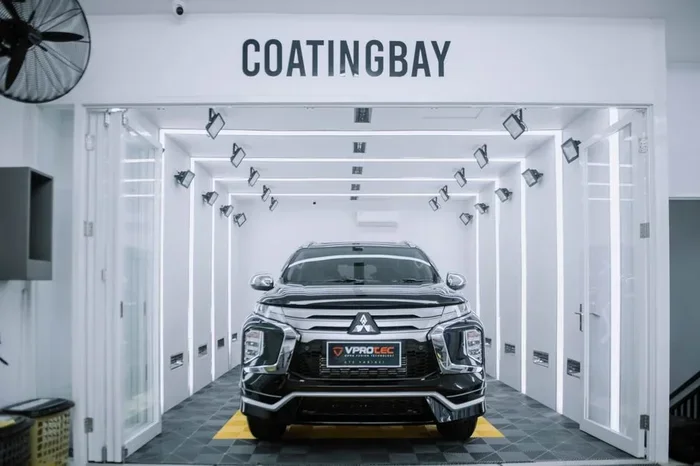
Ceramic coating offers excellent paint protection and a stunning gloss enhancement, but it comes with a high price tag and requires professional application. This guide covers all the ceramic coating pros and cons so you can make an informed decision. Read on to find out if ceramic coating is right for your vehicle.
When you want to keep your car looking its best, ceramic coating has become one of the most popular options out there. If you have spent time researching paint protection methods, you have probably come across ceramic coating as a top contender. But what exactly does it offer, and is it really worth the hype?
In this article, we will walk through all the ceramic coating pros and cons so you can decide with confidence. We will cover everything from durability and hydrophobic properties to cost and maintenance. By the end, you will have a clear picture of whether ceramic coating fits your needs and budget.
Let us dive into what ceramic coating really is and why so many car owners are talking about it.
Key Takeaways
- Long-lasting protection: Ceramic coating can protect your vehicle for up to five years with proper maintenance.
- Hydrophobic benefits: The coating repels water and dirt, making cleaning easier and faster.
- High upfront cost: Professional ceramic coating can range from $500 to $2,500 depending on the package.
- Not a scratch fix: Ceramic coating does not repair existing paint damage or deep scratches.
- Professional application recommended: DIY kits exist, but professional results are far superior.
- UV protection matters: Ceramic coatings shield your paint from harmful sun rays and oxidation.
📑 Table of Contents
What Is Ceramic Coating?
A ceramic coating is a liquid polymer that bonds chemically with your vehicle’s factory clear coat. Once applied, it creates a permanent or semi-permanent layer of long-term protection over the paint. Unlike traditional car wax or paint sealant, a ceramic coating does not wash away easily. It forms a hard, glass-like shield on the surface.
The curing process is what makes ceramic coating so effective. After application, the coating chemically bonds with the paint at a molecular level. This bond creates a ceramic layer that is incredibly hard and resilient. Most professional coatings need 24 to 48 hours to fully cure before the vehicle can be exposed to water.
Many people choose professional detailing services for application because the process requires a clean, controlled environment. Proper surface preparation is essential for the coating to adhere correctly. This usually involves washing, decontaminating, and sometimes even paint correction to remove swirl marks and minor imperfections before the coating goes on.
The Pros of Ceramic Coating
Long-Lasting Protection
One of the biggest advantages of ceramic coating is its durability. A high-quality coating can last anywhere from two to five years. This is a massive upgrade compared to traditional wax, which typically lasts only a few weeks. With ceramic coating, you are investing in long-term protection for your vehicle’s paint.
The coating resists environmental contaminants like bird droppings, tree sap, and road tar. These substances can damage your paint over time, but a ceramic layer acts as a barrier. This means fewer trips to the detailer and less worry about daily wear and tear. For busy car owners, this alone is a huge selling point.
Gloss and Shine Enhancement
If you love that deep, mirror-like shine on your car, ceramic coating delivers. The gloss enhancement from a quality ceramic coat is hard to match with any other product. Your paint will look richer and more vibrant, even months after application.
This happens because the coating fills in microscopic imperfections on the paint surface. The result is a smoother, more reflective surface that catches light beautifully. Many car owners report that their vehicle looks better after ceramic coating than it did when it was brand new. Whether you drive a sedan or a truck, the difference in shine is immediately noticeable.
Hydrophobic and Self-Cleaning Properties
The hydrophobic nature of ceramic coating is a game-changer for daily driving. Water beads up and rolls right off the surface, taking dirt and grime with it. This self-cleaning effect means your car stays cleaner for longer between washes.
Rainy days become less stressful when your vehicle has a hydrophobic coating on the paint. Instead of water spots and dried raindrops, the water simply slides off. This also makes routine maintenance much easier and faster, saving you time and effort. You will spend less time at the car wash and more time enjoying your ride.
UV Protection and Corrosion Resistance
Sun damage is one of the biggest threats to your vehicle’s paint. UV rays can cause fading and oxidation over time, especially on dark-colored cars. Ceramic coating provides excellent UV protection that shields your paint from the sun’s harmful effects.
Beyond UV rays, ceramic coatings also offer strong corrosion resistance. They protect against acid rain, salt, and other chemicals that can eat away at your paint. For anyone who lives in a coastal area or deals with harsh winters, this benefit alone can be worth the investment. Your paint stays healthier and looks newer for a much longer period.
The Cons of Ceramic Coating
High Upfront Cost
The most significant drawback of ceramic coating is the cost. Professional application typically ranges from $500 to $2,500 or more. The price depends on the vehicle size, the quality of the coating, and the level of preparation required. This makes ceramic coating cost a real consideration for many car owners.
While the upfront expense is high, many people view it as a long-term investment. When you factor in the cost of waxing, polishing, and paint correction over several years, ceramic coating can actually save money in the long run. Still, the initial price tag can be a barrier for some budgets. It is important to weigh the cost against your expected usage and how long you plan to keep the vehicle.
Professional Installation Required
You can find DIY ceramic coating kits online, but they rarely match the results of professional application. A professional detailer has the experience, tools, and environment needed for proper surface preparation and application. Mistakes during the curing process can lead to uneven coverage or poor bonding.
DIY kits also tend to use lower-grade coatings that do not last as long. If you want the best results and the full ceramic coating lifespan potential, professional installation is the way to go. This adds to both the cost and the time commitment. You may need to wait a day or two while the coating cures before you can drive the vehicle normally.
Not a Fix for Existing Damage
One common misconception about ceramic coating is that it will hide or repair existing paint damage. This is simply not true. Ceramic coating does not fill in deep scratches or correct swirl marks. In fact, applying a coating over damaged paint can make those imperfections more visible.
Before getting a ceramic coating, you should address any existing paint issues through paint correction. This might involve compounding, polishing, or even repainting certain areas. Skipping this step can lead to disappointing results and wasted money. Think of ceramic coating as a protector, not a repair solution.
Difficulty in Removal
Once a ceramic coating has bonded to your paint, it is not easy to remove. This is great for protection, but it can be a problem if you want to change the look of your paint or apply a different type of protection. Removing a ceramic coating requires professional paint correction or polishing, which adds extra cost and effort.
This permanence is actually a double-edged sword. On one hand, you get reliable long-term protection. On the other hand, you are committed to the coating until it naturally wears off. Make sure you are ready for this level of commitment before proceeding. If you plan to sell your car soon, consider how the coating might affect resale expectations.
Ceramic Coating vs. Wax and Paint Sealant
To truly understand the value of ceramic coating, it helps to compare it with traditional options. Here is a quick look at how ceramic coating stacks up against car wax and paint sealant.
| Feature | Ceramic Coating | Car Wax | Paint Sealant |
|---|---|---|---|
| Durability | 2 to 5 years | 1 to 3 months | 3 to 6 months |
| Hydrophobic Effect | Excellent | Moderate | Good |
| Gloss Enhancement | High | Medium | Medium-High |
| UV Protection | Excellent | Low to Medium | Medium |
| Upfront Cost | $500 to $2,500 | $20 to $100 | $30 to $150 |
| Ease of Application | Professional only | Easy DIY | Easy DIY |
| Scratch Resistance | Moderate | Low | Low to Medium |
As you can see, ceramic coating offers the best overall performance in nearly every category. However, the cost and application requirements are much higher. For many car owners, the trade-off is worth it. For others, a quality paint sealant or premium car wax may be the better choice. Consider your budget, how much time you have for maintenance, and what level of protection you really need.
Who Should Get Ceramic Coating?
Ceramic coating is not for everyone, but it is a great fit for certain types of vehicle owners. Here are some situations where ceramic coating makes the most sense.
- Daily drivers who face harsh road conditions, sun exposure, and environmental contaminants every day.
- Car enthusiasts who want maximum gloss enhancement and paint depth.
- New car owners who want to preserve the factory paint and maintain resale value.
- People with limited time for regular detailing and maintenance routines.
- Owners in harsh climates where salt, acid rain, and UV exposure are constant threats.
If any of these situations sound familiar, ceramic coating could be a smart investment for you. On the other hand, if you prefer a budget-friendly option and enjoy the ritual of regular waxing, traditional protection methods may still be the way to go. There is no one-size-fits-all answer, and that is perfectly okay.
Common Mistakes to Avoid
Even with the best intentions, many people make mistakes when getting ceramic coating applied. Here are some pitfalls to watch out for.
- Skipping surface preparation: The coating will not bond properly if the paint is not thoroughly cleaned and corrected beforehand.
- Choosing the cheapest option: Low-cost coatings often use inferior materials that do not last or perform well.
- Applying in the wrong environment: Humidity, dust, and temperature can all affect the curing process. Always trust a professional with a controlled setup.
- Neglecting aftercare: Ceramic coating requires specific maintenance products. Using harsh soaps or automatic car washes can degrade the coating faster.
- Expecting scratch-proof paint: Ceramic coating offers some scratch resistance, but it is not a substitute for clear bra or paint protection film for high-impact areas.
Avoiding these mistakes will help you get the most out of your ceramic coating and ensure you enjoy all the benefits for as long as possible. Take the time to research your detailer, ask questions, and understand what the process involves before committing.
Final Thoughts
So, what is the verdict on ceramic coating? The ceramic coating pros and cons clearly show that this is a premium paint protection solution with real benefits. The durability, hydrophobic properties, and gloss enhancement are hard to beat. At the same time, the high upfront cost and need for professional application are significant factors to consider.
If you have the budget and want the best possible protection for your vehicle, ceramic coating is an excellent choice. Just make sure you go with a reputable detailer, understand the commitment, and prepare your paint properly beforehand. With the right approach, a ceramic coating can keep your car looking stunning for years to come.
Take your time, do your research, and choose the option that best fits your vehicle, your lifestyle, and your goals. The right ceramic coating decision will pay off every time you look at your car and see that beautiful, protected shine.
Frequently Asked Questions
How long does ceramic coating last on a vehicle?
A quality ceramic coating typically lasts between two and five years, depending on the product used and how well you maintain it. Regular washing with pH-neutral soap and avoiding harsh automatic car washes will help extend the ceramic coating lifespan. Some premium coatings claim up to seven years, but real-world results vary based on driving conditions and climate.
Can I apply ceramic coating myself at home?
Yes, DIY ceramic coating kits are available, but they generally produce inferior results compared to professional application. The surface preparation and curing process require a controlled environment that most home garages cannot provide. If you want the best durability and hydrophobic performance, investing in professional ceramic coating application is highly recommended.
Does ceramic coating prevent scratches on my car?
Ceramic coating offers moderate scratch resistance by adding a hard protective layer over the paint. However, it does not make your paint scratch-proof. Deep scratches from keying or hard impacts will still damage the paint underneath. For high-impact protection, consider combining ceramic coating with paint protection film on vulnerable areas like the front bumper and hood.
How much does ceramic coating cost on average?
The ceramic coating cost varies widely based on the vehicle size and the quality of the coating used. Basic packages start around $500, while premium coatings for larger vehicles can reach $2,500 or more. The price includes surface preparation and professional application. Always get a detailed breakdown of what is included before committing to a service.
Can ceramic coating be removed once applied?
Yes, but removing ceramic coating is not simple. Since it bonds chemically with the clear coat, it requires professional paint correction or polishing to remove. This process strips a thin layer of paint along with the coating. If you plan to change your paint protection method in the future, keep in mind that removal will involve some additional cost and effort.
Is ceramic coating worth it for a daily driver?
For most daily drivers, ceramic coating is absolutely worth it. The long-term protection against UV rays, road contaminants, and environmental damage keeps your paint looking great day after day. The self-cleaning and hydrophobic properties also make weekly maintenance much easier. If you plan to keep your vehicle for several years, the investment in ceramic coating pays off quickly.
=== CONCLUSION ===
Understanding the ceramic coating pros and cons is the first step toward making the best decision for your vehicle. With its durability, UV protection, gloss enhancement, and hydrophobic properties, ceramic coating offers top-tier paint protection that few other products can match. The high upfront cost and need for professional installation are real considerations, but the long-term benefits often outweigh the initial investment.
Take the time to research your options, choose a reputable detailer, and prepare your vehicle properly. When done right, ceramic coating transforms how your car looks and feels every time you get behind the wheel. Start your journey today and give your vehicle the protection it deserves.