Common Washing a Car Problems and How to Solve Them
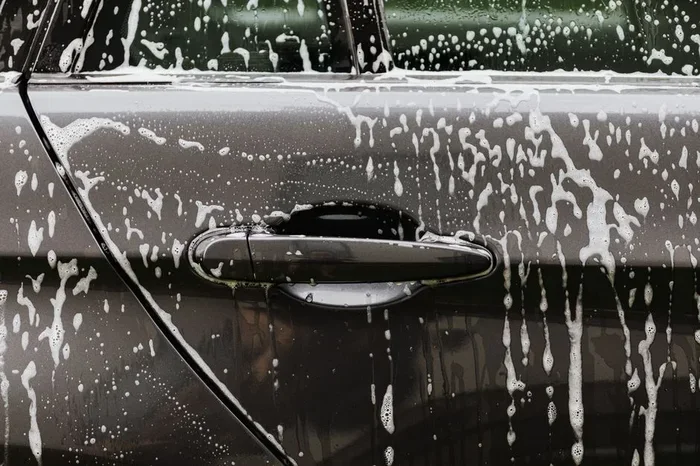
Washing a car seems simple, but many people run into frustrating problems like water spots, soap residue, and paint damage. These common washing a car issues can ruin your vehicle’s finish if you don’t know how to avoid them. This guide breaks down the top washing a car problems and gives you clear, actionable solutions to keep your car looking great.
Washing a car sounds like one of the easiest chores out there. You grab a bucket, some soap, a sponge, and start scrubbing, right? Well, not exactly. Many car owners run into washing a car problems that they never expected. These issues can leave your paint looking dull, your windows streaky, and your finish worse than before you started.
The good news is that most of these problems are completely preventable. You just need to know what goes wrong and how to fix it. In this guide, we will walk through the most common washing a car problems step by step. You will learn why they happen and exactly how to solve them. Whether you wash your car at home or use an automatic car wash, this guide has something for you.
Let us face it. Nobody wants to spend hours washing a car only to end up with water spots and swirl marks. By the end of this article, you will have the knowledge to avoid those mistakes and keep your car looking its best. Let us dive in.
Key Takeaways
- Water spots and hard water stains are the most common washing a car problem and can permanently damage your paint.
- Soap residue leaves a dull film that attracts dirt and makes your car look dirty again fast.
- Swirl marks and scratches happen when you use the wrong tools or rough materials during washing.
- Using the wrong products like household cleaners can strip wax and harm your car’s clear coat.
- Drying mistakes cause more problems than people realize, including streaks and mineral deposits.
- Prevention is easier than fixing damage, so following the right washing routine saves time and money.
📑 Table of Contents
Water Spots and Hard Water Stains: The #1 Washing a Car Problem
Why Water Spots Happen
Water spots are the most frustrating of all washing a car problems. They happen when water evaporates on your car’s surface and leaves behind mineral deposits. These deposits stick to the paint and can etch into the clear coat over time. If you live in an area with hard water, you are at even higher risk.
The minerals in hard water, like calcium and magnesium, bond to your car’s surface. When the water dries, those minerals stay behind. Over time, they build up and become harder to remove. In some cases, they can cause permanent damage to your paint job.
How to Fix Water Spots
Dealing with water spots early is key. Here are some proven ways to solve this washing a car problem:
- Dry your car immediately after rinsing. Use a clean microfiber drying towel to remove water before it has a chance to evaporate.
- Use a water filter on your hose to reduce the amount of minerals in the water you use.
- Apply a quick detailer spray after washing. This creates a protective layer that helps water slide off.
- For existing spots, use a dedicated water spot remover. These products are designed to dissolve mineral deposits without harming your paint.
- Wax your car regularly. A good layer of wax adds a barrier that makes water spots less likely to form.
The best approach is to prevent water spots from forming in the first place. Always dry your car in a shaded area. Sunlight causes water to evaporate too quickly, which increases the chance of spots forming.
Soap Residue and Film Buildup
What Causes Soap Residue
Another one of the most common washing a car problems is soap residue. You know that filmy, sticky feeling you sometimes get after washing? That is soap residue. It happens when you do not rinse your car thoroughly enough or when you use too much soap.
Soap residue does more than just look bad. It attracts dirt and dust, which means your car gets dirty again much faster. Over time, the film can also dull your paint and make it look lifeless. This is especially true if you use dish soap or household cleaners, which are not designed for car surfaces.
How to Eliminate Soap Residue
Fixing soap residue is easier than you think. Try these tips:
- Use a car-specific shampoo instead of dish soap. Car shampoos are formulated to rinse away cleanly without leaving a film.
- Rinse thoroughly before you start soaping. This removes loose dirt and gives the soap somewhere to go.
- Use the two-bucket method. One bucket has soapy water, and the other has clean rinse water. This prevents you from putting dirty soap back on your car.
- Rinse from top to bottom. Gravity helps pull the soap and dirt downward, so you get a more complete rinse.
- Do a final rinse with filtered water to reduce the chance of new water spots forming.
A quick wipe-down with a clean microfiber towel after rinsing can also help catch any remaining residue. This small step makes a big difference in your final results.
Swirl Marks and Paint Damage
How Swirl Marks Form During Washing
Swirl marks are tiny scratches that appear in your paint. They look like circular haze patterns, especially when light hits the surface. These marks are one of the most damaging washing a car problems because they actually harm your car’s clear coat.
Swirl marks happen when you use dirty wash mitts, rough towels, or scrub too hard. Even something as simple as wiping a dusty rag across your paint can cause them. Over time, these marks accumulate and make your car look dull and aged.
Preventing Swirl Marks and Paint Damage
Protecting your paint during washing is essential. Follow these guidelines:
- Use a high-quality microfiber wash mitt instead of a regular sponge. Microfiber is much gentler on paint.
- Never use a dirty towel to dry or wipe your car. Always use a clean, soft microfiber cloth.
- Apply gentle pressure. Let the soap and water do the work. You do not need to scrub hard.
- Wash in straight lines rather than circular motions. This helps reduce the appearance of swirl marks.
- Use a clay bar occasionally to remove embedded contaminants from the paint surface.
If swirl marks have already appeared, a light polish can often remove them. However, prevention is always better than correction. A good washing routine protects your investment and keeps your car looking newer longer.
Using the Wrong Tools and Products
Household Cleaners Are Not Car Cleaners
One of the biggest mistakes people make is using household cleaning products on their cars. Things like dish soap, window cleaner, and all-purpose spray might seem convenient, but they can cause serious washing a car problems. These products are too harsh for automotive paint and can strip away wax and sealants.
Dish soap, for example, is designed to cut through grease on your kitchen dishes. It does the same thing to your car’s protective wax layer. Over time, this leaves your paint exposed and vulnerable to damage from UV rays, bird droppings, and environmental contaminants.
Choosing the Right Products for Your Car
Investing in the right products makes a huge difference. Here is what you should use:
- pH-neutral car shampoo for washing the body. These are gentle and safe for wax and sealants.
- Dedicated wheel cleaner that is formulated for brake dust and grime buildup on rims.
- Glass cleaner that is ammonia-free to avoid damage to tinted windows.
- Microfiber towels in multiple colors for different tasks (wheels, paint, windows, interior).
- A quality car wax or sealant to protect your paint after every wash.
Using the right tools also matters. A good wash mitt, a soft drying towel, and a gentle brush for your wheels can all help you avoid common washing a car problems. It is worth spending a little extra on quality supplies.
Drying Mistakes That Cause More Problems Than You Think
Why Drying Matters
Most people focus on the washing part and forget about drying. But drying is just as important. If you do it wrong, you can introduce a whole new set of washing a car problems. Air drying, for instance, is one of the worst things you can do. As the water evaporates, it leaves behind minerals and streaks that are hard to remove.
Even using the wrong towel can cause issues. Old bath towels or rough rags can scratch your paint and leave lint behind. The way you dry your car matters just as much as how you wash it.
Best Practices for Drying Your Car
Follow these drying tips to avoid problems:
- Use a plush microfiber drying towel. These absorb water quickly and are gentle on paint.
- Pat dry instead of rubbing. Rubbing can push dirt particles around and create scratches.
- Dry in sections. Work from the top down and dry one panel at a time.
- Use a blower or compressed air for tight spots like mirrors, door handles, and crevices.
- Never let your car air dry. Always finish with a proper towel dry or air blow-off.
Taking the extra few minutes to dry properly can save you from hours of fixing problems later. It is one of the simplest ways to improve your car washing results.
How to Prevent Washing a Car Problems Before They Start
Build a Simple Washing Routine
The best way to deal with washing a car problems is to prevent them from happening. A consistent routine makes all the difference. You do not need a complicated process. Just follow these basic steps every time you wash your car:
- Rinse your car thoroughly to remove loose dirt and debris.
- Wash from top to bottom using the two-bucket method.
- Rinse each section before moving on to the next.
- Dry immediately with a clean microfiber towel.
- Apply a quick detailer or wax to protect the surface.
How Often Should You Wash Your Car?
How often you wash depends on where you live and how you use your car. If you park outside, you should wash more frequently. Bird droppings, tree sap, and rain can all damage your paint if left too long. As a general rule, washing every one to two weeks is a good baseline. If you live near the ocean or in an area with heavy pollution, you may need to wash more often.
Winter is another challenging season. Road salt and de-icing chemicals can cause serious damage if not washed off regularly. Make sure to rinse your car thoroughly during winter months, even if you are not doing a full wash.
When to Seek Professional Help
Sometimes washing a car problems go beyond what home care can fix. If you notice deep scratches, heavy oxidation, or persistent water spots that will not come off, it may be time to visit a professional detailer. They have the tools and expertise to restore your car’s finish without causing further damage.
Professional detailing is also a great option if you want a deep clean before applying ceramic coating or paint protection film. A clean, well-prepped surface ensures these treatments last longer and perform better.
Conclusion
Washing a car does not have to be a source of frustration. The most common washing a car problems, from water spots to swirl marks, are all preventable with the right knowledge and tools. By understanding what goes wrong and following the solutions in this guide, you can keep your car looking clean, shiny, and protected.
Remember, the key to great results is preparation and prevention. Use the right products, dry properly, and stick to a regular routine. Your car will thank you with a finish that looks showroom-ready every time you wash it. Start applying these tips today, and you will never look at car washing the same way again.
Frequently Asked Questions
What are the most common washing a car problems?
The most common washing a car problems include water spots, soap residue, swirl marks, and paint damage from using the wrong products. These issues are all preventable with the right techniques and tools.
How do I remove water spots from my car?
You can remove water spots using a dedicated water spot remover or a mixture of white vinegar and water. Always rinse and dry your car thoroughly afterward to prevent new spots from forming.
Can using dish soap damage my car’s paint?
Yes, dish soap is too harsh for automotive paint. It strips away wax and protective sealants, leaving your car vulnerable to damage. Always use a pH-neutral car shampoo instead.
How often should I wash my car to avoid problems?
Washing your car every one to two weeks is a good rule of thumb. If you park outside or live in a harsh climate, you may need to wash more frequently to protect your paint.
What is the best towel for drying a car?
A plush microfiber drying towel is the best choice. It absorbs water quickly, is gentle on paint, and reduces the risk of scratches and swirl marks compared to regular towels or rags.
Why does my car look dull after washing?
A dull appearance after washing is usually caused by soap residue, water spots, or swirl marks. Make sure you rinse thoroughly, dry properly, and use car-specific products to keep your paint looking bright and clean.