
Dodge Charger Throttle Body Problems Solved With These Tips
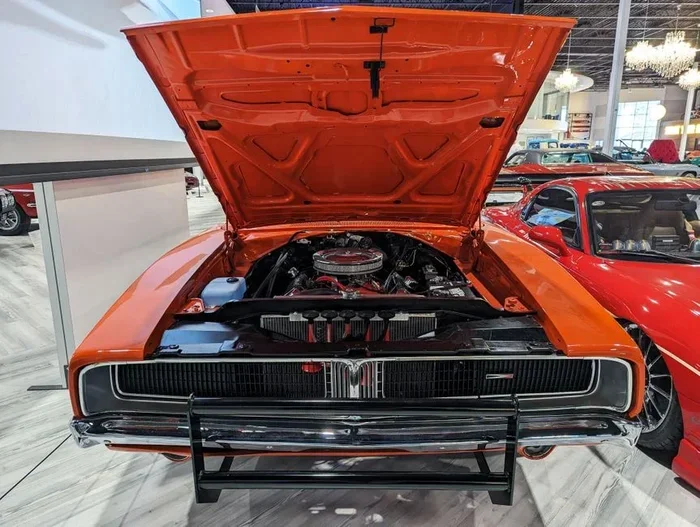
Dodge Charger throttle body problems can cause rough idle, poor acceleration, and reduced fuel economy. This guide walks you through the most common issues, their symptoms, and step-by-step solutions. Whether you need a simple cleaning or a full replacement, these tips will help you get your Charger running smoothly again.
Your Dodge Charger is a powerful machine. But when the throttle body starts acting up, that power disappears fast. You might notice rough idle, hesitation during acceleration, or even a check engine light popping on. These are not just annoying — they can affect how safely your car drives.
Dodge Charger throttle body problems are more common than most people think. The good news? Most of these issues are fixable without breaking the bank. Whether you are a DIY mechanic or someone who just wants to understand what is going on under the hood, this guide has you covered. Let us dive into the most common problems and how to solve them.
Key Takeaways
- Dirty throttle body: Carbon buildup is the #1 cause of throttle issues in Dodge Chargers.
- Throttle position sensor failure: A bad TPS triggers check engine lights and erratic engine behavior.
- Electronic throttle control faults: These can often be reset with simple DIY steps.
- Regular maintenance: Cleaning your throttle body every 30,000 miles prevents most problems.
- Professional help: Some issues require a diagnostic scan tool or mechanic visit.
📑 Table of Contents
What Does a Throttle Body Do?
Before we look at the problems, let us understand the part itself. The throttle body controls how much air flows into your engine. Think of it as the gateway between the air intake and the engine cylinders. When you press the gas pedal, the throttle body opens wider. This lets more air in, which means more fuel gets burned, and your car speeds up.
Modern Dodge Chargers use an electronic throttle control system. This means there is no physical cable connecting the pedal to the throttle body. Instead, sensors and the car’s computer manage everything. This design is efficient, but it also means more electronic components can fail over time.
Common Dodge Charger Throttle Body Problems
1. Dirty or Carbon-Buildup Throttle Body
This is the most frequent issue. Over time, carbon deposits build up inside the throttle body. These deposits come from oil vapors and fuel residue. As buildup accumulates, the throttle plate cannot move freely. This restricts airflow and causes a host of driving problems.
You will notice this when your idle becomes rough or inconsistent. The engine might surge or stall at stoplights. Some drivers also report a slight hesitation when pressing the gas pedal. In many cases, a simple cleaning fixes everything.
Quick Tip: Clean your throttle body every 30,000 miles to prevent buildup. Use a dedicated throttle body cleaner spray and a soft cloth. Never use harsh abrasives, as they can damage the delicate surfaces inside.
2. Throttle Position Sensor (TPS) Failure
The throttle position sensor tells your car’s computer exactly how far the throttle plate is open. When this sensor fails, the computer gets wrong information. The result? Unpredictable engine behavior.
Common symptoms include:
- Rough or inconsistent idle
- Surging or jerking during acceleration
- Poor fuel economy
- Check engine light turning on
- Difficulty shifting gears (in automatic models)
A failing TPS often triggers a specific diagnostic trouble code. A mechanic can read this code with a scan tool. Replacing the sensor is usually straightforward and affordable.
3. Electronic Throttle Control Malfunction
Because the Dodge Charger uses electronic throttle control, software glitches can happen. Sometimes the system needs a reset after a battery disconnection or a software update. A malfunction in this system can cause the throttle to respond slowly or not at all.
You might see a warning light on your dashboard that says “Throttle Control” or “Check Engine.” In some cases, the car enters a “limp mode” to protect the engine. Limp mode limits your speed and acceleration until the problem is resolved.
Quick Tip: Try resetting the throttle body by disconnecting the battery for 15 minutes. This clears error codes and resets the electronic throttle system. If the light comes back on, you need a deeper inspection.
4. Vacuum Leaks Near the Throttle Body
Vacuum leaks are sneaky problems. They happen when an unmeasured air leak enters the engine intake system. This throws off the air-fuel ratio that your car’s computer relies on.
Common signs of a vacuum leak include:
- High or rough idle
- Engine misfires
- Hissing or sucking noises near the engine
- Reduced engine power
Check the rubber hoses and gaskets around the throttle body. Over time, these components crack and harden. A simple smoke test at a repair shop can pinpoint the exact leak location.
5. Throttle Body Motor Failure
The electric motor inside the throttle body moves the throttle plate. When this motor wears out or fails, the throttle cannot open or close properly. This is a more serious problem that usually requires full replacement.
Symptoms of motor failure include:
- Throttle not responding to pedal input
- Engine stalling unexpectedly
- No throttle response at highway speeds
- Check engine light with TPS-related codes
Replacement costs vary. A new OEM throttle body for the Charger can range from $200 to $600 depending on the model year. Labor adds another $100 to $200 if you hire a mechanic.
How to Diagnose Throttle Body Problems
Diagnosing the issue correctly saves you time and money. Here is a step-by-step approach you can follow at home.
- Check for warning lights. Note any dashboard warnings, especially the check engine light or throttle control light.
- Use an OBD-II scanner. Plug the scanner into the diagnostic port under your dashboard. Write down any trouble codes you see.
- Look for physical damage. Inspect the throttle body and surrounding hoses for cracks, loose connections, or carbon buildup.
- Test the throttle response. With the engine running, gently press the gas pedal. Note any hesitation, surging, or delay.
- Check the TPS voltage. Use a multimeter to test the throttle position sensor output. Compare readings to factory specifications.
These steps help you narrow down the problem. If the codes point to the TPS, you know to focus there. If the throttle body looks dirty, cleaning is your first move.
Step-by-Step Throttle Body Cleaning Guide
Cleaning your throttle body is one of the most rewarding DIY jobs. Here is how to do it right.
What You Will Need
- Throttle body cleaner spray (not carb cleaner)
- Soft lint-free cloths
- Screwdriver or Torx bit set
- Safety gloves and glasses
Cleaning Steps
- Disconnect the negative battery terminal. This prevents electrical damage.
- Remove the air intake duct connected to the throttle body.
- Unbolt the throttle body from the intake manifold.
- Spray throttle body cleaner on the throttle plate and bore. Let it soak for 30 seconds.
- Wipe away all carbon deposits with a soft cloth. Do not scrub aggressively.
- Repeat spraying and wiping until the surfaces are clean.
- Reinstall the throttle body and reconnect the battery.
- Start the engine and let it idle for a few minutes to relearn the idle position.
After cleaning, your Charger should idle more smoothly and respond better to the gas pedal. If problems persist, the throttle body may need replacement instead.
When to Replace Instead of Clean
Cleaning works great for maintenance and mild carbon buildup. But sometimes replacement is the only real fix. Here is how to decide.
- Clean and no improvement? If you cleaned the throttle body and still have the same symptoms, the internal components may be worn out.
- Physical damage? Cracks in the throttle body housing or a damaged throttle plate mean replacement is necessary.
- Motor failure? If the electric motor inside the throttle body is dead, cleaning will not help.
- Recurring issues? If carbon buildup returns quickly, there may be an underlying problem like a PCV valve issue or oil consumption problem.
Replacing the throttle body is a moderate-difficulty repair. It involves removing the old unit, transferring the gasket, and installing the new one. The car’s computer will need to relearn the idle settings after installation.
Preventing Future Throttle Body Issues
Prevention is always better than repair. Here are simple habits that keep your Dodge Charger throttle body healthy for years.
- Change your air filter regularly. A clean air filter prevents debris and excess particles from entering the throttle body.
- Use quality fuel. Lower-quality fuel can leave more residue that contributes to carbon buildup.
- Clean the throttle body every 30,000 miles. This is the single best preventive step you can take.
- Address check engine lights promptly. Ignoring warning lights can lead to bigger problems over time.
- Check for vacuum leaks during oil changes. A quick visual inspection catches small issues before they grow.
These habits add up. A well-maintained throttle body means better engine performance, improved fuel economy, and a smoother ride. Your Dodge Charger will thank you for it.
How Much Does It Cost to Fix?
Cost depends on the specific problem and your model year. Here is a rough breakdown.
| Repair | Parts Cost | Labor Cost | Total Estimate |
|---|---|---|---|
| Throttle body cleaning | $10-$20 (cleaner) | $0 (DIY) or $80-$150 | $10-$170 |
| TPS replacement | $50-$120 | $50-$100 | $100-$220 |
| Throttle body replacement | $200-$600 | $100-$200 | $300-$800 |
| Vacuum leak repair | $5-$30 (gaskets/hoses) | $50-$150 | $55-$180 |
These are estimates and can vary based on your location and model year. Always get a quote from a trusted mechanic before committing to a repair.
For more information on maintaining your Dodge Charger and other vehicle components, check out our guide on Desk Lamp With Wireless Charger 2 for related home and vehicle tips.
Final Thoughts
Dodge Charger throttle body problems are frustrating but manageable. Most issues stem from carbon buildup, a failing TPS, or electronic control faults. The key is catching the problem early and addressing it before it gets worse.
Start with the simplest fix — a thorough cleaning. If that does not work, move on to testing the throttle position sensor and checking for vacuum leaks. Replacement should be your last resort but is often very effective when needed.
Keep up with regular maintenance, and your Charger will deliver the performance you expect. A well-functioning throttle body means a smoother ride, better fuel economy, and a happier driving experience. Do not ignore the warning signs — tackle them head-on with the tips in this guide.
For additional home product insights and maintenance tips, visit our Desk Lamp With Wireless Charger resource page for more helpful guides.
Frequently Asked Questions
Can a dirty throttle body cause a Dodge Charger to stall?
Yes, a dirty throttle body is one of the most common causes of stalling in Dodge Chargers. Carbon buildup restricts airflow, which disrupts the air-fuel mixture. This can cause the engine to stall at idle or during low-speed driving. Regular cleaning prevents this issue.
How often should I clean my Dodge Charger throttle body?
Most experts recommend cleaning the throttle body every 30,000 to 50,000 miles. However, if you drive in stop-and-go traffic or dusty conditions, you may need to clean it more often. Signs like rough idle or hesitation are good indicators that cleaning is due.
Can I drive my Dodge Charger with a bad throttle position sensor?
You can drive short distances, but it is not recommended. A bad TPS causes unpredictable engine behavior, including surging, hesitation, and poor acceleration. This can be dangerous in traffic. Have the sensor diagnosed and replaced as soon as possible.
Does throttle body cleaning require a mechanic?
No, throttle body cleaning is a straightforward DIY job. You only need throttle body cleaner, a soft cloth, and basic hand tools. Most owners complete the job in under 30 minutes. Just be gentle and avoid damaging the throttle plate or sensors.
What is the difference between electronic and cable-operated throttle bodies?
Electronic throttle bodies use sensors and motors controlled by the car’s computer. Cable-operated systems use a physical cable connected to the gas pedal. Modern Dodge Chargers use electronic throttle control, which offers better fuel efficiency and smoother operation but relies on more electronic components.
Will a new throttle body require reprogramming?
Yes, after installing a new throttle body, the car’s computer needs to relearn the idle and throttle position settings. This process is called idle relearn or throttle relearn. You can do it by following the procedure in your owner’s manual or having a mechanic perform it with a scan tool.