Learn How to Check Engine Oil on a BMW the Easy Way
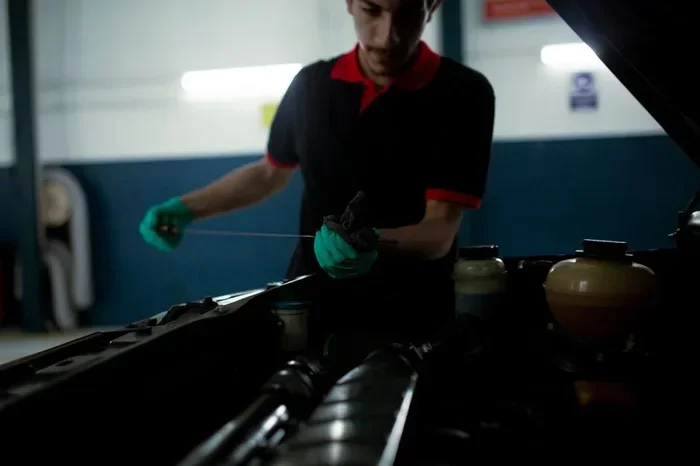
Checking your BMW engine oil is one of the simplest yet most important maintenance tasks you can do. This guide walks you through the entire process in easy steps, so you can keep your BMW running strong. You will learn what tools you need, where to find the dipstick, and how to read the oil level correctly. Regular oil checks help prevent costly engine repairs and keep your BMW performing at its best.
Owning a BMW comes with a lot of perks. The driving experience is smooth, the engineering is top-notch, and the feel on the road is hard to beat. But with great cars comes great responsibility. One of the simplest yet most overlooked tasks is checking your engine oil. Many BMW owners skip this until something goes wrong. That is a mistake. Learning how to check engine oil on BMW models takes just a few minutes and can save you hundreds in repairs. In this guide, we break it down step by step so anyone can do it at home.
Whether you drive a BMW 3 Series, 5 Series, or an X Series SUV, the process is very similar. The key is knowing where to look and what to look for. Engine oil is the lifeblood of your car. It keeps all the moving parts lubricated and cool. Without enough oil, your engine can overheat. Worse, it can seize up entirely. That is why regular oil checks are non-negotiable. This guide covers everything from preparation to reading the results. By the end, you will feel confident doing it yourself.
Key Takeaways
- Check oil when the engine is cool: This gives you the most accurate reading and keeps you safe.
- Use the right BMW-approved oil: Different BMW models need specific oil types for best performance.
- Check oil every 1,000 miles: Regular checks catch problems early and protect your engine.
- Wipe the dipstick before reinserting: This ensures a clean and accurate reading every time.
- Know the warning signs: Dark, gritty oil or low levels mean it is time for a change.
- Never overfill: Too much oil can damage your BMW engine just as much as too little.
📑 Table of Contents
Why Checking Your BMW Engine Oil Matters
Some people think oil checks are only for mechanics. That could not be further from the truth. Checking your BMW engine oil regularly is one of the best things you can do for your car. It takes less than five minutes and requires almost no tools. Here is why it matters so much.
First, oil breaks down over time. Heat and friction cause it to lose its lubricating properties. When oil degrades, it does not protect your engine the way it should. Second, oil levels drop naturally over time. Small amounts burn off during normal driving. Third, low oil can cause serious engine damage. BMW engines are precision machines. They need clean oil at the right level to run properly. Skipping oil checks is like skipping meals for your car. It might run fine for a while, but problems will catch up fast.
How Often Should You Check BMW Engine Oil?
Most BMW experts recommend checking your oil at least once a month. If you drive frequently or in hot climates, check it every two weeks. BMW maintenance schedules also suggest checking oil before long trips. The good news is that modern BMW models have oil level sensors. However, these sensors are not always perfectly accurate. Doing a manual check gives you peace of mind. You can see the actual oil level and condition with your own eyes.
What You Need Before You Start
Before you pop the hood, gather a few simple items. You do not need any special tools. Most of what you need, you probably already have at home. Here is your checklist:
- A clean rag or paper towel — for wiping the dipstick
- The correct BMW-approved oil — check your owner manual for the right type
- A level surface — park on flat ground for an accurate reading
- Your BMW owner manual — it has specific details for your model
You do not need any fancy equipment. A basic rag and your owner manual are all you need to get started. BMW oil specifications vary by model and year, so always check what your specific car requires. Using the wrong oil type can void your warranty and hurt engine performance.
Choosing the Right Oil for Your BMW
Not all engine oils are the same. BMW engines are designed to work with specific oil grades. Most modern BMWs require synthetic BMW-approved oil. Common grades include BMW LL-01 and BMW LL-04. These oils are specially formulated to handle the high temperatures and pressures inside a BMW engine. Using generic oil might seem fine at first, but it can lead to increased wear over time. Always check your owner manual or ask your dealer for the right oil type.
Step-by-Step Guide to Checking BMW Engine Oil
Now for the fun part. Let us walk through the entire process. Checking engine oil on a BMW is straightforward once you know the steps. Follow along and you will have it mastered in no time.
Step 1: Park on a Level Surface
Start by parking your BMW on a flat, level surface. This is crucial for an accurate reading. If your car is on a slope, the oil will pool to one side and give you a false reading. Turn off the engine and let it cool for at least 10 minutes. Checking oil on a cool engine ensures the oil has settled back into the oil pan. This gives you the most reliable measurement.
Step 2: Open the Hood
Go to the inside of your BMW and locate the hood release lever. It is usually under the dashboard on the driver side. Pull it and then go to the front of the car. You will feel a secondary latch near the front of the hood. Push it to the side and lift the hood. Secure it with the prop rod. BMW hood release mechanisms are slightly different across models, but they all follow the same basic design.
Step 3: Locate the Oil Dipstick
Once the hood is open, look for the oil dipstick. On most BMW models, it has a yellow or orange handle. It is usually located near the front of the engine bay. If you are not sure where it is, consult your owner manual. The dipstick is your primary tool for checking oil level. BMW dipstick design is simple and easy to use. Just pull it straight out.
Step 4: Pull the Dipstick and Wipe It
Grasp the dipstick handle and pull it straight out. Be careful — the oil on the end will be hot. Use your rag or paper towel to wipe the dipstick clean. This step is important because residual oil on the stick can give you a false reading. Wiping the dipstick before reinserting is a habit that makes your readings much more accurate.
Step 5: Reinsert the Dipstick
After wiping the dipstick, push it back in all the way. Do not be gentle here. You want it fully seated. Then pull it out again. This time, look at the oil on the end of the dipstick carefully. The dipstick has markings that indicate the minimum and maximum oil levels.
Step 6: Read the Oil Level
Look at where the oil reaches on the dipstick. There are usually two lines or holes. The oil level should be between these marks. If it is close to or below the minimum line, you need to add oil. If it is at or near the maximum line, you are in good shape. BMW oil level should always be between the two marks for optimal engine performance.
Step 7: Check the Oil Condition
The level is only half the story. You also need to check the oil condition. Rub some oil between your fingers. It should feel smooth and thin. If it feels gritty or thick, it is time for an oil change. Fresh BMW oil is usually amber or golden in color. Dark brown or black oil means it has been in the engine too long. Clean oil protects your engine far better than dirty oil.
How to Read the Oil Level and Condition
Reading the dipstick correctly is an art that takes a little practice. Here are the key things to look for when you check your BMW oil.
- Level between the marks: This is the sweet spot. Your engine has the right amount of oil.
- Level below minimum: You need to add oil soon. Driving with low oil risks engine damage.
- Level above maximum: Too much oil can cause foaming and pressure issues. Remove some if needed.
- Color: Amber or golden means fresh. Dark brown is okay if it is time for a change. Black means change it now.
- Texture: Smooth and thin is good. Gritty or sludgy means the oil has broken down.
BMW oil condition tells you a lot about your engine health. If you notice metal particles in the oil, that is a red flag. It could mean internal wear. In that case, take your car to a mechanic right away.
Understanding BMW Oil Level Sensors
Many newer BMW models come with electronic oil level sensors. These sensors display the oil level on your dashboard or iDrive screen. While these are convenient, they are not perfect. Sensors can malfunction or give delayed readings. Manual dipstick checks are still the gold standard. They give you real-time, hands-on information about your oil. Even if your BMW has a sensor, get in the habit of checking manually every few weeks.
Common Mistakes to Avoid When Checking Oil
Even simple tasks can go wrong if you are not careful. Here are the most common mistakes BMW owners make when checking engine oil. Avoid these and you will get accurate results every time.
- Checking oil right after driving: Hot oil is thinner and does not settle properly. Wait at least 10 minutes after turning off the engine.
- Not wiping the dipstick: This leads to false readings. Always wipe it clean before reinserting.
- Parking on a slope: Uneven ground throws off the oil level reading. Always park on flat ground.
- Overfilling with oil: Too much oil creates pressure inside the engine. Add oil in small amounts and recheck.
- Using the wrong oil type: Always use BMW-approved oil that matches your model specifications.
- Skipping oil changes: Even if the level is fine, old oil loses its protective qualities. Change it on schedule.
Avoiding these simple mistakes will keep your BMW engine healthy and your readings accurate. It only takes a few extra seconds to do things the right way.
When to Change Your BMW Engine Oil
Checking oil is one thing. Changing it is another. So how do you know when it is time for a fresh oil change? Here are the key signs.
First, check your BMW owner manual. Most BMW models recommend an oil change every 10,000 to 15,000 miles for synthetic oil. However, this can vary based on driving conditions. If you drive in stop-and-go traffic, extreme heat, or dusty areas, you may need to change your oil more frequently. BMW oil change intervals are designed for ideal driving conditions. Real-world driving is often less than ideal.
Second, watch for warning signs. If your oil pressure light comes on, do not ignore it. If the oil looks dark and gritty, it is past its prime. If you hear unusual engine noises, low oil could be the cause. Third, keep track of your mileage. Use a simple app or notebook to log your oil changes. This helps you stay on top of your BMW maintenance schedule.
Regular oil changes are the backbone of BMW engine care. They remove contaminants and replenish protective additives. Skipping them is the fastest way to shorten your engine life. A well-maintained BMW engine can last well over 200,000 miles with proper oil care.
DIY Oil Change vs. Professional Service
Some BMW owners like to change their own oil. It saves money and gives you full control over the process. If you go the DIY route, make sure you have the right tools, a drain pan, and a filter wrench. Others prefer to take their BMW to a professional. Dealers and independent shops have the right equipment and expertise. Either approach works. The most important thing is that the oil gets changed on time.
Final Thoughts on BMW Oil Maintenance
Checking your BMW engine oil is one of the easiest things you can do to protect your investment. It takes just a few minutes and requires no special skills. With the steps in this guide, you can confidently check your oil at home every time. Make it a habit. Check it monthly, watch for changes in color and texture, and never ignore warning signs.
Your BMW is a precision machine built for performance. It deserves the best care you can give it. Regular oil checks and timely changes keep your BMW running like new for years to come. So pop that hood, grab a rag, and give your engine the attention it deserves. Your future self — and your BMW — will thank you.
Frequently Asked Questions
Can I check my BMW engine oil while the engine is running?
No, you should always check BMW engine oil with the engine turned off and cooled down. Running engines cause oil to circulate and heat up, which gives you an inaccurate reading on the dipstick. Wait at least 10 minutes after turning off the engine for the most reliable measurement.
What type of oil does my BMW need?
Most modern BMWs require synthetic BMW-approved oil, typically meeting LL-01 or LL-04 specifications. The exact oil type depends on your BMW model and year. Always check your owner manual or consult your dealer to find the right oil grade for your specific vehicle.
How often should I check my BMW engine oil?
You should check your BMW engine oil at least once a month. If you drive frequently or in extreme conditions, check it every two weeks. Regular manual checks complement your BMW’s electronic oil sensors and help catch issues early before they become expensive repairs.
What happens if I overfill my BMW with engine oil?
Overfilling BMW engine oil can cause serious problems. Excess oil creates foam and pressure inside the engine, which can damage seals and gaskets. If you accidentally overfill, drain the excess oil to bring the level back to the correct range between the minimum and maximum marks on the dipstick.
Can I use regular oil instead of BMW-approved synthetic oil?
It is not recommended. BMW engines are designed to work with specific synthetic oil formulations that meet BMW’s strict standards. Regular oil may not provide the same level of protection, especially under high temperatures and pressures. Using the wrong oil can void your warranty and lead to premature engine wear.
How do I know if my BMW needs an oil change?
Signs that your BMW needs an oil change include dark or gritty oil on the dipstick, unusual engine noises, an oil pressure warning light on the dashboard, and mileage exceeding your recommended oil change interval. Most BMWs need an oil change every 10,000 to 15,000 miles with synthetic oil.