How to Maintain a Car Battery and Keep It Running Well
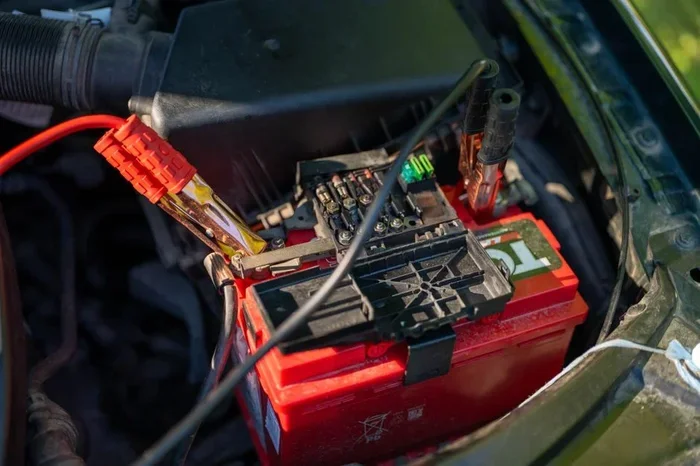
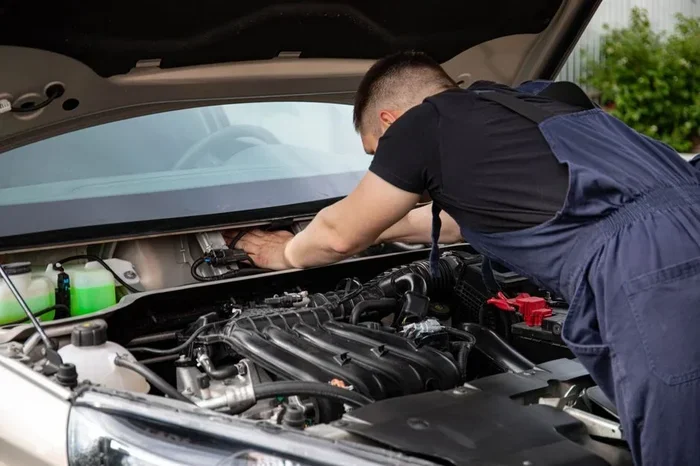
Knowing how to maintain a car battery saves you money and prevents unexpected breakdowns. Regular cleaning of terminals, checking fluid levels, and testing voltage are simple habits that keep your battery healthy for years. A few minutes of care each month can add significant life to your car battery.
Your car battery works hard every single day. It starts the engine, powers the lights, and keeps your electronics running. Yet most people only think about their battery when something goes wrong. A dead battery can leave you stranded on a cold morning or ruin your plans for the weekend.
The good news is that car battery maintenance is simple and takes just a few minutes each month. Small habits like cleaning the terminals and checking the voltage can add years to your battery life. In this guide, you will learn exactly how to maintain a car battery so it stays strong and reliable.
Whether you drive a new sedan or an older truck, these tips apply to all vehicles. You do not need to be a mechanic to take care of your battery. Let us walk through everything you need to know, step by step.
Key Takeaways
- Clean terminals regularly: Corrosion buildup is the number one cause of battery problems.
- Test voltage monthly: A healthy battery should read 12.4 to 12.6 volts when the engine is off.
- Drive your car frequently: Short trips can drain your battery before it recharges fully.
- Check fluid levels: Distilled water keeps your battery cells functioning at their best.
- Secure the battery: Vibrations from driving can damage internal components over time.
- Watch for warning signs: Slow cranking, dim lights, and warning lights signal trouble ahead.
- Store batteries properly in winter: Extreme cold kills battery performance fast.
📑 Table of Contents
- Why Car Battery Maintenance Matters
- How to Inspect Your Car Battery
- Cleaning Battery Terminals the Right Way
- Testing Your Battery Voltage
- Tips for Extending Battery Life
- When to Replace Your Battery
- Seasonal Battery Care Tips
- Common Battery Maintenance Mistakes to Avoid
- Final Thoughts on Car Battery Care
Why Car Battery Maintenance Matters
Many drivers ignore their battery until it fails. This is a costly mistake. A new battery can cost anywhere from 75 to 300 dollars depending on your vehicle. Regular maintenance can double or even triple your battery life.
Think of battery health like dental hygiene. Small daily habits prevent big problems later. A few minutes of care each month can save you hundreds of dollars and a lot of frustration.
Car battery maintenance also keeps you safe. A failing battery can leave you stuck in dangerous locations. It can also damage your alternator and other electrical parts if it fails suddenly. Staying on top of your battery care routine means fewer surprises and more peace of mind.
The Cost of Ignoring Your Battery
When was the last time you checked your battery? If you cannot remember, you are not alone. Most drivers only notice their battery when the car won’t start. By that point, the damage may already be done.
A neglected battery can leak acid, corrode your terminals, and drain your electrical system. These issues lead to expensive repairs that could have been avoided. Battery maintenance tips are always cheaper than replacement costs.
How to Inspect Your Car Battery
A visual inspection is the first step in any battery maintenance schedule. You should do this at least once a month. It only takes a few minutes and requires no special tools.
What to Look For
Open your hood and locate the battery. Look for any of these warning signs:
- White or blue powdery buildup on the terminals — this is corrosion
- Cracked or swollen casing — indicates internal damage
- Leaking fluid around the base of the battery
- Loose or corroded cables — check the connections
- Bubble wrap or warping on the plastic shell
If you notice any of these issues, address them right away. Corrosion can block the electrical connection and prevent your car from starting. A cracked case can leak sulfuric acid, which is dangerous to touch and harmful to your engine bay.
Checking the Battery Date Code
Every battery has a manufacturing date printed on the label. This helps you track its age. Most batteries last between three and five years. If yours is older than three years, pay extra attention to its condition. You might want to start planning for a car battery replacement soon.
Cleaning Battery Terminals the Right Way
Corrosion on battery terminals is one of the most common battery problems. It looks like a white, chalky substance on the metal connections. This buildup blocks the electrical current and weakens your battery’s performance.
What You Need
Gather these simple items before you start:
- Baking soda
- Warm water
- An old toothbrush or wire brush
- A clean rag or paper towel
- Protective gloves and safety glasses
Step by Step Cleaning Process
- Turn off the engine and let the car cool down completely.
- Disconnect the negative cable first by loosening the clamp with a wrench.
- Disconnect the positive cable next.
- Mix baking soda and warm water in a small bowl to make a paste.
- Apply the paste to the corroded terminals using the toothbrush.
- Scrub gently until the white buildup comes off.
- Wipe clean with a dry rag and let the terminals air dry.
- Reconnect the positive cable first, then the negative cable.
After cleaning, you can apply a thin layer of petroleum jelly to the terminals. This protects them from future corrosion and keeps the connection strong.
For more ideas on keeping your workspace organized while working on your car, you might find our guide on how to organize a workspace helpful for managing your tools and supplies.
Testing Your Battery Voltage
Testing your battery voltage is one of the most important car battery maintenance habits. A fully charged battery should read between 12.4 and 12.6 volts with the engine off. If it reads below 12.2 volts, your battery needs charging.
How to Use a Multimeter
A multimeter is a cheap and useful tool. Set it to DC voltage and touch the red probe to the positive terminal and the black probe to the negative terminal. Here is what the readings mean:
- 12.6 volts or higher: Battery is fully charged
- 12.4 volts: Battery is about 75 percent charged
- 12.2 volts: Battery is about 50 percent charged
- Below 12.0 volts: Battery needs immediate charging
Make it a habit to test your voltage once a month. This simple check can alert you to problems long before your battery dies completely. If your readings are consistently low, consider using a battery charger or having your battery professionally tested.
Tips for Extending Battery Life
Want your battery to last as long as possible? These daily habits make a big difference.
Drive Your Car Regularly
Your alternator recharges the battery while you drive. If your car sits unused for days at a time, the battery slowly loses charge. Try to drive your car for at least 15 to 20 minutes several times a week. Short trips around the block may not be enough to fully recharge the battery.
Turn Off Electronics When the Engine Is Off
Leaving your headlights, radio, or phone charger on while the engine is off drains your battery fast. This is called parasitic drain. Make it a habit to check that all electronics are off before you turn off the engine and walk away.
Keep Your Battery Secure
Vibrations from driving can loosen your battery and damage its internal plates. Make sure the battery hold-down clamp is tight. A secure battery lasts longer and performs better. This is one of those battery maintenance tips that many people overlook.
Manage Extreme Temperatures
Both extreme heat and extreme cold are tough on batteries. Hot weather causes fluid to evaporate, while cold weather slows down the chemical reactions inside the battery. In winter, consider using a battery blanket or charger to keep your battery warm. In summer, park in the shade whenever possible.
For those who like to keep their workspace neat and organized, check out our article on what to keep on your desk for inspiration on organizing your tools and supplies efficiently.
Avoid Short Trips When Possible
Short trips do not give your alternator enough time to recharge the battery fully. If you only drive five minutes to the store and back, your battery may slowly lose charge over time. Try to combine errands into one longer trip when you can.
When to Replace Your Battery
Even with the best care, every battery eventually needs to be replaced. Knowing when to replace it can save you from a sudden breakdown.
Warning Signs Your Battery Is Failing
Watch for these red flags:
- The engine cranks slowly when you turn the key
- Your headlights dim when you idle the engine
- The battery warning light appears on your dashboard
- You need to jump start your car more than twice a month
- The battery case looks swollen or bloated
- You notice a rotten egg smell coming from under the hood
If you experience any of these symptoms, have your battery tested as soon as possible. Most auto parts stores offer free battery testing. Catching a failing battery early gives you time to plan for a replacement instead of getting stranded.
Choosing the Right Replacement Battery
When it is time for a new battery, match the specifications to your vehicle. Check your owner manual for the correct group size, cold cranking amps, and reserve capacity. A maintenance-free battery is a popular choice because it requires no fluid top-ups and very little upkeep.
Do you keep your garage organized and your workspace tidy? A clean, well-organized space makes battery maintenance and replacement much easier. Our guide on decorating and organizing your workspace offers great ideas for keeping your area neat and functional.
Seasonal Battery Care Tips
Your battery faces different challenges in each season. Adjusting your care routine with the weather keeps it performing at its best.
Winter Battery Care
Cold weather is the biggest enemy of car batteries. The chemical reactions inside the battery slow down significantly in low temperatures. A battery that is 75 percent charged in warm weather may be completely dead in freezing conditions.
To protect your battery in winter:
- Have it tested before the first frost
- Use a battery maintainer or trickle charger during long periods of inactivity
- Keep the battery terminals clean and tight
- Drive your car regularly to keep it charged
- Consider a battery blanket for extremely cold climates
Summer Battery Care
Heat is just as damaging as cold. High temperatures cause the battery fluid to evaporate faster. This leads to increased internal corrosion and reduced battery life.
In summer, make sure your battery fluid levels are adequate. Top off with distilled water if needed. Also, check that your battery is securely mounted because heat can weaken the hold-down hardware over time.
Common Battery Maintenance Mistakes to Avoid
Even well-meaning car owners sometimes make mistakes that hurt their battery. Here are the most common ones:
- Never testing the battery: Many drivers assume their battery is fine without ever checking it
- Ignoring corrosion: Letting buildup sit on terminals weakens the connection over time
- Using the wrong charger: A mismatched charger can overcharge or undercharge your battery
- Leaving accessories plugged in: Phone chargers and dashcams drain power when the car is off
- Jump starting incorrectly: Connecting cables in the wrong order can damage your electrical system
Avoiding these mistakes is just as important as following the right steps. If you are ever unsure about a procedure, consult a professional mechanic. It is always better to be safe than sorry.
Final Thoughts on Car Battery Care
Taking care of your car battery does not require expensive tools or mechanical expertise. A few simple habits — like cleaning the terminals, testing the voltage, and driving your car regularly — go a long way. Car battery maintenance is one of the easiest forms of vehicle upkeep you can do.
Make these tips part of your monthly routine. Set a reminder on your phone to check your battery every four weeks. Over time, these small actions add up to a longer-lasting, more reliable battery. You will save money, avoid surprises, and drive with confidence knowing your car is ready to go whenever you are.
Start today. Open your hood, take a look at your battery, and give it a quick check. Your future self will thank you the next time you turn the key and the engine roars to life without a hesitation.
Frequently Asked Questions
How often should I check my car battery?
You should inspect your battery at least once a month. A quick visual check for corrosion and a voltage test with a multimeter takes only a few minutes. Regular checks help you catch problems early before they become serious.
Can I use tap water to top off my battery fluid?
No, always use distilled water. Tap water contains minerals that can build up inside the battery and damage the internal plates. Distilled water is pure and safe for your battery cells.
How long does a car battery typically last?
Most car batteries last between three and five years. However, driving habits, weather conditions, and how well you maintain the battery can shorten or extend that lifespan. Regular care makes a real difference.
What causes battery corrosion?
Battery corrosion is caused by acid fumes escaping from the battery and reacting with the metal terminals. It is more common in older batteries or batteries that are overcharged. Regular cleaning prevents buildup and keeps the connection strong.
Is it safe to clean battery terminals while wearing jewelry?
No, always remove metal jewelry before working on your battery. Rings, bracelets, and watches can conduct electricity and cause burns or short circuits. Wear gloves and safety glasses for full protection.
What should I do if my battery dies in winter?
Keep a portable jump starter in your trunk for emergencies. If your battery dies, try jump starting with another vehicle using proper cable connection order. If the battery keeps dying, have it tested — it may need replacement.