Everything You Need to Know About Iridium Metallic Color
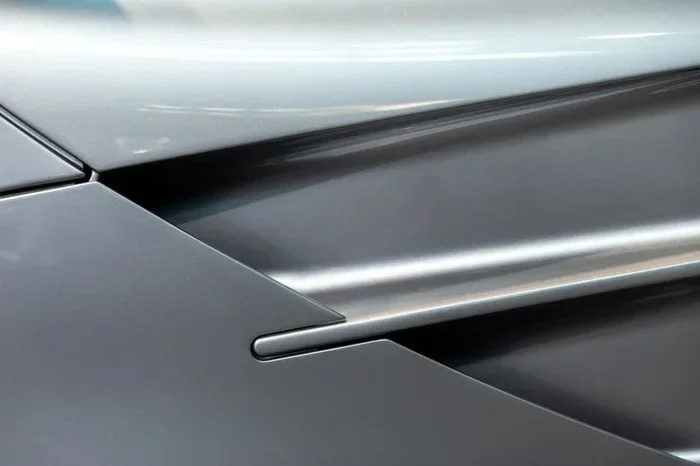
Iridium metallic color is a stunning silver-gray finish that mimics the look of the precious metal iridium. It is widely used in jewelry, automotive coatings, and industrial applications due to its corrosion resistance and luxurious reflective surface. This guide covers everything from the science behind the color to practical tips for achieving it yourself.
Have you ever seen a piece of jewelry or a car finish that looked like liquid silver with a hint of dark gray? That is the magic of iridium metallic color. It is one of the most eye-catching finishes in the world of metals and coatings. People love it for its cool, sophisticated look and incredible durability.
But what exactly is iridium metallic color? Where does it come from? And how can you use it in your own projects? This guide answers all of those questions and more. Whether you are a jewelry maker, a car enthusiast, or just someone who appreciates beautiful finishes, you will find plenty of useful information here.
The iridium metallic color is not just a paint color. It represents a whole world of surface treatments, coatings, and finishes inspired by one of the rarest metals on the planet. Let us dive into everything you need to know.
Key Takeaways
- Iridium metallic color is a silver-gray finish inspired by the rare metal iridium, known for its durability and reflective beauty.
- This color is popular in jewelry plating, automotive paint, and industrial coatings because of its corrosion resistance and sleek appearance.
- You can achieve iridium metallic color at home using specialized paints, coatings, and plating techniques.
- Iridium stands out from other metallic finishes like chrome and titanium gray due to its unique dark metallic hue and warm undertones.
- Common mistakes include skipping surface prep, using low-quality coatings, and ignoring proper curing times.
- The history of iridium dates back to the 1800s, and its high melting point makes it one of the most durable metals on Earth.
- Whether for fashion or function, iridium plating and iridium-style finishes offer a premium look that lasts.
📑 Table of Contents
- What Is Iridium Metallic Color?
- The History and Science Behind Iridium
- Iridium Metallic Color in Jewelry and Fashion
- Iridium Metallic Color in Automotive and Industrial Applications
- How to Achieve Iridium Metallic Color at Home or in the Workshop
- Iridium Metallic Color vs. Other Popular Metallic Finishes
- Common Mistakes to Avoid When Working with Iridium Metallic Color
- Expert Tips for Getting the Best Iridium Metallic Results
- Conclusion
What Is Iridium Metallic Color?
Iridium metallic color refers to a silver-gray finish that resembles the natural appearance of the metal iridium. Iridium is a precious metal that belongs to the platinum group. It is extremely rare, dense, and resistant to corrosion. Because of these qualities, it has become a symbol of luxury and durability.
The color itself is a cool, muted silver with subtle dark undertones. It is darker than polished chrome but lighter than gunmetal black. The result is a reflective surface that looks elegant in any lighting condition. Under direct light, iridium metallic finishes shimmer with a soft, almost frosty glow.
In the world of coatings and paints, iridium metallic color is achieved using metallic pigments, special dyes, and layered clear coats. These pigments mimic the reflective properties of real iridium metal. The finish can range from a bright mirror-like sheen to a matte, brushed texture, depending on the technique used.
One of the reasons iridium metallic color has become so popular is its versatility. It looks great on cars, jewelry, electronics, and even home décor items. The color works well with both modern and classic designs, making it a favorite among designers and manufacturers alike.
The History and Science Behind Iridium
To truly understand iridium metallic color, it helps to know a little about the metal itself. Iridium was discovered in 1803 by British chemist Smithson Tennant. He found it as a dark, dense residue left over after dissolving natural platinum ore in aqua regia. The name iridium comes from the Greek word “iris,” meaning rainbow, because of the colorful compounds the metal produces.
Iridium is one of the rarest elements in the Earth’s crust. It is found primarily in platinum ores and in alluvial deposits. The metal has a high melting point of about 4,471 degrees Fahrenheit, making it one of the most heat-resistant metals known. It is also extremely hard and brittle, which makes it challenging to work with in its pure form.
Despite its hardness, iridium is highly valued for its corrosion resistance. It does not tarnish, rust, or react with most acids. This is why iridium and its alloys are used in demanding environments, from spark plugs to satellite components. When you see iridium plating on a piece of jewelry or a decorative item, you are seeing a thin layer of this remarkable metal bonded to a base material.
The iridium metallic color we see in coatings and finishes is a tribute to this extraordinary metal. Scientists and manufacturers have developed ways to replicate its unique appearance using metallic pigments and advanced coating technologies. The result is a finish that captures the essence of iridium without the high cost of using the real metal.
Why Iridium Is So Rare
Iridium is part of the platinum group metals, which also include platinum, palladium, rhodium, ruthenium, and osmium. These metals are all rare and share similar properties, such as corrosion resistance and high melting points. Iridium, however, stands out as the densest of them all. A cube of iridium measuring just one centimeter on each side would weigh over 22 grams.
Because of its rarity, pure iridium is expensive. This is why most iridium metallic color products use imitation or plating techniques rather than solid iridium. These alternatives allow more people to enjoy the beauty of iridium at a fraction of the cost.
Iridium Metallic Color in Jewelry and Fashion
The jewelry industry has embraced iridium metallic color for its stunning appearance and durability. Unlike gold or silver, which can scratch or tarnish over time, iridium-style finishes hold up remarkably well. They maintain their metallic sheen even with daily wear and tear.
Jewelers use iridium plating to coat base metals like brass, copper, and stainless steel. This gives affordable pieces the look and feel of expensive precious metals. The plating process involves depositing a thin layer of iridium or an iridium alloy onto the surface using electroplating or physical vapor deposition.
One of the biggest advantages of iridium metallic color in jewelry is its hypoallergenic properties. Iridium is a noble metal, which means it is unlikely to cause allergic reactions. This makes it a great choice for people with sensitive skin who want a luxury finish without irritation.
How Jewelers Use Iridium Plating
Jewelers follow a careful process when applying iridium plating. First, they clean the base metal thoroughly to remove any oils or contaminants. Next, they place the piece in a plating bath containing iridium ions. An electric current is passed through the solution, which causes the iridium to bond to the surface of the jewelry.
The thickness of the plating layer can vary. Thinner layers are more affordable but may wear off faster. Thicker layers offer better durability but increase the cost. Many jewelers aim for a balance that provides a long-lasting metallic finish without breaking the budget.
Popular Iridium-Style Jewelry Pieces
Some of the most popular jewelry items featuring iridium metallic color include:
- Wedding rings and engagement rings — The cool silver-gray tone complements all skin types and pairs well with any outfit.
- Watch cases and bands — Iridium finishes give watches a sleek, modern look that resists scratches.
- Necklaces and bracelets — The dark metallic hue adds a touch of elegance to statement pieces.
- Earrings and piercings — Because iridium is hypoallergenic, it is a safe choice for sensitive ears.
Iridium Metallic Color in Automotive and Industrial Applications
Iridium metallic color is not just for jewelry. It has a strong presence in the automotive and industrial worlds as well. Car enthusiasts love the look of iridium metallic paint because it gives vehicles a sophisticated, high-end appearance. The color works especially well on luxury sedans, sports cars, and custom builds.
In the automotive industry, iridium metallic color is often used in combination with other finishes. For example, a car might have an iridium metallic body paired with black chrome trim. This creates a striking contrast that turns heads on the road.
Automotive Paint and Coatings
Automotive manufacturers and aftermarket paint shops use special metallic pigments to create iridium metallic color finishes. These pigments are made from fine aluminum or mica particles coated with titanium dioxide and other oxides. The result is a paint that reflects light in complex ways, producing the characteristic silver-gray sheen of iridium.
Applying automotive iridium metallic paint requires skill and precision. The process typically involves multiple layers:
- Base coat — A primer that prepares the surface and provides adhesion.
- Metallic color coat — The iridium metallic pigment layer that gives the color its unique look.
- Clear coat — A protective layer that adds depth, gloss, and UV protection.
Each layer must be applied carefully and allowed to cure properly. Rushing the process can lead to imperfections like orange peel, fading, or peeling. When done right, an iridium metallic finish on a car can look breathtaking and last for decades.
Industrial and Aerospace Uses
Beyond cars, iridium metallic color plays a role in industrial and aerospace applications. Iridium and its alloys are used in high-temperature environments, such as jet engine components and satellite parts. The corrosion resistance and thermal stability of iridium make it ideal for these demanding conditions.
In manufacturing, iridium coatings are applied to tools and machine parts to reduce wear and extend their lifespan. The metallic finish also provides a professional, polished appearance that is valued in precision equipment and laboratory instruments.
How to Achieve Iridium Metallic Color at Home or in the Workshop
If you want to add iridium metallic color to your own projects, you have several options. Whether you are painting a model, refinishing furniture, or working on a DIY car part, there are products available to help you get the job done.
The most common method for achieving iridium metallic color at home is using metallic spray paint or brush-on metallic coatings. These products contain fine metallic flakes suspended in a clear binder. When applied in thin, even layers, they create a realistic iridium-like finish.
Paints and Coatings You Can Use
Here are some popular options for creating iridium metallic color finishes:
- Metallic spray paint — Available at most hardware stores, these sprays are easy to apply and come in a range of silver-gray shades that mimic iridium.
- Metallic acrylic paint — Great for smaller projects like model kits, figurines, and home décor items. You can mix iridium-style pigments with acrylic mediums for a custom match.
- Electroplating kits — For more advanced users, electroplating kits allow you to deposit a thin layer of metal onto surfaces, creating a genuine metallic finish.
- PVD coating services — Physical vapor deposition is a professional-grade method that produces extremely durable iridium-style finishes. Some shops offer this service for custom projects.
Tips for a Flawless Iridium Finish
Getting a perfect iridium metallic color finish takes practice and patience. Here are some tips to help you succeed:
- Prepare the surface — Always clean and sand the surface before applying any coating. A smooth, dust-free surface ensures better adhesion.
- Apply thin layers — Thick coats can drip, sag, and look uneven. Multiple thin layers produce a smoother, more professional result.
- Use a primer — A good primer helps the metallic paint stick and improves the overall durability of the finish.
- Allow proper drying time — Rushing between coats can cause peeling and cracking. Follow the manufacturer’s recommended drying times.
- Seal with a clear coat — A clear protective coat adds shine and shields the metallic finish from scratches and oxidation.
Iridium Metallic Color vs. Other Popular Metallic Finishes
The world of metallic finishes offers many options, and it can be hard to tell them apart. Here is how iridium metallic color compares to some of the most popular alternatives.
Iridium vs. Chrome
Chrome has a bright, mirror-like finish that is classic and timeless. Iridium metallic color, on the other hand, has a darker, more muted tone. Chrome looks bold and flashy, while iridium has a subtler, more refined elegance. In terms of durability, both finishes are highly resistant to corrosion, but iridium tends to show fingerprints and smudges less than chrome does.
Iridium vs. Titanium Gray
Titanium gray is another popular metallic finish, especially in modern automotive design. While both iridium and titanium gray are cool-toned silvers, titanium gray is usually lighter and more neutral. Iridium has a slightly darker, more complex look with subtle warm undertones that give it extra depth.
Iridium vs. Gunmetal Black
Gunmetal black is a dark charcoal-gray finish that is often used for a rugged, industrial look. Iridium metallic color is brighter and more reflective than gunmetal. It sits somewhere between the dark, moody tone of gunmetal and the bright shine of chrome, offering a balanced middle ground.
| Finish | Tone | Reflectivity | Best For |
|---|---|---|---|
| Iridium Metallic Color | Silver-gray with dark undertones | Medium-high | Luxury jewelry, premium automotive, industrial coatings |
| Chrome | Bright silver, mirror-like | Very high | Classic car parts, decorative fixtures |
| Titanium Gray | Light neutral gray | Medium | Modern automotive, consumer electronics |
| Gunmetal Black | Dark charcoal gray | Low to medium | Rugged accessories, tactical gear |
Common Mistakes to Avoid When Working with Iridium Metallic Color
Even experienced DIYers can run into trouble when working with iridium metallic color. Here are some common mistakes and how to avoid them.
- Skipping surface preparation — This is the number one mistake. If the surface is dirty or rough, the paint will not adhere properly, and the finish will look uneven.
- Applying too thick a coat — Thick coats cause drips, bubbles, and an uneven texture. Always apply thin, even layers and build up the color gradually.
- Ignoring temperature and humidity — Metallic paints and coatings perform best in moderate temperatures and low humidity. Applying them in extreme conditions can lead to poor adhesion and slow drying.
- Using low-quality products — Cheap paints and coatings may save money upfront but often produce disappointing results. Invest in quality products for a professional-looking finish.
- Forgetting the clear coat — The clear coat protects the metallic layer and adds depth. Without it, your iridium metallic finish will look flat and may wear off quickly.
Expert Tips for Getting the Best Iridium Metallic Results
Want your iridium metallic color project to look like it was done by a professional? Follow these expert tips.
First, always work in a well-ventilated area. Metallic paints and coatings release fumes that can be harmful if inhaled. Wear a respirator mask and gloves to protect yourself.
Second, invest in a good quality spray gun if you are working on larger projects. A spray gun gives you more control over the spray pattern and helps you achieve a smooth, even finish. Practice on a scrap piece of material before working on your actual project.
Third, consider the lighting in your workspace. Metallic finishes can look very different under various lighting conditions. Natural daylight is the best way to evaluate your work. If you are working indoors, use bright, full-spectrum lights to see the true color of your iridium metallic finish.
Finally, do not rush the curing process. Allow each coat to dry completely before applying the next. Most metallic coatings need 24 to 48 hours to fully cure. Once cured, the finish will be hard, durable, and resistant to scratches and chips.
Conclusion
Iridium metallic color is more than just a pretty shade of silver. It is a finish that combines beauty, durability, and versatility in a way few other metallic colors can match. From its origins as one of the rarest metals on Earth to its modern applications in jewelry, cars, and industry, iridium continues to captivate and inspire.
Whether you are a jewelry maker looking for a luxury finish, a car enthusiast searching for the perfect paint color, or a DIYer wanting to try something new, iridium metallic color is a fantastic choice. With the right materials, proper technique, and a little patience, you can achieve a stunning iridium finish that turns heads and lasts for years.
So go ahead and explore the world of iridium metallic color. Experiment with different techniques, try new products, and most importantly, have fun with it. The beauty of this finish lies not just in its appearance but in the satisfaction of creating something truly special with your own hands.
Frequently Asked Questions
What is iridium metallic color used for?
Iridium metallic color is used in jewelry plating, automotive paint, industrial coatings, and decorative finishes. It is prized for its silver-gray appearance, durability, and resistance to tarnish and corrosion.
Can I achieve iridium metallic color at home?
Yes, you can achieve iridium metallic color at home using metallic spray paints, acrylic paints, or electroplating kits. The key is to prepare the surface properly and apply thin, even layers for the best results.
Is iridium metallic color the same as chrome?
No, iridium metallic color is darker and more muted than chrome. Chrome has a bright, mirror-like finish, while iridium has a subtle silver-gray tone with dark undertones. They are distinct finishes with different aesthetics.
Does iridium metallic color scratch easily?
Iridium-style finishes are generally more scratch-resistant than softer metals like gold or silver. However, they can still show marks if not properly cared for. Applying a clear protective coat helps improve scratch resistance.
Is iridium metallic color hypoallergenic?
Yes, iridium is a noble metal and is generally hypoallergenic. This makes iridium metallic color jewelry and finishes a safe choice for people with sensitive skin or metal allergies.
How long does iridium metallic paint last?
With proper application and a protective clear coat, iridium metallic color finishes can last many years. The lifespan depends on the quality of the product, the preparation of the surface, and how well the finish is maintained.