Is Tesla Extended Warranty Worth It for Most Owners
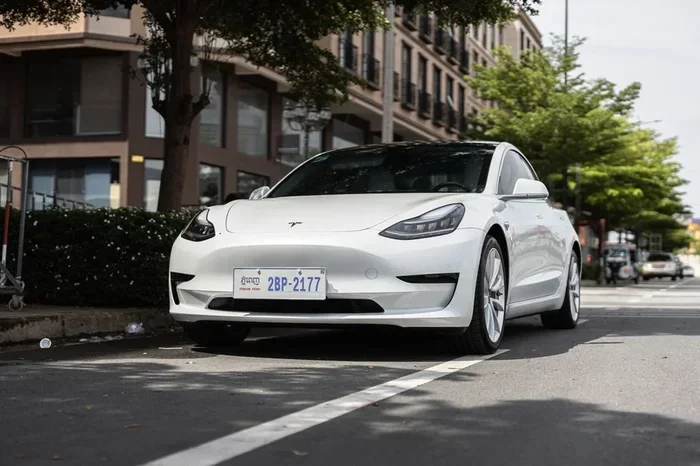
Is Tesla extended warranty worth it? The answer depends on how long you plan to keep your car, your driving habits, and your budget. Tesla’s factory warranty covers most new vehicles for four years or 50,000 miles, but an extended plan can push that protection much further. Before you commit, it helps to understand exactly what you get, what it costs, and whether the peace of mind justifies the price tag.
So, you just bought a Tesla. Congratulations. That sleek design, the instant torque, and the quiet ride are all incredible. But then you start thinking about the future. What happens when the warranty runs out? Will Tesla repair costs eat up your savings? This is the exact question every Tesla owner faces at some point. And the answer is not as simple as yes or no.
When you ask yourself is Tesla extended warranty worth it, you are really asking a deeper question. You want to know if paying extra now will save you money and stress later. The truth is, it depends on several factors. Your driving habits, how long you keep your car, and even where you live all play a role. In this guide, we break down everything you need to know. We cover the costs, the coverage details, and real-world scenarios to help you make a smart decision.
Key Takeaways
- Tesla’s factory warranty covers most new cars for 4 years or 50,000 miles, whichever comes first.
- An extended warranty can add coverage for up to 8 years or more, depending on the plan you choose.
- Tesla warranty cost varies based on the model, mileage, and length of coverage you select.
- High-mileage drivers and those in harsh climates may benefit most from an extended plan.
- Third-party warranty options exist and can be cheaper, but they may not offer the same level of service.
- Self-insuring is a valid alternative if you have a healthy emergency fund and plan to sell soon.
📑 Table of Contents
What Does Tesla Extended Warranty Cover?
Understanding what is included in a Tesla warranty coverage plan is the first step. Tesla offers a basic factory warranty on all new vehicles. This is often called a limited warranty. It covers repairs for material defects and workmanship issues. But what happens after those four years are up?
Basic Tesla Warranty vs. Extended Coverage
The standard Tesla factory warranty includes two main parts. The first is a bumper-to-bumper coverage for 4 years or 50,000 miles. The second is a powertrain warranty that lasts 8 years or 120,000 miles. The powertrain warranty covers the motor, gearbox, and battery pack. This is a strong foundation. But it leaves a gap. What about the electronics, the suspension, or the air conditioning system after year four?
This is where an extended warranty comes in. It fills that gap. A Tesla warranty extension can add coverage beyond the original factory terms. Some plans extend coverage to 8 years of bumper-to-bumper protection. Others focus on specific components like the battery or the drive unit. The key is knowing what you need before you buy.
What’s Included in the Extended Plan
A typical Tesla extended warranty covers many of the same items as the factory plan. Here is a breakdown of what you can usually expect:
- Electrical systems: Screens, sensors, cameras, and wiring harnesses
- Climate control: Heating, ventilation, and air conditioning components
- Suspension and steering: Shock absorbers, tie rods, and steering racks
- Braking system: Brake pads, rotors, calipers, and ABS components
- Battery and drive unit: Covered under the original 8-year powertrain plan
- Seats and interior: Power seats, heating elements, and upholstery defects
It is important to read the fine print. Not every plan covers the same items. Some vehicle protection plans exclude wear-and-tear items like brake pads and wiper blades. Always ask for a full list of covered and excluded components before you sign anything.
How Much Does Tesla Extended Warranty Cost?
The Tesla warranty cost is one of the biggest factors in your decision. After all, what good is protection if the price eats into your budget? Let us look at the numbers.
Factors That Affect the Price
Several things determine how much you will pay for an extended warranty. The first is the Tesla model you own. A Tesla Model 3 warranty will cost less than a Tesla Model Y warranty simply because of the price difference. The Model S and Model X cost even more to insure and protect.
The second factor is the length of coverage. Most extended plans offer terms of 1, 2, 3, 4, 5, 6, 7, or 8 additional years. Longer coverage means a higher price. The third factor is your current mileage. A car with 30,000 miles will cost less to extend than one with 60,000 miles. Higher mileage means more wear on the vehicle, which means more risk for the warranty provider.
Here is a quick comparison of what you might expect to pay:
- 1-year extension: $1,500 to $3,000 depending on the model
- 3-year extension: $3,500 to $7,000
- 5-year extension: $5,000 to $10,000
- 8-year extension: $8,000 to $15,000 or more
These are rough estimates. Actual prices vary based on your location, the specific Tesla model, and the provider you choose. Always get a quote before committing.
Is the Price Worth the Protection?
This is where warranty vs self-insuring comes into play. If you have a solid emergency fund, you might decide to skip the warranty and pay for repairs out of pocket. On the other hand, if a major repair would cause serious financial stress, the warranty could be a lifesaver. A single Tesla repair cost for something like a touchscreen replacement or a suspension issue can easily run into thousands of dollars.
Who Should Consider Getting Tesla Extended Warranty?
Not every Tesla owner needs an extended warranty. But some drivers benefit a lot from one. Let us look at the profiles of people who should strongly consider it.
High-Mileage Drivers
If you drive more than 15,000 miles per year, an extended warranty makes a lot of sense. The more you drive, the more wear and tear your vehicle experiences. Components like brakes, suspension, and electrical systems degrade faster with high mileage. A Tesla service plan that extends beyond the factory terms gives you peace of mind on those long road trips and daily commutes.
Tesla Owners in Harsh Climates
Living in extreme heat or extreme cold puts extra stress on your Tesla. Battery performance can suffer in very cold weather. The cooling system works harder in hot climates. If you live in a place with harsh winters or scorching summers, an extended warranty can protect you against climate-related wear and tear.
First-Time EV Owners
If this is your first electric vehicle, you might not know what repairs could cost. Electric vehicle warranty coverage helps you avoid surprises. You know that if something goes wrong, the warranty has your back. This is especially valuable during the early years of ownership when you are still learning the ins and outs of your Tesla.
People Who Keep Cars Long-Term
Do you usually keep a car for 7 or 8 years? Then an extended warranty that covers years 5 through 8 is a smart investment. The factory warranty will have expired, and you will be relying on the extended plan during those later years. This is the sweet spot where the warranty delivers the most value.
When It Might Not Be Worth It
On the flip side, there are situations where an extended warranty may not make sense. Let us explore when you might want to skip it.
If You Plan to Sell Soon
If you buy a Tesla and plan to sell it within 3 or 4 years, an extended warranty adds little value. The factory warranty will still be active when you sell. And the new owner gets their own factory coverage. Paying for extra protection you will not use is simply wasted money.
If You Have a Tight Budget
An extended warranty is an added expense. If your budget is already stretched thin, adding hundreds or thousands of dollars to your Tesla ownership costs may not be practical. It is better to set aside that money in an emergency fund for repairs. This is the essence of warranty vs self-insuring and it works well for disciplined savers.
If Your Tesla Is Already Out of the High-Risk Period
Most major Tesla issues tend to appear in the first 3 to 5 years. If your car is already 6 or 7 years old and has been reliable, the risk of a major repair is lower. In this case, the cost of an extended warranty might not justify the potential savings.
Tesla Extended Warranty vs. Third-Party Options
Tesla offers its own extended warranty program. But you also have the option of buying a third-party extended warranty from an independent provider. Both have pros and cons. Let us compare them.
Pros and Cons of Each Approach
Tesla’s Own Extended Warranty
- Covers repairs at official Tesla service centers
- Uses genuine Tesla parts
- Seamless integration with your vehicle’s service history
- Tends to be more expensive than third-party options
- Limited flexibility in choosing repair providers
Third-Party Extended Warranty
- Often significantly cheaper than Tesla’s own plan
- More flexibility in choosing repair shops
- May offer additional perks like roadside assistance
- Quality of coverage varies widely between providers
- Claims process can be more complicated
The warranty claim process is also different. With Tesla’s own plan, you book a service appointment through the app, and Tesla handles everything. With a third-party plan, you may need to get pre-approval before any repairs are done. This can add time and frustration, especially if you need urgent repairs.
Quick Tips for Choosing a Warranty Provider
Whether you go with Tesla or a third party, here are some quick tips to keep in mind:
- Read reviews from other Tesla owners before you commit
- Compare coverage limits, deductibles, and exclusions side by side
- Ask about the claims process and average wait times
- Check if the warranty is transferable if you sell the car
- Get everything in writing before you pay
Common Mistakes to Avoid
Many Tesla owners make avoidable mistakes when considering an extended warranty. Here are a few to watch out for.
- Buying too early: If you plan to sell in 3 years, do not buy an 8-year warranty. You will not use it.
- Skipping the fine print: Always read what is excluded. Wear-and-tear items, accident damage, and environmental damage are often not covered.
- Choosing the cheapest option: The cheapest warranty may have the worst coverage. Look at value, not just price.
- Ignoring your driving habits: If you drive 25,000 miles a year, a low-mileage warranty plan will not help you.
- Not comparing providers: Get at least three quotes before making a decision. The price difference can be significant.
Final Verdict: Is Tesla Extended Warranty Worth It?
So, back to the big question: is Tesla extended warranty worth it? For most owners who keep their cars long-term, drive high mileage, or live in challenging climates, the answer is yes. The peace of mind alone can be worth the cost. Knowing that a major repair will not drain your savings is a powerful feeling.
However, if you plan to sell within a few years, have a tight budget, or keep your car in great shape with regular maintenance, you might be better off self-insuring. The right choice depends on your personal situation, your financial comfort level, and how long you intend to hold onto your Tesla.
Take your time. Compare options. Read the terms carefully. And remember, no warranty can prevent every problem. But a good one can definitely reduce the stress and financial impact when something does go wrong. Make the choice that fits your life, your budget, and your Tesla ownership goals.
Frequently Asked Questions
How long does Tesla’s factory warranty last?
Tesla’s factory bumper-to-bumper warranty covers new vehicles for 4 years or 50,000 miles, whichever comes first. The powertrain warranty extends to 8 years or 120,000 miles. After those periods end, you will need an extended warranty or to pay for repairs yourself.
Can I transfer an extended warranty if I sell my Tesla?
It depends on the provider. Tesla’s own extended warranty may be transferable to a new owner. Third-party warranties vary, so always check the transfer policy before purchasing. A transferable warranty can also increase the resale value of your car.
What is the average cost of a Tesla extended warranty?
The cost varies widely based on the model, mileage, and length of coverage. Expect to pay anywhere from $1,500 for a short-term extension to over $10,000 for a comprehensive multi-year plan. Always get a personalized quote for the most accurate price.
Are third-party Tesla warranties reliable?
Some third-party warranties are excellent, while others are not. Look for providers with strong ratings, transparent terms, and a straightforward claims process. Reading reviews from other Tesla owners is one of the best ways to find a reliable provider.
What is not covered under Tesla extended warranty?
Most extended warranties exclude regular maintenance items like brake pads, wiper blades, and tires. Accident damage, environmental damage, and modifications are also typically excluded. Always review the full list of exclusions before you buy.
Should I buy an extended warranty for a used Tesla?
If you buy a used Tesla that is still within the factory warranty period, you may not need an immediate extension. However, if the car is older than 4 years, an extended warranty can provide valuable protection. Factor in the vehicle’s age, mileage, and condition before deciding.