nissan independent power distribution module explained
The Nissan Independent Power Distribution Module is a smart fuse box that controls your vehicle’s electrical system. It replaces older fuse blocks with a compact unit that manages power for lights, sensors, and accessories. Understanding how it works helps you troubleshoot electrical issues faster and avoid costly repairs.
If you own a modern Nissan vehicle, there is a small but mighty component working behind the scenes every time you turn the key. It is called the Nissan Independent Power Distribution Module, and it plays a huge role in keeping your car’s electrical system running smoothly.
Think of it as the brain behind your vehicle’s fuse box. Instead of a messy collection of old-style fuses and relays, the Nissan IPDM uses smart electronics to control power flow. It decides which circuits get power, when they get it, and how much current they receive.
In this guide, we will break down everything you need to know. We will cover what the module does, where it is located, common problems, and how to fix them. Whether you are a DIY mechanic or just curious about your Nissan, this article has you covered.
The Nissan Independent Power Distribution Module is an electronic unit that manages the power distribution system in your vehicle. It controls fuses, relays, and circuits that supply electricity to different parts of your car. Older Nissan models used a traditional fuse block with simple blade fuses. The IPDM replaced that system with a smarter, more compact design.
The module sits inside a power distribution box and uses internal relays to turn circuits on and off. It also monitors current flow and can detect electrical faults. When something goes wrong, the IPDM can shut down a circuit to protect your vehicle from damage. This is much better than a simple fuse that just blows and leaves you in the dark.
The Nissan IPDM handles many electrical functions at once. It controls your headlights, taillights, interior lights, and dashboard indicators. It also manages power for the fuel pump, ignition system, and various sensors. Some models use the module to control power windows, door locks, and even the entertainment system.
Each circuit inside the Nissan Independent Power Distribution Module has its own fuse and relay. The module uses a printed circuit board with tiny pathways that route power where it needs to go. A microprocessor inside the unit monitors all of these circuits in real time.
The IPDM receives power directly from the battery. It then distributes that power through multiple output circuits. Each circuit is protected by its own fuse, which is built right into the module. If a circuit draws too much current, the internal fuse blows and cuts power to that specific circuit only.
This design is much better than old-style fuse blocks. In older systems, one blown fuse could cause a chain of problems. With the Nissan power distribution module, each circuit works independently. So if one circuit fails, the rest of your vehicle keeps running normally.
The Nissan Independent Power Distribution Module is not the same in every Nissan model. Different years and trim levels use different versions of the unit. Let us look at some of the most common models that rely on this system.
The Nissan Altima is one of the most popular sedans that uses the IPDM. Models from 2013 onward feature the Nissan Altima IPDM located under the hood. The module controls everything from the engine management system to the climate control blower motor.
The Nissan Rogue also depends heavily on the Nissan Independent Power Distribution Module. The Rogue’s IPDM manages power for the AWD system, backup camera, and various safety sensors. Because the Rogue has so many electronic features, a faulty IPDM can cause multiple warning lights to appear on the dashboard.
The Nissan Sentra is another common model that uses this system. The Nissan Sentra IPDM is a compact unit that fits neatly into the engine bay. It handles basic lighting circuits, fuel injection power, and starter relay control.
The Nissan Pathfinder, especially the 2013 and newer models, uses a more advanced version of the Nissan power distribution module. The Pathfinder has more electrical loads because of its size and luxury features. The IPDM in the Pathfinder manages power for third-row seating heaters, sliding doors, and the infotainment system.
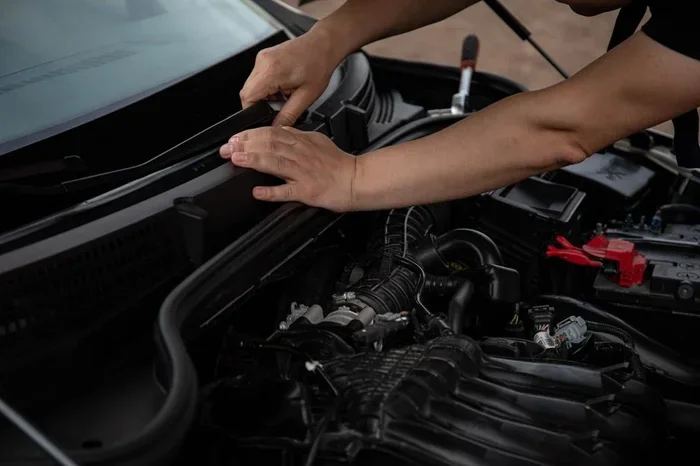
Finding the Nissan IPDM location is the first step in diagnosing any electrical problem. In most Nissan vehicles, the module is located under the hood, near the battery. It is usually mounted on the inner fender wall or close to the strut tower.
Some Nissan models also have a secondary IPDM inside the cabin. This cabin module handles interior electrical circuits like the dome light, door locks, and audio system. The Nissan Independent Power Distribution Module under the hood is the main unit, though. It controls the high-current circuits that power the engine and exterior lights.
To find the Nissan IPDM location in your specific vehicle, check your owner’s manual. The manual will have a diagram showing exactly where the module sits. In most cases, you will see a black plastic box with multiple wire connectors attached to it.
Before you open the module, disconnect the negative battery terminal. This is a safety step that prevents electrical shorts. The Nissan power distribution module handles high current, and you do not want to risk a shock or damage to the vehicle.
The Nissan Independent Power Distribution Module can develop problems over time. Electrical connections can corrode, internal relays can fail, and circuit boards can crack. Let us look at the most common symptoms of a bad IPDM.
One of the first signs is flickering or dimming lights. If your headlights or dashboard lights start to flicker without warning, the Nissan IPDM might be failing. This happens when internal relays start to stick or when the circuit board has loose connections.
Another common symptom is a blown fuse that keeps coming back. If you replace a fuse and it blows again right away, the problem might not be the fuse itself. It could be the Nissan Independent Power Distribution Module sending too much current to that circuit.
Some owners report complete power loss to certain systems. For example, the power windows might stop working, or the fuel pump might not engage. These issues point to a failed relay or a damaged circuit inside the Nissan power distribution module.
The check engine light and other warning lights may also illuminate randomly. Because the IPDM controls power to many sensors, a faulty module can trigger false codes. This can be confusing and frustrating if you do not know the root cause.
In severe cases, the Nissan Independent Power Distribution Module can stop working entirely. This means the vehicle will not start or run. The battery might have power, but the module will not distribute it to the starter motor or ignition system.
Diagnosing a bad Nissan IPDM requires a few basic tools. A digital multimeter is the most important tool you will need. You can use it to test voltage at the module’s connectors and check for continuity in the circuits.
Start by checking the battery voltage. A healthy battery should read around 12.6 volts with the engine off. Then check the voltage at the IPDM input terminal. If the input voltage is good but the output is low or zero, the module is likely the problem.
You can also inspect the physical condition of the Nissan Independent Power Distribution Module. Look for signs of melting, burning, or corrosion on the connectors. A burning smell is a clear sign of internal damage. If you see any of these signs, the module needs to be replaced.
A wiring diagram for your specific Nissan model is very helpful during diagnosis. You can find these diagrams online or in a Haynes/Chilton repair manual. The diagram will show you which pins on the Nissan power distribution module correspond to which circuits. This makes testing much faster and more accurate.
Replacing the Nissan Independent Power Distribution Module is a job that most DIYers can handle. You will need a socket set, a wire brush, and some dielectric grease. The new module is relatively affordable, but labor costs at a shop can add up.
The Nissan IPDM replacement cost typically ranges from $150 to $400. The part itself costs between $80 and $250, depending on the model year. Labor at a dealership or independent shop usually adds $75 to $150 for the installation.
If you want to save money, you can do the replacement yourself. Start by disconnecting the negative battery cable. Then unplug the electrical connectors from the old module. Remove the mounting bolts and take out the old unit.
Install the new Nissan power distribution module in the same position. Secure it with the mounting bolts. Reconnect all the electrical connectors and apply dielectric grease to the pins. This prevents corrosion and ensures a solid connection.
Reconnect the battery and turn the key to the on position. Check that all your lights and accessories work. If everything looks good, start the engine and take it for a short test drive. The Nissan Independent Power Distribution Module should now be fully operational.
The best way to avoid Nissan Independent Power Distribution Module problems is through regular maintenance. Keep the battery terminals clean and tight. Corroded battery terminals can cause voltage spikes that damage the IPDM over time.
Inspect the module and its connectors at least once a year. Look for green or white buildup on the connectors. If you see any corrosion, clean it off with a wire brush and apply dielectric grease. This simple step can add years to the life of your Nissan power distribution module.
Avoid adding aftermarket electrical accessories without proper wiring. High-draw accessories like extra lights or audio amplifiers can overload the circuits in the IPDM. If you must add accessories, use a relay kit that draws power directly from the battery.
Also, make sure your battery is in good condition. A weak battery forces the Nissan IPDM to work harder to maintain voltage levels. Replace your battery every 4 to 5 years, or sooner if you notice slow cranking or dim lights.
The Nissan Independent Power Distribution Module is a critical part of your vehicle’s electrical system. It manages power distribution, protects circuits, and keeps your Nissan running reliably. When it fails, it can cause a wide range of electrical problems that are hard to diagnose.
By understanding how the module works and where to find it, you can tackle electrical issues with confidence. Regular maintenance and prompt attention to warning signs will help you avoid costly repairs. The Nissan power distribution module is small, but its role in your vehicle is enormous.
Whether you drive a Nissan Altima, Rogue, Sentra, or Pathfinder, the IPDM is there working behind the scenes. Take care of it, and it will take care of you.
What exactly does the Nissan Independent Power Distribution Module do?
The Nissan Independent Power Distribution Module manages all electrical power distribution in your vehicle. It controls fuses, relays, and circuits that supply electricity to lights, sensors, and accessories. It also protects circuits by detecting overloads and shutting them down automatically.
Where is the Nissan IPDM located?
In most Nissan vehicles, the Nissan IPDM location is under the hood, near the battery. It is usually mounted on the inner fender wall. Some models also have a secondary IPDM inside the cabin for interior electrical circuits.
How much does it cost to replace a Nissan IPDM?
The Nissan IPDM replacement cost typically ranges from $150 to $400. The part costs between $80 and $250, and labor adds $75 to $150. Doing the replacement yourself can save you the labor charge entirely.
Can I drive my Nissan with a bad IPDM?
It depends on which circuits are affected. A failing Nissan power distribution module might cause flickering lights or minor electrical issues. In severe cases, the vehicle will not start or run. It is best to address IPDM problems as soon as you notice symptoms.
How long does a Nissan IPDM last?
The Nissan Independent Power Distribution Module is designed to last the life of the vehicle. However, corrosion, voltage spikes, and age can cause it to fail earlier. Regular maintenance and a healthy battery can help extend its lifespan significantly.
Are there different IPDM models for different Nissan vehicles?
Yes, each Nissan model uses a specific version of the Nissan power distribution module. The Altima, Rogue, Sentra, and Pathfinder all have different IPDM units tailored to their electrical systems. Always verify the part number before purchasing a replacement.
Key Takeaways
- What it does: The Nissan Independent Power Distribution Module manages all electrical power distribution in modern Nissan vehicles.
- Location: It is typically found under the hood, near the battery or inside the cabin fuse box area.
- Common problems: Symptoms include blown fuses, flickering lights, and power loss to certain circuits.
- Replacement cost: Expect to pay between $150 and $400 depending on the Nissan model and labor rates.
- DIY-friendly: Many IPDM issues can be diagnosed at home with a multimeter and basic tools.
- Model-specific: The IPDM is used in models like the Nissan Altima, Rogue, Sentra, and Pathfinder.
- Prevention: Regular inspection and clean connections help extend the life of your power distribution module.
Frequently Asked Questions
What is nissan independent power distribution module?
nissan independent power distribution module is an important topic with many practical applications.