Pressure 33 PSI The Ultimate Guide to Perfect Tire Pressure
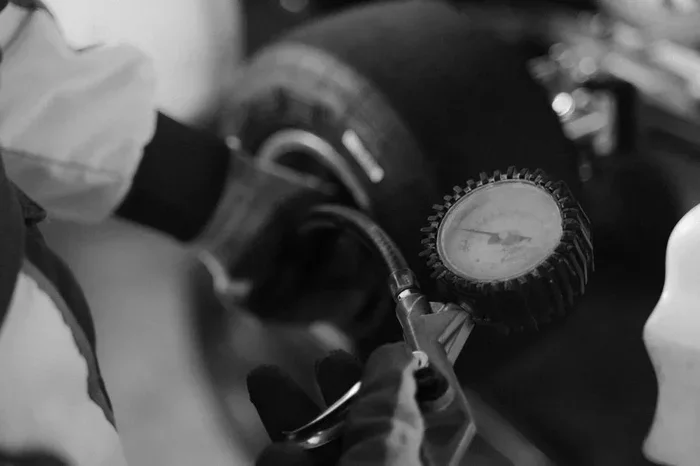
Pressure 33 PSI is a common and widely recommended tire pressure level for many vehicles. Maintaining the right tire pressure at 33 PSI improves fuel efficiency, safety, and tire lifespan significantly. This guide covers everything you need to know about optimal tire pressure settings, benefits, risks, and practical tips.
Have you ever wondered if your tires have the right amount of air? It is a question that matters more than most drivers think. Pressure 33 PSI is one of the most common recommendations you will see on vehicle stickers and owner manuals. Getting this number right can change how your car feels, how much gas you use, and how long your tires last.
Many people overlook tire pressure until something goes wrong. A flat tire, poor handling, or a strange squeal on the road often means it is already too late. But staying on top of your tire inflation takes just a few minutes a month. This guide walks you through everything you need to know about pressure 33 PSI and why it could be the sweet spot for your vehicle.
Key Takeaways
- Fuel Savings: Correct pressure 33 PSI can improve gas mileage by up to 3%.
- Safety First: Proper inflation reduces blowout risk and improves road grip.
- Tire Longevity: Maintaining 33 PSI prevents uneven wear and extends tire life.
- Easy Check: Use a simple gauge to check your tire pressure in under two minutes.
- Vehicle Specific: Always confirm your vehicle’s recommended PSI from the owner manual or door sticker.
- Temperature Matters: Air pressure drops in cold weather, so check tires regularly in winter.
📑 Table of Contents
- What Does Pressure 33 PSI Mean for Your Tires?
- Benefits of Maintaining Pressure 33 PSI
- How to Check Your Tire Pressure Correctly
- Common Mistakes People Make With Tire Pressure
- The Role of Tire Pressure Monitoring Systems
- Pressure 33 PSI vs. Other Common Tire Pressure Levels
- Expert Insights on Tire Pressure Maintenance
- How Tire Pressure Affects Fuel Efficiency
- Final Thoughts on Pressure 33 PSI
What Does Pressure 33 PSI Mean for Your Tires?
PSI stands for pounds per square inch. It measures how much air is inside your tire. When a vehicle recommends pressure 33 PSI, it means the tire should be filled to 33 pounds of air per square inch of surface area inside the tire.
This number is not random. Engineers design the vehicle suspension, handling, and comfort around a specific optimal tire pressure. For many sedans, SUVs, and light trucks, 33 PSI hits the balance between ride comfort, fuel economy, and safety.
Where to Find Your Recommended PSI
You might be wondering where to find the right number for your car. Here are the most common places:
- Driver’s side door jamb: Look for a sticker on the door frame when you open the driver’s door. It lists the recommended tire pressure for front and rear tires.
- Owner manual: Your vehicle manual has a dedicated section on tire maintenance and inflation specs.
- Tire sidewall: This shows the maximum PSI the tire can handle, not the recommended PSI for your vehicle. Do not confuse the two.
- Glove box sticker: Some manufacturers place a label inside the glove box with tire specs.
Always use the door jamb or manual number, not the sidewall number. The sidewall max is for safety limits, not daily driving.
Benefits of Maintaining Pressure 33 PSI
Keeping your tires at the right air pressure offers real, measurable benefits. Here is why pressure 33 PSI deserves your attention.
Better Fuel Economy
Underinflated tires create more rolling resistance. This means your engine works harder to move the car. According to the Department of Energy, properly inflated tires can improve gas mileage by up to 3%. That might not sound like much, but over a year of driving, it adds up to real savings at the pump.
Improved Safety on the Road
Tires with the correct tire pressure grip the road better. They handle turns more predictably and stop shorter on wet surfaces. Underinflated tires flex too much on the sides, which can lead to overheating and blowouts. Overinflated tires, on the other hand, ride on a smaller contact patch and reduce traction.
At pressure 33 PSI, most tires maintain an ideal contact patch with the road. This balance gives you the best combination of grip, stability, and control.
Longer Tire Lifespan
Tires are expensive. The last thing you want is to replace them early because of poor tire inflation. Underinflated tires wear out faster on the outer edges of the tread. Overinflated tires wear down the center of the tread prematurely.
When you keep your tires at pressure 33 PSI, the wear stays even across the entire tread surface. This means your tires last longer, saving you money over time.
Smoother Ride Quality
Properly inflated tires absorb road bumps better. Too little air makes the tire feel soft and sluggish. Too much air makes the ride harsh and bouncy. Pressure 33 PSI often provides a comfortable balance that feels just right on most road surfaces.
How to Check Your Tire Pressure Correctly
Checking tire pressure is simple, but doing it wrong gives bad results. Follow these steps for an accurate reading every time.
Step-by-Step Tire Pressure Check
- Check when tires are cold. Drive less than a mile before checking. Air expands when warm, giving a falsely high reading.
- Remove the valve cap. Unscrew the small cap on the tire valve stem.
- Press the gauge firmly onto the valve. You will hear a brief hiss of air. This is normal.
- Read the number on the gauge. Compare it to the recommended pressure 33 PSI for your vehicle.
- Add or release air as needed. Use an air pump at a gas station or a portable compressor at home.
- Replace the valve cap. This keeps dirt and moisture out of the valve stem.
Quick Tips for Accurate Readings
- Buy a quality tire pressure gauge. Digital gauges are more accurate than the cheap pencil-style ones at gas stations.
- Check all four tires, including the spare.
- Check tire pressure at least once a month.
- Do not forget to check before long road trips.
- Keep a small gauge in your glove box for quick checks.
Common Mistakes People Make With Tire Pressure
Even careful drivers make mistakes with tire inflation. Here are the most common ones to avoid.
Relying on the Tire Sidewall Number
The number on the tire sidewall is the maximum pressure, not the recommended pressure. For many passenger tires, this number is 44 PSI or higher. Filling your tire to the sidewall max when your vehicle only needs pressure 33 PSI will give you a harsh ride and poor grip.
Only Checking Tires When They Look Flat
Tires can lose 1 PSI per month naturally. A tire can be 5 PSI low and still look fine to the naked eye. By the time it looks deflated, you have already lost fuel economy and tire life.
Ignoring Temperature Changes
Air pressure inside tires drops about 1 PSI for every 10 degrees Fahrenheit decrease in temperature. In winter, your tires that were at pressure 33 PSI in summer might drop to 28 PSI by January. Check more often during seasonal changes.
Forgetting the Spare Tire
Spare tires also need the right air pressure. A flat spare defeats the purpose of having one. Check it at least twice a year.
Using the Same PSI for All Tires
Some vehicles require different pressures for front and rear tires. Always follow the specific numbers listed for each position on your door jamb sticker.
The Role of Tire Pressure Monitoring Systems
Most modern vehicles come with a tire pressure monitoring system, or TPMS. This system uses sensors inside each tire to detect pressure changes. When pressure drops significantly, a warning light appears on your dashboard.
TPMS is a helpful safety feature, but it should not replace regular manual checks. The system typically only alerts you when pressure drops 25% below the recommended level. If your vehicle recommends pressure 33 PSI, the TPMS might not warn you until pressure falls to around 25 PSI. By that point, your tires are already compromised.
What to Do When the TPMS Light Comes On
- Pull over safely and check all four tires with a manual gauge.
- If one tire is low, inflate it to the recommended pressure 33 PSI.
- Drive a few miles and see if the light resets.
- If the light stays on, visit a service center to check for leaks or sensor issues.
Pressure 33 PSI vs. Other Common Tire Pressure Levels
Not all vehicles use the same tire pressure. Here is a comparison of common PSI levels and what they mean for your driving experience.
| Tire Pressure Level | Typical Vehicle Types | Ride Comfort | Fuel Efficiency | Tire Wear |
|---|---|---|---|---|
| Pressure 33 PSI | Sedans, SUVs, light trucks | Balanced | Good | Even |
| 30 PSI | Some compact cars | Softer | Slightly lower | Outer edge wear |
| 35 PSI | Performance cars, loaded vehicles | Firmer | Slightly higher | Center tread wear |
| 40+ PSI | Heavy-duty trucks, max load | Firm | Highest | Fast center wear |
As you can see, pressure 33 PSI offers a well-rounded balance. It is not too soft and not too firm. For most daily driving situations, it hits the sweet spot between comfort, efficiency, and safety.
Expert Insights on Tire Pressure Maintenance
We spoke with automotive experts about the importance of maintaining proper tire inflation. Here is what they recommend.
Check pressure regularly. “Most drivers only think about tires when there is a problem,” says a longtime tire technician. “A simple monthly check takes five minutes and can prevent costly repairs down the road.”
Invest in a quality gauge. The free gauges at gas stations are often inaccurate. A personal tire pressure gauge costs under fifteen dollars and gives reliable readings every time.
Do not ignore slow leaks. A tire that loses 1 PSI per week likely has a slow puncture or a faulty valve stem. Get it checked before the tire pressure drops too low.
Rotate your tires. Even with perfect pressure 33 PSI, tires wear differently on the front versus the rear. Rotating them every 5,000 to 6,000 miles promotes even wear and extends tire life.
When to Adjust Your Tire Pressure
There are a few situations where you might need to adjust your tire inflation from the standard pressure 33 PSI:
- Heavy loading: If you are carrying passengers or cargo near your vehicle’s max capacity, you may need to increase pressure slightly. Check the door jamb for the loaded PSI recommendation.
- Off-road driving: Some drivers lower tire pressure for better grip on sand or snow. Always reinflate to the recommended level before driving on paved roads.
- High-speed highway driving: Sustained high speeds can heat up tires and increase pressure. Start with the recommended pressure 33 PSI when cold.
How Tire Pressure Affects Fuel Efficiency
The connection between tire pressure and fuel economy is well documented. Tires that are underinflated create more friction with the road surface. This extra friction, known as rolling resistance, forces the engine to burn more fuel.
Here is a simple breakdown of how pressure 33 PSI compares to common underinflation scenarios:
- At 33 PSI: Optimal rolling resistance. Best fuel economy for most vehicles.
- At 28 PSI (5 PSI low): Rolling resistance increases noticeably. Fuel economy drops by about 1-2%.
- At 23 PSI (10 PSI low): Significant increase in rolling resistance. Fuel economy drops by 3-5%. Tire wear accelerates dramatically.
- At 15 PSI (18 PSI low): Dangerous driving conditions. Risk of blowout. Fuel economy severely impacted. Tire damage likely.
These numbers show why staying at the right optimal tire pressure matters so much. Even a small drop in PSI can cost you at the gas pump and at the tire shop.
Final Thoughts on Pressure 33 PSI
Pressure 33 PSI is a reliable, well-tested tire pressure recommendation for a wide range of vehicles. It offers a great balance of fuel efficiency, safety, ride comfort, and tire longevity. The key is consistency. Check your tire pressure regularly, invest in a good gauge, and never ignore a slow leak.
Your tires are the only part of your car that touches the road. Treating them right with proper tire inflation pays off in every mile you drive. Start today. Grab a tire pressure gauge, check your tires, and make sure you are at the right pressure 33 PSI. Your wallet, your safety, and your tires will thank you.
Small habits make a big difference. A two-minute tire pressure check once a month can save you hundreds of dollars in fuel and tire replacements over the life of your vehicle. Do not wait for a problem. Be proactive and keep your tires at the recommended level every single time.
Frequently Asked Questions
What happens if tire pressure is too low?
Underinflated tires cause poor fuel economy, uneven tire wear on the outer edges, and reduced handling. In severe cases, low tire pressure leads to overheating and blowouts. Always maintain the recommended pressure 33 PSI or whatever your vehicle specifies.
Can I drive on tires at 30 PSI instead of 33 PSI?
A 3 PSI difference is minor and may not cause immediate problems. However, consistently driving below the recommended tire pressure reduces fuel efficiency and accelerates uneven wear. Always inflate to the manufacturer’s recommended level.
How often should I check my tire pressure?
Check your tire pressure at least once a month. Also check before long trips and during seasonal temperature changes. Air pressure naturally decreases over time and with cold weather.
Does tire pressure change with altitude?
Yes, air pressure decreases slightly at higher altitudes. However, the change is usually small and does not require adjustment. Your pressure 33 PSI reading at sea level will be similar at moderate altitudes.
Is 33 PSI too much for a passenger car?
Not necessarily. Many passenger cars, SUVs, and light trucks recommend pressure 33 PSI. Check your vehicle’s door jamb sticker or owner manual to confirm the correct tire pressure for your specific model.
What should I do if my TPMS light stays on after inflating to 33 PSI?
If the light stays on after you have inflated your tires to the correct pressure 33 PSI, the TPMS sensor itself may be faulty. Visit a mechanic or tire shop to scan the system and replace any defective sensors.
=== CONCLUSION ===
Pressure 33 PSI is a simple yet powerful setting that affects nearly every aspect of your driving experience. From better fuel economy to improved safety and longer-lasting tires, the benefits of maintaining the right tire pressure are clear and measurable. Make it a habit to check your tires monthly, invest in a reliable tire pressure gauge, and always follow your vehicle manufacturer’s recommendations. Your tires work hard for you every day. Give them the right air pressure and they will reward you with a safer, smoother, and more efficient ride for miles to come.