Read More About I Need a Car Now Without a Fortune

Need a car but don’t have a fortune? You’re not alone. This guide covers affordable car buying strategies, financing options, and money-saving tips that make owning a vehicle possible without breaking the bank. Whether you’re looking for a cheap used car or exploring car financing options, you’ll find real solutions here.
Let’s be honest. The phrase “I need a car now without a fortune” captures a feeling millions of people know too well. You need wheels to get to work, pick up groceries, or take the kids to school. But the price tags on new cars can feel impossible. The good news is that owning a car without a big bank account is absolutely doable. You just need the right game plan.
This guide walks you through every practical step to get behind the wheel without draining your savings. We’ll cover budgeting, financing, buying used, and avoiding costly mistakes. By the end, you’ll have a clear roadmap to follow. No fluff. No jargon. Just real advice you can use today.
Key Takeaways
- Affordable cars are within reach: You don’t need a fortune to own a reliable vehicle. Budget-friendly options exist for every income level.
- Used cars save you thousands: Buying pre-owned is one of the smartest financial moves for car buyers on a tight budget.
- Multiple financing paths exist: From credit unions to buy-here-pay-here dealers, there are options for every credit score.
- Hidden costs matter: Insurance, fuel, and maintenance add up. Planning for these keeps you from surprises.
- Patience pays off: Taking your time and comparing deals leads to better outcomes than rushing into a purchase.
📑 Table of Contents
- Why You Need a Car Even Without a Fortune
- Smart Ways to Get a Car When Money Is Tight
- Financing Options That Actually Work
- Buying Used: The Best-Kept Secret for Affordable Wheels
- Common Mistakes to Avoid When Buying Cheap
- How to Keep Your Car Costs Low Long-Term
- Final Thoughts: Your Car Goals Are Achievable
Why You Need a Car Even Without a Fortune
A car isn’t just a luxury anymore. In many places, it’s a necessity. Public transit doesn’t always reach where you need to go. Rideshares add up fast. A reliable set of wheels gives you freedom and opens doors to better jobs, schools, and opportunities.
Think about it this way. A budget-friendly vehicle might cost a few thousand dollars. That’s a small price compared to the income it helps you earn or the time it saves you every week. The key is finding the right car at the right price. And that’s exactly what this guide helps you do.
The Real Cost of Not Having a Car
Without a car, daily life gets harder. You might spend $50 or more on rideshares each week. That’s $200 a month or $2,400 a year. Over five years, that’s $12,000 spent on transportation you don’t own. A cheap used car pays for itself fast.
Plus, not having a car limits your options. You might turn down a job farther from home. You might skip social events or medical appointments. A reliable affordable car changes your life in ways that go beyond just getting from point A to point B.
Smart Ways to Get a Car When Money Is Tight
You have more options than you might think. Let’s break down the most practical paths to owning a car without a fortune.
Save Up and Pay Cash
Paying cash is the best way to avoid interest and debt. It’s not always possible, but even a small amount helps. Set a goal. Put aside $50 or $100 each week. In six months, you could have $1,200 to $2,400 toward a car. That’s real progress.
Look for older, well-maintained vehicles in the $2,000 to $5,000 range. These cars might not be fancy, but they get you where you need to go. Many older models from brands like Honda, Toyota, and Mazda are built to last 200,000 miles or more with basic care.
Explore Private Sales
Buying from a private seller often means a lower price than dealerships. People sell cars privately because they need to move on quickly. You can find great deals on platforms like Facebook Marketplace, Craigslist, or local classifieds.
Always get a vehicle history report. Ask for maintenance records. Take the car for a test drive during the day. Bring a mechanically minded friend if you can. These simple steps protect you from buying someone else’s headache.
Consider Family or Friend Options
Don’t overlook the power of your personal network. A family member might sell you a car at a much lower price than market value. Some people even offer payment plans with no interest. This route works best when you have clear communication and put everything in writing.
Just like setting up a home workspace doesn’t require an expensive desk, getting a car doesn’t require a fortune. It requires creativity, patience, and smart decisions.
Financing Options That Actually Work
If you can’t pay cash, financing is your next best option. But not all financing is created equal. Let’s look at what actually works for people without deep pockets.
Credit Unions vs. Banks
Credit unions often offer lower interest rates than big banks. They’re member-owned and focused on helping people, not maximizing profits. If you’re not already a member, look into joining one. The application process is usually quick and straightforward.
Get pre-approved before you visit a dealer. This gives you bargaining power and keeps you from getting swept up in high-pressure sales tactics. Know your budget. Stick to it. Don’t let anyone convince you to spend more than you can comfortably afford.
Buy-Here-Pay-Here Dealers
Buy-here-pay-here (BHPH) dealers handle the financing themselves. They often don’t check your credit score. This sounds great, but there are trade-offs. Interest rates can be higher, and the cars might need more repairs.
Use BHPH dealers as a last resort. Read every contract detail before signing. Make sure payments report to credit bureaus so you can build your credit history. And never borrow more than you can pay back in 36 months or less.
Special Programs and Incentives
Many programs help people with limited income get a car. Some nonprofits offer donated vehicles to those in need. Community organizations sometimes run car ownership programs with financial education built in. Your local United Way chapter or community action agency can point you toward resources.
Some manufacturers also offer low-interest or zero-interest financing on older models. These deals aren’t always advertised widely, so it pays to ask. Do your homework before walking into a showroom.
Buying Used: The Best-Kept Secret for Affordable Wheels
Buying a used car is hands-down the best strategy for someone who doesn’t have a fortune. New cars lose 20% of their value in the first year alone. Used cars let someone else absorb that loss for you.
How to Find a Good Used Car
Start with these trusted sources:
- Certified Pre-Owned (CPO) programs: These come with warranties and inspections. They cost a bit more but offer peace of mind.
- Online marketplaces: Sites like CarGurus, AutoTrader, and Carvana let you filter by price, mileage, and location.
- Local dealerships: Smaller, independent dealers sometimes have better deals than big chains.
- Auctions: Government and fleet auctions sell cars at steep discounts. You may need to do basic research beforehand.
What to Look For in a Budget Car
Focus on reliability and fuel efficiency. Cars with fewer complex features break down less often. Look for models known for durability. A cheap used car that runs well is worth far more than a flashy one that needs constant repairs.
Check the mileage relative to the age. A 10-year-old car with 150,000 miles is reasonable. A 5-year-old car with 150,000 miles might signal problems. Always get a pre-purchase inspection from an independent mechanic. It costs about $100 and could save you thousands.
Common Mistakes to Avoid When Buying Cheap
Saving money is the goal, but some shortcuts end up costing you more in the long run. Here are the biggest pitfalls to watch out for.
Skipping the Inspection
Never buy a car without getting it inspected by a trusted mechanic. A car might look fine on the outside but have hidden problems underneath. That $100 inspection could save you from a $3,000 repair bill a month later.
Ignoring Total Ownership Costs
The sticker price isn’t the only cost. Factor in insurance, fuel, registration, and maintenance. A car that’s cheap to buy might be expensive to insure or guzzle gas. Run the numbers before you commit to anything.
Falling for Emotional Decisions
Car salespeople know how to create urgency. They’ll say “someone else is looking at this car” or “this price won’t last.” Don’t fall for it. Walk away if the deal doesn’t feel right. There will always be another car. Patience is your greatest asset when buying on a budget.
Overlooking Documentation
Make sure the title is clean and clear of liens. Get a bill of sale. Transfer the registration properly. Skipping paperwork might seem like a shortcut, but it can create legal headaches down the road. If you’re comparing this to how you’d handle other budget purchases, think about how you’d research something like finding affordable desk lamps or setting up a workspace — you’d always check the details first.
How to Keep Your Car Costs Low Long-Term
Getting a car is only half the battle. Keeping it affordable over time is just as important. Here’s how to make your money stretch.
Do Basic Maintenance Yourself
Oil changes, tire rotations, and air filter replacements are easy to learn. YouTube has countless tutorials for every car model. Doing these yourself can save you hundreds of dollars per year.
Shop Around for Insurance
Don’t just accept the first insurance quote. Compare rates from at least three companies. Raise your deductible if your emergency fund allows it. Ask about discounts for safe driving or bundling policies.
Drive Smoothly and Save Fuel
Aggressive driving burns fuel fast. Accelerate gently. Maintain steady speeds. Keep your tires properly inflated. These simple habits can improve your fuel economy by 10% to 30%. Over a year, that’s real money back in your pocket.
Just like learning how to organize a study space doesn’t require a fortune, keeping car costs low comes down to smart daily habits. Small changes add up to big savings over time.
Final Thoughts: Your Car Goals Are Achievable
Let’s go back to the starting point. You need a car now without a fortune. And now you know it’s possible. You have practical paths to explore, smart financing options to consider, and strategies to avoid costly mistakes.
The journey starts with a single step. Set your budget. Research your options. Take your time. The right car at the right price is out there waiting for you. Don’t settle for less than what you deserve, but also don’t let the perfect be the enemy of the good. A reliable, affordable car changes your daily life in meaningful ways.
Start today. Even small steps lead to big results. You’ve got this.
Frequently Asked Questions
Can I really get a car with no money down?
Yes, some dealers and financing programs offer zero-down options. However, these often come with higher interest rates or stricter terms. Always read the fine print and make sure the monthly payment fits comfortably within your budget before signing anything.
What is the best age range for a cheap used car?
Cars that are 3 to 7 years old often offer the best value. They’ve already taken the biggest depreciation hit but still have modern safety features and reliable mechanics. Avoid cars older than 15 years unless they have a well-documented maintenance history.
How much should I spend on my first budget car?
A common rule of thumb is to spend no more than 10% to 15% of your monthly take-home pay on all car-related costs combined. For most people, this means a car purchase price between $2,000 and $5,000, depending on your income and other financial obligations.
Are buy-here-pay-here dealers trustworthy?
Some are, and some aren’t. The key is to read every contract detail, confirm that payments report to credit bureaus, and never borrow more than you can repay within 36 months. Treat these dealers as a last resort when traditional financing isn’t available.
What car models are known for lasting long on a budget?
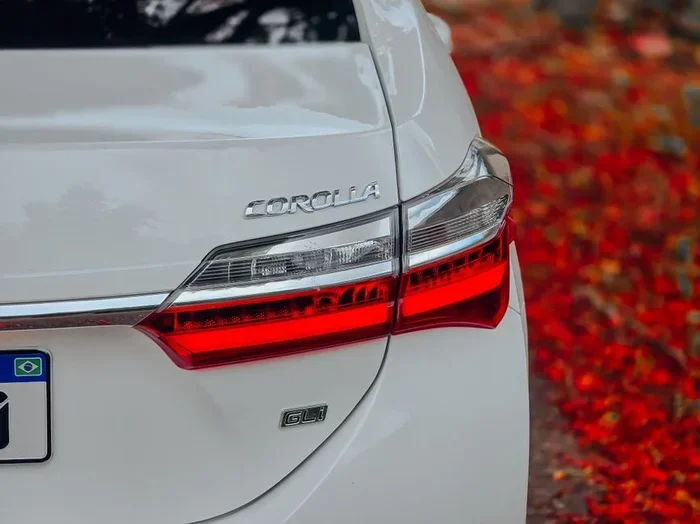
Honda Civic, Toyota Corolla, Mazda3, and Hyundai Elantra are all known for reliability and low maintenance costs. These models regularly appear on lists of the most dependable budget cars. They might not be exciting, but they get you where you need to go without constant repairs.
How can I improve my chances of getting approved for car financing?
Check your credit score first and dispute any errors. Get pre-approved from a credit union before visiting a dealer. Show proof of steady income and employment. A larger down payment, even a small one, significantly improves your approval chances and lowers your interest rate.