The Ultimate Guide to Stout Beer and What Makes It Special
Stout beer is a rich, dark craft beer loved for its bold flavors and smooth texture. This guide covers everything from the history of stout to the best types, including imperial stout, oatmeal stout, and nitro stout. You will learn how stout is brewed, what it tastes like, and how to pick the perfect glass for any occasion.
Key Takeaways
- Stout beer is a dark, rich style made with roasted malt, giving it deep flavors of coffee, chocolate, and caramel.
- There are many types of stout, including imperial stout, oatmeal stout, milk stout, and dry stout, each with unique traits.
- The brewing process sets stout apart from other dark beers, especially through the use of roasted barley and specific yeast strains.
- Stout pairs well with many foods, from grilled meats to desserts like chocolate cake and ice cream.
- Serving temperature matters for unlocking the full flavor profile of any stout beer.
- Nitro stout and barrel-aged stout offer unique textures and flavors that every beer lover should try at least once.
📑 Table of Contents
- What Is Stout Beer and Why Does It Stand Out?
- The Rich History of Stout Beer
- Types of Stout: A Closer Look
- What Makes Stout Beer Different from Other Dark Beers?
- How Stout Is Brewed: The Brewing Process
- Stout Flavor Profile: What Does Stout Taste Like?
- Best Stout Beers to Try
- How to Serve and Enjoy Stout
- Stout Pairing Ideas
- Stout Calories and Nutrition
- Common Mistakes People Make with Stout
- Expert Insights on Stout Beer
- Quick Tips for Stout Lovers
- Conclusion
What Is Stout Beer and Why Does It Stand Out?
If you have ever walked into a pub and felt drawn to the dark, creamy glass sitting on the back bar, you have already encountered stout beer. Stout is a type of dark beer known for its rich, full body and deep, complex flavors. It stands out among beer styles because of its use of roasted malt, which gives it notes of coffee, chocolate, and caramel.
Many people confuse stout with porter, but they are related yet distinct dark beer styles. Porter came first, and stout evolved from it. Today, stout beer is one of the most beloved categories in the craft beer world. Whether you prefer a light, smooth milk stout or a bold imperial stout, there is a style for every palate.
The beauty of stout lies in its versatility. It can be light and drinkable or heavy and warming, depending on how it is brewed. This guide will walk you through everything you need to know about this remarkable beer style.
The Rich History of Stout Beer
The story of stout begins in England in the 1700s. The word “stout” originally meant strong or bold, and it was used to describe a stronger version of porter. By the 1800s, stout beer had earned its own identity as a distinct style.
How Stout Evolved Over Centuries
Early stouts were brewed with roasted barley, which gave them their dark color and slightly bitter taste. As brewing techniques improved, brewers began experimenting with different grains and ingredients. This led to the creation of many sub-styles we enjoy today.
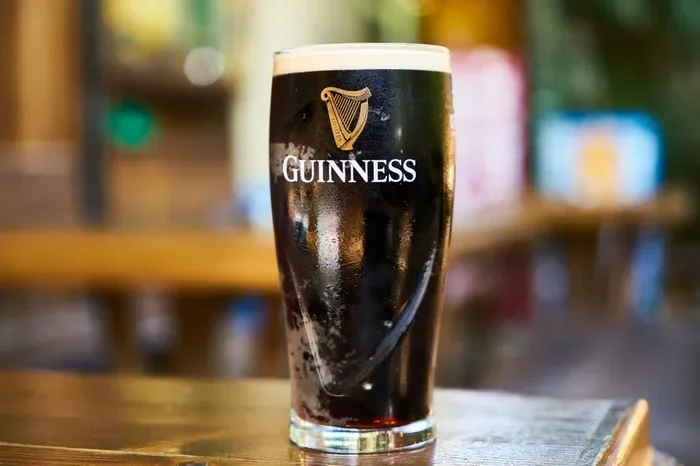
In Ireland, stout became a cultural icon. Brands like Guinness turned stout beer into a global phenomenon. Today, craft brewers around the world continue to push the boundaries of what stout can be.
Types of Stout: A Closer Look
Not all stouts are the same. The stout beer family includes several distinct styles, each with its own character and charm. Here is a breakdown of the most popular types.
Dry Stout
Dry stout is the classic Irish style. It is light to medium in body, with a dry finish and roasted coffee notes. Guinness Extra Stout is the most famous example. If you are new to dark beer, dry stout is a great place to start.
Imperial Stout
Imperial stout is a bigger, bolder version of traditional stout. It has a higher alcohol content, often above 8%. These beers are rich, complex, and full of flavor. They often taste like dark fruit, chocolate, and molasses. Barrel-aged stout versions take this even further by adding depth from oak barrels.
Oatmeal Stout
Oatmeal stout uses oats in the brewing process, which creates a silky, smooth mouthfeel. It has a mild roasted flavor that is easy to drink. This style is perfect for those who find other dark beers too intense.
Milk Stout
Milk stout, also called sweet stout, includes lactose, a milk sugar that is not fermented. This leaves a natural sweetness in the final beer. The result is a creamy, dessert-like drink that many people love. Chocolate stout and coffee stout are popular variations of this style.
Nitro Stout
Nitro stout is infused with nitrogen gas instead of carbon dioxide. This creates a creamy, cascading effect when you pour it. The texture is velvety and smooth, almost like a dessert. Guinness Nitro is the most well-known example of nitro stout.
What Makes Stout Beer Different from Other Dark Beers?
You might wonder what sets stout beer apart from other dark beer styles. The answer lies in the ingredients and the brewing process.
Stout gets its dark color from roasted malt or roasted barley. These grains are heated at high temperatures, which creates the deep brown and black colors. They also produce the flavors of coffee, toast, and chocolate that define stout.
The yeast used in brewing also plays a big role. Many stouts use ale yeast, which ferments at warmer temperatures and produces fruity esters. This adds layers of complexity to the flavor profile of the beer.
Compared to lighter lagers or wheat beers, stout has a much fuller body and richer taste. It is also typically higher in alcohol, though not always. The stout alcohol content can range from about 4% in a dry stout to over 12% in an imperial stout.
The Role of Roasted Barley
Roasted barley is the key ingredient that gives stout its signature look and taste. Unlike other grains, roasted barley is not malted before roasting. This means it keeps its dark color and intense, slightly burnt flavor. It also adds a dry, coffee-like bitterness that balances the sweetness of the malt.
How Stout Is Brewed: The Brewing Process
Brewing a great stout beer takes skill and patience. The brewing process for stout shares some steps with other beer styles, but the details make all the difference.
First, the brewer mashes malted barley at specific temperatures to extract sugars. Then, roasted barley is added to create color and flavor. The wort is boiled with hops, and yeast is added to begin fermentation.
For imperial stout and other high-gravity beers, the process is more involved. These beers use more malt, which means more sugar for the yeast to convert into alcohol. The fermentation takes longer, and the aging process can last weeks or even months.
Barrel-aged stout takes this a step further. After fermentation, the beer is placed in oak barrels, often previously used for bourbon or wine. This adds flavors of vanilla, oak, and sometimes fruit. The result is a complex, layered beer that is truly special.
Stout Flavor Profile: What Does Stout Taste Like?
The stout flavor profile is one of the main reasons people fall in love with this beer style. Depending on the type, stout can taste like dark chocolate, espresso, caramel, or even burnt toast.
Dry stout tends to be bitter and coffee-like, with a clean finish. Milk stout is sweeter and creamier, with hints of lactose and chocolate. Imperial stout is bold and intense, with layers of dark fruit, molasses, and spice.
Each sip of stout beer tells a story. The roastiness, the sweetness, the bitterness, and the body all work together to create a drinking experience that is hard to match.
Best Stout Beers to Try
If you want to explore the world of stout, here are some excellent stout beers to start with:
- Guinness Draught – The classic dry stout that started it all. Smooth, light, and endlessly drinkable.
- Founders Breakfast Stout – A beloved imperial stout with coffee and chocolate flavors.
- Left Hand Milk Stout – A creamy, sweet stout that is easy to love.
- Russian Imperial Stout by various craft breweries – Bold and complex, perfect for sipping slowly.
- Young’s Double Chocolate Stout – A rich, chocolate-forward stout from England.
How to Serve and Enjoy Stout
Serving stout the right way makes a huge difference in taste and experience. Here are some simple tips to get the most out of every glass.
Serving Temperature
Serve stout at around 45 to 55 degrees Fahrenheit. This is slightly warmer than most lagers. A warmer temperature allows the complex flavors to open up and shine through. If your stout is too cold, you will miss out on many of the subtle notes.
Glassware
A tulip glass or a nonic pint glass works well for stout. These glasses help trap the aroma and showcase the creamy head. For nitro stout, a tulip glass is ideal because it supports the dense, frothy head.
Pouring Tips
Pour your stout slowly at a 45-degree angle. Let it settle, then finish the pour straight up. This creates a thick, creamy head that is a joy to look at and drink.
Stout Pairing Ideas
Stout pairing is one of the great pleasures of beer drinking. The rich, roasted flavors of stout complement a wide range of foods.
- Grilled meats – The smoky flavors pair well with the roastiness of stout.
- Chocolate desserts – Chocolate cake, brownies, and chocolate mousse are natural matches.
- Cheese – Aged cheddar, gouda, and blue cheese all work beautifully with stout.
- Smoked foods – Brisket, ribs, and smoked sausages bring out the coffee notes in stout.
Stout Calories and Nutrition
If you are watching your intake, it helps to know the stout calories in your glass. A typical dry stout has about 120 to 150 calories per 12-ounce serving. Imperial stout can be higher, sometimes exceeding 250 calories per serving due to its higher alcohol and sugar content.
Stout also contains some nutrients from the roasted grains, including B vitamins and antioxidants. Of course, you should always drink responsibly and in moderation.
Common Mistakes People Make with Stout
Even experienced beer drinkers sometimes make mistakes when it comes to stout. Here are a few to avoid.
- Serving stout too cold. This numbs the flavors and makes the beer taste flat. Always let it warm up a bit before drinking.
- Assuming all stout is heavy. Some stouts, like dry stout, are light and refreshing. Do not judge the whole category by one bad experience.
- Drinking stale stout. Stout is best fresh, especially hoppy or coffee-forward versions. Check the date before you buy.
- Ignoring the head. The creamy head on a stout is part of the experience. Pour carefully and enjoy it.
Expert Insights on Stout Beer
We spoke with several craft brewers about what makes stout so special. According to industry experts, the key to a great stout is balance. The roast, the sweetness, the bitterness, and the body all need to work together in harmony.
One brewer noted that oatmeal stout has become increasingly popular because it offers a smooth, approachable entry point for new drinkers. Another said that barrel-aged stout is the future of the style, with more breweries experimenting with different types of barrels and aging techniques.
What is clear is that stout continues to evolve. New stout beer variations appear every year, pushing the boundaries of flavor and creativity.
Quick Tips for Stout Lovers
- Always check the freshness date when buying bottled or canned stout.
- Store stout in a cool, dark place away from direct light.
- Try a flight of different stouts at your local craft beer bar to explore the range.
- Use a beer journal to track the stouts you try and what you think of each one.
- Share a stout with friends. It is a social beer that brings people together.
Conclusion
Stout beer is more than just a dark drink. It is a rich tradition, a creative canvas for brewers, and a deeply satisfying experience for anyone who loves bold flavors. From the classic dry stout to the bold imperial stout, there is a world of stout beer waiting to be explored.
Whether you are a longtime stout fan or just curious about dark beer, now is the perfect time to dive in. Try a new style, visit a local brewery, or simply pour a glass and savor the moment. The world of stout is welcoming, diverse, and full of surprises.
So grab your favorite glass, pour a slow, steady pint, and enjoy everything that makes stout beer truly special.
Frequently Asked Questions
What is the difference between stout and porter?
Stout and porter are both dark beers, but stout typically uses roasted barley and has a bolder, more roasted flavor. Porter tends to be lighter and more malty. The two styles overlap in some ways, but stout is generally stronger and more full-bodied.
Is stout beer high in alcohol?
It depends on the style. A regular dry stout usually has an alcohol content around 4 to 5 percent. Imperial stout and other strong stouts can range from 8 to 12 percent or even higher. Always check the label for specific stout alcohol content information.
What does stout taste like?
Stout tastes roasted, with flavors of coffee, chocolate, and caramel. The exact taste depends on the style. Dry stout is bitter and coffee-like, while milk stout is sweet and creamy. Imperial stout is bold and complex with layers of dark fruit and spice.
Can I age stout beer at home?
Yes, you can age stout at home, especially imperial stout and barrel-aged varieties. Store the bottles in a cool, dark place for several months to a few years. Over time, the flavors can mellow and develop new complexity. Just make sure the bottles are stored upright and away from light.
What food pairs best with stout?
Stout pairs wonderfully with grilled meats, chocolate desserts, aged cheese, and smoked foods. The roasted flavors in stout complement rich, savory, and sweet dishes. A classic pairing is stout with a chocolate-based dessert like brownies or chocolate cake.
What is nitro stout and why is it creamy?
Nitro stout is infused with nitrogen gas instead of carbon dioxide. This creates tiny bubbles that give the beer a smooth, creamy, and velvety texture. When you pour a nitro stout, you see a beautiful cascading effect in the glass. Guinness Nitro is the most famous example of this style.
=== CONCLUSION ===
Stout beer is a remarkable and diverse style that offers something for every beer lover. From its rich history to its many modern variations, stout continues to captivate and inspire. Whether you prefer the smoothness of an oatmeal stout, the boldness of an imperial stout, or the creaminess of a nitro stout, there is always something new to discover.
Use this guide as your starting point. Explore different brands, try new styles, and share your experiences with fellow beer lovers. The world of stout beer is waiting for you, and the best glass is the one you pour for yourself.