Subaru Wont Start But Lights Turn On Easy Solutions
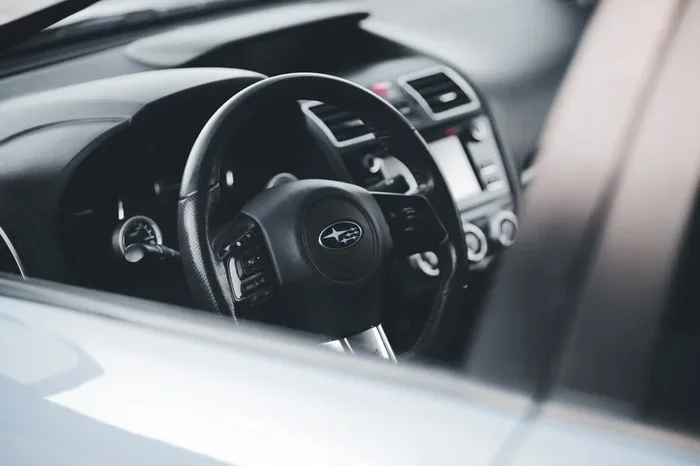
When your Subaru won’t start but lights turn on, the issue is usually electrical, not fuel-related. Common fixes include jump-starting a weak battery, replacing a faulty starter motor, or checking the ignition switch. This guide provides step-by-step solutions to get you back on the road quickly.
Key Takeaways
- Check the battery first: A weak battery is the top cause when lights work but the engine won’t crank.
- Listen for a click: A single click often points to the starter motor or solenoid.
- Try the neutral safety switch: Shifting to neutral can bypass a faulty park/neutral position switch.
- Inspect the ignition switch: Worn switches cause intermittent starting failures.
- Consider the fuel pump: If the engine cranks but won’t start, a dead fuel pump could be the culprit.
- Don’t ignore the immobilizer: A dead key fob battery can trick the system into thinking the wrong key is used.
📑 Table of Contents
- Why Your Subaru Won’t Start But Lights Turn On
- Dead or Weak Battery: The Usual Suspect
- Common Causes Comparison
- Faulty Starter Motor or Solenoid
- Ignition Switch Problems
- Neutral Safety Switch and Gear Position
- Fuel System Issues That Stop Your Engine
- Immobilizer and Security System Glitches
- Common Mistakes to Avoid
- While You Wait for Repairs
- Conclusion
Why Your Subaru Won’t Start But Lights Turn On
So your Subaru cranks but won’t fire up, yet the lights and radio work just fine. That’s a classic sign that your electrical system has power but the engine isn’t getting the signal to start. It’s frustrating, but it’s also a problem with a clear set of likely culprits. The good news? Many of these issues are simple and cheap to fix. You don’t need to be a mechanic to check a few things first.
When the dashboard glows and the interior lights are bright, your battery is alive. That means the problem lies somewhere between the battery and the engine. It could be a weak battery that can’t turn the starter, a bad starter motor, or even a faulty ignition switch. Sometimes it’s as simple as the gear not being in the right position. We’ll walk through each possibility step by step.
Understanding the Electrical System
Your Subaru’s electrical system is like a chain. The battery provides power. The starter motor uses that power to turn the engine. The ignition switch tells the system to start. The neutral safety switch prevents starting in gear. If any link in that chain breaks, you get lights but no start. The dashboard lights and headlights draw very little power, so they work even when the battery is too weak to crank the engine. That’s why the lights turning on doesn’t mean your battery is healthy.
What the Lights Turning On Tells You
The lights turning on tells you one important thing: the battery has enough charge to power the accessories. But it doesn’t tell you the battery can deliver the massive current needed to turn the starter motor. A battery can be 70% charged and still light up your dashboard, yet too weak to start the engine. This is why a simple jump start often works when the battery is the problem. If jump-starting fails, you move on to the starter, ignition, or fuel system.
Dead or Weak Battery: The Usual Suspect
A weak battery causes more “lights on no start” situations than any other part. Batteries die from age, cold weather, and leaving lights on. Even if the lights work, the battery voltage might be too low to power the starter. A healthy battery should read 12.6 volts or higher. Anything below 12.2 volts is suspect.
How to Test Your Battery
You need a multimeter to test your battery accurately. Set it to DC voltage. Touch the red probe to the positive terminal and the black probe to the negative terminal. A reading of 12.6 volts means a full charge. 12.2 volts means about 50% charge. Below 12.0 volts and the battery is too weak to start the engine reliably. If your battery is over three years old, consider replacing it even if the test looks okay. Batteries fail without warning.
Jump-Starting Your Subaru the Right Way
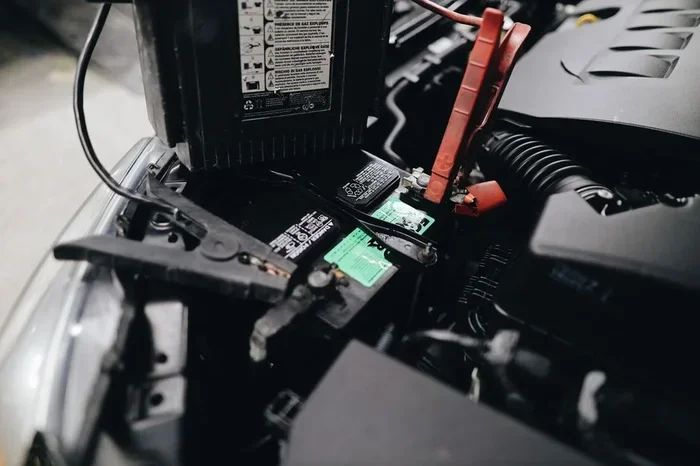
Jump-starting is the fastest way to test if a weak battery is the cause. You’ll need jumper cables and a running vehicle. Connect the red clamp to your dead battery’s positive terminal. Connect the other red clamp to the good battery’s positive terminal. Connect the black clamp to the good battery’s negative terminal. Connect the last black clamp to an unpainted metal surface on your Subaru’s engine block. Start the good car first, then try your Subaru. If it starts, let it run for 15 minutes to recharge the battery.
Quick Tips:
- Never jump-start a battery that is visibly cracked or leaking.
- Keep the jumper cables clamps from touching each other.
- If you don’t have jumper cables, a portable jump starter works great.
Expert Insight: Cold Weather and Batteries
Cold weather is the biggest battery killer. A fully charged battery can freeze at minus 76 degrees Fahrenheit, but a discharged battery can freeze at 32 degrees. If you live in a cold climate, invest in a battery blanket. It keeps the battery warm and ensures enough power for starting. This simple accessory can save you from a winter morning surprise.
Common Causes Comparison
Here’s a quick look at the most frequent reasons your Subaru won’t start but lights turn on.
| Cause | Symptom | Fix |
|---|---|---|
| Weak Battery | Slow crank or no crank, lights dim when turning key | Jump start or replace battery |
| Bad Starter Motor | Single click, no crank, lights stay bright | Replace starter |
| Faulty Ignition Switch | No response when turning key, intermittent starting | Replace ignition switch |
| Neutral Safety Switch | Won’t start in Park, starts in Neutral | Adjust or replace switch |
| Fuel Pump Failure | Engine cranks but won’t fire, no fuel pump hum | Replace fuel pump or filter |
| Immobilizer Glitch | Security light flashes, key fob battery dead | Replace key fob battery or reset system |
Faulty Starter Motor or Solenoid
The starter motor is the electric motor that cranks your engine. It draws a huge amount of current from the battery. If the starter fails, you’ll often hear a single loud click when you turn the key. The lights stay bright because the starter isn’t drawing power. A bad solenoid can also cause this. The solenoid is the small switch on top of the starter that sends power to the motor.
Signs of a Bad Starter
Watch for these signs:
- A single click or repeated clicking when you turn the key.
- The engine doesn’t crank at all, even with a good battery.
- Lights and accessories work normally but the car won’t start.
- A grinding noise when you try to start.
If you hear a grinding noise, the starter gear is worn and needs replacement immediately. Driving with a worn starter can damage the engine’s flywheel. This repair is not urgent but should be done soon to avoid a bigger bill.
Replacing the Starter Motor
Replacing a starter motor is a job for a mechanic unless you have experience. The starter is located on the side of the engine, between the engine and the transmission. It’s held by a few bolts. The hardest part is getting access. A mechanic can replace it in one to two hours. The cost for parts and labor usually runs between $300 and $500 for a Subaru. You can save money by buying the part yourself and paying for labor only.
Ignition Switch Problems
The ignition switch is the cylinder you put the key into. Inside, it has electrical contacts that send power to the starter and fuel system. Over time, these contacts wear out. When they fail, you might turn the key and get nothing. The dashboard lights might flicker or stay on. This is a common issue on older Subarus and some newer models with high mileage.
How the Ignition Switch Works
When you turn the key to the “ON” position, the ignition switch powers the dashboard and fuel pump. When you turn it to “START,” it sends power to the starter motor. When the switch wears, the “START” position might not make contact. You can still have power in the “ON” position, which is why the lights work. The switch simply can’t send power to the starter circuit.
Diagnosing Switch Failure
Wiggle the key while turning it. If the car starts when you jiggle the key, the ignition switch is likely the problem. Also, try turning the steering wheel left and right while turning the key. If the steering lock is binding, it can put pressure on the ignition lock cylinder and prevent turning. This is different from a switch failure but has the same symptom. A mechanic can test the switch with a multimeter to confirm.
Neutral Safety Switch and Gear Position
Modern Subarus have a neutral safety switch that prevents the engine from starting unless the transmission is in Park or Neutral. This is a safety feature. But the switch can fail or get misadjusted. If it thinks you’re in gear when you’re in Park, it won’t allow the starter to engage. The lights will still turn on because they’re on a separate circuit.
Why Your Subaru Won’t Start in Park
If your Subaru won’t start in Park but starts in Neutral, the neutral safety switch is likely the culprit. The switch might be dirty, worn, or misaligned. Sometimes debris around the shifter can prevent the switch from engaging properly. This is a simple fix in many cases. You can try shifting into Neutral and attempting to start. If it starts in Neutral, you know exactly where to look.
The Clutch Interlock Trick
Manual transmission Subarus have a clutch interlock switch. You must press the clutch pedal fully to start the car. If the switch is bad or you didn’t press the clutch hard enough, the car won’t start. The lights will still work. Press the clutch all the way to the floor and try again. If that works, the clutch interlock switch might need adjustment or replacement.
Fuel System Issues That Stop Your Engine
If the engine cranks normally but won’t fire, the problem is likely fuel-related. The battery and starter are doing their job, but no fuel is reaching the cylinders. The fuel pump, fuel filter, or fuel injectors could be at fault. This is different from a “no crank” situation. Here, you’ll hear the engine turning over but it just won’t catch.
Clogged Fuel Filter
The fuel filter sits between the fuel tank and the engine. It catches dirt and rust particles. Over time, it gets clogged and restricts fuel flow. A clogged filter causes the engine to crank slowly or not start at all under load. Subaru recommends replacing the fuel filter every 30,000 to 60,000 miles. If you haven’t changed it recently, this could be your problem. Replacing a fuel filter is inexpensive and easy.
Fuel Pump Failure Signs
The fuel pump sends gasoline from the tank to the engine at high pressure. When it fails, the engine cranks but won’t start because it’s not getting fuel. A failing fuel pump often makes a faint humming noise from the back seat when you turn the key to “ON.” If you don’t hear that hum, the pump might be dead. Other signs include stalling at high speeds and loss of power under acceleration. Fuel pump replacement is more expensive, typically $400 to $800 for a Subaru, but it’s a common repair.
Immobilizer and Security System Glitches
Subarus built after the mid-2000s have an immobilizer system. This system reads a transponder in your key fob to prevent theft. If the system doesn’t recognize the key, it will allow the lights to turn on but prevent the engine from starting. This is a security feature, not a malfunction. But it can be triggered by a dead key fob battery or a glitch in the system.
Key Fob Battery Issues
The key fob battery is small and lasts a few years. When it dies, the transponder can’t send its signal. The car’s computer might not recognize the key. You’ll see a flashing security light on the dashboard. Try replacing the battery in your key fob with a fresh CR2032 coin cell. This is a five-minute fix that costs about $5. After replacing the battery, hold the fob close to the start button and try again.
Resetting the Immobilizer
Sometimes the immobilizer gets confused. You can try resetting it by turning the key to the “ON” position (not start) and waiting 10 minutes. Then turn it off, wait 5 seconds, and try starting again. This gives the system time to re-sync. If the security light stays on solid, there might be a deeper issue with the antenna ring around the ignition lock or the key itself. A dealer can reprogram the key if needed.
Common Mistakes to Avoid
When your car won’t start, it’s easy to make a few bad decisions. Avoid these common mistakes:
- Don’t keep turning the key repeatedly. This drains the battery further and can overheat the starter motor.
- Don’t ignore the flashing security light. A flashing immobilizer light means the system is blocking the start. A dead key fob battery is the usual cause.
- Don’t assume it’s the fuel pump. Many people jump to the fuel pump conclusion. Always check the battery and starter first.
- Don’t try to push-start a modern Subaru. Push-starting can damage the catalytic converter and the immobilizer system on newer models.
While You Wait for Repairs
Dealing with a car that won’t start can be stressful. While you wait for a tow or a mechanic, why not use the time to improve your daily environment? A calming workspace can help you think clearly and reduce frustration. Our guide on where to put a plant on your desk can help you create a soothing spot that boosts your mood. Even a small green friend can make a big difference when you’re stuck at home.
Keeping your desk organized also helps you stay focused. If you’re working from home while your Subaru is in the shop, check out our tips on what to put on a study desk for smart storage and productivity ideas. A clutter-free surface helps your mind stay clear, which is exactly what you need when solving car problems.
Don’t worry if your workspace doesn’t get much natural light. Many plants thrive without direct sun. See our list of good desk plants that don’t need sunlight for easy options that stay green even in a dim office. They’ll purify the air and keep you company while you wait for your Subaru to be fixed.
Conclusion
A Subaru won’t start but lights turn on is a common and often fixable problem. Start with the simplest explanations: the battery, the gear position, or the key fob. Work your way through the starter, ignition switch, and fuel system if those don’t solve it. Use the comparison table above to match your symptoms to the likely cause. Most of the time, the fix is quick and inexpensive. You’ll be back on the road with your Subaru running strong. Remember to stay calm, follow the steps, and don’t hesitate to call a professional if you’re unsure. A little patience goes a long way.
Frequently Asked Questions
Can a weak battery cause lights to work but no start?
Yes, absolutely. The lights and dashboard draw very little power, so they work even when the battery is too weak to crank the starter motor. A jump start or battery replacement usually fixes this.
What does it mean if I hear a single click but the engine won’t crank?
A single click usually points to the starter motor or solenoid. The starter isn’t engaging, even though the battery has enough power for the lights. This is a common sign of a worn starter or a faulty solenoid.
Why won’t my Subaru start in Park but starts in Neutral?
This is a classic symptom of a bad neutral safety switch. The switch tells the car it’s in Park, but it’s actually not making proper contact. Shifting to Neutral bypasses the switch and lets the starter engage.
How do I know if my fuel pump is dead?
Listen for a faint humming sound from the back seat when you turn the key to ON. If you don’t hear it, the fuel pump might not be working. Also, if the engine cranks but won’t fire, a dead fuel pump is a likely cause.
Can a dead key fob battery prevent my Subaru from starting?
Yes, modern Subarus use a transponder in the key fob. If the battery is dead, the car’s immobilizer won’t recognize the key. The lights will turn on, but the engine won’t start. Replace the key fob battery to fix this.
Is it safe to keep trying to start my Subaru if it won’t turn over?
Repeatedly trying to start can drain the battery further and overheat the starter motor. Wait at least 10 seconds between attempts. If it doesn’t start after a few tries, check the battery or call for help.