Why Your VW Check Engine Light Turns On After Oil Change
A VW check engine light after oil change is more common than most owners think. Often, the culprit is something simple like a loose oil cap or a sensor that needs resetting. This guide walks you through every possible cause, DIY fix, and warning sign so you can handle the situation with confidence.
You just finished an oil change on your VW. You feel good about keeping your car in shape. Then you turn the key and see that dreaded orange glow on the dashboard. The check engine light is on. Your heart drops.
Here is the good news. In most cases, a VW check engine light after oil change is not a sign of serious engine damage. It is usually something minor and easy to fix. Maybe the oil cap is loose. Maybe a sensor needs a reset. Either way, you do not need to panic.
This article breaks down every reason this happens. It also gives you clear steps to diagnose and fix the problem. Whether you are a DIY enthusiast or a first-time car owner, you will find practical advice here.
Key Takeaways
- Loose Oil Cap: The most frequent reason your VW check engine light appears after an oil change.
- Sensor Reset Needed: The oil level sensor may need recalibration after fresh oil is added.
- Vacuum Leak Risk: Disconnected hoses during service can trigger the engine light.
- DIY Diagnostics: An OBD-II scanner helps you identify the exact trouble code at home.
- Know When to Seek Help: Flashing lights or performance issues mean immediate professional attention.
- Prevention Tips: Simple habits after every oil change can keep the warning light off.
📑 Table of Contents
- Why Does the Check Engine Light Come On After an Oil Change?
- Common Diagnostic Trouble Codes After an Oil Change
- How to Diagnose the Problem Yourself
- Step-by-Step Fixes for VW Check Engine Light Issues
- When Should You See a Professional Mechanic?
- Preventing the Check Engine Light After Future Oil Changes
- Expert Insights
- Final Thoughts
Why Does the Check Engine Light Come On After an Oil Change?
Your VW is a complex machine. It relies on dozens of sensors working together. When something even slightly off happens during an oil change, the car’s computer notices. It stores a trouble code and lights up the dashboard.
The check engine light is part of your vehicle’s onboard diagnostics system. It monitors engine performance, emission systems, and various sensors. When it detects something outside normal range, it alerts you. After an oil change, several things can trip this system.
Understanding the VW dashboard warning system helps you respond calmly. Most of the time, the fix takes minutes, not hours. Let us look at the specific causes next.
The Oil Cap Is Loose or Missing
This is the number one cause. During an oil change, mechanics remove the oil filler cap. Sometimes they forget to tighten it properly. Other times, the cap gets bumped and loosens on its own.
A loose oil cap breaks the seal of the crankcase ventilation system. This causes a small vacuum leak. Your VW’s computer detects this leak and triggers the check engine light. It is a simple fix, but it can cause a lot of worry.
The Oil Level Sensor Needs Recalibration
Modern VW vehicles have electronic oil level sensors. These sensors measure the oil amount inside the oil pan. When you drain old oil and add new oil, the reading changes.
The car’s computer sometimes needs a reset to recognize the new oil level. If it does not reset automatically, it may display a low oil level warning or trigger the check engine light. This is especially common in VW models with oil level sensors that require a specific reset procedure.
A Sensor Was Disconnected During Service
During an oil change, the technician may need to access areas near other sensors. The mass airflow sensor, the oxygen sensor, or vacuum hoses could get bumped or briefly disconnected.
Even a brief disconnection can leave your car’s computer confused. It stores a diagnostic trouble code and keeps the light on until the code is cleared or the issue is resolved.
Oil Was Overfilled or Underfilled
Getting the oil level just right matters. Too much oil can cause pressure problems and foaming. Too little oil means inadequate lubrication. Both scenarios can trigger the engine fault light on your dashboard.
Overfilling is especially problematic because excess oil can reach the crankshaft and create foam. This reduces oil pressure and can affect engine performance sensors.
The Wrong Oil Was Used
VW vehicles often require specific oil grades. Using the wrong viscosity or specification can affect how the engine runs. The engine performance sensors may detect irregular combustion or pressure levels.
Always check your owner manual or consult your VW dealer about the correct oil specification for your model. Using the right oil prevents many issues, including unexpected warning lights.
Common Diagnostic Trouble Codes After an Oil Change
When the check engine light comes on, a professional mechanic or a DIY enthusiast can plug in an OBD-II scanner. The scanner reads the stored diagnostic trouble code. These codes give clues about what went wrong.
Here are the most common codes you might see after an oil change on a VW:
- P0456: Evaporative Emission System Leak Detected (small leak, often from a loose oil cap).
- P0521: Oil Pressure Sensor Range Performance (related to oil level or pressure issues).
- P0171: System Too Lean (can indicate a vacuum leak caused by disconnected hoses).
- P0420: Catalyst System Efficiency Below Threshold (rare after oil change but possible if sensors were disturbed).
- P0442: Evaporative Emission Control System Leak Detected (small leak in the fuel/oil system).
These codes sound scary. But most of them point to simple fixes. A loose oil cap alone can trigger P0456 or P0442. Do not jump to conclusions. Read the code carefully and check the obvious things first.
How to Diagnose the Problem Yourself
You do not need to be a mechanic to figure out what is going on. A few simple steps can help you identify the cause of the VW check engine light after oil change.
Step 1: Check the Oil Cap
Open the hood and locate the oil filler cap. Twist it counterclockwise and then tighten it clockwise until it clicks. Listen for the click. This confirms a proper seal.
After tightening, drive the car for a few miles. Watch the dashboard. If the light goes off, the loose cap was the problem. This is the easiest and most common fix.
Step 2: Inspect the Oil Level
Pull out the dipstick and check the oil level. It should be between the minimum and maximum marks. If the level is too low, you may need to add a small amount of oil.
If the level is too high, you will need to drain some oil. Overfilling can cause serious engine problems over time, so address this quickly.
Step 3: Look for Disconnected Hoses
Visually inspect the engine bay. Look for any rubber hoses that may have been accidentally pulled loose during the oil change. Pay attention to hoses near the intake manifold and the valve cover.
If you find a disconnected hose, reconnect it firmly. Spray a small amount of WD-40 on the connection to help create a better seal if needed.
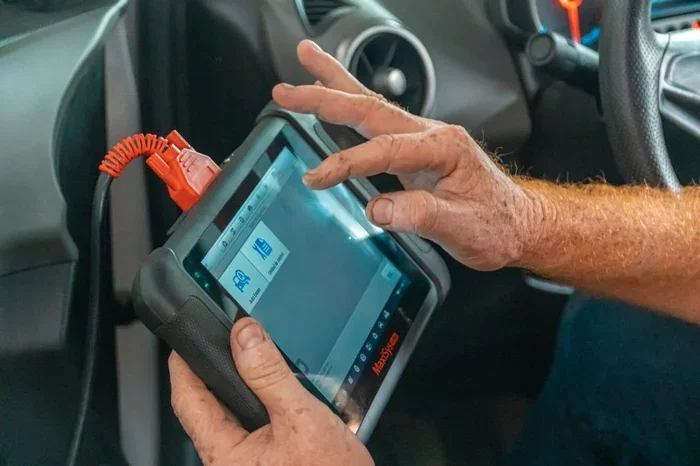
Step 4: Use an OBD-II Scanner
An OBD-II scanner is a small device that plugs into your VW’s diagnostic port. The port is usually located under the dashboard on the driver side.
Plug in the scanner and read the codes. Write them down. Search for each code online or in a repair manual specific to your VW model. This gives you a clear picture of what needs fixing.
You can buy a basic OBD-II scanner for under $30 at most auto parts stores. Some scanners even connect to your phone via Bluetooth, making diagnostics easier than ever.
Step-by-Step Fixes for VW Check Engine Light Issues
Once you have identified the cause, fixing the problem is usually straightforward. Here is a step-by-step guide for the most common scenarios.
Fix 1: Tighten or Replace the Oil Cap
If the oil cap was loose, tightening it often resolves the issue immediately. If the cap is damaged, cracked, or the seal is worn, replace it. Oil caps are inexpensive and easy to find.
Make sure you get the correct cap for your specific VW model. The thread size and seal type vary between engines.
Fix 2: Reset the Oil Level Sensor
Some VW models require a manual reset of the oil level sensor after an oil change. The procedure varies by model year and engine type.
For many VW vehicles, you can reset the oil level through the instrument cluster display. Navigate to the service menu and select the oil reset option. Refer to your owner manual for the exact steps.
Fix 3: Clear the Diagnostic Trouble Codes
After fixing the root cause, use your OBD-II scanner to clear the stored codes. This resets the check engine light.
Drive the car for 50 to 100 miles after clearing the codes. The computer runs a series of self-tests during this time. If no new issues are detected, the light should stay off.
Fix 4: Add or Drain Oil to Correct Level
If the oil level is off, address it immediately. Add oil slowly in small increments. Check the dipstick after each addition.
If you overfilled the oil, you will need to drain the excess. A suction pump works well for this. Always stick to the recommended oil capacity listed in your owner manual.
Fix 5: Reconnect or Replace Disconnected Sensors
If you found a disconnected sensor or hose, reconnect it securely. Clean the connection point with a dry cloth before reattaching.
If a sensor is damaged, replacement is necessary. Most sensors are affordable and relatively easy to install. However, if you are not comfortable doing it yourself, a quick visit to a mechanic will handle it.
When Should You See a Professional Mechanic?
Most causes of a VW check engine light after oil change are simple and fixable at home. However, there are situations where professional help is the right call.
You should see a mechanic if:
- The check engine light is flashing instead of staying solid. A flashing light often indicates a serious engine misfire that can damage the catalytic converter.
- You notice a significant drop in engine performance. Rough idling, hesitation, or power loss are red flags.
- The oil pressure warning light also comes on. This could indicate low oil pressure, which is dangerous for the engine.
- The light stays on after you have tried all the DIY fixes. A deeper issue may be present.
- You smell burning oil or see smoke under the hood. Stop driving immediately and call for roadside assistance.
A professional mechanic has access to advanced diagnostic tools and factory-level repair information. For complex issues, their expertise saves time and money in the long run.
Preventing the Check Engine Light After Future Oil Changes
The best way to deal with this issue is to prevent it from happening again. Here are some simple habits that make a big difference.
Double-Check the Oil Cap
After every oil change, physically check the oil cap. Make sure it is tight and the seal is in good condition. This one habit prevents the most common cause of the check engine light.
Use the Correct Oil
Always use the oil specification recommended by VW for your specific engine. Check the owner manual or ask your service advisor. Using the right oil keeps all sensors and systems running smoothly.
Monitor the Oil Level Regularly
Get into the habit of checking your oil level between oil changes. A quick glance at the dipstick every two weeks can catch low oil issues early.
Keep Your OBD-II Scanner Handy
Having a scanner at home gives you peace of mind. If a light comes on, you can read the code immediately and decide whether it is something you can fix yourself or if you need professional help.
Stay on Top of VW Maintenance Schedules
Regular maintenance keeps your VW running at its best. Follow the service intervals recommended in your owner manual. Address small issues before they become big problems.
For more information on maintaining your vehicle’s lighting and electrical systems, check out this guide on ambient lighting solutions for better visibility in your workspace or garage.
Expert Insights
Automotive technicians who specialize in VW vehicles see this issue regularly. According to experienced VW specialists, the vast majority of check engine lights after oil changes come down to three things: a loose oil cap, an oil level sensor reset, or a minor vacuum leak.
One master technician shared this insight: “I tell every customer to tighten that oil cap twice after an oil change. It sounds too simple, but it solves the problem 80% of the time.”
The key takeaway is that you should not ignore the light, but you also should not panic. A calm, systematic approach to diagnosis almost always leads to a quick and easy fix.
If you are curious about how different types of lighting can affect your workspace while working on cars, this article on choosing the right light bulb for your desk lamp offers helpful tips on visibility and eye comfort.
Final Thoughts
Seeing the VW check engine light after oil change can feel overwhelming. But armed with the right knowledge, you can handle it like a pro. The cause is usually something simple and fixable in minutes.
Start with the basics. Check the oil cap. Verify the oil level. Look for disconnected hoses. Use an OBD-II scanner if needed. These steps solve the problem most of the time.
Remember that your VW’s check engine light is a helpful tool, not something to fear. It is designed to alert you to potential issues before they become serious problems. Listening to what it tells you keeps your car running strong for years to come.
If you are interested in exploring how desk lamps can double as grow lights for indoor plants, this guide on using a desk lamp as a grow light provides useful insights on light spectrum and intensity.
Stay proactive with your VW maintenance. Keep your oil at the right level, use the correct oil grade, and never ignore warning lights. Your car will reward you with reliable performance and a long lifespan.
Frequently Asked Questions
Why did my VW check engine light come on right after an oil change?
The most common reason is a loose oil cap. When the cap is not tightened properly, it creates a small vacuum leak that the car’s computer detects. This triggers the check engine light. Another frequent cause is the oil level sensor needing a reset after new oil is added. Both issues are easy to fix at home.
Is it safe to drive my VW with the check engine light on after an oil change?
In most cases, yes. If the light is solid and not flashing, and your car drives normally, it is generally safe to drive a short distance. However, you should address the issue promptly. A flashing check engine light is a different story and means you should stop driving and seek immediate help.
How do I reset the check engine light on a VW after fixing the problem?
Use an OBD-II scanner to clear the diagnostic trouble codes. Plug the scanner into the diagnostic port under your dashboard, read and note the codes, then select the clear function. After clearing, drive for 50 to 100 miles to let the computer run its self-tests. If no new issues are detected, the light will stay off.
Can using the wrong oil cause the check engine light to come on?
Yes, it can. VW vehicles require specific oil grades and specifications. Using oil that is too thick, too thin, or does not meet VW standards can affect engine performance and trigger sensors. Always check your owner manual for the correct oil specification before an oil change.
How much does it cost to fix a check engine light after an oil change?
Often, it costs nothing if the cause is a loose oil cap or a simple reset. If you need to replace an oil cap, expect to pay between $5 and $20. If a sensor needs replacement, costs can range from $50 to $200 depending on the part and labor. Using an OBD-II scanner at home can save you diagnostic fees at the shop.
Will the check engine light go away on its own after an oil change?
Sometimes it does, especially if the issue was a minor vacuum leak that sealed itself after a few drive cycles. However, you should not wait for it to go away on its own. Always investigate the cause to make sure there is no real problem. Ignoring the light can lead to bigger issues over time.
=== CONCLUSION ===
A VW check engine light after oil change is a common and usually harmless situation. The causes range from a loose oil cap to a sensor that needs recalibration. With the steps outlined in this guide, you can diagnose and fix most issues yourself in under an hour.
Stay calm, check the basics, and use the right tools. Your VW will be back to running smoothly in no time. Regular maintenance and attention to small warning signs keep your vehicle healthy for the long haul.
For further reading on vehicle maintenance and home workspace setups, explore more articles on Prime Home Picks for helpful tips and expert advice.