What Color Is Iridium The Rare Metal Everyone Wonders About
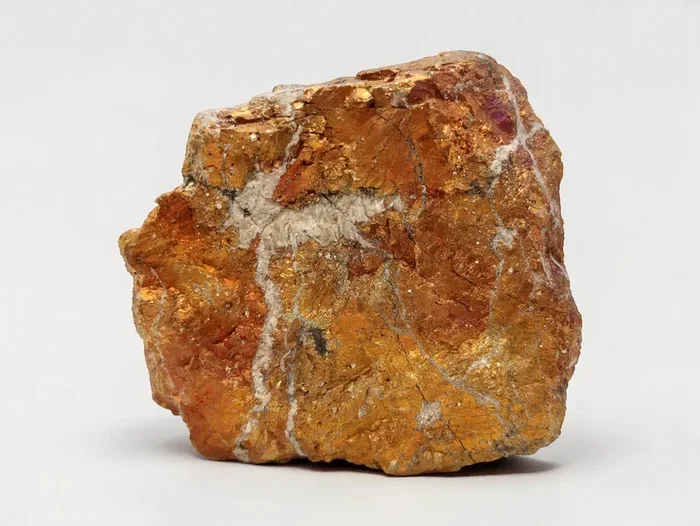
Iridium is a silvery-white metal that belongs to the platinum group. It is one of the rarest elements on Earth and has a brilliant metallic luster. This guide covers everything about its color, properties, and uses.
Iridium is a metal that sparks curiosity. When most people think about rare metals, gold and silver come to mind first. But iridium holds a special place in the world of chemistry and materials science. One of the first questions people ask is: what color is iridium? The answer might surprise you. This silvery-white metal shines brightly and resists tarnishing like few other elements can.
In this guide, we will explore the color of iridium in detail. We will look at what gives it its unique appearance, how it compares to other metals, and why it matters in everyday life. Whether you are a student, a collector, or simply curious, this article has everything you need. If you enjoy learning about metals and materials, you might also like reading about a good desk plant to keep on your workspace while you study metals and chemistry.
Key Takeaways
- Iridium’s natural color is silvery-white with a brilliant metallic sheen that resembles polished platinum.
- It is extremely rare, making up only a tiny fraction of Earth’s crust, which adds to its mystique.
- Iridium is highly corrosion-resistant, meaning its color and finish remain pristine even under harsh conditions.
- The metal has a very high melting point, which affects how it is processed and used in industry.
- Iridium is used in electronics, aerospace, and jewelry due to its unique physical and visual properties.
- Its color can be enhanced or altered through polishing, alloying, and surface treatments.
- Iridium sparkles similarly to other precious metals but stands out for its exceptional durability.
📑 Table of Contents
What Color Is Iridium?
The natural color of iridium is silvery-white with a bright metallic luster. When you first see a fresh piece of iridium, it looks almost mirror-like. The surface reflects light beautifully, giving it a polished appearance similar to platinum or white gold. This shine is one of the reasons jewelers and manufacturers value iridium highly.
The Metallic Sheen of Iridium
Iridium belongs to the platinum group metals. This group includes ruthenium, rhodium, palladium, osmium, and platinum. All of these metals share a silvery-white appearance. But iridium stands out because of its extreme density and hardness. The way light bounces off iridium gives it a distinctive glow. It is not as warm as gold, and it is not as cool as silver. Instead, it sits right in the middle with a balanced, elegant shine.
If you have ever held a piece of iridium, you know how satisfying it feels. The metal is heavy and dense. Its surface catches light in a way that makes it almost glow from within. This is what makes iridium color so captivating. Even in small amounts, iridium adds a touch of elegance to any alloy or product it is part of.
How Iridium’s Color Changes Over Time
One of the amazing things about iridium is that it does not tarnish easily. Most metals react with oxygen or moisture in the air, causing them to lose their shine. Iridium resists this process. It stays bright and silvery-white for decades, even centuries. This is why iridium is prized in applications where long-lasting appearance matters.
However, iridium can develop a slight dullness if exposed to certain chemicals. Molten salts and strong acids can affect the surface. In everyday conditions, though, the metal holds its color beautifully. If you want to keep iridium looking its best, simply wipe it with a soft cloth. Avoid harsh chemicals, and the silvery finish will last a very long time.
The Physical Properties Behind Iridium’s Appearance
The color of any metal is tied to its physical properties. For iridium, several factors work together to create its signature look. Understanding these properties helps us appreciate why iridium looks the way it does.
Density and Light Reflection
Iridium is one of the densest elements on the periodic table. Its density is about 22.56 grams per cubic centimeter. This extreme density affects how light interacts with the surface. Denser metals tend to reflect light more uniformly, creating a smooth, even shine. Iridium reflects light in all directions, giving it a soft but brilliant glow.
This property is also why iridium feels so heavy in your hand. The density packs more atoms into a smaller space, and those atoms work together to bounce light efficiently. The result is that silvery-white metallic color that makes iridium so visually striking.
Hardness and Surface Finish
Iridium is extremely hard for a precious metal. On the Mohs hardness scale, it rates around 7. This is much harder than gold, which rates around 2.5 to 3. The hardness of iridium means it can be polished to a very smooth finish. A smooth surface reflects light more evenly, which enhances the metal’s color and shine.
When iridium is polished, it looks almost like a mirror. The surface becomes so smooth that light bounces off without scattering. This is what gives high-quality iridium products their brilliant appearance. If you are doing a desk study on metal finishes, iridium is one of the best examples of how hardness contributes to visual appeal.
The Role of Oxidation Resistance
Iridium has an outstanding resistance to oxidation. This means it does not easily react with oxygen, even at high temperatures. Most metals form oxide layers on their surface when exposed to air. These oxide layers can change the color of the metal. Iron turns reddish-brown when it rusts. Copper turns green over time. Iridium does not do this.
Because iridium resists oxidation, its original silvery-white color remains unchanged. This is a huge advantage in industrial and jewelry applications. Products made from iridium maintain their appearance with minimal maintenance. The color stays true, which is rare for a metal that is used in such demanding environments.
Iridium Compared to Other Precious Metals
To truly understand the color of iridium, it helps to compare it with other well-known metals. Each metal has its own unique shade and luster. Iridium holds its own in this comparison.
Iridium vs. Platinum
Platinum and iridium are both platinum group metals. They share a similar silvery-white color. However, there are subtle differences. Platinum has a slightly warmer tone, with a hint of gray. Iridium tends to be brighter and more reflective. When placed side by side, iridium often looks whiter and more mirror-like than platinum.
Both metals are extremely durable and resistant to tarnishing. But iridium is harder and denser. This makes iridium more scratch-resistant, which helps it maintain its polished appearance longer. If you are deciding between the two for a piece of jewelry or a display item, consider that iridium will keep its bright silvery color exceptionally well.
Iridium vs. Silver
Silver is the classic silvery metal that most people picture. But silver tarnishes quickly when exposed to air. It develops a dark layer of silver sulfide on the surface. Iridium, on the other hand, does not tarnish at all under normal conditions. The color of iridium stays bright and clean, while silver requires regular polishing to maintain its shine.
In terms of color, iridium is whiter and more reflective than sterling silver. Silver has a softer, warmer tone. Iridium looks crisper and more modern. This is one reason why iridium is sometimes used in high-end electronics and precision instruments where appearance and performance both matter.
Iridium vs. White Gold
White gold is an alloy, usually made by mixing gold with metals like palladium or nickel. It has a silvery appearance, but it often needs a rhodium plating to look bright. Iridium is naturally white without any plating or coating. Its color comes from the metal itself, not from a surface treatment.
This makes iridium a more honest and low-maintenance option. White gold can chip and reveal the yellow gold underneath over time. Iridium stays white permanently. If you are thinking about what to put on a study desk as a display or reference piece, a small iridium sample is both educational and visually impressive.
Comparison Table: Iridium vs. Other Metals
Here is a quick comparison of how iridium’s color and properties stack up against other popular metals:
- Iridium: Silvery-white, extremely reflective, does not tarnish, very hard and dense.
- Platinum: Silvery-white with a warm gray tone, highly reflective, does not tarnish, very dense.
- Silver: Bright silvery-white, highly reflective when polished, tarnishes easily, relatively soft.
- White Gold: Silvery-white, requires rhodium plating for brightness, can chip over time, moderate hardness.
- Palladium: Silvery-white, similar to platinum, does not tarnish, lighter than platinum and iridium.
As you can see, iridium holds its own among precious metals. Its natural silvery-white color is both beautiful and practical.
Where Iridium Is Found and How It Is Sourced
Iridium is one of the rarest elements in the Earth’s crust. It is found in very small concentrations, usually mixed with other platinum group metals. The primary sources of iridium are South Africa and Russia, where large deposits of platinum ore are mined.
Iridium in Nature
In nature, iridium is rarely found in its pure form. It usually occurs as a minor component of platinum ores. Extracting iridium is a complex process that involves crushing the ore, dissolving it in acids, and then separating the individual metals. Because of this complexity, iridium is extremely expensive.
The rarity of iridium adds to its allure. When you see a piece of pure iridium, you are looking at something truly special. Its brilliant silvery color is a testament to the natural beauty of rare elements. If you are conducting a desk study on rare metals, iridium should be at the top of your list.
Iridium in Alloys
Because pure iridium is so rare and expensive, it is often used in small amounts in alloys. Iridium is added to platinum alloys to increase hardness and durability. These alloys are used in jewelry, watch parts, and electrical contacts. Even a small amount of iridium can enhance the color and strength of the final product.
Iridium alloys often have a brighter, whiter appearance than pure platinum. This makes them popular in high-end jewelry and precision instruments. The metal’s color remains stable even in alloy form, which is a major advantage for manufacturers and consumers alike.
Practical Uses of Iridium Today
Iridium is not just a pretty metal. It has many practical applications that take advantage of its unique properties, including its color and durability.
Iridium in Electronics and Technology
Iridium is used in various electronic components. Its high melting point and corrosion resistance make it ideal for contacts and connectors in harsh environments. The silvery-white color of iridium also makes it visually appealing in exposed electronic parts.
If you are setting up a workspace for studying electronics or materials science, consider placing a good desk plant nearby to improve focus and air quality. A well-organized desk with reference materials and samples can make learning more enjoyable and productive.
Iridium in Jewelry and Luxury Goods
Jewelers appreciate iridium for its bright, white color and extreme durability. It is used in high-end rings, bracelets, and cufflinks. Iridium jewelry has a modern, sleek look that appeals to those who want something different from traditional gold or silver.
The metal’s resistance to scratching means that iridium jewelry stays looking new for years. The color does not fade or change, even with daily wear. This makes iridium an excellent choice for people who want lasting beauty in their accessories.
Iridium in Scientific Research
Scientists use iridium in various research applications. Its high density and stability make it useful in precision instruments and laboratory equipment. Iridium electrodes are used in electrochemistry and analytical chemistry.
When researchers sit down at a study desk to analyze data or write reports, they often work with iridium-based instruments. The metal’s reliability and consistency make it a trusted choice in scientific settings around the world.
Fun and Surprising Facts About Iridium
Iridium has some fascinating stories behind it. Here are a few facts that highlight just how remarkable this metal is.
The Name Comes from the Rainbow
Iridium gets its name from the Latin word “iris,” meaning rainbow. This is because the salts of iridium display a range of vivid colors when dissolved in solution. The metal itself is silvery-white, but its compounds can be blue, green, yellow, and red. This colorful chemistry is one of the reasons iridium has fascinated scientists since its discovery in 1803.
Iridium and the Dinosaur Extinction
Iridium is found in unusually high concentrations in the clay layer at the boundary between the Cretaceous and Paleogene periods. This layer is linked to the asteroid impact that wiped out the dinosaurs. The presence of iridium in this layer helped scientists confirm the asteroid impact theory. It is remarkable that a metal known for its silvery-white color also played a role in one of Earth’s greatest mysteries.
The Hardest Working Metal
Iridium is used in spark plugs for high-performance engines. The metal can withstand extreme heat and pressure without degrading. The spark plugs need to maintain a consistent appearance and performance, and iridium delivers on both fronts. Its silvery-white finish stays intact even under the harsh conditions inside an engine.
How to Care for Iridium and Preserve Its Color
If you have iridium jewelry or a sample, keeping it looking its best is easy. The metal is low-maintenance, but a little care goes a long way.
- Clean regularly: Wipe iridium with a soft, lint-free cloth to remove oils and fingerprints.
- Avoid harsh chemicals: Bleach, chlorine, and strong acids can damage the surface finish.
- Store properly: Keep iridium in a soft pouch or lined box to prevent scratches from other items.
- Polish gently: If the shine dulls slightly, use a mild metal polish designed for precious metals.
- Remove during harsh activities: Take off iridium jewelry before swimming, cleaning, or exercising.
Following these simple steps will keep your iridium looking bright and silvery-white for a lifetime. The metal’s natural resistance to tarnishing means it requires far less care than silver or even platinum.
Final Thoughts
The color of iridium is a beautiful silvery-white with a brilliant metallic luster. It is a metal that combines visual elegance with extraordinary durability. Whether you encounter iridium in a piece of jewelry, a scientific instrument, or a spark plug, its appearance is always striking and refined.
Iridium reminds us that the most valuable things are not always the most obvious. Gold and silver get most of the attention, but iridium quietly shines in its own right. Its resistance to tarnish, its incredible density, and its radiant color make it a metal worth knowing about. Next time you are doing research at your study desk, take a moment to appreciate the remarkable properties of this rare and beautiful metal. If you want to explore more about desk accessories and workspace essentials, check out what to put on a study desk for inspiration on creating the perfect learning environment.
Frequently Asked Questions
What is the natural color of iridium?
Iridium is naturally silvery-white with a bright metallic luster. When freshly polished, it has a mirror-like appearance that is both brilliant and elegant. This color remains stable over time because the metal resists tarnishing and oxidation exceptionally well.
Does iridium change color over time?
No, iridium does not change color under normal conditions. It is highly resistant to oxidation and corrosion, which means its silvery-white finish stays bright for decades. Only exposure to strong chemicals or molten salts can affect the surface appearance.
How does iridium’s color compare to platinum?
Iridium and platinum both have silvery-white colors, but iridium tends to be brighter and more reflective. Platinum has a slightly warmer, grayer tone, while iridium looks crisper and more mirror-like. Both metals are stunning, but iridium’s higher reflectivity gives it a distinctive edge in appearance.
Can iridium be used in jewelry?
Yes, iridium is used in high-end jewelry because of its bright white color and extreme durability. Iridium rings, bracelets, and cufflinks have a modern, sleek look. The metal does not scratch or tarnish easily, making it an excellent choice for everyday wear.
Why is iridium so rare?
Iridium is one of the rarest elements in the Earth’s crust. It is found in very small concentrations, usually mixed with other platinum group metals in ore deposits. The mining and extraction process is complex, which contributes to its high cost and rarity.
What gives iridium its metallic shine?
Iridium’s metallic shine comes from its high density and smooth, polished surface. The dense arrangement of atoms reflects light uniformly across the surface, creating a brilliant glow. The metal’s hardness also allows it to be polished to an exceptionally smooth finish, enhancing its natural luster.