The Ultimate Guide to Choosing 20 Tint for Your Vehicle
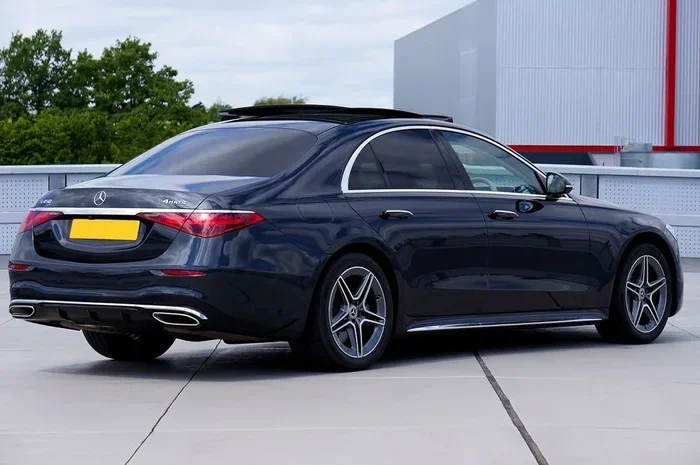
20% tint is one of the most popular choices for vehicle owners who want a balance of style, privacy, and sun protection. This 20 percent tint allows about 20% of light to pass through your windows, giving your car a sleek, darkened look. It offers strong heat rejection and UV protection without going too dark for most states. Whether you drive a sedan, SUV, or truck, 20% window tint can transform your ride. In this guide, we cover everything you need to know before making your choice.
You have probably seen cars on the road with beautifully darkened windows and wondered what kind of tint they have. The answer is often 20% tint, and for good reason. It is one of the most sought-after tint levels for vehicle owners who want style, comfort, and protection all in one package.
But what exactly does 20% tint mean, and is it the right choice for your car? This guide breaks down everything you need to know. From understanding visible light transmission ratings to navigating legal requirements, we have got you covered. By the end, you will feel confident about choosing the best 20 percent tint for your vehicle.
Key Takeaways
- 20% tint blocks about 80% of light: This gives your vehicle a dark, polished appearance while still allowing safe visibility.
- It provides excellent UV and heat protection: Your car interior stays cooler and lasts longer with proper tint.
- Legality varies by state: Always check your local window tint laws before purchasing.
- Multiple film types are available: Dyed, carbon, ceramic, and metalized options each have unique pros and cons.
- Professional installation is recommended: A proper job ensures no bubbles, peeling, or uneven coverage.
- 20% tint is a sweet spot for privacy: It keeps prying eyes out while letting you see out clearly during the day.
📑 Table of Contents
- What Is 20% Tint and Why Is It So Popular?
- Benefits of Choosing 20% Tint for Your Vehicle
- Is 20% Tint Legal? Understanding the Rules
- Types of Window Tint Films Available for 20% Tint
- How to Choose the Best 20% Tint for Your Needs
- Installation Tips and Common Mistakes to Avoid
- Frequently Asked Questions About 20% Tint
- Final Thoughts
What Is 20% Tint and Why Is It So Popular?
When we talk about 20% tint, we are referring to the tint percentage, also known as the VLT rating. VLT stands for Visible Light Transmission. A 20% tint film allows 20% of outside light to pass through your windows and blocks the remaining 80%. This creates a noticeably dark appearance that looks great on any vehicle.
So why do so many people choose this shade? The answer is simple. 20% tint hits a sweet spot. It is dark enough to give your car a premium, sleek look, but not so dark that it becomes unsafe or illegal in most areas. Compared to lighter tints like 35% or 50%, a 20 percent tint offers significantly more privacy and sun protection. Compared to very dark tints like 5%, it still allows enough light for safe driving.
The Science Behind Tint Percentages
Every window tint film has a specific VLT rating printed on it. This number tells you exactly how much light the film lets through. A 5% tint, often called “limo tint,” only lets 5% of light pass. A 70% tint is nearly clear. The 20% tint falls in the medium-to-dark range, which makes it versatile for many different vehicles and climates.
The way tint film works is actually quite simple. The film contains layers that absorb and reflect solar energy. This includes infrared heat, harmful UV rays, and visible light. The darker the film, the more energy it blocks. With 20% window tint, you get a strong level of protection without making your car too dark inside.
Benefits of Choosing 20% Tint for Your Vehicle
There are many reasons why 20% tint is a top choice among car owners. Let us look at the biggest benefits you can expect.
Superior Heat Rejection
One of the best things about 20% tint is its ability to reduce heat inside your car. On a hot summer day, parked cars can reach extreme temperatures. A good quality 20 percent tint film can block up to 70% or more of solar heat. This means your interior stays cooler, and your air conditioning does not have to work as hard.
Over time, this can even improve your fuel efficiency. Your AC system uses less energy when the cabin is already cooler. That is a nice bonus that many people do not think about.
UV Protection for You and Your Car
Harmful UV rays are a serious concern for anyone who spends a lot of time driving. Prolonged exposure to UV radiation can cause skin damage and increase the risk of skin cancer. It can also fade your dashboard, seats, and trim over time.
20% tint blocks a significant amount of UV radiation, often up to 99%. This protects both your skin and your car’s interior. If you have children or pets who ride in the back seat, this added protection is especially valuable. Think of 20% window tint as a health benefit for your whole family.
Enhanced Privacy and Security
Let us be honest. One of the biggest reasons people tint their windows is privacy. With 20% tint, people outside your car cannot easily see what is inside. This is especially helpful when you park in public places or leave valuables in your vehicle.
It also adds a layer of security. If someone breaks a window, the tint film can help hold the glass together. This reduces the risk of injury from flying glass shards. Many auto tint film manufacturers design their products with safety features like this in mind.
Glare Reduction for Safer Driving
Glare from the sun or headlights at night can be dangerous. It strains your eyes and makes it harder to see the road. 20% tint significantly reduces glare, making your driving experience more comfortable and safer. Whether you are on a long road trip or just commuting to work, less glare means less eye fatigue.
Is 20% Tint Legal? Understanding the Rules
Tint laws vary widely from one place to another, and this is something every car owner needs to understand before getting 20% tint installed. The legality of your tint depends on your state, province, or country.
Tint Darkness Laws by Region
In the United States, each state sets its own rules for how dark your tint can be. Some states allow 20% tint on all windows, while others restrict it to the rear and side windows only. For example:
- California: 20% tint is allowed on the back side windows and rear window, but the front side windows must allow more than 70% light.
- Texas: 20% tint is permitted on the rear side windows and rear window, with no restriction on front side windows if the vehicle has outside mirrors.
- Florida: 20% tint is allowed on the rear side windows and rear window. Front side windows must allow more than 28% light.
- New York: 20% tint is allowed on the rear side windows and rear window only. Front side windows must allow more than 70% light.
These are just a few examples. Always check your local car window tint laws before purchasing. Getting pulled over for illegal tint can result in fines and even a requirement to remove the film.
Medical Exemptions
Some states offer medical exemptions for darker tint. If you or a family member has a condition that makes you sensitive to sunlight, you may be able to get a waiver for 20% tint on the front windows as well. Check with your local Department of Motor Vehicles for the application process.
Types of Window Tint Films Available for 20% Tint
Not all tint films are created equal. When you are shopping for 20% tint, you will encounter several different types of film. Each has its own characteristics, advantages, and price point.
Dyed Tint Film
Dyed tint is the most basic and affordable option. It uses multiple layers of dye to absorb heat and light. 20% dyed tint looks great and is budget-friendly, but it has some downsides. Over time, dyed film can fade or bubble, especially with heavy sun exposure. It also offers less heat rejection compared to more advanced options.
Metalized Tint Film
Metalized tint contains tiny metallic particles that reflect heat and add strength to the film. 20% metalized tint is more durable than dyed film and offers better heat rejection. However, the metallic particles can interfere with electronic signals. This means your GPS, phone, or radio might experience interference through tinted windows.
Carbon Tint Film
Carbon film is a popular middle-ground option. It does not contain metal, so it will not interfere with your electronics. 20% carbon tint offers excellent heat rejection and a matte finish that many people find attractive. It is also more fade-resistant than dyed film. Carbon tint tends to cost more than dyed but less than ceramic.
Ceramic Tint Film
Ceramic tint is the premium option. It uses nano-ceramic particles to block heat and UV rays without affecting visibility or electronics. 20% ceramic tint is the most expensive option, but it also provides the best performance. If you want top-tier heat rejection, UV protection, and clarity, ceramic is the way to go.
Comparison Table: Tint Film Types
| Film Type | Heat Rejection | UV Protection | Signal Interference | Durability | Price Range |
|---|---|---|---|---|---|
| Dyed | Moderate | Good | None | Low | $ |
| Metalized | High | Very Good | Yes | High | $$ |
| Carbon | High | Very Good | None | High | $$ |
| Ceramic | Very High | Excellent | None | Very High | $$$ |
How to Choose the Best 20% Tint for Your Needs
Choosing the right 20% tint involves more than just picking the darkest option you can find. Several factors should guide your decision.
Consider Your Climate
Where you live plays a big role in what tint is best for you. If you live in a hot, sunny climate, you will want a 20% tint with strong heat rejection. In this case, ceramic or carbon film is ideal. If you live in a cooler climate, dyed or carbon film may be sufficient and more budget-friendly.
Think About Your Vehicle Type
The type of vehicle you drive also matters. Larger vehicles like SUVs and trucks benefit greatly from 20% window tint because the larger glass area means more heat enters the cabin. Sedans and compact cars also look great with 20% tint, and the smaller glass area can make installation easier and less expensive.
Set a Budget
Tint costs vary based on the film type, the size of your vehicle, and whether you choose professional or DIY installation. On average, 20% tint installation costs between $150 and $400 for a full sedan. Larger vehicles like trucks and SUVs can cost $300 to $600 or more. Remember, investing in quality film now can save you money on cooling costs and interior replacement later.
Check the Warranty
A good tint should come with a warranty. Many reputable brands offer lifetime warranties that cover bubbling, peeling, and fading. Before you commit to a 20 percent tint, ask the installer about the warranty details. This gives you peace of mind and protects your investment.
Installation Tips and Common Mistakes to Avoid
Getting 20% tint installed is not as simple as just sticking a film on your window. Proper installation makes a huge difference in how the tint looks and how long it lasts.
Professional vs. DIY Installation
While DIY tint kits are available and can save you money, professional installation is highly recommended for 20% tint. Darker tints are harder to install because you have less room for error. Bubbles, creases, and misalignment are much more visible on a 20% film than on a lighter tint. A professional installer has the tools, experience, and clean environment needed for a flawless job.
Common Mistakes to Avoid
- Skipping the curing period: After installation, your tint needs time to cure. Avoid rolling down your windows for at least 3 to 5 days. This allows the film to bond properly to the glass.
- Using harsh cleaners: Ammonia-based cleaners can damage your tint, especially during the first few weeks. Use a mild, ammonia-free cleaner instead.
- Choosing the cheapest option: Very cheap tint films tend to fade quickly and may peel within a year or two. Spending a little more on quality film pays off in the long run.
- Ignoring local laws: Never assume your tint is legal. Get it checked against your state’s regulations before you drive around with dark windows.
Quick Tips for Maintaining Your 20% Tint
- Wait at least 3 to 5 days before rolling down your windows after installation.
- Use a soft microfiber cloth to clean your tinted windows.
- Avoid parking in direct sunlight for the first 48 hours after installation.
- Inspect your tint annually for any signs of peeling or bubbling.
- Choose a ceramic or carbon film for maximum longevity and performance.
Frequently Asked Questions About 20% Tint
How dark is 20% tint compared to other tint levels?
20% tint is considered a medium-to-dark shade. It is significantly darker than 35% or 50% tints but much lighter than 5% or 10% tints. Most people find it to be the ideal balance between style, privacy, and safety. It darkens your vehicle’s appearance noticeably without making the interior too dim.
Can I see through 20% tint at night?
Yes, you can see through 20% tint at night, especially if the exterior lighting is good. However, visibility is reduced compared to untinted windows. It is always a good idea to keep your interior lights off at night and use your mirrors effectively. Some people find that 20% tint is slightly challenging in very dark, unlit areas, so keep that in mind.
Does 20% tint make my car cooler?
Absolutely. 20% tint blocks a large portion of solar heat, which keeps your car’s interior significantly cooler. The exact amount of heat reduction depends on the type of film you choose. Ceramic and carbon films offer the best heat rejection rates, while dyed films provide moderate cooling benefits.
Is 20% tint legal on front windows?
This depends entirely on your local laws. In some states, 20% tint is allowed on all windows. In others, it is only legal on the rear side windows and rear window. Always check your state’s window tint laws before getting your front windows tinted with 20% film. Violating tint laws can result in fines and mandatory removal.
How long does 20% tint last?
The lifespan of 20% tint depends on the film quality and how well it is maintained. High-quality ceramic or carbon films can last 10 to 15 years or more. Dyed films typically last 3 to 5 years before showing signs of fading or bubbling. Choosing a reputable brand and professional installer will maximize your tint’s longevity.
How much does 20% tint cost?
The cost of 20% tint varies based on the film type, your vehicle size, and your location. On average, expect to pay between $150 and $600 for full vehicle installation. Ceramic tint will be on the higher end of that range, while dyed tint is the most affordable. Getting quotes from multiple local installers is always a smart move.
Final Thoughts
20% tint is a fantastic choice for anyone looking to upgrade their vehicle’s appearance, comfort, and protection. It offers a perfect blend of style, privacy, and functionality that works for almost any driver. Whether you live in a hot climate and need serious heat rejection, or you simply want your car to look sleek and polished, 20% window tint delivers.
Remember to always check your local tint darkness laws before making a purchase. Choose a film type that fits your budget and needs, and invest in professional installation for the best results. With the right 20% tint, your vehicle will look better, stay cooler, and enjoy long-lasting protection from the sun’s harmful rays.
Now that you have all the information you need, it is time to make your choice. Pick a trusted local installer, explore your film options, and enjoy the benefits of a beautifully tinted vehicle. Your car, your comfort, and your peace of mind will all thank you.