Car Window Tint % Chart
A car window tint % chart shows you the exact darkness level of window film, measured by visible light transmission (VLT). Understanding tint percentages helps you pick the right shade for comfort, privacy, and legal compliance. This guide breaks down every tint level so you can make a confident choice for your car.
Have you ever looked at a car window tint % chart and felt completely lost? You are not alone. Tint percentages can seem confusing at first. But once you understand the basics, everything clicks into place. This guide will walk you through every number, every shade, and every rule you need to know.
Whether you want to reduce glare, block UV rays, or simply add a sleek look to your ride, knowing your tint percentages is essential. A window tint percentage chart is your best starting point. It tells you exactly how much light passes through your car windows after tinting. Let us break it all down in simple terms.
Key Takeaways
- Tint Percentage Matters: The lower the VLT number, the darker the tint on your car windows.
- Legal Limits Vary: Each state has different rules for how dark your tint can be.
- Different Levels Serve Different Purposes: Lighter tints offer UV protection, while darker tints give more privacy.
- Quality Film Makes a Difference: Cheap tint fades and bubbles, while premium film lasts longer and performs better.
- Professional Installation Is Recommended: A pro ensures a bubble-free, even finish every time.
📑 Table of Contents
- What Is a Car Window Tint % Chart?
- How Window Tint Percentages Work (VLT Explained)
- Common Car Window Tint Percentage Levels
- Legal Tint Limits by State
- Benefits of Different Tint Percentages
- How to Choose the Right Tint Percentage
- Common Mistakes to Avoid When Choosing Tint Percentage
- Expert Insights on Car Window Tinting
- Key Takeaways
- Conclusion
What Is a Car Window Tint % Chart?
A car window tint % chart is a visual guide that shows different levels of tint darkness. Each level is measured by something called VLT, which stands for Visible Light Transmission. This number tells you what percentage of light can pass through the window film and into your car.
Think of it like sunglasses for your car. A 5% tint lets in very little light, making the window very dark. A 70% tint lets in most of the light, so the window stays almost clear. The chart helps you compare these levels side by side. It makes choosing the right tint much easier.
Most auto tint percentage charts list levels from 5% all the way up to 90%. Each level has its own purpose. Some are great for everyday driving. Others are better for show cars or specific needs. We will explore each level in detail below.
Why Does the Chart Matter?
You might wonder why you even need a chart. Can you not just pick any tint? The truth is, picking the wrong percentage can cause real problems. Too dark and you might break the law. Too light and you might not get the benefits you want. The chart takes the guesswork out of the equation.
It also helps you understand what different tint shades actually look like. A 20% tint on paper sounds dark. But in person, it might be lighter or darker depending on the film brand. The chart gives you a reliable reference point. It sets clear expectations before you commit to any purchase.
How Window Tint Percentages Work (VLT Explained)
The foundation of every tint darkness chart is the VLT percentage. VLT stands for Visible Light Transmission. It measures the amount of visible light that passes through your window film. The higher the number, the more light gets through. The lower the number, the darker the tint.
Here is how it works in simple terms. If a film has a VLT of 50%, it blocks half the light and lets the other half through. If the VLT is 5%, it blocks 95% of the light. That is a very dark tint. Most car window tinting films fall somewhere in between.
Keep in mind that VLT is not the same as heat rejection. A tint can be dark and still not block much heat. Or it can be light and still reject a lot of heat. The percentage on the chart refers only to visible light. Always ask your installer about heat rejection ratings too.
Understanding the Numbers
Let us look at a quick breakdown of how VLT percentages translate to real-world tint levels. A 70% VLT film is often called a “limo tint” in some circles, but it is actually quite light. You can still see through it easily, even at night. It is a popular choice for people who want a subtle upgrade.
A 35% VLT film is one of the most popular choices. It offers a nice balance of style, comfort, and legality. You get a darker look without sacrificing too much visibility. A 20% VLT film is noticeably darker and gives your car a bold appearance. And a 5% VLT film is the darkest option available. It is often used on rear windows for maximum privacy.
The tint shade chart also considers the type of film used. Dyed film, metalized film, and ceramic film all behave differently. Ceramic film, for example, offers the best heat rejection without interfering with electronics. Dyed film is more affordable but may fade over time. Your choice of film type affects how the final tint looks and performs.
Common Car Window Tint Percentage Levels
Not all tint levels are created equal. Each percentage has its own strengths and weaknesses. Let us walk through the most common levels you will see on any window tint percentage chart.
5% Tint (Very Dark)
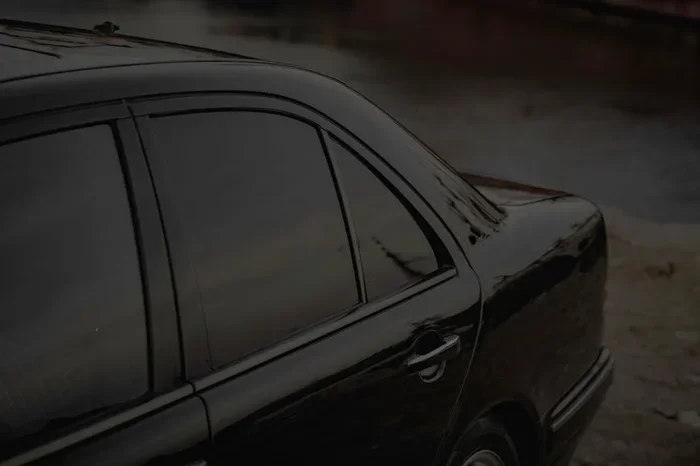
A 5% tint is the darkest option available. It is often called “limo tint” because limousines use it. At this level, you can barely see through the windows from the outside. This tint offers excellent privacy and a very sleek, dark look. However, it is not legal for front side windows in most states.
5% tint is best suited for rear windows and rear windshields. It creates a dramatic appearance on any vehicle. But be careful — driving with very dark front windows can lead to tickets. Always check your local legal window tint laws before going this dark.
20% Tint (Dark)
A 20% tint is a popular choice among car enthusiasts. It is dark enough to look great but still allows some light in. You can see through it during the day, but it becomes harder at night. Many people use 20% tint on their side windows for a bold, stylish look.
This level also provides good UV protection. It blocks a significant amount of the sun’s harmful rays. For drivers who spend a lot of time on the road, 20% tint offers a nice mix of comfort and aesthetics. Just remember that visibility drops as the tint gets darker.
35% Tint (Medium)
The 35% tint level is often considered the sweet spot. It is dark enough to look professional and stylish, yet light enough to maintain good visibility. This is why 35% tint is one of the most commonly chosen percentages. It works well for both daily drivers and show cars.
At 35%, you get solid heat rejection and UV protection. The tint also reduces glare, which makes driving more comfortable. Many states allow 35% tint on front side windows, making it a legal and practical choice. If you are unsure about what percentage to pick, 35% is a safe bet.
50% Tint (Light)
A 50% tint lets in half of the available light. It is a very subtle tint that adds a hint of darkness without dramatically changing the look of your car. This level is great for people who want the benefits of tinting without going too dark.
50% tint still blocks a good amount of UV rays. It also reduces heat and glare to a noticeable degree. For those who prioritize function over fashion, 50% is an excellent option. It keeps your car looking clean and original while still offering protection.
70% Tint (Very Light)
A 70% tint is almost clear. It is sometimes called a “sun strip” tint because it is often applied only to the top portion of the windshield. This level is all about function. It blocks UV rays and reduces heat without changing the appearance of your windows.
70% tint is legal in almost every state because it is so light. It is a great entry-level option for people who have never had tint before. If you want to test the waters, start with 70% and see how you like it.
Legal Tint Limits by State
One of the most important things to know about car window tinting is that the law varies from state to state. What is legal in California might not be legal in New York. This is why checking your local regulations is absolutely essential before you get any tint installed.
Most states measure tint darkness separately for the front side windows, rear side windows, and rear windshield. Front side windows usually have stricter limits because they affect the driver’s visibility. Rear windows can often go much darker since they are behind the driver.
General Rules You Should Know
Across the country, most states allow a minimum VLT of 70% for front side windows. Some states allow 50% or even 35%. Rear windows tend to have looser rules. In many states, you can go as dark as 5% on the rear windows and rear windshield.
There are also rules about reflective tint. Some states ban metallic or mirror-like finishes on car windows. Others allow them on certain windows but not others. Always ask your tint shop about the specific laws in your area. A reputable installer will know the regulations and help you stay compliant.
Keep in mind that medical exemptions exist in some states. If you have a skin condition that requires extra UV protection, you may qualify for a darker tint than the law normally allows. Check with your local DMV or department of motor vehicles for details.
Benefits of Different Tint Percentages
Every tint level offers its own set of benefits. The right choice depends on what you value most. Do you want maximum privacy? Better heat rejection? A stylish look? Let us look at how different percentages stack up.
UV Protection
All quality window tints block harmful UV rays. But darker tints often provide better protection simply because they use more film material. A 20% or 35% tint will block more UV radiation than a 70% tint. This is important for your skin health and for protecting your car’s interior from fading.
Heat Rejection
Darker tints generally reject more heat than lighter ones. If you live in a hot climate, a lower VLT percentage can make your car much more comfortable. A 5% or 20% tint can significantly reduce the temperature inside your vehicle. This means less reliance on your air conditioning and better fuel efficiency.
Privacy and Security
Dark tints give you more privacy. People on the outside cannot easily see into your car. This is valuable for protecting your belongings. A 5% or 20% tint makes it very difficult for passersby to see what is inside your vehicle. This added layer of security can deter break-ins.
Glare Reduction
Window tint reduces the sun’s glare, making driving safer and more comfortable. Even a light 50% tint can noticeably cut glare on bright days. Darker tints do an even better job. If you drive long hours or commute in heavy sun, tinting your windows is a smart investment.
How to Choose the Right Tint Percentage
Choosing the right tint percentage comes down to a few key factors. Consider your climate, your driving habits, your style preferences, and the legal limits in your area. Let us walk through a simple decision process.
First, check your state’s legal tint limits. This will narrow down your options right away. You do not want to invest in a tint only to get pulled over and ticketed. Next, think about what you want from your tint. Is it mostly for UV protection? Or do you want a dark, stylish look?
Then, consider your driving conditions. If you drive mostly during the day in sunny areas, a medium tint like 35% works well. If you drive at night or in areas with poor lighting, you might want to stick with a lighter tint like 50% or 70%. Your safety and visibility should always come first.
Finally, think about your budget. Ceramic film costs more but offers the best performance. Dyed film is more affordable but may not last as long. Talk to your installer about the best film for your chosen percentage and budget. And if you want to add some greenery to your space at home after a long drive, consider checking out some plants for window desk setups that complement your tinted car aesthetic.
Another great tip is to ask for a sample swatch before committing. Most tint shops can give you a small piece of film to hold up against your window. This lets you see the actual shade and darkness before making a decision. It is a simple step that can save you from disappointment later.
Also, keep in mind that the front windshield usually has different rules. Many states only allow a non-reflective tint strip at the top of the windshield. This strip is often measured in inches rather than percentage. Make sure you understand these rules before you book your installation.
One more thing to consider is the type of vehicle you drive. Cars with larger windows may benefit from a lighter tint for better overall visibility. SUVs and trucks with larger rear windows can handle darker tints more easily. The shape and size of your car windows play a role in how the tint looks and performs.
Quality matters just as much as percentage. A cheap 20% tint from a discount shop might bubble, fade, or peel within a year. A premium 20% tint from a reputable brand can last a decade or more. Always invest in quality film and professional installation. Your car windows are a long-term investment.
If you are still unsure, start with a medium tint like 35% on the side windows and a lighter 70% on the front windshield strip. This combination is legal in most states, looks great, and provides solid benefits. You can always upgrade to darker tint later if you want more style and privacy.
Common Mistakes to Avoid When Choosing Tint Percentage
Many people make mistakes when choosing their tint percentage. Avoiding these pitfalls can save you time, money, and frustration.
- Ignoring local laws: This is the number one mistake. Always verify your state’s tint laws before choosing a percentage.
- Choosing darkness over quality: A cheap dark tint will look terrible within months. Prioritize film quality over how dark it looks.
- Forgetting about nighttime visibility: Dark tints can make night driving dangerous. Always consider how the tint will affect your vision after sunset.
- Skipping professional installation: DIY tint kits often lead to bubbles, wrinkles, and uneven application. A professional does it right the first time.
- Not considering the front windshield: Many people forget that front windshield tint rules are different and often more restrictive.
Expert Insights on Car Window Tinting
Professional installers agree that the 35% to 50% range is the most versatile choice for everyday drivers. It offers a good balance of style, comfort, and legality. If you want a bolder look, 20% on the rear windows paired with 50% on the front side windows is a popular combination.
Experts also recommend ceramic film for the best overall performance. It provides superior heat rejection, does not interfere with cell phone or GPS signals, and lasts longer than dyed or metalized films. Yes, it costs more upfront, but the long-term benefits are worth it.
One tip from seasoned installers is to always clean your windows thoroughly before tinting. Any dust or debris trapped under the film can cause bumps and imperfections. A proper cleaning routine makes a huge difference in the final result.
Key Takeaways
- Know Your VLT: The VLT percentage tells you how much light passes through your tint. Lower numbers mean darker tint.
- Check Your State Laws: Every state has different legal limits. Verify these before you choose your tint percentage.
- Pick the Right Level for Your Needs: Lighter tints offer subtle upgrades. Darker tints provide more privacy and style.
- Quality Film Lasts Longer: Invest in premium film and professional installation for the best results.
- Consider Your Driving Conditions: If you drive at night, choose a lighter tint for better visibility.
- Ask for Samples: Always see the actual tint shade before committing to a full installation.
Conclusion
A car window tint % chart is an essential tool for anyone considering window tinting. It gives you a clear picture of what each percentage looks like and what it can do for your vehicle. From 5% limo tint to 70% clear film, every level has its own benefits and trade-offs.
By understanding VLT percentages, legal limits, and your own needs, you can choose the perfect tint with confidence. Start by checking your state’s laws. Then decide what matters most to you — style, comfort, privacy, or UV protection. And always choose quality film and professional installation.
Whether you are tinting your first car or upgrading your current setup, the right percentage makes all the difference. Use this guide as your go-to reference. Print out the chart, compare your options, and make a choice you will be happy with for years to come. Your car — and your driving experience — will thank you.
Frequently Asked Questions
What does 5% tint mean?
A 5% tint means that only 5% of visible light passes through the window film. This is the darkest tint available and is commonly known as limo tint. It provides maximum privacy and a very dark, sleek appearance on your vehicle.
Is 20% tint legal on front windows?
It depends on your state. Some states allow 20% tint on front side windows, while others require a minimum of 50% or 70%. Always check your local tint laws before choosing a percentage for your front windows to avoid fines or tickets.
What is the best tint percentage for heat rejection?
Darker tints generally reject more heat, but the film type matters just as much. Ceramic film in a 20% to 35% range offers excellent heat rejection. The combination of a good percentage and premium film material gives you the best results.
Can I tint my windshield?
Most states only allow a non-reflective tint strip at the top of the windshield. The width of this strip varies by state, usually ranging from 4 to 6 inches. Full windshield tinting is generally not legal in most areas.
How long does car window tint last?
Quality ceramic tint can last 10 to 15 years. Dyed and metalized films typically last 5 to 8 years. The lifespan depends on the film quality, installation method, and how well you maintain the tint after installation.
Does tint percentage affect nighttime visibility?
Yes, darker tints reduce nighttime visibility significantly. A 5% or 20% tint can make it very hard to see at night. If you drive frequently after dark, choose a lighter tint like 50% or 70% to maintain safe visibility.