Are Silicone Toilet Brushes Better
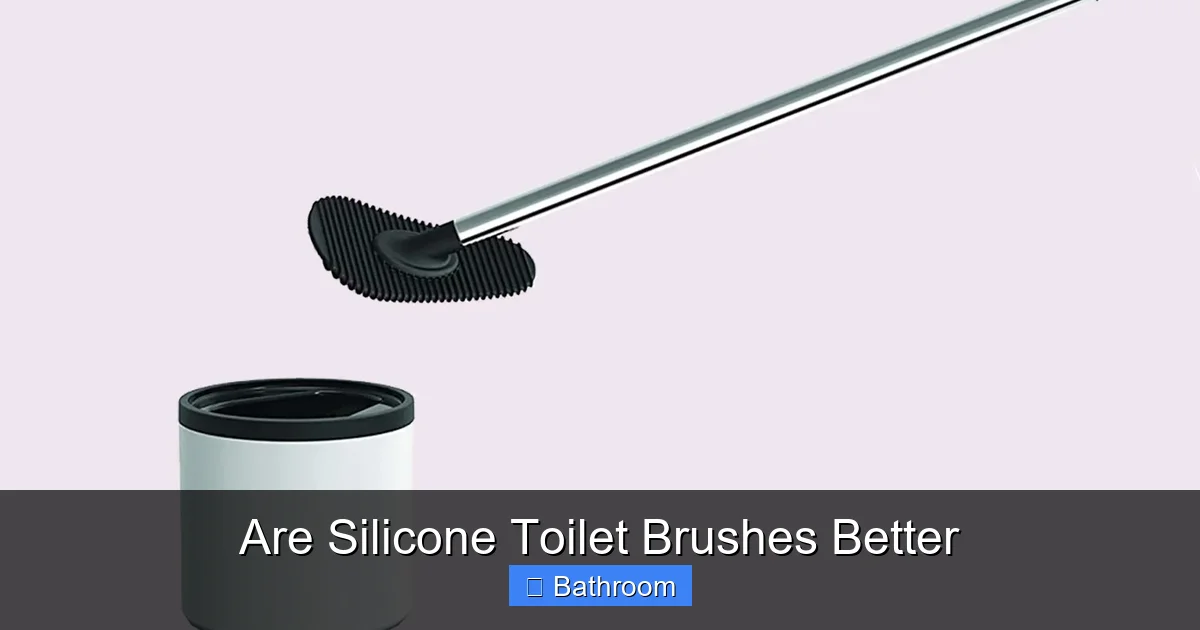
Silicone toilet brushes are gaining popularity for their superior hygiene and ease of use. Unlike traditional brushes, silicone models don’t harbor bacteria in bristles and dry quickly, reducing mold and mildew. They’re also gentler on surfaces and more durable over time.
Key Takeaways
- Hygiene: Silicone bristles are less likely to trap bacteria and mold compared to traditional bristles, which can harbor germs even after cleaning.
- Durability: High-quality silicone resists cracking, fading, and wear, lasting longer than many plastic or bristle-based brushes.
- Ease of Cleaning: Silicone can be wiped clean with soap and water, and many models are dishwasher-safe for added convenience.
- Odor Control: The non-porous surface of silicone prevents lingering odors, keeping your bathroom smelling fresh.
- Eco-Friendly Options: Many silicone brushes are reusable and free from harsh chemicals, making them a sustainable choice.
- Design Versatility: Available in sleek, modern designs that complement contemporary bathrooms and often feature easy-to-store handles.
- Cost vs. Value: While silicone brushes may cost more upfront, their longevity and performance often justify the investment.
📑 Table of Contents
- Are Silicone Toilet Brushes Better?
- What Makes Silicone Toilet Brushes Different?
- Hygiene: The Biggest Advantage
- Durability and Longevity
- Ease of Use and Storage
- Environmental Impact
- Cost Analysis: Upfront vs. Long-Term Value
- Common Misconceptions About Silicone Brushes
- How to Choose the Best Silicone Toilet Brush
- Final Verdict: Are Silicone Toilet Brushes Better?
- Tips for Maintaining Your Silicone Toilet Brush
Are Silicone Toilet Brushes Better?
Let’s face it—no one really enjoys cleaning the toilet. But when it comes to tools, choosing the right one can make a world of difference. Enter the silicone toilet brush: a sleek, modern alternative to the old-school bristle brush that’s been around for decades. With its flexible bristles and smooth handle, it looks more like a kitchen gadget than a bathroom essential. But is it actually better? In this deep dive, we’ll explore everything you need to know about silicone toilet brushes—from hygiene and durability to ease of use and environmental impact. By the end, you’ll know whether it’s time to ditch your old brush and make the switch.
What Makes Silicone Toilet Brushes Different?
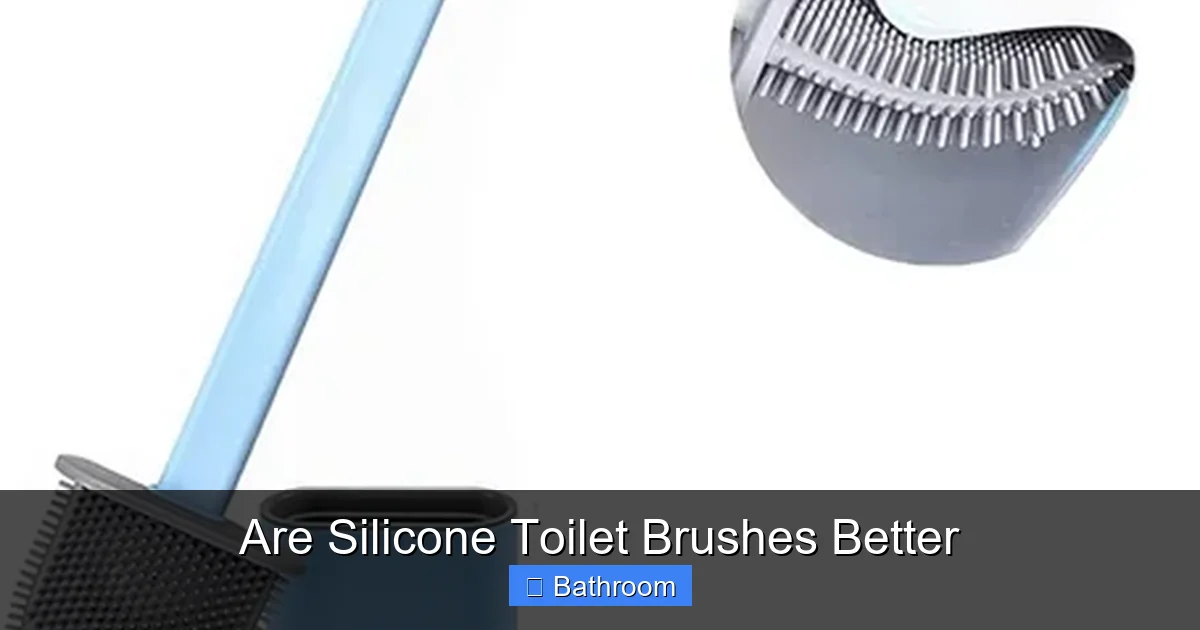
At first glance, a silicone toilet brush might look like a toy. But don’t be fooled—it’s engineered for real cleaning power. Unlike traditional brushes made of stiff bristles, silicone brushes use soft, flexible bristles that conform to the shape of the bowl. This design allows them to reach under the rim and around curves more easily. But the real magic happens in the material itself.
Visual guide about Are Silicone Toilet Brushes Better
Image source: images.nexusapp.co
Material Science Behind Silicone
Silicone is a synthetic polymer known for its heat resistance, flexibility, and non-porous nature. These properties make it ideal for bathroom use. Traditional brushes, on the other hand, are often made from nylon or other plastics that can absorb moisture and become breeding grounds for bacteria. Over time, these bristles can degrade, crack, or trap soap scum—all of which compromise hygiene.
Design Features to Look For
Not all silicone brushes are created equal. When shopping, look for features like:
- Ergonomic handles: A comfortable grip reduces strain during use.
- Drainage holes: These prevent water from pooling in the handle, reducing mold risk.
- Detachable heads: Some models allow you to remove the brush head for thorough cleaning or replacement.
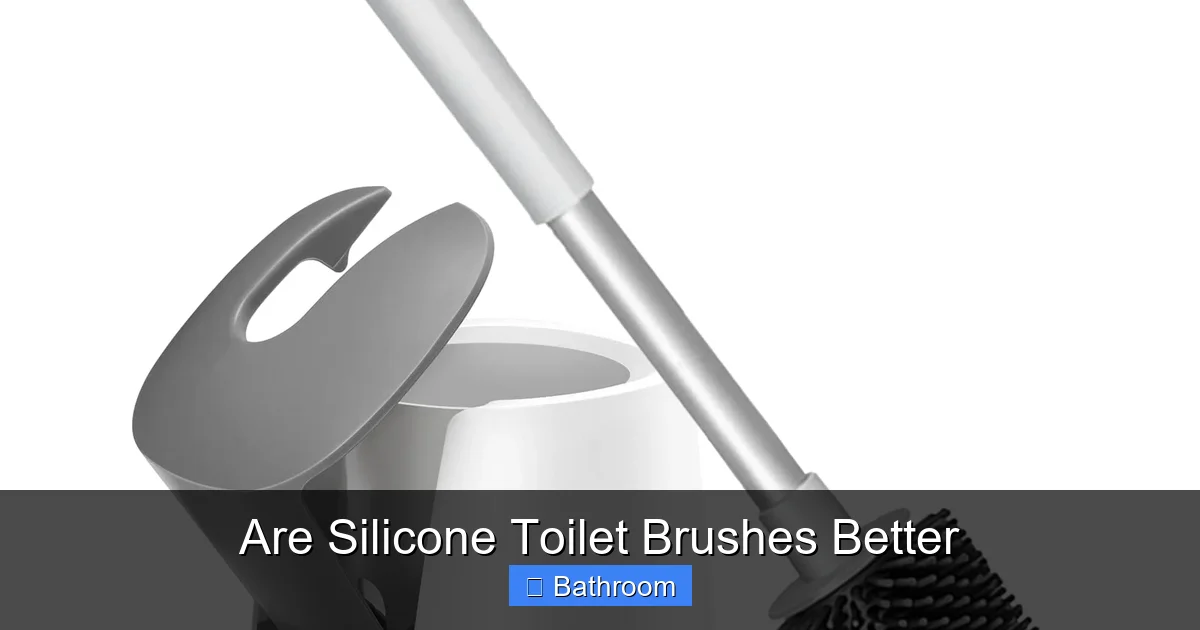
- Wall-mounted storage: Built-in holders keep the brush off the floor and out of sight.
Hygiene: The Biggest Advantage
If there’s one reason to consider a silicone toilet brush, it’s hygiene. Traditional brushes are notorious for harboring germs. Studies have shown that bathroom brushes can become contaminated with fecal bacteria, especially if they’re left to dry in a cup or on a stand. The bristles trap moisture and organic matter, creating a perfect environment for mold and mildew.
Visual guide about Are Silicone Toilet Brushes Better
Image source: m.media-amazon.com
Why Silicone Wins in Cleanliness
Silicone’s non-porous surface means it doesn’t absorb water or bacteria. After use, you can simply wipe it down with soap and water. Many users also rinse the brush under hot water or even place it in the dishwasher (check the manufacturer’s instructions). This level of cleanliness is hard to achieve with traditional brushes, which often require soaking in disinfectant—and even then, deep cleaning can be inconsistent.
Real-World Example
Imagine you’re cleaning your toilet after a guest uses it. With a traditional brush, you might rinse it, but the bristles still hold onto tiny particles. Over time, those particles dry and harden, making future cleanings less effective. With a silicone brush, you wipe it clean, and it’s ready for the next use—no guesswork, no lingering odors.
Durability and Longevity
Another advantage of silicone brushes is their durability. Traditional brushes can fray, crack, or lose their shape after repeated use and exposure to harsh cleaning chemicals. The bristles may break off, leaving behind sharp edges or ineffective cleaning power.
Visual guide about Are Silicone Toilet Brushes Better
Image source: i5.walmartimages.com
How Long Do Silicone Brushes Last?
High-quality silicone brushes can last for months—or even years—with proper care. They resist cracking, fading, and warping, even when exposed to bleach or other strong cleaners. Some models come with replaceable heads, extending their life even further. This makes them a cost-effective choice in the long run.
Comparing Lifespans
Here’s a quick comparison:
- Traditional brush: 2–6 months with regular use
- Silicone brush: 6–18 months or more
- Replaceable-head silicone brush: 2+ years with head swaps
Ease of Use and Storage
Silicone toilet brushes are designed with convenience in mind. Their lightweight construction makes them easy to handle, and many feature a sleek, compact design that fits neatly in small bathrooms. Unlike traditional brushes that often come with bulky plastic cups, silicone models are usually wall-mounted or stored in a holder that keeps them off the floor.
Storage Solutions
Most silicone brushes come with a wall-mounted bracket or stand. This keeps the brush upright and allows it to dry quickly, reducing the risk of mold. Some models even include a built-in drip tray to catch excess water. This not only keeps your bathroom cleaner but also prevents water from pooling on countertops or floors.
Tips for Optimal Use
- Always rinse the brush after each use.
- Wipe the handle and bristles with a clean cloth to remove residue.
- Store in a well-ventilated area or use a drying stand.
- Replace the brush head (if detachable) every 3–6 months.
Environmental Impact
If you’re eco-conscious, you’ll appreciate that silicone brushes are a more sustainable choice. Traditional brushes often end up in landfills after just a few months. In contrast, silicone is reusable and, in many cases, recyclable. Some brands even offer refillable systems, reducing plastic waste.
Are Silicone Brushes Eco-Friendly?
Yes—but with caveats. While silicone itself is durable and long-lasting, it’s not biodegradable. However, its extended lifespan means fewer replacements and less waste over time. Look for brands that use recyclable packaging and offer recycling programs for old brushes.
Comparing Carbon Footprints
A traditional brush might be made from petroleum-based plastics and shipped globally. A silicone brush, especially if locally produced, can have a lower carbon footprint due to its durability and reduced need for frequent replacement.
Cost Analysis: Upfront vs. Long-Term Value
Silicone toilet brushes typically cost more than traditional ones—anywhere from $15 to $30, compared to $5 to $10 for a basic brush. But is the higher price worth it?
Breaking Down the Costs
Let’s do a quick cost comparison over one year:
- Traditional brush: $10 x 6 replacements = $60
- Silicone brush: $25 x 1 = $25
- Silicone with replaceable heads: $30 + $5 (heads) x 3 = $45
Even with replaceable heads, silicone brushes are more economical over time.
Value Beyond Price
Beyond cost, silicone brushes offer better performance, cleaner results, and less hassle. For families, busy households, or anyone who values hygiene, the investment pays off quickly.
Common Misconceptions About Silicone Brushes
Despite their benefits, silicone brushes aren’t perfect—and some myths have kept them from going mainstream.
Myth 1: “Silicone Brushes Don’t Clean as Well”
This is false. Silicone bristles are designed to be flexible yet firm enough to scrub without scratching. Many users report better cleaning results compared to traditional brushes.
Myth 2: “They’re Hard to Clean”
Quite the opposite. Silicone is one of the easiest materials to clean. A quick rinse or wipe is usually enough.
Myth 3: “They’re Not Durable”
High-quality silicone resists wear and tear. Just avoid using sharp objects or excessive heat, and your brush will last.
How to Choose the Best Silicone Toilet Brush
With so many options on the market, how do you pick the right one?
Key Features to Consider
- Material quality: Look for food-grade silicone—it’s safer and more durable.
- Handle design: Ergonomic and non-slip handles are a must.
- Mounting system: Choose a secure, easy-to-install bracket.
- Replaceable heads: Extends the life of the brush and reduces waste.
- Brand reputation: Read reviews and choose trusted brands.
Top Brands to Try
- Bamboo Toilet Brush (eco-friendly and stylish)
- OXO Good Grips Toilet Brush (ergonomic design)
- Kohler Toilet Brush (luxury and durable)
- Simplehuman Toilet Brush (premium with replaceable heads)
Final Verdict: Are Silicone Toilet Brushes Better?
After examining every aspect—hygiene, durability, ease of use, cost, and environmental impact—it’s clear that silicone toilet brushes offer significant advantages over traditional options. They’re cleaner, longer-lasting, and easier to maintain. While they may cost more upfront, their performance and longevity make them a smart investment.
For anyone serious about bathroom hygiene—or just tired of replacing brushes every few months—the switch to silicone is worth it. It’s a small change that can make a big difference in your daily routine and overall home cleanliness.
Tips for Maintaining Your Silicone Toilet Brush
To get the most out of your new brush:
- Clean it after every use with warm, soapy water.
- Let it air dry completely before storing.
- Avoid placing it in direct sunlight for long periods.
- Check for wear every few months and replace the head if needed.
- Consider using a mild disinfectant spray once a week for extra cleanliness.
With proper care, your silicone toilet brush will serve you well for months—keeping your toilet sparkling clean and your bathroom smelling fresh.
Frequently Asked Questions
Are silicone toilet brushes really more hygienic?
Yes, silicone brushes are generally more hygienic because their non-porous surface resists bacteria and mold growth. Traditional brushes can trap moisture and germs in their bristles, making them harder to clean thoroughly.
Can I put my silicone toilet brush in the dishwasher?
Many silicone toilet brushes are dishwasher-safe, but always check the manufacturer’s instructions. Some may warp or degrade under high heat, so hand washing with warm, soapy water is often recommended.
How often should I replace a silicone toilet brush?
With proper care, a high-quality silicone brush can last 6–18 months. If the bristles become stiff or damaged, replace the head (if detachable) or the entire brush. Replaceable-head models can last 2+ years with regular head swaps.
Do silicone brushes scratch toilets?
No, most silicone bristles are soft enough to clean effectively without scratching porcelain or ceramic surfaces. However, always test on a small area first if you have a sensitive finish.
Are silicone brushes eco-friendly?
Silicone brushes are more sustainable than traditional ones due to their long lifespan and reduced need for frequent replacement. While silicone isn’t biodegradable, its durability lowers overall waste and carbon footprint over time.
Can I use bleach with a silicone toilet brush?
Yes, silicone is resistant to many household cleaners, including bleach. However, prolonged exposure to strong chemicals may degrade the material over time. Rinse thoroughly after use and avoid soaking the brush in bleach.