Eco Friendly Toilet Brush
Say goodbye to plastic waste and hello to a cleaner, greener bathroom with an eco-friendly toilet brush. These innovative brushes combine effective cleaning with sustainable design, helping you reduce your environmental footprint without sacrificing performance. From biodegradable bristles to reusable handles, discover how this simple switch can make a big difference in your daily routine and overall home hygiene.
Key Takeaways
- Eco-friendly toilet brushes reduce plastic waste by using sustainable materials like bamboo, recycled plastic, or biodegradable bristles, helping protect oceans and landfills.
- They often feature replaceable heads, so only the brush part needs changing—minimizing waste while keeping cleaning power strong.
- Many models are compostable or recyclable, making them a smart choice for environmentally conscious households.
- Effective cleaning doesn’t have to mean harsh chemicals—many eco brushes work with just water or natural cleaners.
- They’re stylish and modern, blending seamlessly into contemporary bathrooms while promoting sustainability.
- Investing in an eco-friendly brush supports long-term environmental goals, reducing single-use plastic over time.
- They’re easy to use and maintain, requiring just a quick rinse and occasional replacement—no complicated routines.
📑 Table of Contents
- Why Choose an Eco-Friendly Toilet Brush?
- What Makes a Toilet Brush Eco-Friendly?
- Top Materials Used in Eco-Friendly Toilet Brushes
- How to Choose the Right Eco-Friendly Toilet Brush
- How to Use and Maintain Your Eco-Friendly Toilet Brush
- Eco-Friendly Toilet Brushes vs. Traditional Brushes: A Comparison
- Top Eco-Friendly Toilet Brush Brands to Try
- Beyond the Brush: Building a Sustainable Bathroom Routine
- Conclusion: Clean Your Home, Protect the Planet
Why Choose an Eco-Friendly Toilet Brush?
We’ve all been there—standing in the bathroom aisle, holding a plastic toilet brush, wondering if there’s a better way. Every year, millions of plastic toilet brushes end up in landfills, contributing to a growing environmental crisis. But what if you could clean your toilet effectively without adding to the problem? Enter the eco-friendly toilet brush. These innovative tools are designed with sustainability in mind, using materials like bamboo, recycled plastic, or biodegradable bristles to reduce environmental harm. They’re not just a trend—they’re a practical solution for anyone serious about living greener.
The appeal of an eco-friendly toilet brush goes beyond just being “green.” Many people are surprised to learn that traditional brushes often contain microplastics and non-recyclable components that can’t be broken down. In contrast, eco-friendly options are built to last and designed to be reused, recycled, or composted. Plus, they’re just as effective—sometimes even more so—thanks to clever engineering and natural materials. Whether you’re a minimalist, a zero-waste enthusiast, or someone who simply cares about the planet, switching to an eco-friendly brush is a small change that makes a big difference.
What Makes a Toilet Brush Eco-Friendly?
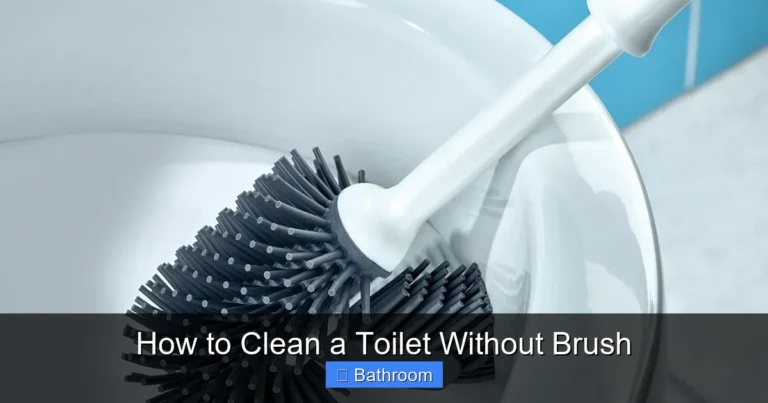
Not all eco-friendly toilet brushes are created equal. To truly benefit the environment, a brush must meet several key criteria. First and foremost, the materials used should be sustainable, renewable, or recycled. This includes bamboo handles, which grow quickly and require no pesticides, or bristles made from plant-based materials instead of petroleum-based plastics. Second, the brush should be designed for longevity or easy recycling. Many models feature replaceable heads, so you only toss out the bristles—not the entire handle—reducing waste significantly.
Visual guide about Eco Friendly Toilet Brush
Image source: planetorganics.com
Another important factor is the manufacturing process. Eco-friendly brands often prioritize low-impact production, using minimal energy and avoiding harmful chemicals. Some even offer take-back programs or partner with recycling facilities to ensure their products don’t end up in the ocean or landfill. Finally, consider the packaging. Many sustainable brands use recyclable or compostable materials, further reducing their footprint. When shopping, look for certifications like FSC (Forest Stewardship Council) for bamboo or recyclable labels to ensure you’re making a truly green choice.
Top Materials Used in Eco-Friendly Toilet Brushes
Bamboo Handles: The Gold Standard
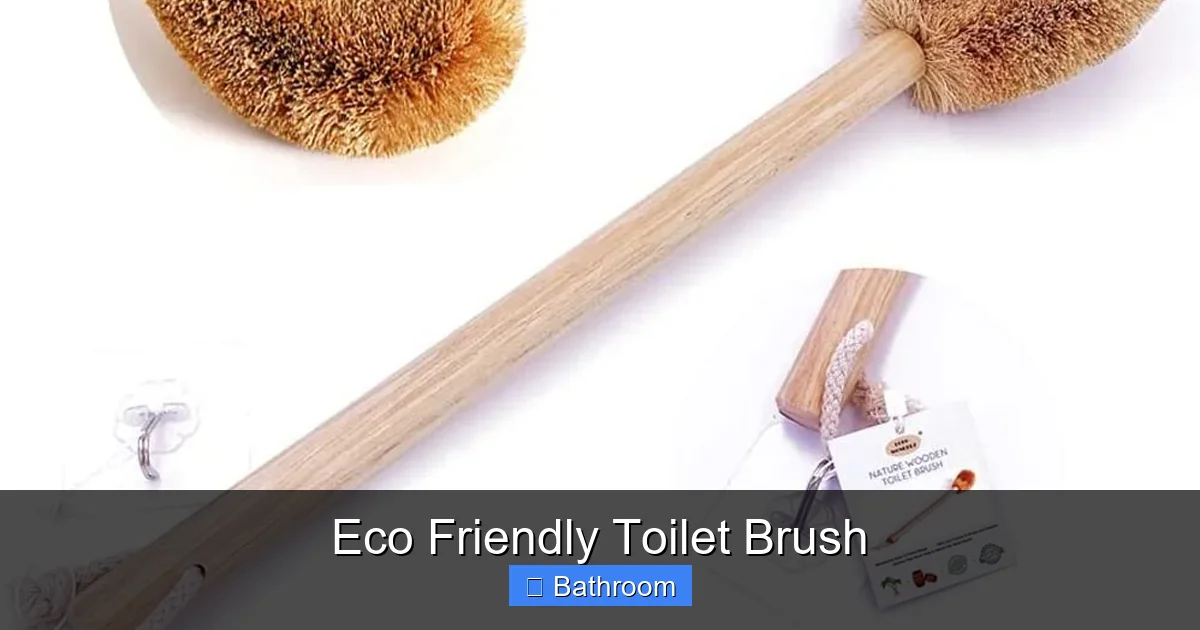
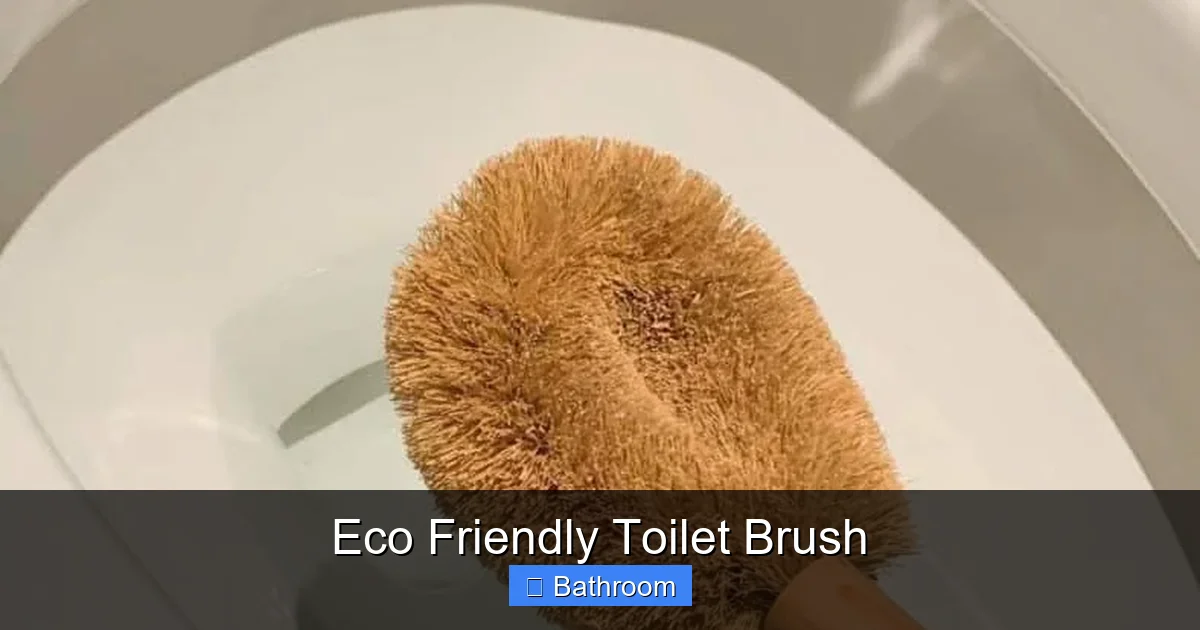
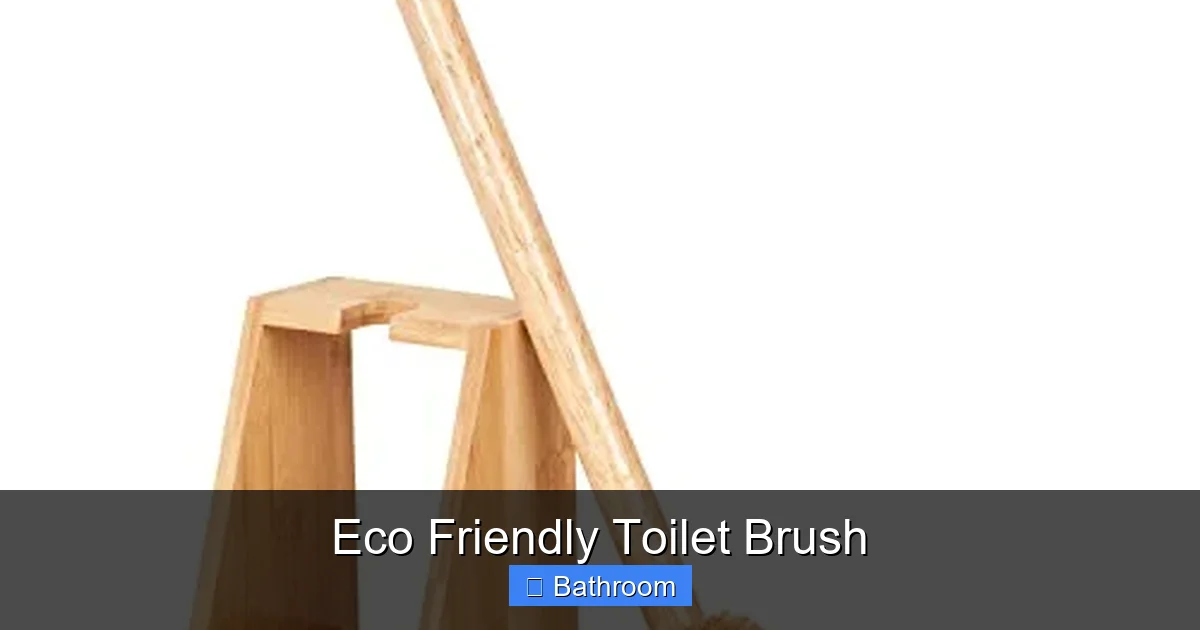
Bamboo is one of the most popular materials for eco-friendly toilet brushes. It’s fast-growing, requires no fertilizers, and is naturally antimicrobial—perfect for a bathroom tool. Bamboo handles are lightweight, durable, and often finished with food-safe oils to protect the wood. Because bamboo is biodegradable, even when the bristles wear out, the handle can be composted or recycled. Brands like Full Circle and EcoRoots offer stylish bamboo brushes that look great in any modern bathroom.
Visual guide about Eco Friendly Toilet Brush
Image source: m.media-amazon.com
Recycled Plastic Bristles
Some eco-friendly brushes use bristles made from recycled plastic, such as rPET (recycled polyethylene terephthalate). These bristles are tough on grime but kind to the planet. By using recycled materials, brands reduce the need for virgin plastic and help keep waste out of landfills. Look for brushes labeled “recycled content” to ensure authenticity. These models are often dishwasher-safe and long-lasting, making them a practical choice for busy households.
Biodegradable or Plant-Based Bristles
For the most sustainable option, consider brushes with bristles made from plant-based materials like cornstarch or other bio-plastics. These materials break down naturally over time, reducing long-term environmental impact. While they may not last as long as traditional bristles, they’re ideal for short-term use or for those committed to zero-waste living. Brands like Blueland and Who Gives A Crap offer compostable brush options that align with circular economy principles.
Stainless Steel or Metal Handles
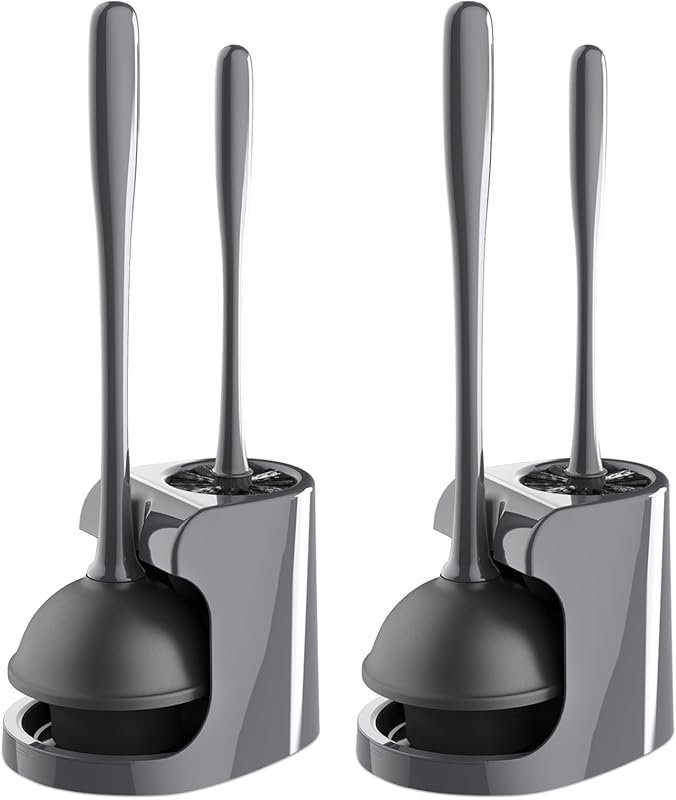
Some high-end eco-friendly brushes feature stainless steel handles, which are fully recyclable and resistant to rust and corrosion. These brushes often come with replaceable heads, so the metal handle can be used indefinitely. They’re especially popular in minimalist or Scandinavian-style bathrooms, where durability and sleek design are key. While slightly more expensive, they’re a great long-term investment for reducing waste.
How to Choose the Right Eco-Friendly Toilet Brush
Consider Your Cleaning Needs
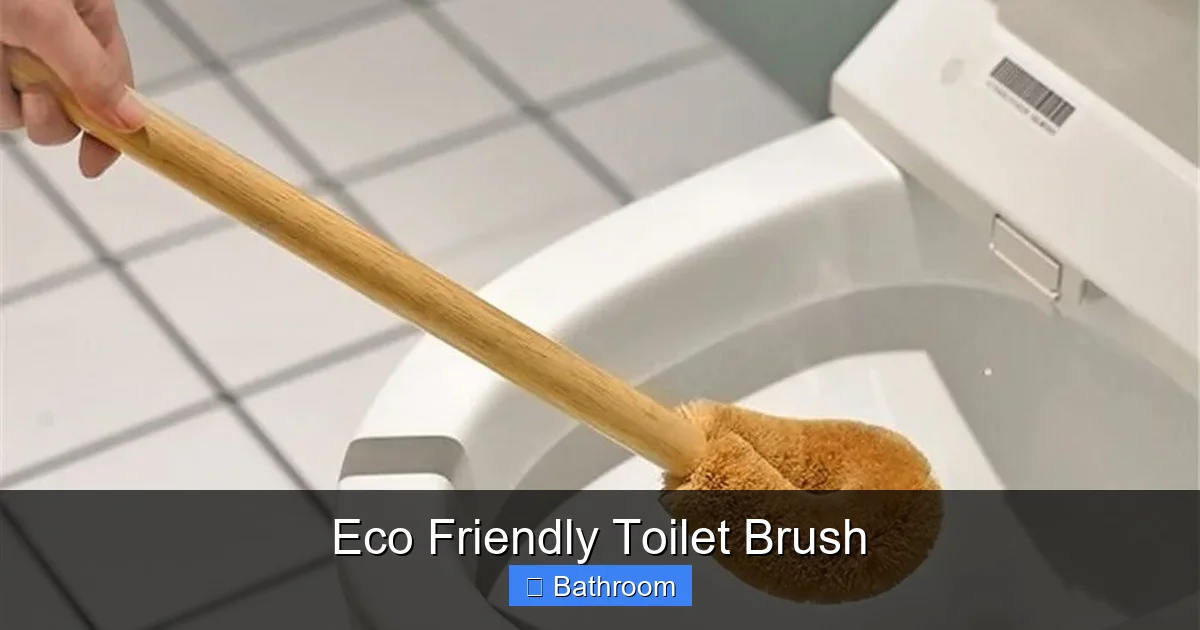
Not all brushes are built the same. If you have a standard toilet, a basic brush with soft bristles will do the job. But if you have a bidet attachment, dual-flush system, or particularly stubborn stains, you might need a brush with sturdier bristles. Look for models with angled or flexible heads that can reach under the rim and into corners. Some eco-friendly brushes even come with built-in scrubbers or scrapers for extra power—all without harsh chemicals.
Visual guide about Eco Friendly Toilet Brush
Image source: ecofriendlyfact.com
Check for Replaceable Heads
One of the biggest advantages of eco-friendly brushes is their modular design. Instead of tossing the entire brush every few months, you only replace the head. This saves money and reduces waste. When shopping, confirm that replacement heads are available and affordable. Brands like Bambooee and Simplehuman offer subscription services for brush heads, making it easy to stay sustainable without thinking about it.
Evaluate the Handle Material
The handle is the part you’ll grip every time you clean, so comfort and durability matter. Bamboo is lightweight and natural, but some people prefer the solid feel of metal or recycled plastic. Test the grip—does it feel slippery when wet? Is it easy to clean? A good handle should be non-slip, easy to rinse, and resistant to mold or mildew. Look for brushes with smooth, seamless designs to prevent bacteria buildup.
Look at Maintenance Requirements
Eco-friendly doesn’t always mean low-maintenance, but it should be simple. Many brushes are dishwasher-safe, which makes cleaning the head a breeze. Others require just a quick rinse and occasional scrubbing with vinegar or baking soda. Avoid models that need special cleaners or soaking solutions, as these can introduce unnecessary chemicals. The best eco-brushes are designed to stay clean with minimal effort.
Check for Certifications
To ensure you’re buying a genuinely sustainable product, look for third-party certifications. These include:
- FSC Certified – for bamboo or wood products
- Plastic-Free or Biodegradable labels
- Recyclable or Compostable packaging
- Cruelty-Free or Leaping Bunny certification
These labels help you make informed choices and support brands that prioritize transparency and ethics.
How to Use and Maintain Your Eco-Friendly Toilet Brush
Daily Use Tips
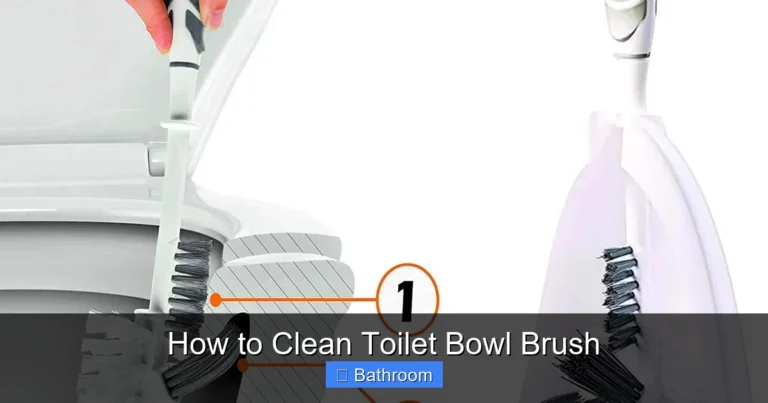
Using your eco-friendly toilet brush is simple. After each flush, give the brush a quick rinse under hot water to remove any residue. Then, place it in a holder that allows air circulation—this prevents mold and bacteria buildup. Avoid soaking the brush in water or leaving it standing in a wet bathroom. Instead, let it dry completely between uses. If you have a brush with a replaceable head, remove the old one and snap in a new one every 4–6 weeks, depending on usage.
Deep Cleaning Routine
Once a week, give your brush a deeper clean. For bamboo handles, wipe with a vinegar-water solution to kill germs and prevent mildew. For plastic or metal handles, you can run the brush through the dishwasher on a short cycle. If your brush has bristles that aren’t dishwasher-safe, soak them in a mixture of water and baking soda for 10 minutes, then scrub with a soft toothbrush. Always rinse thoroughly and let it air dry.
Storing Your Brush
Proper storage is key to maintaining hygiene. Use a wall-mounted or freestanding holder that keeps the brush upright and away from toilet splashes. Make sure the holder is made of a non-porous, easy-to-clean material like stainless steel or silicone. Avoid plastic holders that can harbor bacteria or trap moisture. Some eco-friendly brushes come with their own stand, which is both stylish and functional.
When to Replace the Brush
Even the best eco-friendly brushes have a lifespan. Replace the head every 4–6 weeks, or sooner if the bristles become frayed or lose effectiveness. If the handle shows signs of cracking, warping, or mold, it’s time to retire the entire brush. For compostable models, check the brand’s guidelines—some recommend composting the entire brush when it’s fully worn out. Always dispose of old brushes responsibly, following local recycling or composting rules.
Eco-Friendly Toilet Brushes vs. Traditional Brushes: A Comparison
Let’s be honest—traditional plastic toilet brushes are everywhere. They’re cheap, widely available, and get the job done. But they come with hidden costs. Most are made from non-recyclable plastic, often contain microplastics, and end up in landfills after just a few months. In contrast, eco-friendly brushes are designed for longevity and sustainability. They may cost a bit more upfront, but they save money over time and reduce your environmental impact significantly.
When comparing the two, consider these factors:
- Environmental Impact: Eco brushes use renewable or recycled materials and are often compostable or recyclable.
- Waste Reduction: Replaceable heads mean less frequent disposal—traditional brushes are typically single-use.
- Cleaning Power: Many eco brushes are just as effective, with angled heads and durable bristles that tackle grime without harsh chemicals.
- Aesthetic: Eco brushes often have modern, minimalist designs that enhance bathroom decor.
- Maintenance: Eco brushes may require a bit more care, but most are easy to clean and maintain.
While traditional brushes might seem like the easier choice, switching to an eco-friendly option is a small change that adds up over time—especially when you consider the cumulative effect of millions of households making the switch.
Top Eco-Friendly Toilet Brush Brands to Try
With so many options on the market, it can be hard to know where to start. Here are some of the best eco-friendly toilet brush brands that combine sustainability, performance, and style:
- Who Gives A Crap: Known for their bamboo brushes and compostable packaging, this Australian brand donates 50% of profits to sanitation projects worldwide. Their brushes are stylish, effective, and come in fun colors.
- Full Circle: Offers a range of bamboo and recycled plastic brushes with replaceable heads. Their designs are modern and functional, perfect for minimalist bathrooms.
- Blueland: Focuses on refillable and compostable cleaning tools. Their brush heads are made from biodegradable materials and can be composted at home.
- Simplehuman: Combines sustainability with smart design. Their brushes feature replaceable heads and sleek, space-efficient stands.
- EcoRoots: Affordable and effective, their bamboo brushes are dishwasher-safe and come with a lifetime warranty on the handle.
Each of these brands prioritizes sustainability without sacrificing quality. Many offer subscription services for brush heads, making it easy to maintain your eco-friendly routine without extra effort.
Beyond the Brush: Building a Sustainable Bathroom Routine
Switching to an eco-friendly toilet brush is just one step toward a greener bathroom. You can extend your impact by making other sustainable choices:
- Use natural cleaners: Replace chemical toilet cleaners with vinegar, baking soda, or castile soap.
- Install a bidet: Reduce toilet paper waste by adding a bidet attachment to your toilet.
- Choose bamboo toilet paper: Look for FSC-certified or plastic-free toilet paper options.
- Recycle responsibly: Check local recycling guidelines to ensure you’re disposing of waste correctly.
- Support sustainable brands: Buy from companies that prioritize ethics, transparency, and environmental responsibility.
Every small change adds up. By combining an eco-friendly toilet brush with other green practices, you create a bathroom that’s not only cleaner but kinder to the planet.
Conclusion: Clean Your Home, Protect the Planet
An eco-friendly toilet brush isn’t just a cleaning tool—it’s a statement. It says you care about your home, your health, and the world we leave behind. With so many stylish, effective, and sustainable options available, there’s no reason to stick with outdated, plastic-heavy brushes. Whether you choose bamboo, recycled plastic, or biodegradable bristles, you’re making a positive impact with every clean.
Remember, sustainability isn’t about perfection—it’s about progress. Start with one change, like switching to an eco-friendly brush, and build from there. Over time, these small choices create big results. So next time you’re in the bathroom, think green. Choose a brush that works hard and gives back to the planet. Your future self—and the Earth—will thank you.
Frequently Asked Questions
Are eco-friendly toilet brushes as effective as traditional ones?
Yes, most eco-friendly toilet brushes are just as effective, if not more so. Many feature angled heads, durable bristles, and antimicrobial materials that tackle grime without harsh chemicals. Brands like Full Circle and Who Gives A Crap prove that sustainability and performance go hand in hand.
How often should I replace the brush head?
Replace the brush head every 4–6 weeks, or sooner if the bristles become frayed or lose effectiveness. Some users replace them monthly, especially in high-traffic households. Always check the manufacturer’s recommendations for your specific model.
Can I compost an eco-friendly toilet brush?
It depends on the materials. Bamboo handles and biodegradable bristles can often be composted at home. Brands like Blueland and Who Gives A Crap design their brushes to be fully compostable. Check the product details or contact the manufacturer to confirm compostability.
Are eco-friendly brushes more expensive?
They may cost slightly more upfront than traditional plastic brushes—typically $15–$30—but they last longer and save money over time. Replaceable heads also reduce waste and recurring costs. Many brands offer subscription services for brush heads, making them even more affordable.
Do eco-friendly brushes require special cleaning?
Most eco-friendly brushes are easy to clean and don’t need special products. A quick rinse, occasional vinegar soak, or dishwasher cycle is usually enough. Avoid harsh chemicals, as they can degrade natural materials like bamboo over time.
Where can I recycle my old toilet brush?
Check local recycling guidelines, as not all plastics are accepted. If your eco-friendly brush has recyclable components, take it to a recycling center or use a brand-sponsored take-back program. For non-recyclable brushes, dispose of them in the trash responsibly.