Rooftop Greenhouse Ideas for Growing Fresh Food at Home
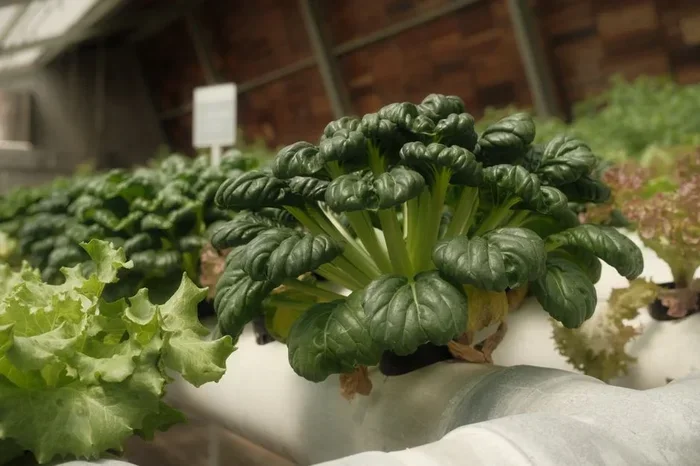
A rooftop greenhouse lets you grow fresh food right at home, even in small urban spaces. You can turn an empty roof into a thriving garden with the right greenhouse design, plants, and setup. This guide covers rooftop greenhouse ideas, from simple cold frames to full-scale structures, so you can start harvesting your own herbs, vegetables, and fruits year-round.
Imagine stepping onto your roof and picking a ripe tomato or fresh basil for dinner. That dream is closer than you think with a rooftop greenhouse. More city dwellers are discovering the joy of growing their own food above the streets. A rooftop greenhouse turns an unused space into a productive garden that feeds your family and saves money.
Whether you have a small apartment roof or a larger building space, there is a rooftop greenhouse idea that fits your needs. You do not need a big backyard or farmland. All you need is the right structure, the right plants, and a little planning. This guide walks you through everything you need to know to start your own rooftop garden today.
Key Takeaways
- Rooftop greenhouses maximize limited space: You can grow a surprising amount of food even on a small urban roof.
- Many greenhouse designs fit different budgets: From DIY cold frames to premium kits, there is an option for everyone.
- The right plants make all the difference: Herbs, leafy greens, tomatoes, and peppers thrive in rooftop greenhouses.
- Climate control and structural safety matter: Proper planning ensures your greenhouse handles wind, heat, and weight limits.
- Year-round harvesting is possible: With grow lights and insulation, you can enjoy fresh food in every season.
- Urban farming is easier than you think: A rooftop greenhouse brings the joy of gardening to any city dweller.
📑 Table of Contents
Why a Rooftop Greenhouse Makes Sense
More people are turning to urban farming as a way to live sustainably. A rooftop greenhouse fits perfectly into this lifestyle. It uses space that would otherwise sit empty and turns it into something productive. You get fresh food, cleaner air, and a relaxing spot right above the city.
Here are some big reasons to consider a rooftop greenhouse:
- Extra growing space: Roofs are often overlooked, but they offer plenty of room for plants.
- More sunlight: Rooftops get unobstructed sun, which plants love.
- Warmer temperatures: Heat rises, so roofs stay warmer than ground level.
- Less pest trouble: Being off the ground reduces many common garden pests.
- Fresh food year-round: With the right setup, you can harvest in every season.
A rooftop greenhouse also helps the environment. You grow food locally, which cuts down on food miles. You reduce packaging waste and transportation pollution. Plus, green plants absorb carbon dioxide and release fresh oxygen. It is a small change that makes a real difference.
Best Rooftop Greenhouse Designs
Not all greenhouses look the same. The best rooftop greenhouse design depends on your space, budget, and goals. Let us explore the most popular options that work well on roofs.
Cold Frame Greenhouses
A cold frame greenhouse is one of the simplest setups you can build. It is basically a clear lid placed over a wooden box. You set it directly on your roof, and it traps heat from the sun. Cold frames work great for growing greens and herbs in cooler months.
They are very affordable. You can build one from old windows and scrap wood. A cold frame takes up very little space, so it is perfect for small roofs. The downside is that it does not handle extreme heat well. You may need to open the lid on warm days.
Polycarbonate Panel Greenhouses
Polycarbonate panels are a popular choice for rooftop setups. They are lightweight, strong, and great at trapping heat. A polycarbonate greenhouse can handle wind and weather better than glass. It also blocks harmful UV rays while letting in plenty of light.
Many greenhouse kits use polycarbonate panels. They come in different sizes, so you can pick one that fits your roof. These kits are easy to assemble and last for years. If you want a durable and practical option, polycarbonate is hard to beat.
Hoop Houses and Tunnel Greenhouses
A hoop house is a simple curved frame covered with plastic sheeting. It looks like a long tunnel sitting on your roof. Hoop houses are cheap to build and easy to set up. They work well for seasonal planting and extending your growing season.
The main weakness is that hoop houses are not very sturdy in strong winds. You will need to anchor them well. They also do not provide much headroom. But for simple container gardening and growing leafy greens, a hoop house gets the job done.
Glass Greenhouses
A traditional glass greenhouse looks beautiful and feels premium. Glass lets in the most natural light, which helps plants grow strong. It also looks great on a rooftop and can become a stunning feature of your home.
However, glass is heavy. Your roof must have strong structural support to hold it. Glass also breaks more easily than other materials. It costs more upfront, but a quality glass greenhouse can last decades. If your roof can handle it and you have the budget, glass is a top choice.
Best Plants for a Rooftop Greenhouse
Choosing the right plants makes or breaks your rooftop garden. Not every plant thrives in a greenhouse on a roof. You want varieties that do well in containers, handle temperature changes, and give you good harvests in limited space.
Herbs That Love Rooftop Greenhouses
Herbs are the easiest and most rewarding plants for a rooftop greenhouse. They grow fast, take up little space, and you can use them fresh in cooking. Basil, mint, cilantro, parsley, rosemary, and thyme all do wonderfully in a greenhouse setting.
Herbs also smell amazing. A rooftop greenhouse filled with herbs creates a pleasant atmosphere. You can grow them in small pots or raised beds on the roof. Most herbs prefer plenty of light, which makes a sunny rooftop perfect for them.
Leafy Greens and Salad Vegetables
Lettuce, spinach, kale, and arugula are excellent choices for a rooftop greenhouse. These greens grow quickly and do not need deep soil. You can harvest them in as little as 30 days. They also tolerate cooler temperatures, which makes them ideal for year-round growing.
Try growing several varieties together in a single tray. This saves space and gives you a mix of textures and flavors. Leafy greens are also very forgiving for beginners. Even if you are new to gardening, these plants will reward you with easy wins.
Tomatoes, Peppers, and Fruiting Vegetables
Tomatoes and peppers need more warmth and light, but a rooftop greenhouse provides both. Cherry tomatoes are especially good because they produce a lot of fruit in a small space. Peppers, both sweet and hot, also thrive in greenhouse conditions.
You will want to use drip irrigation or a watering system for these plants. They need consistent moisture. Also, consider using grow lights if your roof does not get full sun all day. Fruiting vegetables need at least six to eight hours of light to produce well.
Microgreens and Sprouts
Do not overlook microgreens and sprouts. These tiny plants pack a nutritional punch and grow incredibly fast. You can harvest microgreens in just 7 to 14 days. They fit on a small tray and do not need much space at all.
Microgreens are perfect for beginners. They require very little equipment and almost no experience. A rooftop greenhouse gives them the controlled environment they love. Plus, you can sell them at local markets if you grow more than you need.
Setting Up Your Rooftop Greenhouse
Before you build or buy a rooftop greenhouse, you need to do some planning. The setup process involves checking your roof, choosing the right structure, and preparing the space. Here is how to get started the right way.
Check Your Roof’s Weight Capacity
This is the most important step. A greenhouse filled with soil, water, and plants adds significant weight. You need to know if your roof can handle it. Check with a structural engineer or your building manager before anything else.
Using lightweight materials like polycarbonate panels instead of glass helps. You can also use raised beds with lighter soil mixes. Avoid overwatering, as saturated soil is much heavier than dry soil. Safety always comes first with a rooftop setup.
Plan for Wind and Weather
Rooftops are exposed to more wind than ground-level gardens. Your greenhouse needs to handle strong gusts, especially in cities. Look for designs with wind resistance features like reinforced frames and secure anchoring systems.
You should also think about snow load if you live in a cold climate. Heavy snow can damage a greenhouse if it is not built to handle the weight. Check local building codes and weather patterns before finalizing your design.
Set Up Climate Control
A rooftop greenhouse can get very hot in summer and very cold in winter. You need a way to manage the temperature. Simple solutions include ventilation fans, shade cloths, and opening windows or vents.
In winter, consider adding insulation or a small heater. Grow lights help during short winter days when sunlight is limited. A basic climate control system keeps your plants happy no matter the season. You can also use thermal mass materials like water barrels to store heat during the day and release it at night.
Choose the Right Watering System
Watering plants on a roof is not always easy. Carrying water up stairs gets old fast. A drip irrigation system saves time and water. It delivers moisture directly to the roots, which plants love.
You can set up a simple drip system with a timer. This means your plants get watered even when you are away. Rainwater collection is another great idea for a rooftop garden. It saves money and helps the environment at the same time.
Common Mistakes to Avoid
Even experienced gardeners make mistakes with rooftop greenhouses. Learning from others saves you time, money, and frustration. Here are the most common errors people make.
- Ignoring weight limits: Never skip the structural check. Overloading a roof is dangerous and can cause serious damage.
- Skipping ventilation: A greenhouse with no airflow gets too hot and humid. Your plants will suffer or die.
- Choosing the wrong plants: Not every plant does well in a greenhouse. Stick to varieties that thrive in containers and controlled environments.
- Underestimating sunlight needs: Some roof areas get less sun than others. Watch how the light moves across your roof throughout the day.
- Neglecting pest control: Even rooftop gardens get pests. Check your plants regularly and act early if you see any problems.
Avoiding these mistakes puts you on the path to a thriving rooftop garden. Take your time, plan carefully, and learn as you go.
Expert Tips for a Successful Rooftop Greenhouse
Want to take your rooftop greenhouse to the next level? These expert tips help you get the best results with less effort.
Start small and expand later. Do not try to build a massive greenhouse on day one. Begin with a small setup and a few easy plants. Once you feel confident, you can add more structures and grow more varieties.
Use companion planting. Some plants grow better together. Basil near tomatoes, for example, helps both plants thrive. Companion planting saves space and naturally keeps pests away.
Add composting to your setup. A small compost bin turns kitchen scraps into rich fertilizer. This closes the loop and makes your rooftop garden more sustainable. Your plants get free nutrients, and you produce less waste.
Keep a gardening journal. Write down what you plant, when you water, and what works best. Over time, you will learn what suits your specific rooftop conditions. This knowledge helps you improve every growing season.
Connect with other urban gardeners. Join local gardening groups or online communities. Sharing tips and experiences keeps you motivated. You might even swap plants or seeds with fellow rooftop growers.
Conclusion
A rooftop greenhouse opens up a world of possibilities for growing fresh food at home. You do not need a big yard or rural land. Your roof can become a productive garden that feeds your family and brings you joy. From simple cold frames to full polycarbonate structures, there is a rooftop greenhouse idea for every space and budget.
Start with the right design, choose plants that thrive in your setup, and pay attention to safety and climate control. Avoid common mistakes and keep learning as you grow. The reward of stepping onto your roof and picking fresh herbs, vegetables, and fruits is something you cannot buy in any store.
Your rooftop is waiting. Build a greenhouse, start planting, and enjoy the harvest. Fresh food from above the city is closer than you think.
Frequently Asked Questions
What is the best greenhouse type for a rooftop?
A polycarbonate panel greenhouse is often the best choice for rooftops. It is lightweight, durable, and handles wind better than glass. Cold frame greenhouses work well for small spaces and tight budgets. The right choice depends on your roof size, budget, and how much growing space you need.
Do I need permission to build a rooftop greenhouse?
Yes, in most cases you need approval from your building manager or landlord. Some cities also require permits for rooftop structures. Check local building codes before you start. Structural safety and weight limits are the top concerns for any rooftop project.
What vegetables grow best in a rooftop greenhouse?
Leafy greens, herbs, tomatoes, peppers, and microgreens do very well in a rooftop greenhouse. These plants thrive in containers and handle the controlled environment of a greenhouse. Choose varieties that match your roof’s sunlight levels and the season you are growing in.
How much does a rooftop greenhouse cost?
Costs vary widely based on size and materials. A DIY cold frame can cost under $100. A basic polycarbonate greenhouse kit ranges from $500 to $2,000. Larger glass structures can cost $3,000 or more. Your budget and goals will determine the final price.
Can I use a rooftop greenhouse in winter?
Yes, you can grow in winter with the right setup. Add insulation, use grow lights, and choose cold-tolerant plants like kale and spinach. A well-insulated rooftop greenhouse can maintain warmth even in freezing weather. Heating mats and thermal mass also help keep plants safe during cold months.
How do I maintain a rooftop greenhouse?
Regular maintenance includes checking ventilation, watering plants consistently, and monitoring for pests. Clean the panels to maximize light. Inspect the structure for damage after storms. A simple weekly routine keeps your rooftop greenhouse running smoothly and your plants healthy all year long.