Why engine oil service with multi point inspection included
Engine oil service with multi point inspection included goes beyond a simple oil change. It gives your vehicle a thorough health check covering brakes, fluids, tires, and more. This comprehensive approach catches small problems before they become costly repairs. Regular multi point inspections help extend your engine’s life and keep you safe on the road. It is one of the smartest preventive maintenance steps any car owner can take.
Key Takeaways
- Comprehensive Check: A multi point inspection covers many systems beyond just the oil change.
- Cost Savings: Catching small issues early prevents expensive repairs later.
- Safety First: Inspecting brakes, tires, and fluids keeps you and your passengers safe.
- Engine Longevity: Regular oil service with inspection extends your engine’s lifespan significantly.
- Peace of Mind: Knowing your car has been fully checked gives you confidence on every drive.
- Time Efficient: Getting an oil change and inspection together saves you a trip to the shop.
📑 Table of Contents
- Why Engine Oil Service with Multi Point Inspection Included Matters
- Top Benefits of Choosing This Service
- What Does a Typical Multi Point Inspection Cover?
- How Often Should You Get This Service?
- Common Mistakes Car Owners Make
- Expert Tips for Getting the Most Out of Your Service
- How to Choose the Right Service Center
- Is This Service Worth It for Older Vehicles?
- Frequently Asked Questions
- Final Thoughts
Why Engine Oil Service with Multi Point Inspection Included Matters
Your car needs more than just fresh oil to run well. An engine oil service with multi point inspection included gives your vehicle a full checkup at the same time. Think of it as a health exam for your car. You get your oil changed and a trained technician checks all the major systems too.
Many car owners only think about oil changes. That is a mistake. Oil is important, but it is just one piece of the puzzle. A multi point inspection looks at your brakes, fluids, belts, hoses, and much more. This combined service saves time and money. It also keeps your car safer on the road.
In this article, we will break down everything you need to know. You will learn what is included, why it matters, and how often you should get one. By the end, you will see why this service is a must for every vehicle owner.
What Exactly Is an Engine Oil Service with Multi Point Inspection?
A standard oil change removes old oil and replaces the filter. An engine oil service with multi point inspection included does all of that plus a detailed vehicle check. The inspection follows a checklist created by the manufacturer. Every item on that list gets a close look.
The multi point inspection typically covers these areas:
- Engine Oil and Filter: Old oil is drained and replaced with fresh oil. The filter is swapped out too.
- Brake System: Technicians check pad thickness, rotor condition, and fluid levels.
- Tire Condition and Pressure: Tire wear patterns and air pressure are measured.
- Fluid Levels: Coolant, transmission fluid, power steering fluid, and windshield washer fluid are all checked.
- Battery and Electrical: Battery terminals are inspected for corrosion. The charging system is tested.
- Belts and Hoses: Cracks, wear, and tightness are evaluated.
- Undercarriage: The exhaust system, suspension, and steering components are looked at.
- Lights and Wipers: All exterior lights and windshield wipers are tested.
Some shops also include a visual inspection of the air filter and cabin filter. This gives you a complete picture of your vehicle’s current condition.
Top Benefits of Choosing This Service
opting for an engine oil service with multi point inspection included brings several real advantages. Here is why so many car owners prefer this option.
1. Early Detection of Problems
Small issues become big problems fast. A worn brake pad might cost $150 to replace now. Ignore it, and you could face a $500 rotor repair later. A multi point inspection catches these issues early. You fix them when they are small and cheap.
For example, a technician might notice a small coolant leak during the inspection. You get it fixed before it damages the engine. That simple fix could save you thousands of dollars in engine repair costs.
2. Saves You Time and Money
Getting an oil change and a full inspection in one visit is efficient. You do not need to book two separate appointments. This also means less downtime for your vehicle.
Many service centers bundle these services together at a lower price. You pay less than you would if you booked each service separately. Over time, these savings add up significantly.
3. Keeps Your Warranty Valid
If your car is still under warranty, regular preventive maintenance is essential. Skipping oil changes or inspections can void your warranty. A documented multi point inspection proves you are taking proper care of your vehicle.
Keep all your service receipts and inspection reports. They serve as proof of maintenance if a warranty dispute ever comes up.
4. Improves Fuel Efficiency
Fresh oil reduces engine friction. Clean oil lets your engine run smoother and use less fuel. During the inspection, technicians also check tire pressure. Properly inflated tires improve gas mileage too.
These small factors add up. You may notice a few extra miles per gallon after each service. Over a year, that means real savings at the pump.
5. Enhances Safety
Your car is one of the most dangerous machines you use every day. A multi point inspection checks the systems that keep you safe. Brakes, tires, lights, and steering all get a thorough look.
Driving with worn brakes or low tire pressure is risky. The inspection helps you avoid these dangers before they cause an accident.
What Does a Typical Multi Point Inspection Cover?
Every service center may have a slightly different checklist. However, most multi point inspections follow a similar format. Here is a closer look at what you can expect.
Exterior Check
The technician starts outside the vehicle. They inspect your tires for uneven wear and proper inflation. The headlights, taillights, and turn signals are all tested. Windshield wipers and the washer fluid level are checked too.
Body damage, rust, and leaks under the car are also noted. These visible signs can reveal underlying problems you might not notice yourself.
Interior Check
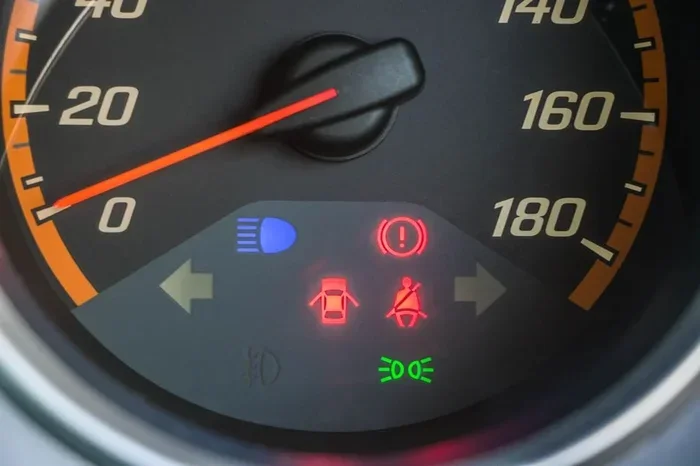
Inside the car, the technician checks all dashboard warning lights. They test the horn, mirrors, and seatbelts. The HVAC system is evaluated to make sure it blows hot and cold air properly.
The cabin air filter is often inspected during this step. A dirty cabin filter can reduce air quality inside your car and affect your allergies.
Under the Hood
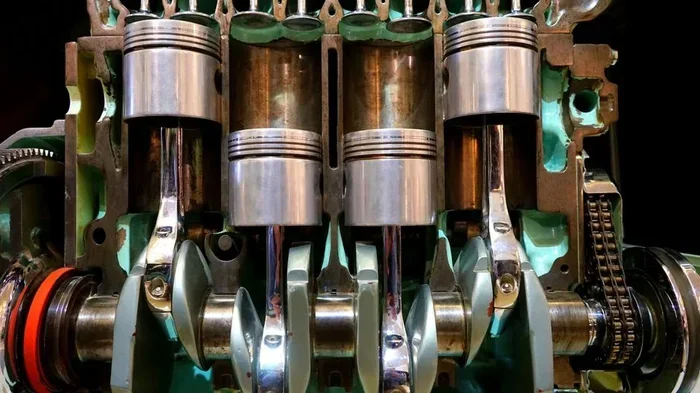
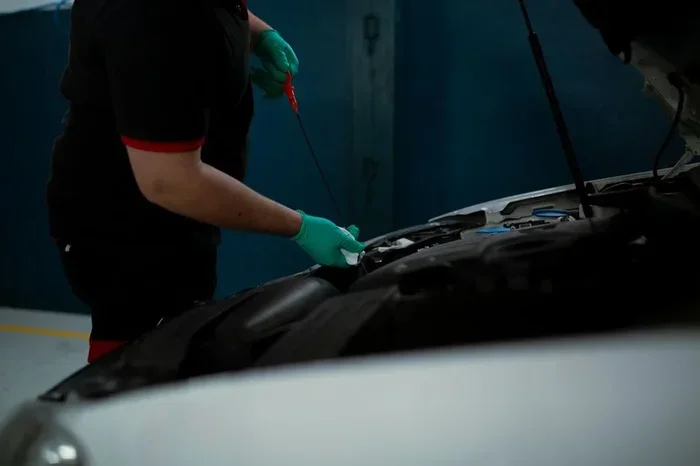
This is where the engine work happens. The oil level and condition are assessed. The air filter and serpentine belt get a close look. All fluid reservoirs are checked and topped off if needed.
The battery terminals are cleaned if there is any corrosion. The technician also checks the hoses for cracks or swelling. These small details matter for long-term engine health.
Undercarriage Inspection
The underside of your car takes a beating from road debris. The exhaust system, suspension components, and steering linkage are all inspected. Any leaks, rust, or worn parts are flagged.
This part of the inspection is especially important if you drive on rough roads or in areas with heavy salt use during winter.
How Often Should You Get This Service?
Most manufacturers recommend an oil change every 5,000 to 7,500 miles. For older vehicles or those using conventional oil, the interval may be shorter. The multi point inspection should happen at the same time.
Here is a simple guide to follow:
- Every Oil Change: Get the inspection done each time you change your oil.
- Seasonal Check: Before winter and summer, a full inspection helps prepare your car for extreme weather.
- Before Long Trips: Always get a checkup before a road trip. You do not want a breakdown far from home.
- After 30,000 Miles: Request a more detailed inspection at this milestone. It covers items like transmission fluid and spark plugs.
Sticking to this schedule keeps your car in top shape. It also helps you spot patterns in recurring issues over time.
Common Mistakes Car Owners Make
Avoid these common errors to get the most out of your engine oil service with multi point inspection included.
Skipping the Inspection to Save Money
Some shops offer a cheap oil change without an inspection. It might seem like a good deal. But you miss the chance to catch problems early. A small issue found during an inspection costs a few dollars. The same issue found after it causes damage costs hundreds.
Ignoring the Inspection Report
After the inspection, you get a detailed report. Do not just toss it in the trash. Review it carefully. Ask the technician to explain any items rated as “needs attention” or “urgent.” Understanding your car’s condition helps you make informed decisions.
Not Keeping Records
Keep a log of every oil change and inspection. This record helps you track maintenance intervals. It also adds resale value to your vehicle. Buyers love a well-documented service history.
Choosing the Wrong Oil
Not all oil is the same. Your vehicle needs a specific viscosity and type. Using the wrong oil can reduce engine performance. Always check your owner’s manual or ask the technician for the right recommendation.
Expert Tips for Getting the Most Out of Your Service
Follow these tips to make your engine oil service with multi point inspection included as effective as possible.
- Ask Questions: Do not be afraid to ask the technician what they found. A good mechanic will explain everything clearly.
- Note Noisy Sounds: If your car makes strange noises, tell the technician before the inspection starts. They can focus on that area.
- Check for Recalls: Some inspections reveal safety recalls on specific parts. Ask the technician if any apply to your vehicle.
- Request Photos: Many shops now take photos of problem areas. Ask for these so you can see the issues yourself.
- Compare Quotes: Get quotes from two or three service centers. Prices can vary, but the quality of the inspection should remain consistent.
Being an informed car owner gives you confidence. You know you are getting fair service and not paying for unnecessary work.
How to Choose the Right Service Center
Not all shops offer the same quality of multi point inspection. Here is what to look for when choosing where to go.
- Certifications: Look for ASE-certified technicians. This means they have passed rigorous industry exams.
- Transparent Pricing: A reputable shop will show you the cost upfront. No hidden fees or surprise charges.
- Warranty on Parts and Labor: Good service centers stand behind their work with a warranty.
- Customer Reviews: Check online reviews for honest feedback from real customers.
- Detailed Reports: Choose a shop that provides a written inspection report with clear explanations.
Taking the time to find the right service center pays off. You get honest work and reliable results every time.
Is This Service Worth It for Older Vehicles?
Absolutely. In fact, multi point inspections are even more important for older cars. Aging vehicles are more prone to wear and tear. Regular inspections help you stay ahead of issues that could leave you stranded.
An older car with a documented service history is also more valuable. If you decide to sell it, buyers will pay more for a well-maintained vehicle. The investment in regular oil service and inspections pays for itself at resale time.
Even if your car has high mileage, a thorough engine oil service with multi point inspection included can add years to its life. Consistent care makes a bigger difference than most people realize.
Frequently Asked Questions
What is included in a multi point inspection?
A multi point inspection typically covers your brakes, tires, fluids, battery, belts, hoses, lights, wipers, and undercarriage. Some shops also check the air filter, cabin filter, and exhaust system. The exact checklist varies by service center and vehicle type.
How long does an oil service with inspection take?
Most engine oil services with multi point inspection take between 30 and 60 minutes. The inspection adds about 15 to 20 minutes to a standard oil change. Some shops can complete everything in under an hour if there are no issues found.
How much does this service cost?
The cost depends on your vehicle, the type of oil used, and your location. On average, you can expect to pay between $50 and $120. Many shops bundle the inspection with the oil change at a discounted rate compared to booking them separately.
Can I do a multi point inspection myself?
You can perform a basic visual check at home. Look at your tire pressure, check your oil level, and test your lights. However, a professional inspection uses diagnostic tools and trained eyes. Technicians can spot issues that are not visible to the average car owner.
What happens if something is found during the inspection?
The technician will share the findings with you. They will explain the issue and recommend the next steps. You always have the choice of whether to proceed with any recommended repairs. A good shop will never pressure you into unnecessary work.
Does this service help with my car’s resale value?
Yes, it does. A documented history of regular oil changes and inspections shows potential buyers that the car was well maintained. This can increase your resale price and make the sale process smoother and faster.
Final Thoughts
Your car deserves more than just an oil change. An engine oil service with multi point inspection included gives your vehicle the full care it needs. From brakes to battery, every major system gets checked and verified.
This service is simple, affordable, and incredibly effective. It catches problems early, keeps you safe, and saves you money in the long run. Whether your car is new or old, this maintenance step should never be skipped.
Make it a habit to book this combined service every time your car is due for an oil change. Your car will thank you with better performance, improved fuel economy, and a longer life on the road. Take charge of your vehicle’s health today and enjoy the confidence that comes with a thorough inspection.
If you want to explore more car care tips or find the best tools for your garage, check out our guide on desk organization and workspace tips. A clean, organized workspace helps you stay focused on your car maintenance routine. For bright and efficient lighting while working on your vehicle, consider a desk lamp with clamp that provides excellent visibility under the hood. And if you need a reliable light source for nighttime tire checks, a desk lamp with clamp 2 model offers flexible positioning and strong illumination for any garage setup.