How to Check Oil Level in Car and Avoid Costly Damage
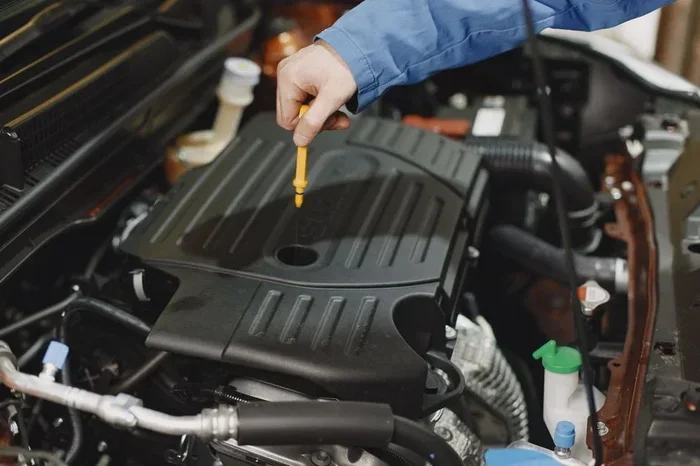
Knowing how to check oil level in car is one of the simplest yet most important skills every driver should have. Regular oil checks help prevent engine damage, improve fuel efficiency, and extend the life of your vehicle. This guide walks you through the entire process, from locating the dipstick to interpreting the results and avoiding common mistakes.
Every car owner should know how to check oil level in car. It takes less than five minutes and can save you from expensive repairs down the road. Engine oil is the lifeblood of your vehicle. It keeps all the moving parts lubricated, reduces friction, and prevents overheating. When oil levels drop too low, your engine suffers. Parts grind against each other, heat builds up, and damage follows quickly.
Many drivers ignore their oil until something goes wrong. By then, the damage can already be severe. A simple oil check done regularly can prevent all of that. Whether you drive a new sedan or an older SUV, this guide will show you exactly how to check your oil level the right way. You will learn the tools you need, the steps to follow, and the mistakes to avoid. Let us get started.
Key Takeaways
- Check oil level regularly: Make it a habit to inspect your oil at least once a month to keep your engine healthy.
- Use the dipstick correctly: Pull, wipe, reinsert, and pull again for an accurate reading every time.
- Know the warning signs: Low oil causes strange noises, reduced performance, and dashboard warning lights.
- Avoid overfilling: Too much oil can be just as damaging as too little, so stay within the recommended range.
- Follow a maintenance schedule: Stick to your car manufacturer’s oil change intervals for best results.
- Pick the right oil type: Using the correct engine oil type protects your engine and improves performance.
📑 Table of Contents
Why Checking Your Oil Level Matters
Engine oil plays a huge role in how your car runs. Without enough oil, your engine cannot function properly. Think of oil as the fluid that keeps everything moving smoothly inside the engine block. It reduces heat, minimizes wear and tear, and prevents metal parts from grinding together.
The Role of Engine Oil
Your car engine has hundreds of moving parts. These parts spin, slide, and rotate at high speeds. Oil creates a thin protective layer between them. This layer reduces friction and keeps temperatures under control. Clean oil also carries away tiny particles of dirt and debris. Over time, oil breaks down and loses its effectiveness. That is why checking oil level in car should be part of your regular vehicle maintenance routine.
Low oil means less lubrication. Less lubrication means more friction. More friction means more heat. And too much heat can warp engine parts or even seize the engine completely. The cost of replacing a damaged engine can reach thousands of dollars. A simple oil check costs nothing and takes only a few minutes.
Warning Signs of Low Oil
Your car will tell you when something is wrong. Watch for these common low oil symptoms:
- Dashboard warning light: The oil pressure light or check engine light may turn on.
- Strange engine noises: Knocking, ticking, or clattering sounds from under the hood.
- Burning smell: A hot, oily smell coming from the engine area.
- Reduced performance: Your car feels sluggish or less responsive.
- Exhaust smoke: Dark or blue smoke from the tailpipe.
- Oil spots on the ground: Puddles of dark fluid where you park.
If you notice any of these signs, check your oil level right away. Ignoring them can lead to serious engine damage. For more on car care tips that keep your engine healthy, consider exploring proper maintenance routines.
Tools You Need to Check Oil Level
Checking oil level is simple. You do not need fancy tools or a mechanic. Here is what you will need:
- A clean cloth or paper towel: You will use this to wipe the dipstick clean.
- Gloves (optional): Engine oil can be messy. Rubber gloves keep your hands clean.
- Your car owner manual: This tells you where the dipstick is and what your oil level should be.
That is it. No special equipment needed. The dipstick is the main tool. It is a long metal rod with a handle that slides into the engine oil reservoir. When you pull it out, it shows you the oil level on marked lines or holes.
Some modern cars have electronic oil level indicators instead of a traditional dipstick. These display oil levels on the dashboard screen. Check your owner manual to see which type your car uses. Either way, the process is quick and easy.
Step-by-Step Guide to Check Oil Level in Car
Follow these steps carefully for an accurate reading every time. Do not skip any steps, as each one matters.
Step 1: Park on Level Ground
First, park your car on flat, level ground. This ensures the oil sits evenly in the reservoir. If you park on a slope, the reading will be inaccurate. Turn off the engine and wait a few minutes. Hot oil needs time to settle back into the oil pan. Waiting gives you a more accurate measurement.
Step 2: Locate the Dipstick
Open the hood and find the dipstick. It usually has a brightly colored handle, often yellow or orange. The owner manual will show you exactly where it is. Pull the dipstick out slowly and carefully.
Step 3: Wipe the Dipstick Clean
Use a clean cloth or paper towel to wipe the dipstick completely clean. This removes old oil from the stick so you get a fresh reading. Hold the cloth flat and wipe from the tip of the rod all the way up to the handle.
Step 4: Reinsert the Dipstick
Push the dipstick all the way back into its tube. Do not force it, but make sure it goes in completely. If it is not fully seated, the reading will be wrong.
Step 5: Pull It Out Again
Now pull the dipstick out once more. Look at the tip. You will see oil on the rod. There are usually two marks on the dipstick. These could be two holes, two lines, or a crosshatched area. The oil level should fall between these marks.
If the oil line is between the two marks, you are good. If it is below the lower mark, you need to add oil. If it is above the upper mark, you have too much oil. Both situations need attention.
Step 6: Check Oil Color and Quality
While you have the dipstick out, look at the oil color. Fresh oil is amber or golden brown. Dark brown or black oil means it is time for an oil change. Milky or frothy oil could indicate a serious problem, like a coolant leak. If you notice anything unusual, consult a mechanic.
Some drivers also check the oil cap for residue. The oil cap sits on top of the oil reservoir. Removing it gives you a better view of the oil inside. Just make sure the engine is cool before you do this.
Common Mistakes When Checking Oil
Even simple tasks can go wrong if you rush through them. Here are the most common mistakes drivers make when checking oil level:
- Checking oil while the engine is running: Always turn off the engine first. Running oil is circulating and will not give you an accurate reading.
- Not waiting long enough: Hot oil rises up through the engine. Wait at least five minutes after turning off the engine. This lets the oil drain back into the pan.
- Overfilling the oil: Adding too much oil causes pressure to build up inside the engine. This can damage seals and gaskets.
- Using the wrong oil type: Every engine needs a specific oil type. Check your owner manual for the right grade and weight.
- Skipping regular checks: Oil levels drop over time. Monthly checks keep you ahead of any problems.
One mistake many drivers make is confusing the oil level with the oil pressure. The oil level tells you how much oil is in the reservoir. The oil pressure tells you how well the oil is flowing through the engine. Both matter. A low oil pressure reading can mean a failing oil pump, not just low oil. For help with car troubleshooting, understanding both readings is key.
Another common error is checking oil right after driving. The oil needs time to settle. Think of it like checking the water level in a glass. If you just poured water in and tilted the glass, the level would look wrong. Give your oil a moment to settle before you check it.
Some people also forget to check the oil cap condition. A loose or damaged oil cap can cause oil to leak slowly over time. If you notice oil drops under your car, check the cap first. It might be a simple fix that saves you a lot of trouble.
When to Change Your Engine Oil
Checking oil level is not the same as changing oil. You need to do both. Most car manufacturers recommend changing oil every 5,000 to 7,500 miles for conventional oil. Synthetic oil can last longer, sometimes up to 10,000 miles. Check your owner manual for the exact oil change schedule for your vehicle.
Here are some signs that your oil needs replacing:
- Dark or gritty oil: Clean oil is amber in color. Dark, dirty oil has lost its effectiveness.
- Burning smell inside the car: Old oil can produce a burnt odor.
- Increased engine noise: Worn oil does not lubricate as well.
- Oil pressure warning light: This light often indicates low or degraded oil.
- Mileage since last change: Track your miles and stick to the recommended interval.
Regular oil changes work hand in hand with regular oil checks. Together, they keep your engine running smoothly for years. Think of oil checks as the quick daily habit and oil changes as the deeper maintenance step. Both are essential parts of engine maintenance.
Where you place your car in the garage can also affect oil health. Parking in extreme heat or cold can change oil viscosity over time. A stable, sheltered spot helps maintain oil quality longer.
Quick Tips for Better Oil Maintenance
Here are some easy habits that will keep your engine in great shape:
- Check oil monthly: Set a reminder on your phone. Consistency is the key to prevention.
- Keep a log: Write down each oil check and change date. This helps you track patterns.
- Use quality oil: Choose oil that meets your car manufacturer specifications.
- Replace the oil filter: Always change the oil filter when you change the oil. A dirty filter reduces oil flow.
- Watch for leaks: Check under your car regularly for any new oil spots.
- Follow the manual: Your owner manual has the best advice for your specific vehicle.
Where you keep your maintenance supplies matters too. Just as where to put a plant on your desk affects its health, keeping your oil and tools organized makes maintenance easier. A clean, organized space helps you stay on top of your vehicle care routine.
Also, consider how you organize your car maintenance schedule. Just like organizing a study desk helps you stay productive, organizing your car care routine ensures nothing gets missed. Set calendar reminders, keep receipts, and track your mileage for each service.
One more tip: always keep a small bottle of the right engine oil in your trunk. You never know when you might need to top up between oil changes. This is especially helpful on long road trips where you are far from a service station.
Key Takeaways
- Check oil level monthly: Make it a regular habit to protect your engine.
- Follow the five-step process: Park, locate, wipe, reinsert, and read the dipstick.
- Watch for warning signs: Dashboard lights, engine noises, and oil spots should never be ignored.
- Avoid common mistakes: Do not check oil while the engine is running, and do not overfill.
- Change oil on schedule: Regular oil changes paired with oil checks maximize engine life.
- Use the right oil type: Always match your oil to your car manufacturer recommendations.
Frequently Asked Questions
How often should I check my oil level?
You should check your oil level at least once a month. Monthly checks help you catch any drops or leaks early. It takes less than five minutes and can prevent major engine problems. Make it part of your regular car maintenance schedule.
Can I check oil level in car while the engine is hot?
You can, but it is better to wait. Hot oil circulates through the engine and does not settle properly in the reservoir. Wait at least five minutes after turning off the engine. This gives the oil time to drain back into the oil pan for an accurate reading.
What happens if I drive with low oil?
Driving with low oil is very risky. Low oil means less lubrication for engine parts. This causes increased friction, overheating, and eventually severe engine damage. In worst cases, a seized engine can cost thousands of dollars to repair or replace.
How much oil should I add if the level is low?
Add oil gradually. Pour a small amount, wait a minute, then check the dipstick again. Overfilling is just as bad as underfilling. Too much oil creates excess pressure inside the engine and can damage seals and gaskets.
What is the difference between oil level and oil pressure?
Oil level refers to how much oil is in the reservoir. Oil pressure refers to how well the oil flows through the engine. Both are important. Low oil level means you need to add oil. Low oil pressure could mean a failing oil pump or clogged oil passages.
Do all cars have a dipstick for checking oil?
Most older cars have a traditional dipstick. However, some newer vehicles use electronic oil level sensors. These display oil levels on the dashboard screen. Check your owner manual to find out which system your car uses.
=== CONCLUSION ===
Knowing how to check oil level in car is a fundamental skill that every driver should master. It takes only a few minutes, requires no special tools, and can save you from expensive engine repairs. Regular oil checks help you catch problems early, before they turn into costly breakdowns. Follow the steps in this guide, avoid the common mistakes, and make oil checks part of your monthly routine.
Your engine works hard every day. It deserves proper care and attention. A little effort goes a long way. Stay proactive with your vehicle maintenance and your car will reward you with reliable performance for years to come. Start today, and your future self will thank you.
Remember, checking oil level is just one part of a complete car care routine. Pair it with regular oil changes, filter replacements, and professional inspections. Together, these habits keep your engine running strong and your wallet happy. Take charge of your car maintenance and drive with confidence.