Read More About How to Sell My Car for Parts Today
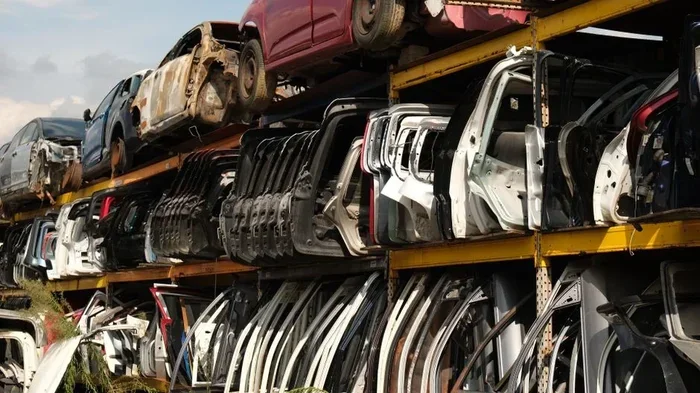
Selling your car for parts can earn you more money than a traditional trade-in. This guide walks you through every step, from evaluating your vehicle and pricing individual components to finding the right buyers and maximizing your profit. You will learn practical dismantling tips, discover the best online and local marketplaces, and avoid common mistakes that cost sellers thousands.
Have you ever wondered what your old car is really worth? Most people assume a junk vehicle is just a hunk of metal. But here is a secret. Sell my car for parts can unlock surprising value hiding inside that seemingly worthless shell.
Whether your car sits idle in the driveway or the garage has become its permanent home, there is money to be made. Every working component, from the engine to the catalytic converter, holds resale value. The trick is knowing how to access that value without wasting time or risking your safety.
This guide breaks down the entire process into simple, actionable steps. You will learn how to assess your vehicle, identify the most profitable parts, choose the best selling platforms, and avoid costly mistakes. By the end, you will feel confident walking through the dismantling process yourself or hiring someone to do it right.
Key Takeaways
- Higher Profit Potential: Selling parts individually often brings in significantly more cash than selling the whole car to a junkyard.
- Know Your Car’s Value: Research each component’s market price before you start dismantling to prioritize high-value parts first.
- Multiple Selling Channels: Online marketplaces, local junkyards, and specialty buyers all offer different advantages for selling car parts.
- Safety and Documentation Matter: Proper documentation and safe dismantling practices protect you legally and physically.
- Timing Is Key: Selling parts during peak demand seasons can boost your profit margins substantially.
📑 Table of Contents
- Why Selling Car Parts Can Be More Profitable Than Selling the Whole Car
- How to Prepare Your Car for Dismantling
- Best Places to Sell Car Parts Online and Locally
- How to Price Your Car Parts for Maximum Profit
- Common Mistakes to Avoid When Selling Car Parts
- Legal and Environmental Considerations
- Final Thoughts: Start Selling Your Car Parts Today
Why Selling Car Parts Can Be More Profitable Than Selling the Whole Car
Many car owners assume the only option is to sell the vehicle as-is to a junkyard. While that route is fast, it rarely pays what your car is truly worth. Individual parts sell at a premium because buyers often need specific components for repairs.
Consider this example. A junkyard might offer you $500 for a non-running sedan. But that same car could have a transmission worth $400, a catalytic converter worth $200, and a headlight assembly worth $150. Add in other sellable components, and your total could easily exceed $1,500.
Which Parts Sell Best?
Not all car parts hold equal value. Some components fly off the shelves the moment they hit a marketplace. Here are the top-selling parts you should prioritize:
- Catalytic Converters: Contain precious metals like platinum and palladium, making them highly valuable on the scrap market.
- Engines and Transmissions: Buyers pay top dollar for low-mileage, working powertrains.
- Alloy Wheels and Rims: Especially popular if they are from a desirable or luxury vehicle.
- Electronic Modules: GPS units, infotainment systems, and control modules have strong resale demand.
- Body Panels and Doors: Particularly for discontinued or rare models where replacements are hard to find.
- Headlights and Taillights: OEM (original equipment manufacturer) parts sell quickly on online marketplaces.
If you are not sure which parts your specific vehicle holds value in, a quick online search for your car model and year can reveal hidden gems. Many sellers find that what they thought was a worthless vehicle is actually a goldmine of reusable components.
How to Prepare Your Car for Dismantling
Before you grab a wrench, preparation is essential. Rushing into dismantling without a plan can lead to lost value, damaged parts, and even legal trouble. A little upfront effort goes a long way toward maximizing your returns.
Step 1: Gather Your Documentation
You will need the vehicle title to legally sell parts in most states. If you have lost the title, contact your local DMV to request a duplicate. Keep a copy of your ID handy as well. Some buyers and platforms require proof of ownership before completing a transaction.
Step 2: Remove Personal Belongings
It sounds obvious, but people forget things inside their cars all the time. Check the glove compartment, under seats, in the trunk, and even the sun visor pockets. Remove all personal items before you begin dismantling. This simple step prevents you from losing valuables during the process.
Step 3: Drain Fluids Safely
Cars contain several fluids that must be removed before parting out. Engine oil, coolant, transmission fluid, brake fluid, and gasoline all need proper disposal. Many local auto shops and recycling centers accept used fluids for free or a small fee. Never dump fluids on the ground or into drains. It is illegal and harmful to the environment.
Some sellers set up a simple workspace in their garage for this process. Having good lighting and a clean surface makes the job much easier. If you work at a home desk afterward to manage sales and listings, a quality desk lamp for office can make a big difference in comfort and productivity.
Best Places to Sell Car Parts Online and Locally
Once your parts are ready, the next step is finding buyers. The good news is that you have more options than ever before. Both online platforms and local buyers compete for used car components, which works in your favor.
Online Marketplaces
Websites like eBay Motors, Craigslist, Facebook Marketplace, and specialized auto parts platforms give you access to millions of potential buyers. These platforms let you set your own prices and reach a wide audience quickly.
When listing parts online, take clear photos and write detailed descriptions. Include the car make, model, year, and mileage. Mention any flaws honestly. Transparency builds trust and leads to faster sales.
Local Junkyards and Salvage Yards
If you prefer a hands-off approach, local junkyards will often buy entire vehicles or individual parts. They handle towing and dismantling for you. However, their offers tend to be lower than what you could earn selling parts yourself.
Call around to multiple salvage yards in your area and compare quotes. Do not accept the first offer you receive. Competition among yards works to your advantage.
Specialty Buyers and Forums
For rare or classic car parts, specialty buyers and online forums can be goldmines. Vintage car enthusiast communities often pay premium prices for hard-to-find components. If your vehicle is a classic model, this route is especially worth exploring.
Pro tip: If you spend time working on your listings at a home setup, keeping your workspace pleasant helps your focus. Adding some plants for work desk can improve your mood and air quality while you manage sales and communicate with buyers.
How to Price Your Car Parts for Maximum Profit
Pricing is where many sellers make costly mistakes. Price too high, and your parts sit unsold for weeks. Price too low, and you leave money on the table. Finding the sweet spot requires a little research and regular market awareness.
Research Comparable Listings
Start by searching for the same part on major marketplaces. Look at what similar parts are selling for, not just what they are listed for. Focus on completed or sold listings to get real market data. Adjust your price based on the condition of your part compared to others.
Factor in Your Costs
Remember that you invested time and possibly money into the dismantling process. Shipping costs, packaging materials, and listing fees all eat into your profit. Build these costs into your pricing so you do not accidentally sell at a loss.
Offer Bundle Deals
Buyers love a good deal. If you have multiple parts from the same vehicle, consider offering bundle pricing. A slight discount for buying two or more parts encourages larger purchases and helps you clear inventory faster.
| Part | Average Market Price | Your Target Price |
|---|---|---|
| Catalytic Converter | $150 – $400 | $175 – $350 |
| Engine (used) | $300 – $1,500 | $350 – $1,400 |
| Headlight Assembly (OEM) | $50 – $200 | $55 – $180 |
| Alloy Wheels Set | $100 – $600 | $120 – $550 |
| Transmission | $400 – $2,000 | $450 – $1,800 |
Use this table as a starting point. Prices vary based on location, demand, and part condition. Always update your research before listing new parts for sale.
Common Mistakes to Avoid When Selling Car Parts
Even with the best intentions, sellers often fall into traps that cost them time and money. Learning from other people’s mistakes can save you a lot of frustration.
Skipping Part Identification
Every part has a specific part number. Without it, buyers cannot confirm compatibility with their vehicle. Take the time to look up and record part numbers before you list anything. This small step dramatically increases your chances of making a sale.
Ignoring Shipping Logistics
Car parts can be heavy and fragile. If you plan to ship items, invest in proper packaging materials. Use sturdy boxes, bubble wrap, and foam padding. A damaged part leads to negative reviews and lost future sales. Always calculate shipping costs before setting your price.
Failing to Market Effectively
Just listing a part and hoping for the best rarely works. Use clear, well-lit photos taken against a clean background. Write descriptions that focus on the benefits and specifications of each part. Highlight any recent testing or verification of functionality.
Waiting Too Long to Sell
Some parts lose value over time. Catalytic converters, for example, depend on the price of precious metals, which fluctuates. If you have parts that are not selling, consider adjusting your price or trying a different marketplace. Holding onto parts too long ties up your space and effort.
For sellers who also work from a home desk managing their sales, having proper lighting and an organized workspace matters. Many people find that a dedicated setup helps them stay productive. If you are interested in learning more about workspace optimization, check out this article on desk lamps for detailed work which offers insights applicable to any precision task.
Legal and Environmental Considerations
Selling car parts comes with responsibilities that go beyond making a sale. Understanding the legal and environmental aspects protects you and ensures you operate ethically.
Title and Ownership Laws
In most states, you cannot legally sell parts from a vehicle without a clear title. If the car still has an outstanding loan, you must pay it off first. Selling parts from a vehicle that is not legally yours can result in serious legal consequences.
Proper Disposal of Hazardous Materials
Cars contain hazardous materials like battery acid, mercury switches, and refrigerant. These require proper disposal at certified recycling facilities. Never dispose of these materials in regular trash. Many recycling centers and auto parts stores offer free collection services for these items.
Environmental Benefits of Part Recycling
Selling car parts for reuse is an environmentally friendly choice. It reduces the demand for new manufacturing and keeps usable materials out of landfills. Every part you resell is one less part that needs to be newly produced. That is a win for your wallet and the planet.
When you are done dismantling and your workspace needs a refresh, consider adding some greenery to your area. Studies show that plants improve focus and reduce stress. If you want ideas for setting up a pleasant work environment, this guide on plants for work desk offers great suggestions.
Final Thoughts: Start Selling Your Car Parts Today
Sell my car for parts is a smart financial move that turns an idle vehicle into real cash. You do not need to be a mechanic or a parts expert. With the right preparation, research, and selling strategy, anyone can do it successfully.
Start by identifying your most valuable components. Research their market prices. Choose the right selling channels. And avoid the common mistakes that trip up beginners. The process takes effort, but the rewards are well worth it.
Whether you are clearing out a garage, downsizing your vehicle collection, or simply looking to make extra money, selling car parts offers a practical and profitable path forward. The knowledge you gain from this guide puts you ahead of most sellers who just accept the first junkyard offer they receive.
Take action today. Assess your vehicle, identify your most valuable parts, and start listing them for sale. You might be surprised at how much your old car is truly worth when you break it down and sell it piece by piece.
Frequently Asked Questions
Can I sell car parts without a title?
In most states, you need a valid title to sell parts legally. Without a title, you may struggle to find legitimate buyers and could face legal issues. If you have lost your title, contact your local DMV to obtain a replacement before selling any components.
What is the fastest way to sell car parts?
Online marketplaces like eBay Motors and Facebook Marketplace offer the fastest route to selling car parts. List items with clear photos and detailed descriptions, and you can often find buyers within days. Local salvage yards also offer quick purchases if speed is your priority.
How do I know if a part is still valuable?
Research comparable listings on major marketplaces to check current prices. Parts from popular or rare vehicle models tend to hold higher value. Catalytic converters, engines, and electronic modules typically command the best prices across most vehicle types.
Is it legal to dismantle a car in my driveway?
Laws vary by location, but most areas allow personal vehicle dismantling on private property. Check your local regulations for any permits or restrictions you may need. Always dispose of hazardous fluids and materials properly through certified recycling facilities.
How much can I realistically earn selling car parts?
Earnings vary widely based on your vehicle’s make, model, year, and condition. A typical sedan might yield anywhere from $500 to $2,000 in parts. Luxury and rare vehicles can bring in significantly more, especially if you have high-demand components like alloy wheels or performance parts.
Should I sell parts individually or as a complete lot?
Selling parts individually almost always earns more money than selling the whole vehicle as a lot. Individual buyers pay a premium for specific components they need. However, if you do not have the time or space to list parts separately, selling as a lot to a salvage yard is a perfectly valid option.