Beginner Tips for Car Detailing Made Simple and Easy

Beginner tips for car detailing break down the process into easy, manageable steps that anyone can follow. Whether you want to refresh your car’s appearance or protect its paint, these simple techniques deliver professional results at home. With the right tools, products, and a little patience, your car will look showroom-ready in no time.
Car detailing might sound intimidating, especially if you have never done it before. But the truth is, beginner tips for car detailing make the whole process much easier than you think. You do not need expensive equipment or years of experience. With a few basic tools and some simple guidance, you can transform your car from dull and dirty to clean and shiny.
Detailing is more than just a car wash. It involves cleaning, polishing, and protecting every surface inside and out. Think of it as giving your car a full spa day. Whether you want to maintain your car’s value or simply enjoy driving a clean vehicle, learning the basics of car detailing is a skill worth having.
This guide walks you through everything you need to know as a beginner. From the tools you need to the step-by-step process, you will find practical advice that works for any car owner. Let us dive in and make your car look amazing.
Key Takeaways
- Start with the right tools: A basic detailing kit saves time and money compared to professional services.
- Work top to bottom: Always clean the roof and upper panels first to let dirt run downward.
- Use the two-bucket method: This prevents scratches by keeping your wash mitt clean.
- Don’t skip the interior: Vacuuming, wiping surfaces, and cleaning glass make a huge difference.
- Apply wax or sealant: This protects your car’s paint from UV rays, dirt, and environmental damage.
- Avoid common mistakes: Never use dish soap, dry-wipe a dusty surface, or work in direct sunlight.
- Detail regularly: A thorough wash and detail every 4 to 6 weeks keeps your car looking its best.
📑 Table of Contents
What Is Car Detailing?
Car detailing is a thorough cleaning and restoration process for both the interior and exterior of a vehicle. Unlike a standard car wash that focuses on the outside, detailing covers every inch of your car. The goal is to make it look and feel like new.
There are two main parts to detailing:
- Exterior detailing: This includes washing, claying, polishing, and waxing the paint, wheels, and glass.
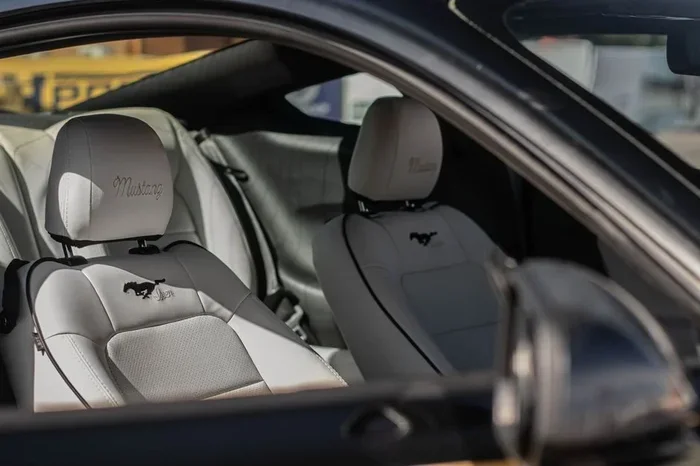
- Interior detailing: This covers vacuuming, steam cleaning, wiping surfaces, and conditioning leather or fabric.
For beginners, the key is to take it one step at a time. You do not need to do everything at once. Start with a basic wash and wax, and then build your skills from there. Over time, you can work up to more advanced techniques like paint correction or ceramic coating.
Essential Tools and Products for Beginner Car Detailing
Having the right tools makes a big difference. You do not need a massive collection to get started. Here is a simple list of what every beginner should have.
Basic Exterior Tools
- Two buckets: One for soapy water and one for rinsing your mitt.
- Microfiber wash mitt: This is gentle on your car’s paint and picks up dirt easily.
- Car shampoo: A pH-balanced wash soap designed for automotive use.
- Drying towel: A large microfiber towel prevents water spots.
- Clay bar kit: This removes embedded contaminants from the paint surface.
- Car wax or sealant: Protects the paint and adds shine.
- Wheel cleaner: A dedicated cleaner for your rims and tires.
Basic Interior Tools
- Vacuum cleaner: A handheld or full-size vacuum works great for seats and floors.
- Interior cleaner spray: Use this on dashboards, doors, and trim pieces.
- Glass cleaner: A streak-free formula keeps your windows crystal clear.
- Upholstery brush: Helps deep clean fabric seats and carpet.
- Microfiber cloths: You will need several for wiping different surfaces.
Good lighting helps you spot every scratch and swirl mark. A desk lamp for crafting can provide the focused light you need for tight spaces around trim and vents. Before using any new product, take time to read the instructions carefully with proper lighting to understand how it works on your car’s surface.
Step-by-Step Exterior Detailing
The exterior is the first thing people notice. Follow these steps to get a professional-looking finish.
Step 1: Rinse Thoroughly
Start by rinsing your car with water to remove loose dirt and debris. This prevents scratches during the wash. Use a gentle stream from a hose, working from the top down. Pay extra attention to the wheels and lower panels, where dirt tends to build up.
Step 2: Wash Using the Two-Bucket Method
Fill one bucket with soapy water and the other with clean rinse water. Dip your wash mitt into the soapy bucket, wash a section of the car, then rinse the mitt in the clean water bucket before dipping it again. This simple technique keeps your mitt free of grit that can scratch the paint.
Step 3: Dry the Car
Use a clean microfiber drying towel to gently pat the car dry. Do not rub, as this can create swirl marks. Work in sections and make sure you dry all the water away, especially in crevices and around trim.
Step 4: Clay Bar Treatment
A clay bar removes tiny particles stuck to the paint that washing alone cannot reach. Spray a lubricant onto a small area, then glide the clay bar gently across the surface. The paint will feel smooth and clean afterward. This step is optional but highly recommended for a truly polished look.
Step 5: Polish and Wax
If your paint has light scratches or looks dull, a polish can restore the shine. Apply a small amount to a foam pad and work it into the paint in circular motions. After polishing, apply a layer of wax or sealant for protection. Wax adds a warm, deep glow, while sealant offers longer-lasting durability.
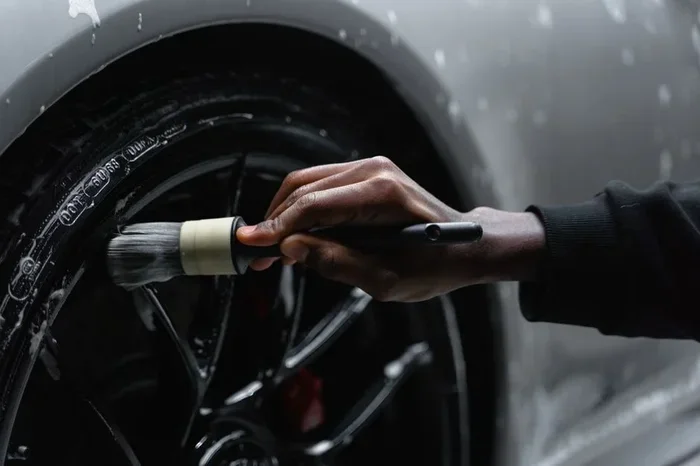
Cleaning the wheels and tires is an important part of the exterior process. Use a dedicated wheel cleaner and a brush to scrub away brake dust and grime. Finish with a tire dressing for a shiny, finished look.
Step-by-Step Interior Detailing
The interior deserves just as much attention as the exterior. A clean cabin makes every drive more enjoyable.
Step 1: Remove Trash and Clutter
Start by taking out all trash, personal items, and floor mats. Shake out the mats and set them aside for cleaning. This gives you a blank canvas to work with.
Step 2: Vacuum Everything
Use your vacuum to clean the seats, carpet, floor mats, and trunk. Go slowly over crevices between seats and along the edges of the carpet. A crevice tool attachment helps reach tight spots.
Step 3: Clean Hard Surfaces
Spray your interior cleaner onto a microfiber cloth and wipe down the dashboard, center console, door panels, and steering wheel. For stubborn grime, use a soft brush to agitate dirt before wiping it away. Do not forget the vents, cup holders, and switchgear.
Attention to small details is what separates a good detailing job from a great one. Cleaning tight spaces and small crevices is much like the precision needed when using a desk lamp for painting miniatures – you need to see every tiny detail clearly to do the job right.
Step 4: Clean the Upholstery
For fabric seats, use an upholstery cleaner and a brush to work it into the material. For leather seats, apply a leather cleaner followed by a conditioner to keep the leather soft and prevent cracking. Always test any product on a hidden area first.
Step 5: Clean the Windows
Finish the interior by cleaning all the glass. Use a glass cleaner and a lint-free cloth. Wipe in a circular motion to avoid streaks. Clean both the inside and outside of the windows for a crystal-clear view.
Common Beginner Mistakes to Avoid
Everyone makes mistakes when they start detailing. Here are some common ones to watch out for.
Using Dish Soap to Wash Your Car
Dish soap strips away wax and can dull your paint over time. Always use a dedicated car shampoo that is gentle and pH-balanced.
Working in Direct Sunlight
Sunlight causes soap and wax to dry too quickly, leaving streaks and residue. Choose a shady spot or work in the early morning or evening.
Skipping the Drying Step
Letting your car air dry can cause water spots that are hard to remove. Always dry your car thoroughly with a clean towel.
Using a Dirty Towel or Mitt
A dirty mitt drags grit across your paint and creates scratches. Rinse your tools frequently and use fresh towels for each step.
Applying Too Much Wax
More wax does not mean more protection. A thin, even layer works best. Apply too much, and you will end up with a sticky mess that is hard to buff off.
How Often Should You Detail Your Car?
How often you detail depends on how much you drive and the conditions your car faces. As a general rule, a full exterior detailing session every 4 to 6 weeks keeps your car in great shape. Interior cleaning can be done more frequently, especially if you eat or drink inside the car.
Between full detailing sessions, keep up with quick maintenance. A rinse after a long road trip, a quick vacuum once a week, and a wipe-down of the dashboard go a long way. These small habits prevent buildup and make your full detailing sessions faster and easier.
Seasonal changes also affect how often you should detail. Winter salt and road grime call for more frequent washes in colder months. Spring and summer bring pollen, bugs, and UV exposure that can damage your paint. Adjust your routine with the seasons to keep your car protected year-round.
Final Thoughts on Beginner Car Detailing
Beginner tips for car detailing are all about building good habits and using the right approach. You do not need to be an expert to get great results. Start with the basics, follow the steps outlined in this guide, and you will be amazed at how much your car can improve. Each time you detail, you will get faster and more confident.
Remember that detailing is not just about appearance. It is also about protecting your investment. Regular cleaning and waxing preserve your car’s paint, keep the interior in good condition, and maintain resale value. The effort you put in pays off in the long run.
Grab your bucket, grab your microfiber cloth, and give your car the care it deserves. With these beginner tips for car detailing, you have everything you need to get started. Happy detailing!
Frequently Asked Questions
What is the best beginner car detailing kit?
A basic kit should include a microfiber wash mitt, two buckets, car shampoo, a drying towel, a clay bar, wax or sealant, and an interior cleaner. These essentials cover both exterior and interior needs without overwhelming a beginner with too many products.
How long does it take to detail a car for the first time?
For a beginner, the first full detailing session can take anywhere from two to four hours. As you gain experience and develop a routine, you will get faster. Breaking the job into sections over a weekend makes it feel much more manageable.
Can I use a pressure washer instead of a hose?
Yes, a pressure washer works well for rinsing off loose dirt and grime. However, keep the pressure setting moderate and stay at least 12 inches away from the paint to avoid damage. It is a great tool for the initial rinse step.
Do I need to wax my car if I use a ceramic coating?
No. Ceramic coatings provide their own protection and do not need wax on top. In fact, wax can interfere with the bonding of a ceramic coating. If you apply a coating, skip the wax and follow the coating manufacturer’s instructions for maintenance.
Is it okay to detail my car in the driveway?
Yes, driveway detailing works fine as long as you choose a shaded area. Avoid direct sunlight, which causes products to dry too quickly. A flat, clean surface gives you plenty of room to work comfortably and safely.
What should I do if I accidentally scratch my paint while detailing?
Minor scratches from detailing can often be addressed with a light polish. Apply a small amount of polish to a foam pad and work it gently over the scratch. For deeper scratches, a professional paint correction treatment may be needed, but most beginner scratches are superficial and fixable at home.
=== CONCLUSION ===
Beginner tips for car detailing prove that anyone can achieve professional-level results with the right knowledge and tools. From the two-bucket wash method to interior vacuuming and window cleaning, each step plays an important role in keeping your car looking its best. The process is simpler than it seems, and the satisfaction of seeing a clean, shiny car is well worth the effort.
Start with the basics, avoid the common mistakes, and build your skills over time. Whether you detail your car once a month or once a season, the key is consistency. Your car will thank you with a lasting shine and protected surfaces for years to come.