Ar Seat Cleaning Tips That Actually Work Every Time
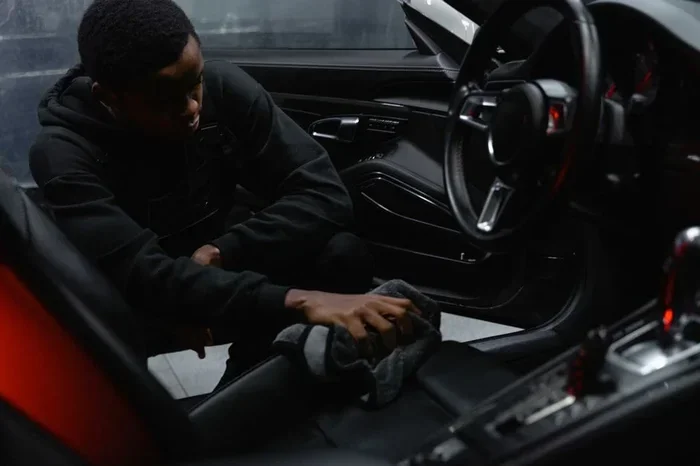
Ar seat cleaning tips help you keep your car interior fresh, stain-free, and looking great. This guide covers everything from basic vacuuming to removing stubborn stains and protecting your seats long-term. You will learn simple DIY methods that really work every time.
Keeping your car seats clean is one of the best things you can do for your vehicle. Not only does it look better, but it also keeps the interior in good shape for years. Whether you drive a sedan or an SUV, ar seat cleaning tips can make a huge difference in how your car feels and smells.
Many people avoid cleaning their car seats because they think it is too hard or time-consuming. The truth is, with the right approach, you can deep clean your seats at home. You do not need expensive equipment or professional help. A few simple tools and some basic knowledge go a long way. In this guide, we share ar seat cleaning tips that actually work every time.
We will walk you through each step of the process. You will learn how to remove stains, protect your seats, and keep them looking fresh. These car seat cleaning methods work on all types of materials. So whether you have leather, fabric, or vinyl seats, you will find useful advice here.
Key Takeaways
- Start with vacuuming: Always remove loose dirt and debris before applying any cleaning solution.
- Know your seat material: Leather, fabric, and vinyl all need different cleaning approaches.
- Use the right tools: A good brush, microfiber cloth, and quality cleaner make a big difference.
- Treat stains early: The faster you address a stain, the easier it is to remove.
- Protect after cleaning: Apply a protectant spray to keep seats safe from future damage.
- Follow a regular schedule: Consistent maintenance prevents buildup and extends seat life.
📑 Table of Contents
Why Ar Seat Cleaning Tips Matter
Your car seats take a lot of daily wear and tear. They absorb spills, collect dust, and hide crumbs. Over time, this buildup can cause stains, odors, and even material damage. Using the right ar seat cleaning tips helps you avoid all of these problems.
The Cost of Ignoring Your Seats
When you skip cleaning, dirt grinds into the fabric. This makes stains harder to remove over time. Leather seats can crack and fade without proper care. Fabric seats can hold onto odors that linger for months. In short, ignoring your seats costs you money in the long run. Regular auto interior detailing keeps your seats in top shape and preserves your car’s value.
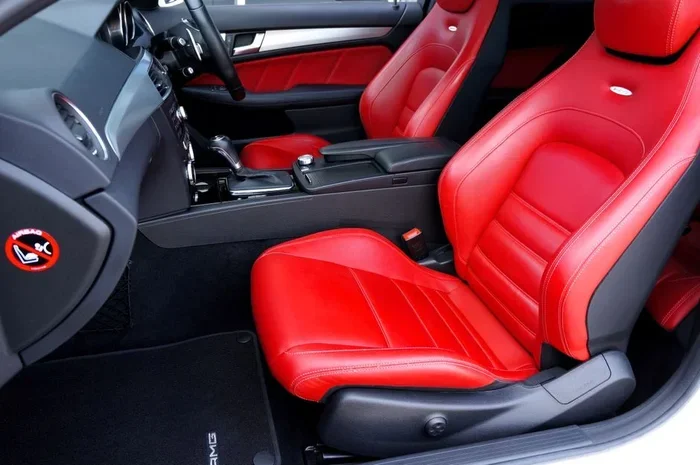
What Type of Seats Do You Have
Before you start cleaning, identify your seat material. Each type needs a different approach. Here is a quick breakdown:
- Leather seats: Require gentle cleaners and conditioning.
- Fabric seats: Need stain-removing solutions and thorough rinsing.
- Vinyl seats: Are durable but can crack if not protected.
- Cloth seats: Absorb spills easily and need deep cleaning.
Knowing your material helps you choose the right seat cleaning solution and avoid damage. Always check your car’s manual for specific care instructions.
Essential Tools for Ar Seat Cleaning
You do not need a lot of tools to clean your car seats well. A few quality items make the job much easier and faster. Here is what you should have on hand before you start your DIY car cleaning session.
Must-Have Cleaning Supplies
- Upholstery cleaner: A dedicated cleaner works better than household sprays.
- Leather cleaner and conditioner: If you have leather seats, both are essential.
- Fabric seat cleaner: Look for a formula designed for car interiors.
- Mild dish soap: A gentle option for light cleaning jobs.
- White vinegar: A natural cleaner that tackles odors and light stains.
- Baking soda: Great for absorbing smells and lifting stains.
Using the right clean leather seats products ensures you do not damage the material. Avoid harsh chemicals that can fade or dry out your seats.
Tools That Make the Job Easier
- Vacuum with a crevice tool: Essential for removing loose dirt from seams and corners.
- Soft-bristle brush: Helps work cleaner into fabric without scratching.
- Microfiber cloths: Gentle on all materials and great for wiping residue.
- Spray bottle: For mixing and applying your own cleaning solutions.
- Steam cleaner (optional): A deep cleaning tool for stubborn stains and germs.
Having these tools ready before you start saves time and frustration. Good auto seat maintenance starts with having the right supplies.
Step-by-Step Ar Seat Cleaning Process
Now that you have your tools, let us walk through the actual cleaning process. These ar seat cleaning tips follow a simple sequence that works every time.
Vacuum First Always
Always start by vacuuming your seats. This removes loose dirt, crumbs, and debris. Use the crevice tool to reach into seams and between seat cushions. Go over every section thoroughly. Skipping this step means dirt gets pushed deeper into the material when you apply cleaner. A good vacuum makes all the difference in car interior cleaning results.
Apply Your Cleaning Solution
Next, apply your chosen cleaner to a small, hidden area first. This tests for any discoloration or damage. If the spot looks fine after a few minutes, proceed with the rest of the seat. Spray the cleaner onto a microfiber cloth rather than directly onto the seat. This prevents over-wetting, which can lead to mold or mildew. Work in small sections for the best results.
Scrub and Rinse Properly
Use a soft brush to gently work the cleaner into the fabric or leather. Use circular motions and light pressure. For fabric seats, use a damp cloth to wipe away the cleaner and dirt. For leather, use a clean damp cloth and dry the surface immediately. Let the seats air dry completely before using the car again. Proper rinsing prevents residue buildup that can attract more dirt.
Removing Stubborn Stains From Car Seats
Even with regular cleaning, stubborn stains can appear. The key is to treat them quickly and use the right method. These seat stain removal techniques handle the toughest spots.
Food and Drink Stains
Coffee, juice, and food spills are common in cars. Blot the spill immediately with a clean cloth. Do not rub, as this pushes the stain deeper. Mix a small amount of dish soap with warm water. Apply it to the stain with a microfiber cloth. Gently blot until the stain lifts. For older stains, a paste of baking soda and water works wonders. Let it sit for 15 minutes, then wipe clean.
Ink and Dye Stains
Ink stains from pens or dye transfer from clothing can be tricky. Rubbing alcohol works well on ink stains. Apply a small amount to a cloth and dab gently. Do not soak the area. For dye stains, a mix of white vinegar and water can help. Test on a hidden spot first, then apply to the stain. These remove car seat stains methods are simple but effective.
Pet Stains and Odors
Pet accidents in the car are unpleasant but common. Blot up as much as possible right away. Use an enzyme-based cleaner designed for pet stains. These cleaners break down the proteins in urine and other messes. Sprinkle baking soda over the area after cleaning to absorb remaining odors. Let it sit overnight and vacuum it up the next day. For deep car seat odor removal, a steam cleaner can be very helpful.
Keeping Your Seats Protected Long-Term
Cleaning is only half the battle. Protecting your seats after cleaning ensures they stay in great shape. These ar seat cleaning tips include protection steps that extend the life of your seats.
Use Seat Covers and Protectors
Seat covers are one of the best investments for car owners. They shield seats from spills, sun damage, and everyday wear. Choose covers that fit your seat model snugly. Breathable fabric covers work well for hot climates. Waterproof covers are great for families with young children or pets. When you are not driving, consider using a car seat protector to keep seats safe.
Regular Maintenance Schedule
Consistency is the secret to clean car seats. Set a schedule for cleaning and stick to it. Here is a simple routine:
- Weekly: Vacuum seats and wipe down with a damp cloth.
- Monthly: Apply a light cleaner and condition leather seats.
- Every 3 months: Deep clean all seats with a proper upholstery cleaner.
- As needed: Treat stains immediately when they happen.
Following this schedule keeps your seats looking great year-round. It also makes each cleaning session faster and easier. Auto seat maintenance does not have to be complicated or time-consuming.
Common Mistakes to Avoid When Cleaning Car Seats
Even with the best intentions, people make mistakes when cleaning their car seats. Avoiding these errors saves time and prevents damage.
- Using too much water: Over-wetting can lead to mold growth inside the seat foam. Always use damp cloths, not soaking wet ones.
- Skipping the patch test: Always test any cleaner on a hidden area first. Some products can discolor or damage certain materials.
- Using harsh chemicals: Bleach and ammonia-based cleaners can break down seat materials over time. Stick to gentle, car-safe products.
- Not drying seats fully: Sitting on damp seats can cause water stains and mildew. Always let seats dry completely before use.
- Ignoring the back of seats: Dirt and crumbs build up on the backrest too. Clean all surfaces, not just the front.
- Waiting too long to treat stains: Fresh stains are always easier to remove. Address spills as soon as they happen.
These car detailing tips help you avoid common pitfalls. Being mindful of what you use and how you clean makes a big difference in results.
Expert Insights on Ar Seat Cleaning
Professional detailers share some valuable advice that elevates your cleaning game. Here are insights from experts in the field of car interior cleaning.
Many professionals recommend using a two-bucket method when cleaning seats. One bucket holds your cleaning solution, and the other holds clean rinse water. This prevents you from spreading dirt back onto the seats. It is a simple habit that produces noticeably cleaner results.
Experts also emphasize the importance of seat conditioning. After cleaning leather seats, always apply a quality conditioner. This keeps the leather soft, supple, and protected from cracking. For fabric seats, a fabric protectant spray adds an extra layer of defense against future stains. These small steps make a big impact on the longevity of your seats.
Another pro tip is to clean your seats on a cloudy day or in a shaded area. Direct sunlight causes cleaning solutions to dry too quickly. This can leave residue or streaks on the surface. A shaded spot allows the cleaner to work effectively before you wipe it away.
Finally, do not forget about the small details. Clean the seat seams, adjust the seat tracks, and wipe down the seat controls. These areas collect hidden dirt that affects the overall look of your interior. Thorough deep clean car seats sessions include every nook and cranny.
Conclusion
Ar seat cleaning tips are simple to follow and make a real difference in your car’s appearance and comfort. Start with vacuuming, use the right cleaner for your seat material, and always treat stains promptly. Protect your seats after cleaning with covers and conditioning products. A regular maintenance schedule keeps everything looking fresh without much effort.
Remember, clean car seats are not just about looks. They also protect your investment and create a healthier environment inside your vehicle. With the tips shared in this guide, you have everything you need to keep your seats in excellent condition. Start today, and your car interior will thank you for it. Consistent care and the right ar seat cleaning tips ensure your seats stay beautiful for years to come.
Frequently Asked Questions
How often should I clean my car seats?
You should vacuum your seats weekly and do a full deep clean every three months. If you eat in the car or have pets, you may need to clean more often. Regular cleaning prevents buildup and keeps seats looking their best.
Can I use household cleaners on car seats?
It is best to avoid household cleaners. Many contain chemicals that can damage seat materials or leave harsh residues. Use products specifically designed for car upholstery or leather to get the best and safest results.
What is the best way to remove coffee stains from car seats?
Blot the spill immediately with a clean cloth. Mix a few drops of dish soap with warm water and apply it to the stain. Gently blot with a microfiber cloth until the stain lifts. Avoid rubbing, as it spreads the stain further into the fabric.
Do I need a steam cleaner for car seat cleaning?
A steam cleaner is not required but is very helpful for deep cleaning. It removes embedded dirt, kills bacteria, and tackles stubborn odors. If you do not have one, a good upholstery cleaner and a soft brush work just as well for regular maintenance.
How do I protect fabric seats from future stains?
After cleaning, apply a fabric protectant spray designed for car interiors. It creates a barrier that repels liquids and makes cleanup easier. Reapply the protectant every few months for ongoing protection against spills and stains.
Is it safe to use vinegar on car seats?
Yes, white vinegar is safe for most seat materials and is a natural cleaner. Mix it with water in equal parts for a gentle cleaning solution. Always test on a small hidden area first to ensure it does not affect the color or finish of your seats.