How to Turn Off Low Tire Pressure Light Step by Step
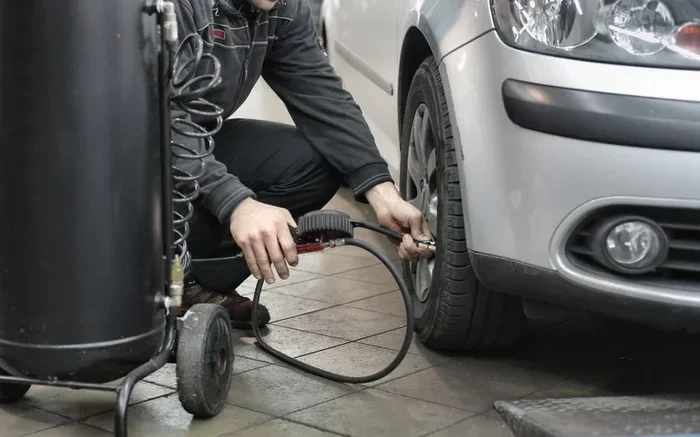
The low tire pressure light can be annoying, but fixing it is usually simple. You can turn off the warning by checking your tire pressure, inflating tires to the right level, and resetting the TPMS system. This guide walks you through each step clearly so you can handle the problem yourself and drive safely again.
That little yellow tire icon on your dashboard can really get under your skin. You are driving along, minding your own business, and suddenly — boom — the low tire pressure light shows up uninvited. It is one of those warning lights that makes you wonder if your car is about to fall apart. But here is the good news. In most cases, turning off this light is something you can do yourself without visiting a mechanic. This guide will walk you through the entire process step by step, from checking your tire pressure to resetting the system and preventing future issues.
Your tire pressure monitoring system, or TPMS, is designed to keep you safe. It alerts you when tire pressure drops below a safe level. However, sometimes the light stays on even after you have fixed the problem. That is where this guide comes in. We will cover every method to reset the light, explain why tires lose air, and help you decide when a trip to the shop is actually necessary. Whether you drive a sedan, SUV, or truck, the steps below apply to most vehicles on the road today.
Key Takeaways
- Check tire pressure first: Always verify your tire pressure with a gauge before trying to reset the light.
- Reset the TPMS system: Most vehicles have a simple reset button or procedure to clear the warning.
- Inflate to the correct PSI: Driving on underinflated tires is dangerous and wastes fuel.
- Know when to seek help: A persistent light may signal a faulty sensor or slow leak that needs professional attention.
- Prevent future issues: Regular tire maintenance keeps your tires healthy and the warning light off.
📑 Table of Contents
Understanding the Low Tire Pressure Light
What Triggers the Tire Pressure Warning
The tire pressure warning light looks like a horseshoe shape with an exclamation mark in the center. It activates when your TPMS detects that one or more tires are underinflated. Most systems trigger the light when pressure drops about 25 percent below the recommended level. Several things can cause this to happen:
- A slow puncture from a nail or sharp object on the road
- Natural air loss over time through the tire valve stem
- Temperature drops during cold weather seasons
- A faulty TPMS sensor that sends incorrect readings
- Recent tire changes or rotations that affected pressure
Understanding what triggered the light helps you choose the right fix. If you just drove through a cold front, the light might go away on its own once the tires warm up. But if you have a slow leak, you need to address the root cause first.
Why You Should Never Ignore It
Some drivers ignore the low tire pressure warning for weeks. That is a bad idea. Underinflated tires create several serious problems:
- Reduced fuel efficiency: Tires with low pressure create more rolling resistance, which means your engine works harder and burns more gas.
- Uneven tire wear: The outer edges of the tire wear out faster, shortening the lifespan of your tires.
- Poor handling: Underinflated tires can cause the car to feel sluggish or unresponsive when you turn the steering wheel.
- Increased risk of blowouts: Low pressure causes excessive flexing in the tire sidewall, which can lead to sudden tire failure at highway speeds.
Dealing with the light quickly keeps you safe and saves money on fuel and tire replacements. Think of it like maintaining a desk setup — just as you would organize your workspace to keep things running smoothly, you need to keep your tires properly maintained for safe driving.
How to Check Your Tire Pressure
Before you try anything else, you need to know what your tire pressure actually is. You cannot fix a problem you have not measured. Here is how to do it the right way.
Using a Tire Pressure Gauge
A tire pressure gauge is a small, inexpensive tool that every driver should own. You can find one at any auto parts store or gas station for just a few dollars. Here is how to use it:
- Remove the valve cap from the tire you want to check.
- Press the gauge firmly onto the valve stem.
- Read the number on the gauge display.
- Compare that number to the recommended PSI for your vehicle.
- Repeat the process for all four tires, plus the spare if applicable.
Make sure the gauge is pressed straight onto the valve stem to get an accurate reading. If you hear air escaping while measuring, reposition the gauge and try again. Digital gauges tend to be more precise than pencil-style ones, but both work fine for everyday use.
Finding the Correct Pressure Level
Every vehicle has a recommended tire pressure listed somewhere easy to find. Check the following locations:
- The driver-side door jamb sticker
- The owner’s manual
- The glove box door
- The fuel filler door
The number is usually expressed in PSI, which stands for pounds per square inch. For most passenger cars, the recommended pressure falls between 30 and 35 PSI. Keep in mind that the number on the tire sidewall is the maximum pressure the tire can handle, not the recommended pressure for your specific vehicle. Always go by the vehicle manufacturer’s recommendation.
Just like you would carefully decide where to place your desk for the best setup, placing your tire pressure gauge correctly ensures you get accurate results every time.
How to Turn Off the Low Tire Pressure Light
Now that you know your tire pressure and have adjusted it to the correct level, it is time to reset the warning light. There are three main methods to do this. Try them in order, starting with the simplest approach.
Method 1: Use the TPMS Reset Button
Most vehicles built after 2007 come with a dedicated TPMS reset button. Here is where to find it and how to use it:
- Locate the reset button. It is usually found beneath the steering wheel, near the dashboard area, or inside the glove box. Check your owner’s manual if you cannot find it.
- Turn the ignition to the “on” position without starting the engine.
- Press and hold the reset button until the tire pressure light blinks three times.
- Start the engine and let the car run for about 20 minutes.
- The light should turn off as the system recalibrates.
If the light does not go off after 20 minutes, try driving at a steady speed of 50 mph for about 10 minutes. Some TPMS systems need a short drive to complete the reset process.
Method 2: Inflate Tires to the Correct Level
Sometimes the light goes away on its own once you fix the actual pressure problem. After inflating your tires to the recommended PSI:
- Drive the car for a few miles at normal speeds.
- The TPMS sensor should detect the corrected pressure.
- The warning light should turn off automatically within a few minutes of driving.
If the light does not go off after a short drive, move on to Method 3 below. This is similar to how you might take care of your desk plant — you address the root issue first, and then the problem resolves itself over time.
Method 3: Disconnect the Car Battery
If the reset button method and the inflation method both fail, you can try resetting the system by disconnecting the car battery. This clears the TPMS error codes and forces the system to recalibrate. Here is how to do it safely:
- Turn off the engine and remove the key from the ignition.
- Open the hood and locate the negative battery terminal (marked with a minus sign).
- Use a wrench to loosen the nut on the negative terminal.
- Carefully remove the cable from the terminal and set it aside.
- Wait for at least 15 minutes.
- Reconnect the cable and tighten the nut securely.
- Start the engine and check if the tire pressure light has turned off.
This method works because disconnecting the battery resets the car’s computer system, including the TPMS module. However, it may also reset other settings like your radio presets or clock, so be prepared to adjust those afterward.
Common Reasons for Low Tire Pressure
Understanding why tires lose air helps you prevent the problem from coming back. Here are the most common causes of low tire pressure.
Temperature Changes and Seasonal Shifts
Did you know that a 10-degree drop in temperature can cause your tire pressure to decrease by about 1 PSI? This is due to the physics of air contracting in cold temperatures. During fall and winter months, many drivers notice their tire pressure monitoring system triggering for the first time. The solution is simple: check your tire pressure more frequently during seasonal changes and add air as needed.
You do not need to be a car expert to handle this. Think of it the same way you would adjust your routine when decorating your study desk for a new season — small adjustments make a big difference in how everything performs.
Slow Leaks and Punctures
A slow leak is one of the most common reasons tires lose pressure over time. Common culprits include:
- Nails or screws embedded in the tire tread
- Worn or damaged valve stems
- Corroded or bent wheel rims that do not seal properly
- Old tires with natural air permeability through the rubber
If you find that the same tire keeps losing air, inspect it carefully for embedded objects. Even a small nail can cause a tire to lose 1 to 2 PSI per day. A professional tire shop can patch or plug most punctures affordably, often for less than $20.
When to See a Professional Mechanic
Not every tire pressure issue can be solved at home. Here are situations where you should seek professional help.
TPMS Sensor Replacement
TPMS sensors have a limited lifespan, typically lasting between 5 and 10 years. The sensor battery eventually dies, causing the light to stay on even when your tire pressure is perfectly fine. If you have checked all four tires and they are at the correct pressure but the light remains on, a faulty sensor is likely the culprit. A mechanic can test each sensor and replace the ones that are no longer functioning.
Persistent Warning Lights After Reset
If you have tried all three reset methods and the light keeps coming back, there may be a deeper issue at play. Possible causes include:
- A TPMS module that needs reprogramming
- Wiring issues between the sensors and the dashboard
- A problem with the vehicle’s onboard computer
- Multiple tires with pressure that is slightly below the threshold
In these cases, a diagnostic scan tool is needed to read the specific error codes. Most auto parts stores offer free diagnostic scans, so you can get a better idea of what is going on before committing to a repair.
Preventing Future Tire Pressure Issues
The best way to deal with the low tire pressure light is to prevent it from coming back in the first place. A simple maintenance routine goes a long way toward keeping your tires in great shape.
Regular Tire Maintenance Routine
Follow these tips to keep your tire pressure monitoring system happy and your tires healthy:
- Check tire pressure monthly: Make it part of your regular car care routine. Set a reminder on your phone if needed.
- Check before long trips: Always verify tire pressure before road trips, especially if you are carrying heavy loads.
- Invest in a quality tire gauge: A good digital gauge gives you accurate readings every time.
- Keep your valve caps on: Valve caps prevent dirt and moisture from entering the valve stem, which can cause slow leaks.
- Rotate your tires regularly: Tire rotation every 5,000 to 8,000 miles promotes even wear and helps maintain proper pressure across all tires.
- Monitor temperature changes: Add a few PSI during cold months and let some air out during hot summer months if needed.
Consistency is the key to avoiding tire pressure problems. Just like keeping a clean and organized space helps you stay productive, keeping your tires properly inflated helps your car stay safe and efficient on the road.
Final Thoughts
The low tire pressure light is your car’s way of telling you something needs attention. In most cases, the fix is straightforward. Check your tire pressure, inflate to the recommended level, and reset the TPMS system using one of the methods described above. If the light persists, do not hesitate to visit a mechanic for a professional diagnosis.
Taking care of your tires is one of the simplest and most impactful things you can do for your vehicle. It improves safety, boosts fuel efficiency, and extends the life of your tires. The next time that yellow warning icon appears on your dashboard, you will know exactly what to do. Stay proactive, stay safe, and keep those tires properly inflated.
Frequently Asked Questions
Can I drive safely with the low tire pressure light on?
It is not recommended. Driving on underinflated tires reduces handling, increases stopping distance, and raises the risk of a blowout. Check your tire pressure as soon as possible and inflate to the recommended level before driving long distances.
How much does it cost to reset a TPMS light?
If you do it yourself, the cost is zero. Many auto parts stores also offer free TPMS resets. If a sensor needs replacement, the cost typically ranges from $50 to $100 per sensor depending on your vehicle model.
Why does my tire pressure light come back after I reset it?
The light usually returns because the underlying issue has not been fully resolved. You may have a slow leak, a faulty sensor, or the tires may not have been inflated to the exact recommended pressure. Recheck all tires and inspect for leaks before resetting again.
How long does it take for the tire pressure light to turn off after inflating tires?
In most vehicles, the light turns off within 10 to 20 minutes of driving at normal speeds. Some cars require a short trip of about 10 miles before the system recognizes the corrected pressure and clears the warning.
Can cold weather cause the low tire pressure light to turn on?
Yes, absolutely. Cold temperatures cause the air inside your tires to contract, which reduces pressure. A significant temperature drop of 20 degrees or more can trigger the TPMS light. Simply adding air to reach the recommended PSI will usually turn the light off.
Do I need special tools to check my tire pressure?
No. A basic tire pressure gauge costs around $5 to $15 and is available at any gas station or auto parts store. Some gas stations have free air pumps with built-in gauges that make the process even easier.