What Does Key Light Flashing on Your Dashboard Mean
The key light flashing on your dashboard usually signals a problem with your car’s security system, immobilizer, or key fob. This warning can appear for several reasons, ranging from a dead key fob battery to a faulty ignition switch. Understanding what this light means helps you act quickly and avoid costly repairs.
You turn the key or press the start button, and your car refuses to cooperate. At the same time, you notice a small key symbol flashing on your dashboard. It is a frustrating moment, and you are not alone. Many drivers have faced this exact situation at least once in their lives.
The key light flashing on dashboard is your car’s way of telling you something is wrong with the security or ignition system. This little symbol might look harmless, but it can mean serious trouble for your vehicle. In this guide, we will break down exactly what this light means, why it happens, and how you can fix it.
Whether you are a seasoned driver or someone who just got their first car, understanding dashboard warnings is essential. Your dashboard is like a communication center. It uses lights and symbols to keep you informed. The flashing key symbol is one of the most important ones to understand. So let us dive in and decode what your car is trying to tell you.
Key Takeaways
- Security Alert: The flashing key light often means your car’s anti-theft system has been triggered and is preventing the engine from starting.
- Key Fob Issues: A weak or dead battery in your key fob is one of the most common reasons for this warning.
- Ignition Problems: A damaged ignition switch or worn key can also cause the key symbol to flash on your dash.
- Simple Fixes Exist: Many causes are easy to resolve at home, like replacing the key fob battery or repositioning the key.
- Professional Help: Some issues require a mechanic, especially if the immobilizer module or transponder chip is faulty.
- Don’t Ignore It: Driving with this light on can leave you stranded or cause further damage to your vehicle’s security system.
📑 Table of Contents
- What Does the Flashing Key Light on the Dashboard Mean?
- How the Car Security System Works
- Key Fob Battery: The Most Common Culprit
- When the Problem Is the Ignition Switch
- Immobilizer and Anti-Theft System Malfunctions
- What to Do When the Key Light Is Flashing and Your Car Won’t Start
- Preventing Key Light Issues in the Future
- Conclusion
What Does the Flashing Key Light on the Dashboard Mean?
When you see a key light flashing on dashboard, it typically indicates a problem with your vehicle’s security or immobilizer system. This symbol looks like a key outline, and it usually flashes in red or amber. The light is part of your car’s anti-theft system, designed to protect your vehicle from unauthorized use.
Here is the basic idea. Your car has a security system that communicates with your key. When you turn the ignition, the car checks whether the key is recognized. If the system does not recognize the key, it triggers the flashing light and may prevent the engine from starting. This is a safety feature, not a malfunction you should ignore.
Sometimes the issue is minor, like a low battery in your key fob. Other times, it points to a deeper problem with the ignition switch or the immobilizer module. The good news is that most causes are diagnosable and fixable. You just need to know what to look for.
Common Reasons the Key Light Flashes on Your Dashboard
Several things can cause the key symbol to flash on your dash. Let us look at the most common reasons drivers encounter this issue.
- Dead Key Fob Battery: The most frequent cause. A weak battery in your remote key cannot send a signal to the car’s computer.
- Worn or Damaged Key: Over time, the physical key or the transponder chip inside can wear out or break.
- Faulty Ignition Switch: The switch that reads your key may malfunction, causing a communication error.
- Immobilizer System Error: The car’s computer fails to recognize the key’s transponder signal.
- Steering Column Lock: The lock mechanism may engage and block the key from turning properly.
- Water or Moisture Damage: Liquid exposure can damage the key fob or the ignition cylinder.
Each of these issues has its own set of symptoms and solutions. The next sections will walk you through them in detail.
How the Car Security System Works
Modern cars use sophisticated security systems to prevent theft. When you insert your key or press the start button, the car’s computer sends a request to the key. The key responds with a unique code. If the code matches, the engine starts. If it does not match, the key light flashing on dashboard alerts you to the problem.
This system is called an immobilizer. It has been standard in most vehicles since the 1990s. The immobilizer works with a small chip inside your key, known as a transponder. This chip stores a unique identification code. Without the correct code, the car’s engine control unit (ECU) will not allow the engine to run.
Understanding this system helps you troubleshoot more effectively. For example, if you recently bought a used car, the previous owner may have programmed a different key. In that case, the system will reject your key and flash the warning light. This is a common issue that many new car owners overlook.
The Role of the Transponder Chip
The transponder chip is a small but critical component inside your key. It does not need a battery. Instead, it gets powered by the radio frequency signal sent by the car’s ignition coil. When the chip receives power, it sends back its unique code. If the code is correct, the immobilizer disarms and allows the engine to start.
If the transponder chip is damaged or corrupted, the car will not recognize the key. This results in the flashing key light and a no-start condition. Replacing the transponder chip requires professional programming in most cases. You cannot simply swap it out like a regular battery.
Key Fob Battery: The Most Common Culprit
Before you panic, check the simplest thing first. The battery in your key fob might be dead. This is the number one cause of the key light flashing on dashboard across all car brands and models. A weak battery means the key cannot send its signal to the car’s computer.
Most car key fobs use a small coin-shaped battery, usually a CR2032. These batteries are inexpensive and easy to replace. You can find them at any grocery store, pharmacy, or auto parts shop. The replacement process typically takes less than five minutes.
How to Replace Your Key Fob Battery
- Find the small seam or slot on your key fob.
- Use a small flathead screwdriver or a coin to pry it open.
- Remove the old battery and note its orientation.
- Insert the new CR2032 battery with the positive side facing up.
- Snap the fob back together and test it with your car.
After replacing the battery, try starting your car again. In most cases, the flashing key light will go away, and your car will start normally. If the light persists, the problem lies elsewhere, and you need to investigate further.
Quick Tips for Key Fob Battery Life
- Keep a spare battery in your glove box at all times.
- Avoid exposing your key fob to extreme heat or cold.
- Do not place your key fob near electronic devices that emit strong signals.
- Replace the battery every 12 to 18 months as a preventive measure.
Taking care of your key fob battery can save you from unexpected situations. It is a small maintenance task that makes a big difference.
When the Problem Is the Ignition Switch
If replacing the key fob battery does not solve the problem, the next suspect is the ignition switch. The ignition switch is the mechanism you turn when you insert your key. It connects the electrical systems of your car and sends power to the starter motor.
Over time, the ignition switch can wear out. The contacts inside can become corroded or loose. When this happens, the switch may fail to communicate with the key’s transponder chip. The result is the key light flashing on dashboard and an engine that will not turn over.
Signs of a Failing Ignition Switch
- The key feels stiff or stuck when you try to turn it.
- The car starts intermittently, then fails to start again.
- You notice the dashboard lights flicker when you turn the key.
- The key requires wiggling or jiggling to get the car to start.
- The steering wheel lock engages unexpectedly.
If you experience any of these symptoms, have your ignition switch inspected by a professional mechanic. Ignoring a failing ignition switch can leave you stranded in an inconvenient or unsafe location. It is a relatively affordable repair, but it requires the right expertise.
Immobilizer and Anti-Theft System Malfunctions
Your car’s immobilizer is a built-in security feature. It works behind the scenes every time you start your vehicle. When the system detects an unrecognized key, it activates and flashes the key warning light. This prevents the engine from being started by someone without the correct key.
However, the immobilizer system itself can sometimes malfunction. Software glitches, electrical faults, or previous repairs gone wrong can all cause the system to reject a perfectly good key. When this happens, the key light flashing on dashboard becomes a persistent problem rather than a one-time warning.
How to Reset the Immobilizer System
In some cases, a simple reset can clear the immobilizer error. Try these steps before visiting a mechanic:
- Turn the ignition to the “ON” position without starting the engine.
- Wait for 10 to 15 minutes.
- Turn the ignition back to the “OFF” position.
- Wait another 5 minutes.
- Try starting the car again.
This method allows the car’s computer to re-sync with the key. It works in many situations, especially after a battery replacement or a minor electrical glitch. If the light continues to flash after this reset, you need deeper diagnostics.
Some vehicles require specialized diagnostic tools to reprogram the immobilizer. These tools are typically only available at dealerships or qualified locksmiths. If the basic reset does not work, it is time to seek professional help.
What to Do When the Key Light Is Flashing and Your Car Won’t Start
Finding yourself with a flashing key light and a car that will not start is stressful. But staying calm helps you think clearly and act effectively. Here is a step-by-step approach to handle this situation.
Step 1: Check the Key Fob
First, check your key fob battery. Replace it if it is low or dead. Try using a spare key if you have one. Sometimes the original key has a damaged transponder chip, and the spare key works perfectly fine.
Step 2: Try the Reset Method
If a new battery or spare key does not work, try the immobilizer reset method described earlier. This simple step resolves the issue in many cases.
Step 3: Inspect the Key and Ignition
Look at your key for visible damage. Check the ignition cylinder for debris or signs of wear. Sometimes a small piece of lint or dust can block the key from seating properly in the ignition.
Step 4: Seek Professional Diagnosis
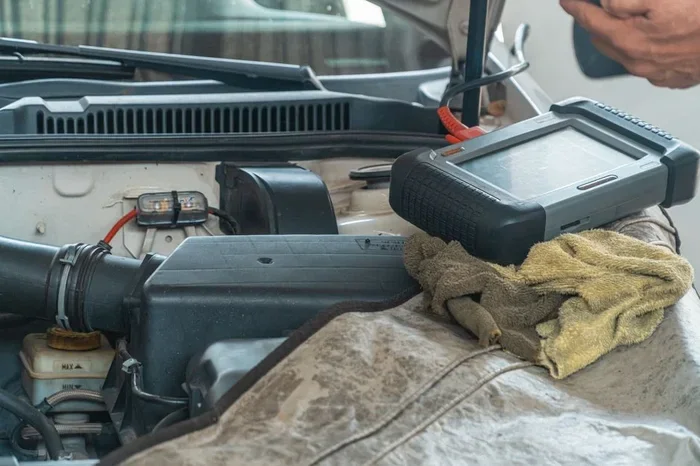
If none of the above steps work, take your car to a qualified mechanic or dealership. They have the diagnostic equipment needed to read error codes from your car’s computer. These codes pinpoint the exact cause of the problem, saving you time and guesswork.
Many drivers search online for answers when they see the key light flashing on dashboard. While the internet can be helpful, not all advice is accurate. Stick to trusted sources and professional guidance when dealing with your car’s security system.
Preventing Key Light Issues in the Future
The best way to deal with a flashing key light is to prevent it from happening in the first place. Regular maintenance and good habits go a long way in keeping your car’s security system running smoothly.
- Replace your key fob battery regularly: Do not wait until it dies completely. Change it every year or so.
- Handle your keys with care: Avoid dropping them or exposing them to water and extreme temperatures.
- Keep spare keys safe: Store a backup key in a secure location outside your vehicle.
- Get regular inspections: Have a mechanic check your ignition switch and security system during routine maintenance.
- Update your car’s software: Some immobilizer issues are resolved through software updates from the manufacturer.
These simple habits can save you from unexpected breakdowns and expensive repairs. Prevention is always better and cheaper than cure.
When you are working on your vehicle or researching issues, having a proper workspace makes a difference. Whether you are at a study desk reviewing repair manuals or at a workspace organized with the right tools, preparation matters. For more on understanding technical terms, you can also check what a desk study involves if you are researching vehicle diagnostics in a structured way.
Conclusion
The key light flashing on dashboard is a warning you should never ignore. It tells you that your car’s security system has detected a problem. Whether the cause is a simple dead key fob battery or a more complex immobilizer malfunction, understanding the issue helps you respond effectively.
Start with the easiest fixes first. Replace the key fob battery, try the reset method, and inspect your key and ignition. If these steps do not resolve the issue, seek professional help. A qualified mechanic can diagnose the exact problem and recommend the right repair.
Remember, your dashboard lights are your car’s way of communicating with you. Learning to read them is one of the best skills a driver can develop. The next time you see that key symbol flashing, you will know exactly what to do. Stay calm, follow the steps outlined in this guide, and you will be back on the road in no time.
Frequently Asked Questions
Can I drive my car if the key light is flashing on the dashboard?
It depends on the cause. If the key fob battery is weak, you may still be able to start the car by placing the key directly against the ignition button or slot. However, if the immobilizer is actively blocking the engine, your car will not start at all. It is safest to address the issue before driving.
How much does it cost to fix a flashing key light on the dashboard?
The cost varies widely. Replacing a key fob battery costs just a few dollars. Ignition switch repairs typically range from 150 to 300 dollars. Immobilizer or transponder chip replacements can cost between 200 and 500 dollars, depending on your vehicle model and the repair shop.
Does the flashing key light mean someone is trying to steal my car?
Not necessarily. The flashing key light usually indicates a system error, not an active theft attempt. It means your car’s security system is not recognizing your key properly. This can happen due to a dead battery, a damaged key, or an electrical fault.
How long does the key light stay on after starting the car?
In a healthy vehicle, the key light should turn off within a few seconds of starting the engine. If it stays on or begins flashing while you are driving, there is a problem with the security system that needs immediate attention.
Can a locksmith help with a flashing key light?
Yes, locksmiths who specialize in automotive keys can often help. They can program new transponder keys, replace damaged key fobs, and even diagnose immobilizer issues. Many locksmiths offer mobile services and can come to your location.
Will the flashing key light go away on its own?
Sometimes, yes. If the cause is a temporary glitch or a low key fob battery, the light may stop flashing after you replace the battery or reset the system. However, if the underlying issue is not fixed, the light will likely return.